
Introduction: A Journey Through Blue and Turquoise
For centuries, the art of çini—Turkish tilework—has adorned the walls of mosques, palaces, and tombs across Anatolia, transforming them into breathtaking galleries of color and pattern. From the early experiments in Bursa to the pinnacle of Ottoman tile art in İznik and Edirne, these ceramic masterpieces tell stories of devotion, craftsmanship, and cultural exchange. This self-guided art trail takes you from the Green Mosque in Bursa to the Selimiye Mosque in Edirne, with stops in İstanbul and İznik along the way. Whether you're an art historian, a curious traveler, or a collector seeking authentic pieces, this journey offers a deep dive into Türkiye's rich tile heritage. The welcoming atmosphere of these spaces—many still active places of worship—invites contemplation and admiration.
TurkeyTripPlanner.com is your companion for this artistic pilgrimage. We'll guide you through the must-see monuments, offer viewing tips, and help you navigate the world of tile workshops and galleries. Let's embark on a visual feast that spans centuries and showcases the genius of Turkish artisans.
Bursa: The Birthplace of Ottoman Tile Art
Our trail begins in Bursa, the first major capital of the Ottoman Empire. Here, the Yeşil Cami (Green Mosque), built in the early 15th century, stands as a testament to the early Ottoman style. Its name derives from the stunning green and blue tiles that decorate its interior, particularly the mihrab and the royal box. The tiles here are a precursor to the classic İznik style, featuring deep turquoise and cobalt blue in intricate geometric and floral motifs. The mosque's complex also includes the Green Tomb (Yeşil Türbe), whose exterior is clad in blue-green tiles, creating a striking visual impact.
Just a short walk away, the Muradiye Complex houses several tiled tombs from the 15th and 16th centuries, offering a quieter, more intimate experience of early tilework. The nearby Bursa Archaeological Museum provides context with artifacts from the Seljuk and Ottoman periods. For those interested in seeing tile-making in action, Bursa's historic bazaars have workshops where you can observe artisans at work and perhaps purchase a small piece.
Tip: Visit the Green Mosque in the morning when light streams through the windows, illuminating the tiles. Remember that it's an active place of worship, so dress modestly and avoid prayer times.

İznik: The Cradle of Ottoman Çini
No tile pilgrimage is complete without a visit to İznik, the town that gave its name to the famous İznik tiles. Situated on the shores of Lake İznik, this historic town was the center of ceramic production from the 15th to the 17th centuries. The İznik Museum displays a collection of tiles and ceramics, but the real thrill is exploring the workshops that still produce tiles in the traditional way. Many workshops offer demonstrations and hands-on experiences, allowing you to try your hand at painting a tile.
The town itself is charming, with old city walls and a lakeside promenade. While the original İznik tiles are now rare and expensive, contemporary artisans create high-quality reproductions using the same techniques and motifs. This is an excellent place to buy authentic pieces directly from the makers. Look for the signature underglaze colors: bold cobalt blue, turquoise, and the distinctive raised red (bole red) that is a hallmark of İznik ware.
Tip: Ask to see the kiln and the entire process, from shaping the clay to the final firing. This ensures you're getting a handmade piece, not a factory-produced imitation.
İstanbul: The Grand Showcase of Çini
İstanbul is home to some of the most magnificent tiled monuments in the world. Start with the Rüstem Paşa Mosque, a hidden gem near the Spice Bazaar. Designed by the great architect Sinan for Grand Vizier Rüstem Paşa, this small mosque is literally covered in İznik tiles—more than 2,300 of them. The tiles feature an astonishing variety of floral motifs, including tulips, carnations, and hyacinths, in a palette of blue, turquoise, and red. The effect is overwhelming in the best possible way.
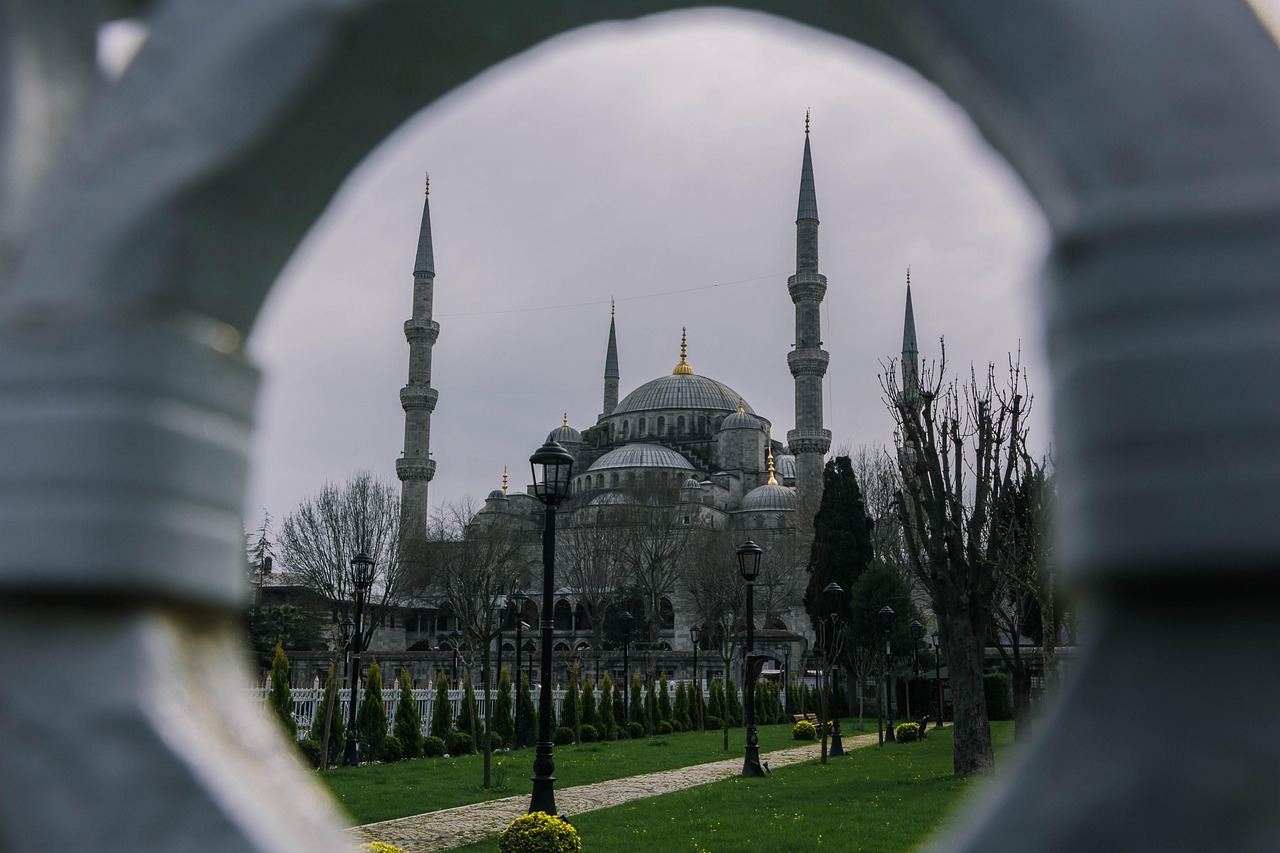
Next, visit the Sultan Ahmed Mosque (Blue Mosque), where 20,000 handmade İznik tiles line the interior, giving the mosque its nickname. Although the tiles are earlier and less refined than those in Rüstem Paşa, the sheer scale is awe-inspiring. For a more intimate experience, seek out the Şehzade Mosque and the Sokollu Mehmed Paşa Mosque, both featuring exquisite tilework by Sinan.
Don't miss the Topkapı Palace, where the Circumcision Room (Sünnet Odası) and the Baghdad Kiosk boast stunning tile panels. The palace's collection also includes rare İznik ceramics. For a deeper understanding, the Museum of Turkish and Islamic Arts has a fine collection of tiles and ceramics.
Tip: Many mosques are closed to visitors during prayer times. Plan your visits around the five daily prayers, and always remove your shoes before entering.
Edirne: The Pinnacle of Ottoman Architecture
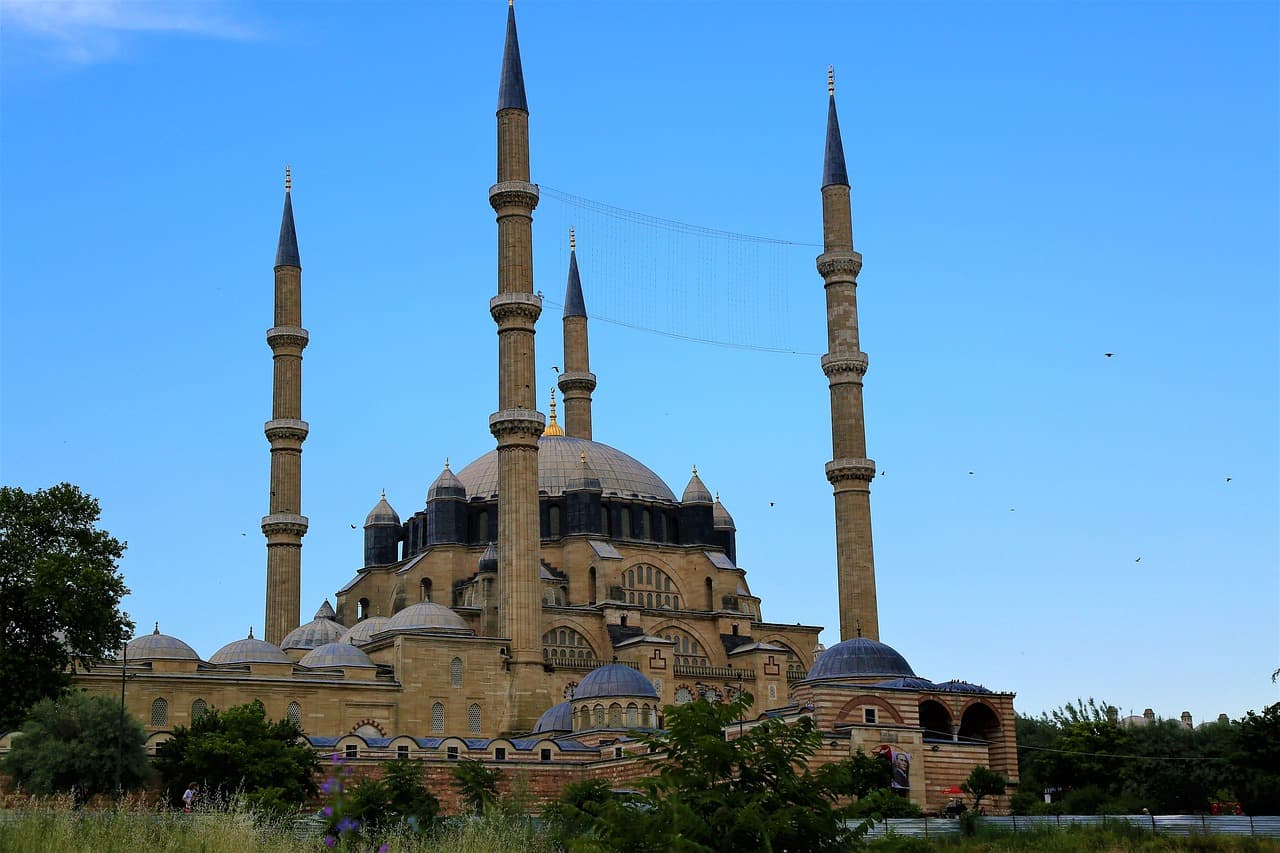
The final stop on our trail is Edirne, near the Greek border, home to the Selimiye Mosque, considered Sinan's masterpiece and a UNESCO World Heritage Site. The mosque's interior is adorned with İznik tiles, particularly in the mihrab and the sultan's loge. The tilework here is from the peak period of İznik production, characterized by flawless execution and vibrant colors. The Üç Şerefeli Mosque and the Old Mosque (Eski Cami) also feature notable tile decorations, but Selimiye is the crowning glory.
Edirne itself is a delightful city with a rich history, including the Ottoman palace complex and the famous Kırkpınar oil wrestling festival. The Edirne Museum has a small but interesting collection of tiles and artifacts. For those interested in buying tiles, Edirne has several shops specializing in traditional ceramics, though İznik and İstanbul offer more variety.
Tip: Climb the minarets of Selimiye for a panoramic view of the city, but be prepared for a steep and narrow climb.
Viewing Tips: How to Appreciate Tilework
To fully appreciate çini, consider these tips:
- Lighting matters: Natural light reveals the depth and shimmer of the tiles. Visit on a sunny day and observe how the colors change throughout the day.
- Look closely: Bring binoculars or use your camera's zoom to examine the intricate details of the patterns. Each tile is a small work of art.
- Understand the motifs: Common motifs include tulips (symbol of love), carnations, roses, and vines. Learn their meanings to enrich your experience.
- Respect the space: These are places of worship. Dress modestly, speak softly, and avoid flash photography.
- Combine with architecture: Notice how tiles are used to highlight architectural features like arches, domes, and mihrabs.
Best Towns for Tile Workshops and Authentic Purchases
If you're inspired to bring home a piece of this artistry, here's where to find authentic çini:
- İznik: The heart of tile production. Workshops like İznik Çini and Adil Çini offer demonstrations and sell directly to the public. Prices are reasonable, and you can meet the artisans.
- Kütahya: Another historic ceramic center, known for its own style of çini, often featuring pastel colors and floral designs. The Kütahya Tile Museum is worth a visit.
- İstanbul: The Grand Bazaar and the Arasta Bazaar (behind the Blue Mosque) have many tile shops, but beware of machine-made imitations. Look for shops with a workshop attached, like Firca in the Grand Bazaar.
- Bursa: The Covered Bazaar has several tile merchants, and you can also visit the workshops in the Cumalıkızık village nearby.
When buying, ask about the production method: handmade tiles will have slight irregularities and will be signed by the artist. Expect to pay more for hand-painted pieces, but they are worth the investment.
Conclusion: A Trail of Beauty and Heritage
Türkiye's tiled mosques are not just architectural marvels; they are repositories of a craft that has been perfected over centuries. This trail from Bursa to Edirne offers a chance to witness the evolution of çini and to connect with the artisans who keep the tradition alive. The welcoming atmosphere of these sites—where locals and visitors alike are embraced—makes this journey accessible to all. Whether you're admiring the tiles or taking home a piece, you'll carry with you a piece of Türkiye's soul.
For more cultural journeys and practical tips, explore our guides and itineraries. Let TurkeyTripPlanner.com help you plan your own artistic pilgrimage.
Thinking about a trip to Turkey?
Share your contact details and a vetted local expert will follow up with a plan built around you — free, no obligation.