

The Table That Feeds More Than the Body
In a Turkish village, breakfast is rarely just breakfast. It is an announcement that you are welcome, that the day has begun properly, and that whoever is sitting across from you matters. The word kahvaltı literally means "under coffee" — a small linguistic clue that this meal was originally something eaten before coffee, a prelude. But in the countryside, it has become the main event.
Travelers who stumble into a village breakfast often describe the same feeling: a table that keeps producing plates, a grandmother who insists you take more, a teapot that never empties. This is not staged hospitality. It is a cultural reflex. In rural Turkey, generosity is a form of dignity, and refusing food too firmly can feel like a quiet insult.
If you plan to travel beyond the big cities — and especially if you use our route suggestions to wander off the main highways — a village kahvaltı will likely become the memory you tell people about. This guide explains what to expect, how to accept with respect, and how to find these tables through the people who know them best: locals.
What Actually Lands on a Village Breakfast Table
Forget the photos you've seen of perfect ceramic bowls arranged on a hotel terrace. A village kahvaltı is generous but unpolished. The table commonly includes:
- Homemade jams: sour cherry, fig, apricot, rose, even green walnut — boiled in copper pots during summer and stored in reused jars.
- White cheese and village cheese: salty, sometimes brined, often made from the family's own sheep or cow milk.
- Olives: usually cured at home, sometimes with lemon and thyme.
- Eggs: fried with butter, scrambled with tomatoes (menemen), or boiled and sliced.
- Bread: often baked in a village oven the day before, or yufka flatbread that can be rolled around cheese.
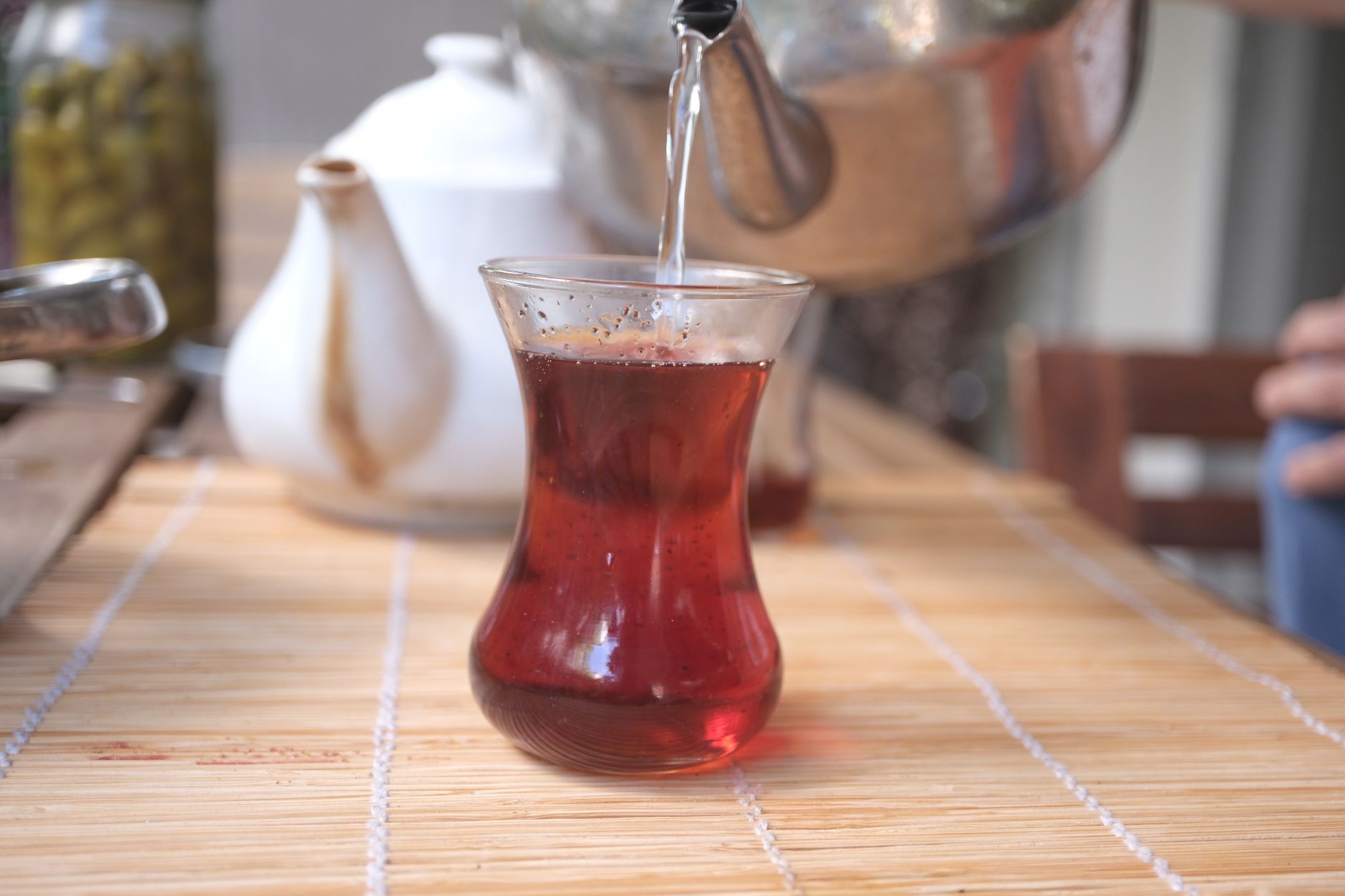
- Çay: black tea brewed in a double teapot and poured into small tulip glasses, endlessly.
Depending on the region, the table may expand. In the Black Sea region you might see corn bread and honey; in the Aegean, wild greens and olive oil; kaymak (clotted cream) with honey in central Anatolia. Each item tells you something about the season and the household's own labor.
What they all share is that almost nothing is bought from a supermarket. The breakfast is a small exhibition of the family's own work, and that is exactly why accepting it matters.

The Etiquette of Being Invited
Village invitations are usually informal and sincere. Someone may say, "Kahvaltı yaptınız mı?" — "Have you had breakfast?" — and this is rarely a mere polite phrase. If you answer honestly that you haven't, you may find yourself seated before you can protest.
How you accept matters. A flat refusal — even a polite one — can close a door. The graceful response is a soft hesitation followed by gratitude: "Çok zahmet olmasın" ("Please don't go to any trouble") and then, when they insist, "Çok teşekkür ederim, memnun olurum" ("Thank you very much, I'd be happy to"). This gives the host the pleasure of overriding your modesty.
Once seated, follow the host's lead. Wait to be told where to sit. Take a small amount first — you can always accept more, and the host will offer again. Use your right hand for serving when possible, though this is less rigid in informal village settings than in some formal contexts. Compliment the jam, the cheese, the bread. These are the things the family is proud of.
In a village, the question "Are you hungry?" is never really about hunger. It is about whether you are willing to be received.
Small Gifts That Say Thank You Without Awkwardness
After a village breakfast, many travelers want to give something back. Cash is almost always the wrong gesture — it turns hospitality into a transaction and can genuinely offend. Instead, think of small, useful gifts that respect the household's daily life.
Good options include:
- Good quality tea: a box of loose-leaf black tea is always welcome, since çay is consumed all day.
- Coffee: Turkish coffee in a sealed pack is a treat in villages where tea dominates.
- Sweets for children: chocolate or dried fruit, given openly and shared.
- Small practical items: a nice tea towel, a jar of good honey, or a souvenir from your own country that has a story.
- Photos: if you take pictures, offer to send them later. A printed photo mailed afterward becomes a small treasure.
If you truly want to reciprocate, invite the family to something in return — a meal in a nearby town, a box of pastries delivered the next day, or simply a promise to return. In village culture, relationships are built over time, not settled in a single exchange.
How to Find Village Breakfast Spots Through Locals
The best village breakfasts are not on Google Maps. They are found through people. Start by asking at small local businesses: a gas station attendant, a pharmacist, a shopkeeper, a farmer at a weekly market. Ask, "Buralarda güzel bir köy kahvaltısı yeri var mı?" — "Is there a good village breakfast place around here?" The answer often comes with a name, a direction, and sometimes a phone call ahead.
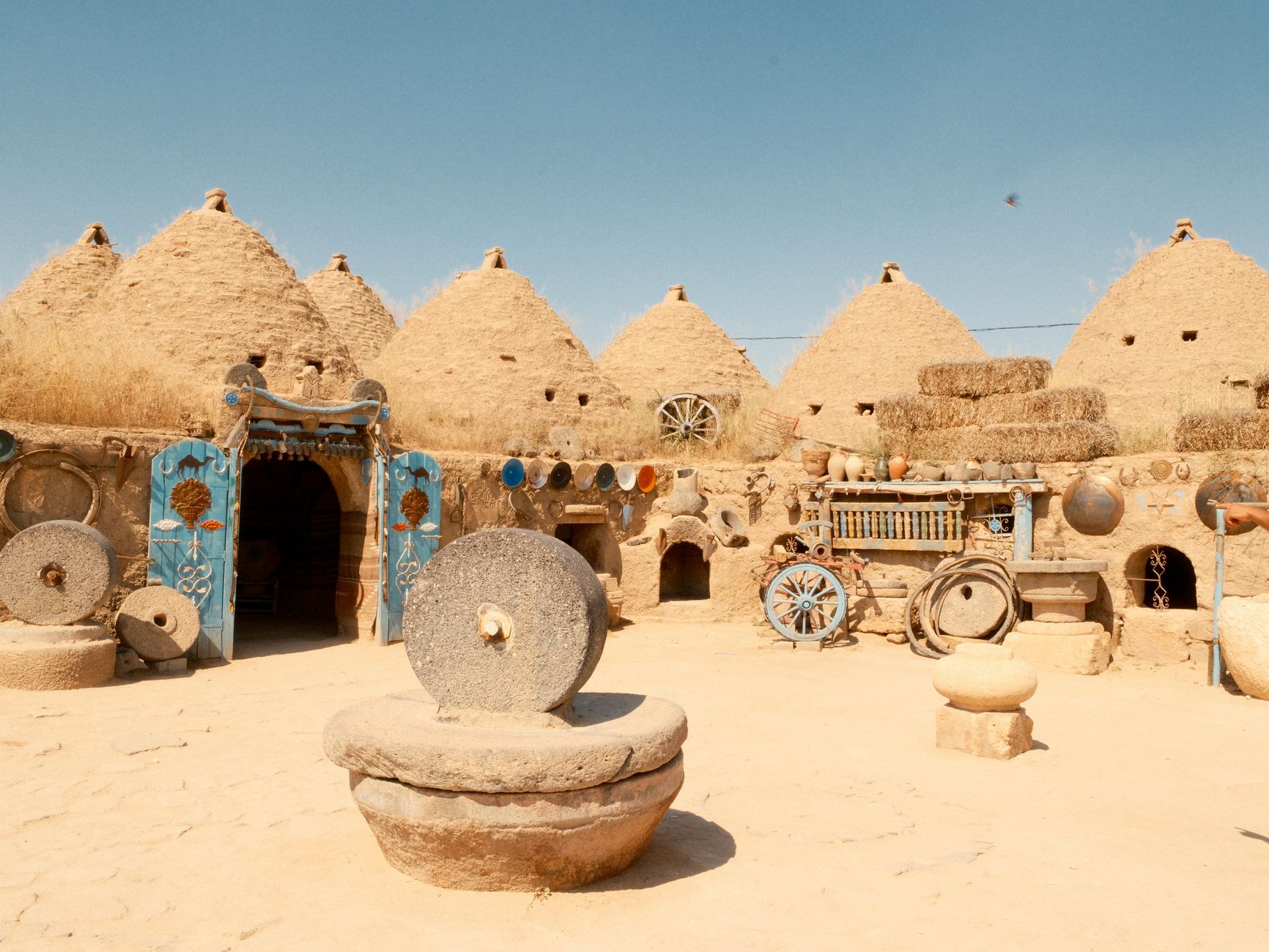
In some regions, village breakfast has become a small community enterprise, with families opening their courtyards on weekends. These are usually found through word of mouth or through local social media groups. If you are traveling with a local guide, they can often arrange a visit that is respectful and genuinely welcomed.
Timing matters. Village breakfast is a morning affair, often beginning around 8:00 or 9:00 and stretching until noon. Arriving late can mean missing the best of the table and disrupting the family's rhythm. Call ahead when possible, and never show up with a large group unannounced.
For broader planning, our seasonal guide can help you choose months when village life is active and produce is at its peak — late spring and early autumn are especially rewarding for jams, cheeses, and fresh bread.
Regional Flavors Worth Traveling For
Village breakfast changes character as you move across Turkey. In the Aegean hinterland, tables lean on olive oil, wild greens, and herbs like kekik and nane. In the Black Sea highlands, you will find corn bread, honey, and kuymak — a molten cornmeal and cheese dish that arrives bubbling in a small pan.
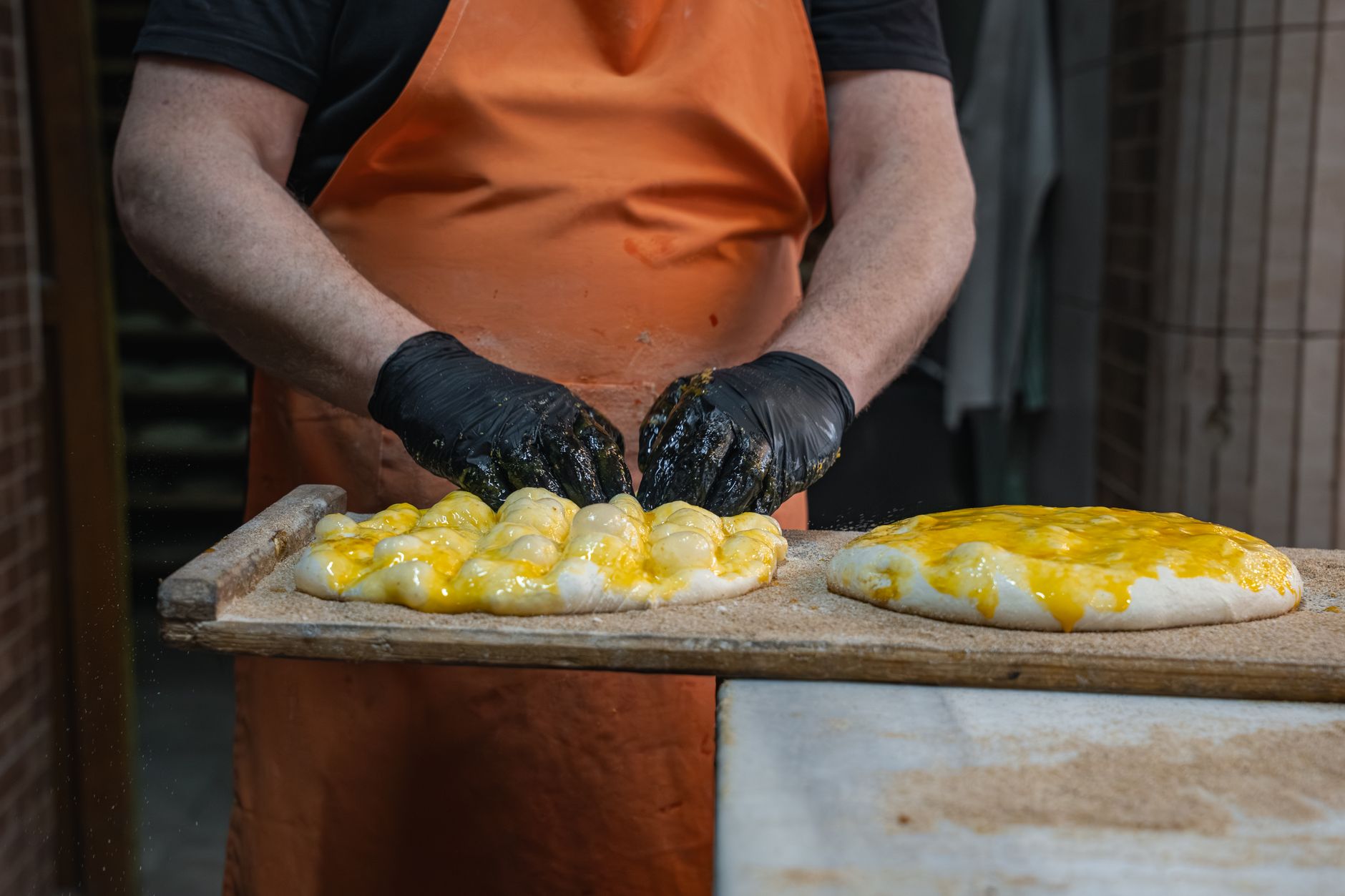
In central Anatolia, expect kaymak, honey, and a staggering variety of home-baked breads. In the southeast, breakfast may include katmer, a flaky pastry with clotted cream and pistachio, alongside strong tea and sometimes menemen with a little heat.
If you are building an itinerary, consider browsing our destinations hub to pair a city visit with a nearby village morning. Many travelers find that a single village breakfast becomes the emotional center of their trip — the moment Turkey stopped being a destination and became a memory.
Eating With Respect, Leaving With Gratitude
When the meal ends, thank the host specifically. Mention the jam by name. Tell the grandmother that her cheese was the best you've had — and mean it. In Turkish villages, praise is not flattery; it is acknowledgement of labor. It says, "I see what you made for me."
Before leaving, ask if there is anything you can help with, even symbolically. You will almost certainly be waved off, but the offer itself is part of the ritual. Say goodbye properly, to everyone present, and do not rush the farewell. Leaving too quickly can feel like relief.
Finally, carry the lesson with you. The generosity of a Turkish village breakfast is not a service to be consumed; it is a practice to be honored. If you travel with curiosity, patience, and a willingness to sit a little longer than planned, the table will open to you again and again.
Thinking about a trip to Turkey?
Share your contact details and a vetted local expert will follow up with a plan built around you — free, no obligation.