

The Magic of a Village Kahvaltı Stop
There’s a moment on every Turkish road trip when the landscape starts to blur and your stomach gently reminds you that breakfast was hours ago. That’s when you see it: a hand-painted sign reading “Köy Kahvaltısı” (village breakfast), perhaps with a few plastic chairs under a grapevine and the unmistakable glint of a çay (tea) urn. Pulling over is not just a meal; it’s an initiation into Turkey’s most generous culinary tradition.
Unlike the fast-paced city breakfasts, a village kahvaltı is a leisurely affair. It’s a parade of small plates — cheeses, olives, jams, fresh bread, and often a hot gözleme — served with bottomless tea. The setting is simple, the ingredients are local, and the welcome is warm. For travelers, these roadside stops offer a delicious way to break up a long drive and taste the region’s soul.
In this guide, we’ll take you through the essentials of the Turkish village breakfast, highlight regional specialties worth a detour, and share practical tips to help you enjoy every bite. Whether you’re driving from Istanbul to Cappadocia or exploring the Black Sea coast, a village kahvaltı is an experience you won’t want to miss.
What Makes a Village Breakfast Different?
City breakfasts are often lavish spreads in trendy cafés, but the village version is defined by its hyper-local ingredients and lack of pretense. The produce comes from the surrounding gardens and farms: tomatoes still warm from the sun, cucumbers with crunch, and herbs picked that morning. Cheeses are typically made by the family or a neighbor, and the jams are cooked in copper pots over wood fires.
The pace is also different. There’s no rush to turn tables; you’re encouraged to linger, sip tea, and maybe even take a stroll between courses. The experience often feels like being invited into someone’s home, because it often is — many village breakfast spots are family-run operations in their own houses or gardens.
Another hallmark is the unlimited tea. The moment your glass is empty, it’s refilled. This isn’t just hospitality; it’s a rhythm that invites conversation and relaxation. Don’t be surprised if the owner sits down to chat, eager to share stories about the village and its food.
The Classic Spread: Cheeses, Olives, Jams, and More
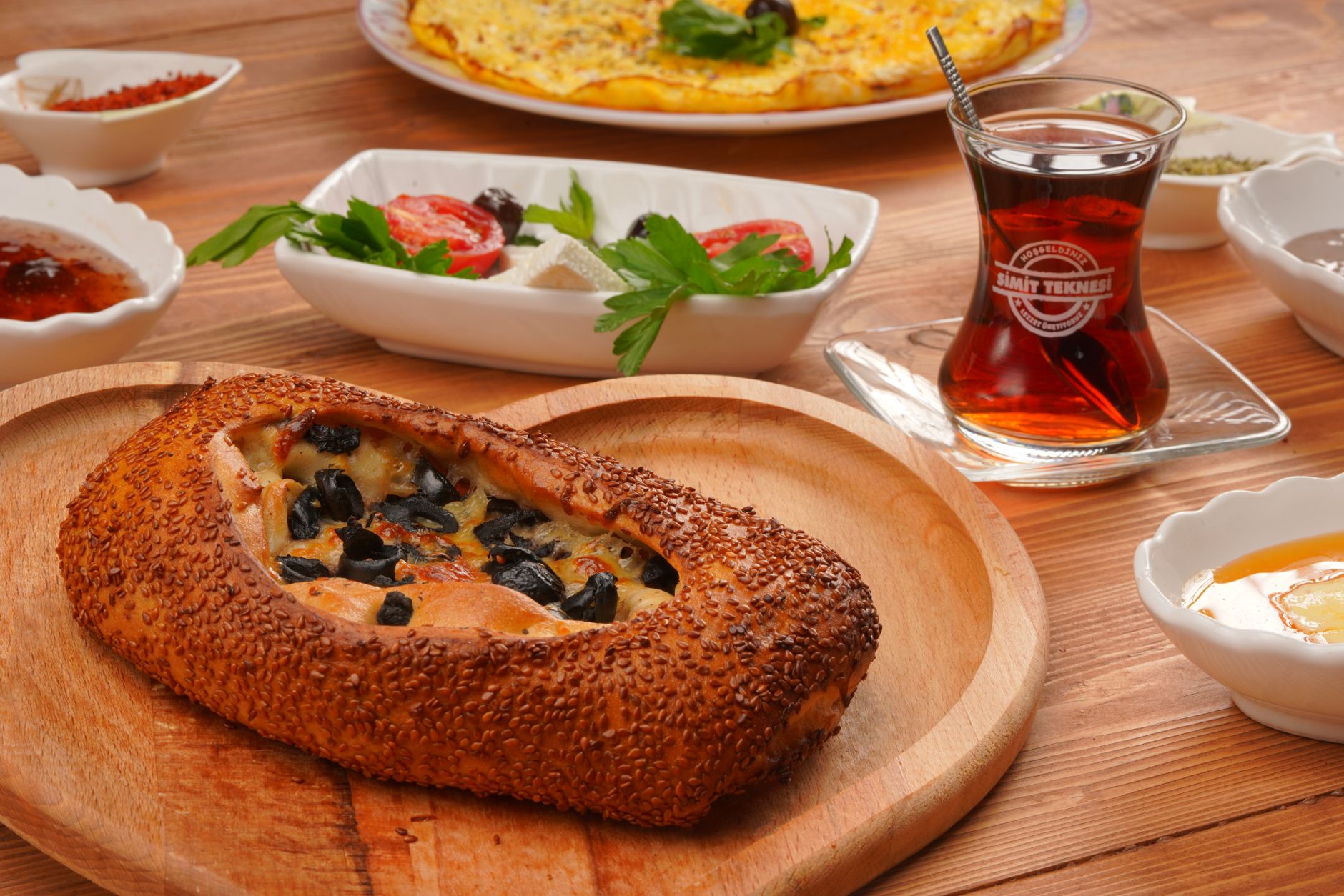
A traditional village kahvaltı includes a constellation of small dishes. Here’s what to expect:
- Cheeses: Usually a mix of beyaz peynir (white cheese, similar to feta), kaşar (a yellow, semi-hard cheese), and sometimes lor (a fresh curd cheese) or çökelek (a tangy, crumbly cheese).
- Olives: Both black and green, often cured with herbs or lemon. The Aegean region is famous for its olives.
- Jams and preserves: Homemade jams from seasonal fruit — fig, sour cherry, quince, rose, or even green walnut. Also look for pekmez (grape molasses) and tahin (sesame paste) to swirl together.
- Bread: Fresh somun (flatbread) or bazlama, often baked in a wood-fired oven. It’s the perfect vehicle for everything.
- Eggs: Often fried with sucuk (spicy sausage) or simply boiled. In some regions, you’ll find menemen — a scramble of eggs, tomatoes, and peppers.
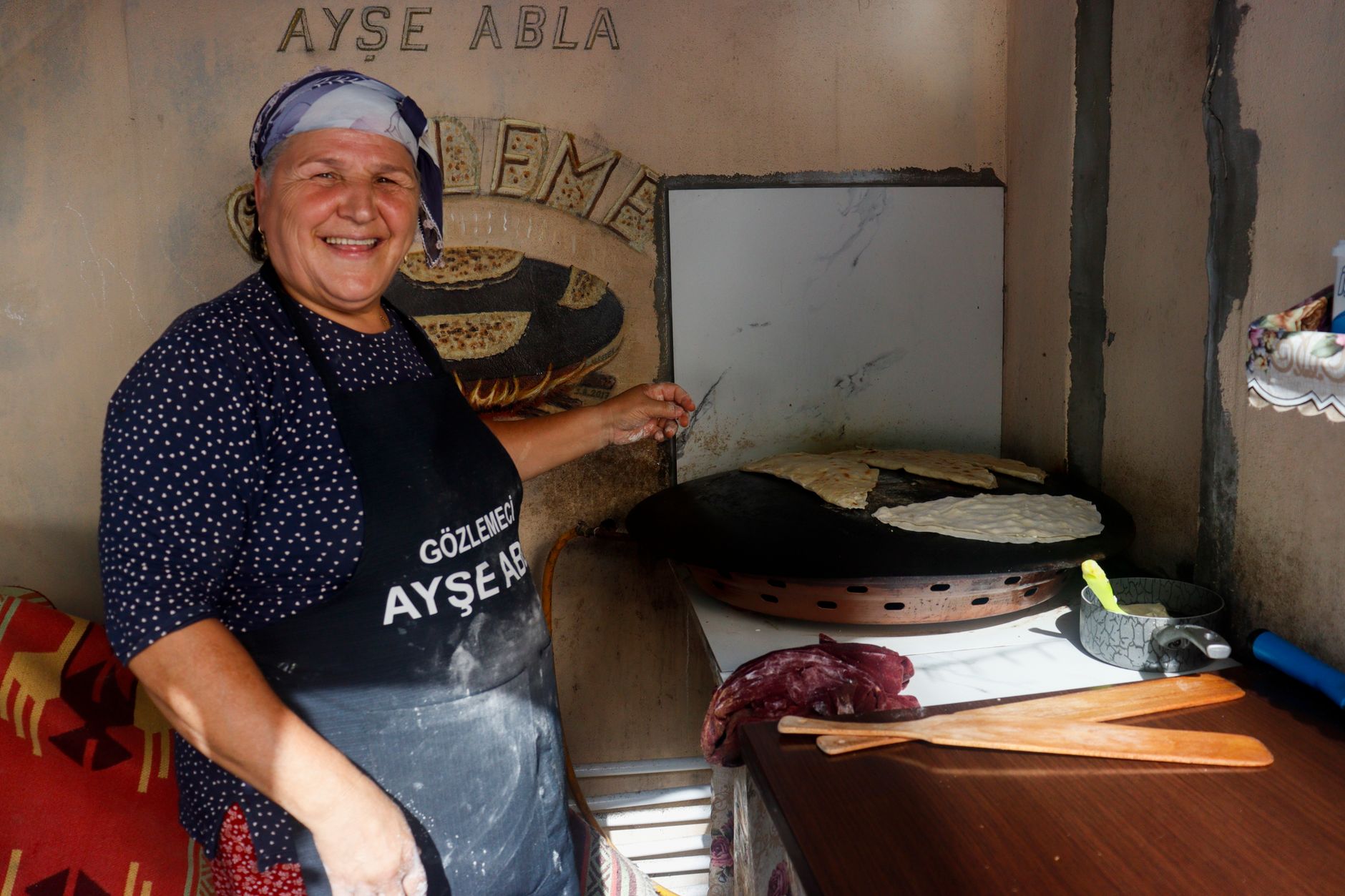
- Gözleme: A thin, stuffed flatbread cooked on a sac (convex griddle). Fillings range from cheese and spinach to potato or minced meat. Watching it being made is part of the fun.
These are the foundations, but each region adds its own twist. In the Black Sea, you might find muhlama (a gooey cornmeal and cheese dish); in the southeast, spicy antep peyniri and katmer (flaky pastry with pistachios). The variety is endless.
Regional Specialties Worth Pulling Over For
Turkey’s geography shapes its breakfasts. Here are some regional highlights to seek out on your travels:
Aegean and Marmara
The Aegean is the heartland of olive oil and fresh herbs. Village breakfasts here feature abundant greens — ot kavurması (sautéed wild greens) — and local cheeses like sepet peyniri (basket cheese). Don’t miss gözleme stuffed with herbs and cheese, and the ubiquitous zeytinyağı (olive oil) for dipping. In Marmara, especially around Bursa, look for kestane (chestnut) products and mustafa kemal paşa (a sweet, but that’s for later).
Black Sea
The Black Sea’s humid climate yields exceptional dairy. Muhlama (or kuymak) is a must — a bubbling cauldron of cornmeal, butter, and minzi cheese, eaten with bread. Also try sucuk from the region and karalahana (collard greens) dishes. The tea here is brewed strong and served in tulip glasses.
Central Anatolia
In Cappadocia and beyond, breakfasts are hearty and earthy. Look for testi kebabı (not for breakfast, but worth noting) and kuru fasulye (white beans) — but for breakfast, focus on gözleme and bazlama with local honey and clotted cream (kaymak). The region’s tulum cheese is a tangy delight.
Southeast Anatolia
Here, breakfast takes on a spicier note. Antep peyniri is a salty, stretchy cheese; katmer is a flaky pastry filled with pistachios and clotted cream — indulgent and unforgettable. Also try menengiç kahvesi (a coffee made from wild pistachios) to finish.
Wherever you go, ask the owner what’s local. They’re usually proud to point out the specialties.
How to Find the Best Roadside Stops
Spotting a great village breakfast is part art, part science. Here are some tips:
- Look for signs of freshness: A garden with vegetables, chickens roaming, or a wood-fired oven are good signs.
- Check for local traffic: If there are Turkish families or truck drivers, it’s a good bet.
- Avoid tourist traps: Places with multilingual menus and high prices may not be authentic. Venture a little off the main highway.
- Ask locals: If you’re staying at a hotel or guesthouse, ask for recommendations. They’ll know the hidden gems.
- Timing: Breakfast is typically served from early morning until noon, but village spots may start winding down by 11 am. Arrive by 9 or 10 for the full experience.
For more on planning your route, see our routes section. And if you’re looking for a comprehensive guide to Turkish breakfast culture, check out our blog.
The Art of Tea and Hospitality
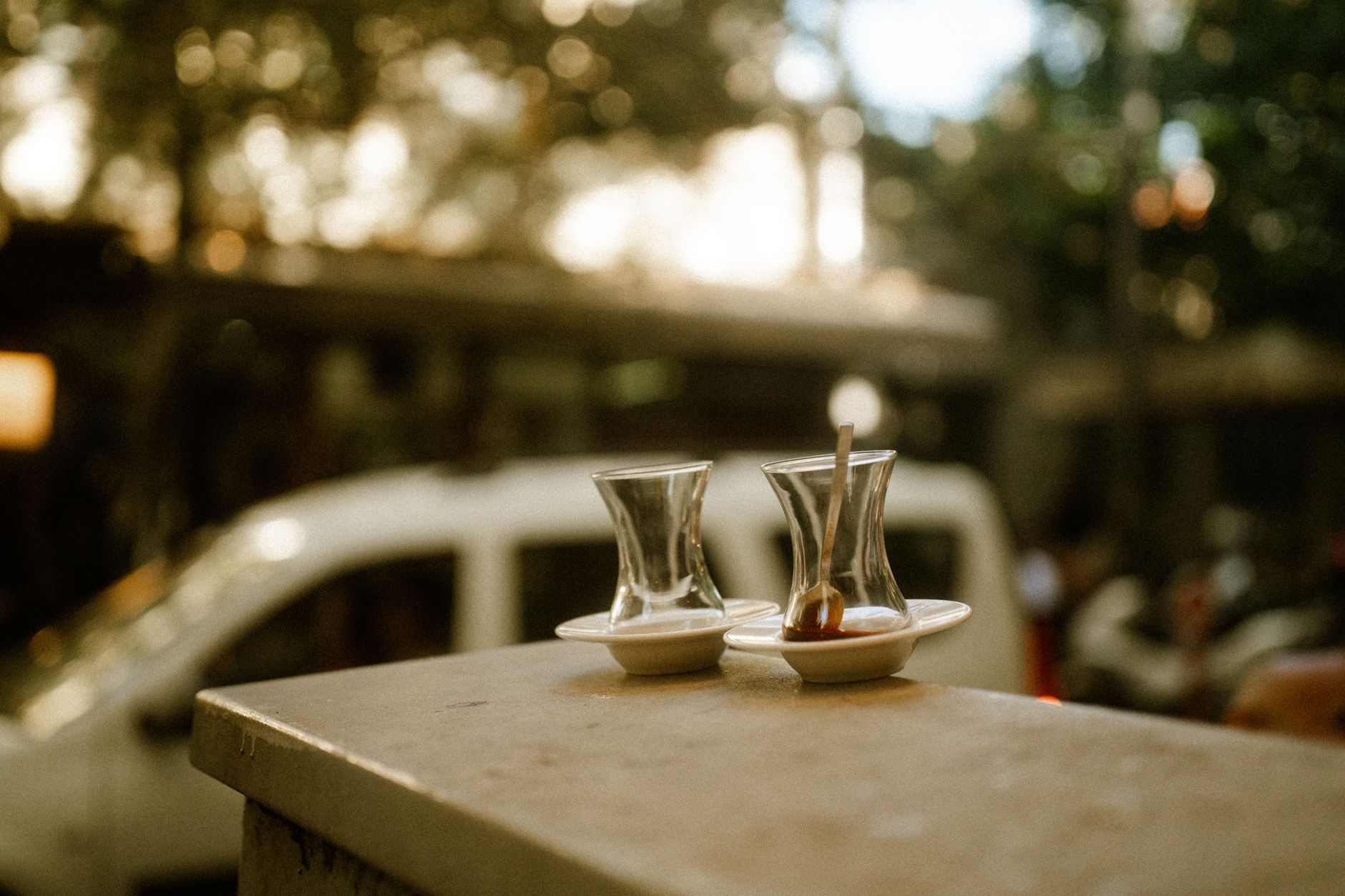
Tea is the lifeblood of a village breakfast. It’s brewed in a çaydanlık (double teapot) and served in small, tulip-shaped glasses. The tea is strong, sometimes bitter, and meant to be sipped slowly. It’s also a symbol of hospitality — refusing tea can be seen as rude. So embrace it; you’ll be offered countless glasses.
The hospitality extends beyond tea. You might be offered fresh fruit from the garden, a taste of the day’s jam, or a second helping of gözleme. Accept graciously; it’s part of the experience. And don’t be surprised if the owner refuses payment for an extra item — generosity is a cornerstone of village culture.
This slow, social pace is the perfect antidote to a long drive. It’s a chance to stretch, chat, and soak in the scenery. For more on Turkish hospitality, see our culture page.
Practical Tips for Your Breakfast Stop
Before you set off, keep these practical points in mind:
- Cash is king: Many village spots don’t accept credit cards. Carry Turkish lira in small bills.
- Language: English may not be spoken, but pointing and smiling works wonders. Learn a few words: merhaba (hello), teşekkürler (thanks), çay (tea).
- Dietary needs: If you’re vegetarian, you’ll find plenty to eat (cheese, olives, bread, jams, gözleme with cheese or spinach). For vegan, ask for zeytinyağlı (with olive oil) and avoid cheese and eggs. Gluten-free options are limited, but you can fill up on cheese, olives, and eggs.
- Hygiene: Village spots are generally clean, but if you have a sensitive stomach, stick to cooked items and peeled fruit.
- Time: Allow at least an hour; rushing defeats the purpose.
For more travel tools and tips, visit our travel tools page.
Final Sip: Why It’s Worth the Detour
A village breakfast is more than a meal; it’s a window into rural Turkish life. It’s the taste of sun-ripened tomatoes, the smell of wood smoke, the sound of tea glasses clinking, and the warmth of a stranger’s smile. It’s a reminder that travel is not just about the destinations, but the moments in between.
So on your next road trip, keep an eye out for that hand-painted sign. Pull over, sit down, and let the breakfast unfold. You’ll leave with a full stomach, a happy heart, and perhaps a new friend. And isn’t that what travel is all about?
For more inspiration, explore our destinations and itineraries.
Thinking about a trip to Turkey?
Share your contact details and a vetted local expert will follow up with a plan built around you — free, no obligation.