
The Sound of a Village Before You See It
Long before a village wedding comes into view, you hear it. A davul (drum) and zurna (a piercing double-reed horn) strike up somewhere beyond the last olive grove, and the whole valley seems to lean toward the noise. Doors open, chairs are carried into the street, children sprint ahead, and grandmothers appear in doorways with trays of tea balanced on practiced hands. Ask any traveler who has stumbled into a Turkish village celebration and they will tell you the same thing: the invitation arrives before you have time to feel like an outsider.
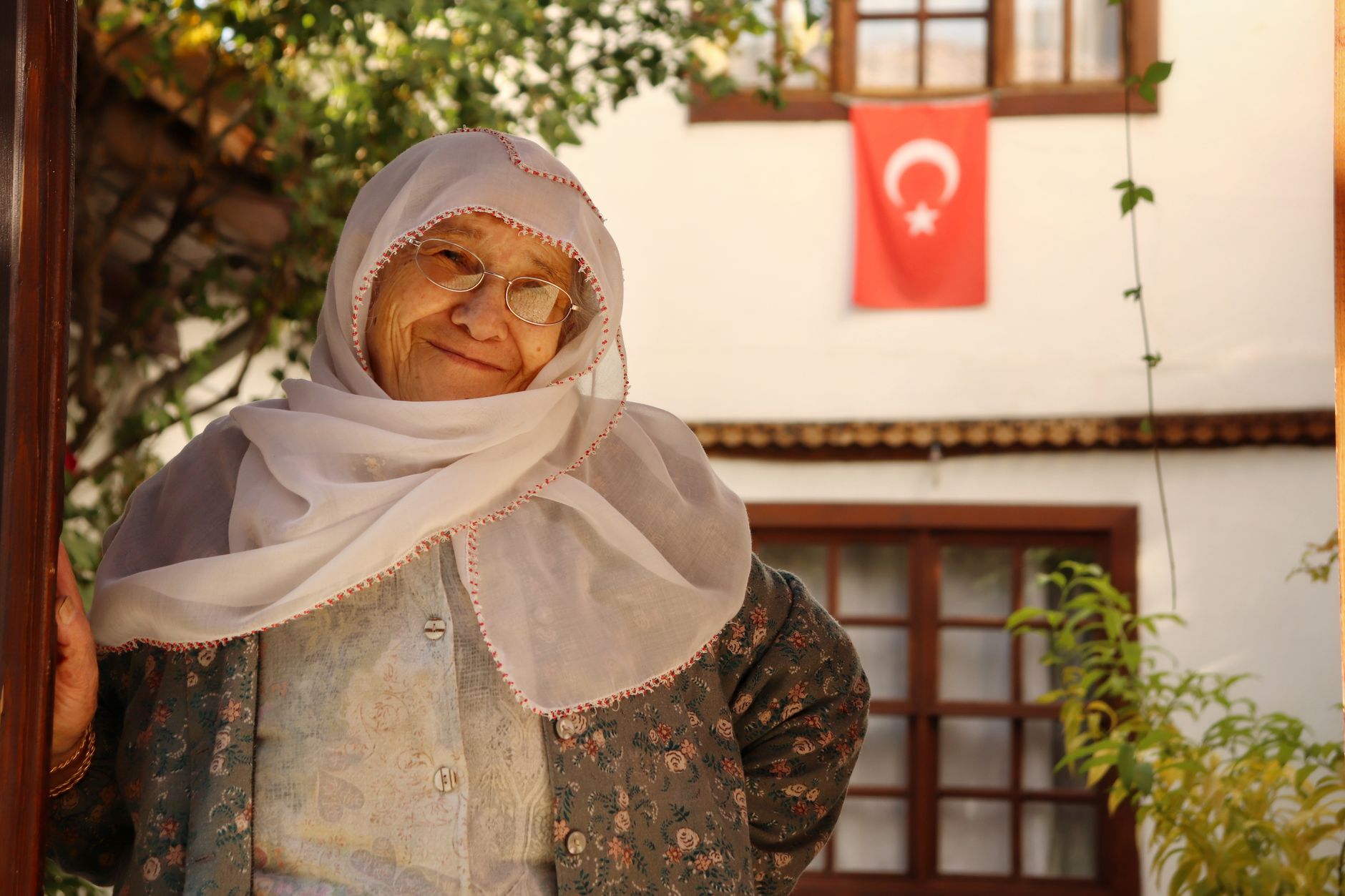
Village weddings in Türkiye are not private affairs in the way many Western ceremonies are. They are communal undertakings — funded, cooked, decorated and danced into being by neighbors, relatives and, quite often, curious guests. Hosting is a point of honor, and a stranger who arrives with good intentions is a guest, not an intruder. Understanding that generosity is the first step to experiencing celebration culture here with the respect it deserves.
This guide walks through what actually happens at a Turkish village wedding and a henna night (kına gecesi), why these rituals matter, and how visitors can watch, dress, gift and participate in ways that honor the families involved.
The Village Wedding: Days of Music, Food and Neighbors
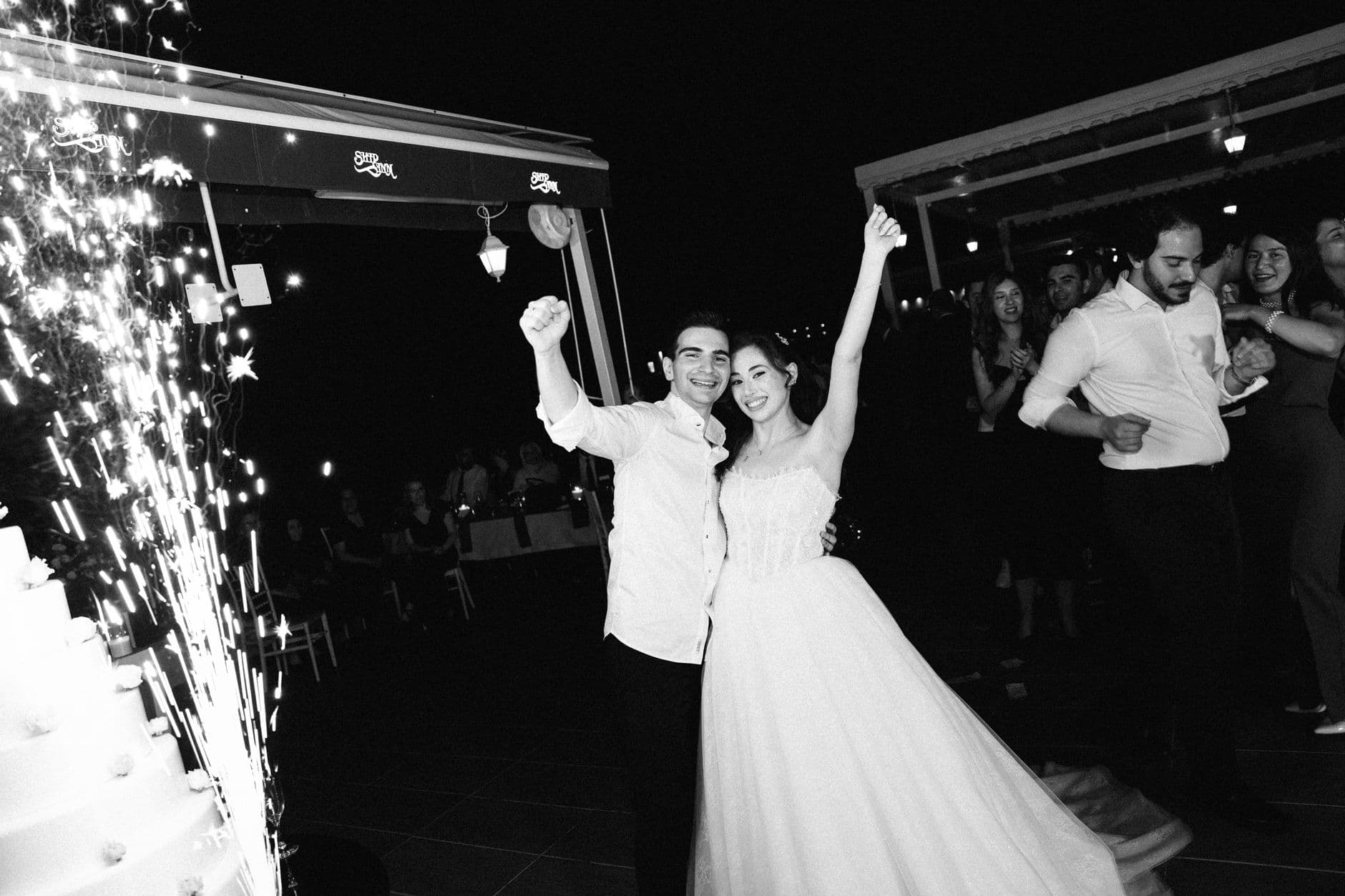
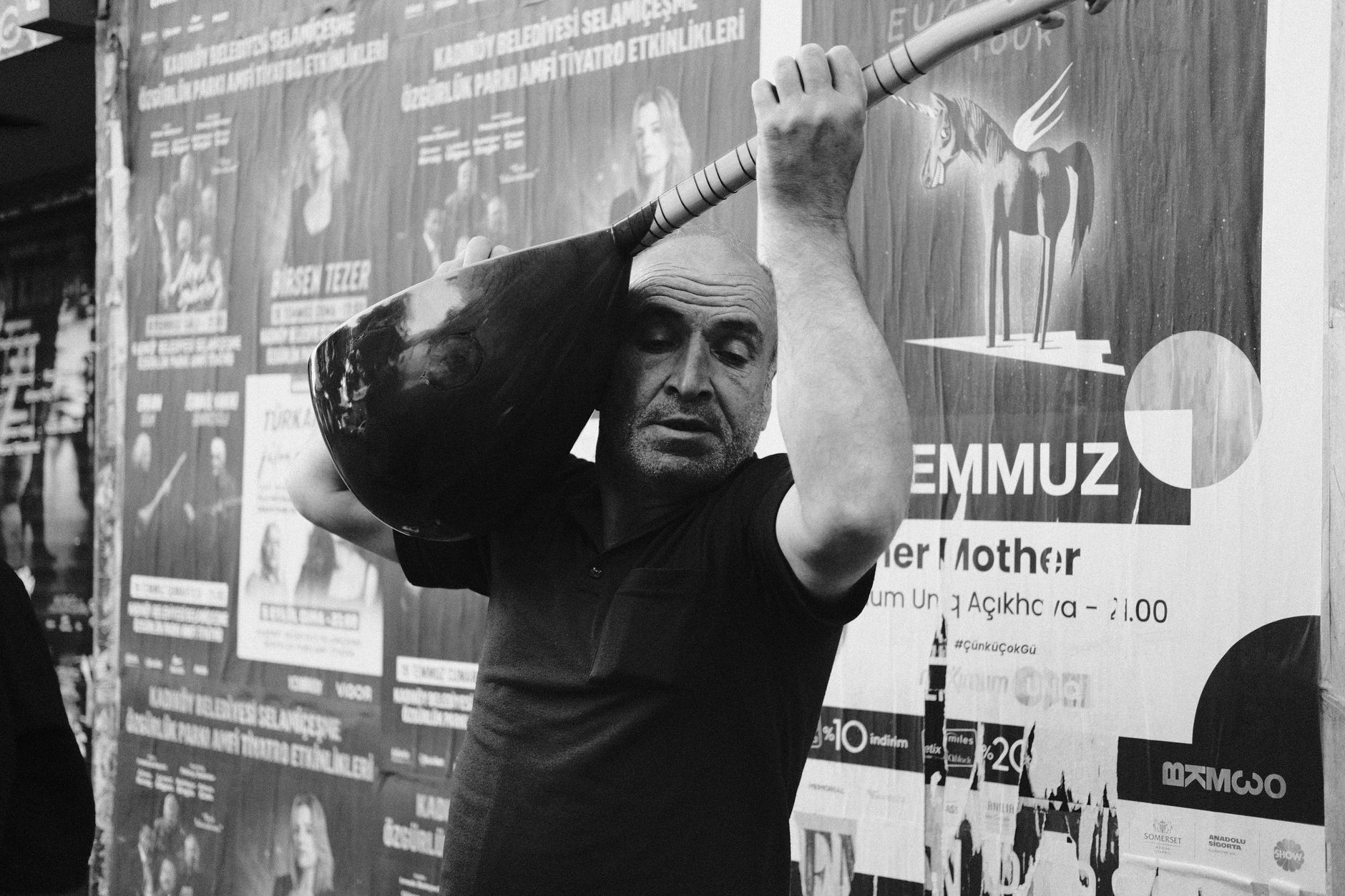
A traditional village wedding can stretch across two, three or even more days, though the rhythm varies enormously between regions — from the Aegean coast to the Black Sea highlands to the plains of Anatolia. The constants are music, food and an open door. The davul-zurna duo is the heartbeat; in some areas it is joined by klarnet (clarinet), bağlama (a long-necked lute), or a full band on the final evening.
One of the defining moments is the gelin alma — the "taking of the bride" — when the groom's party travels with music and dancing to collect the bride from her family home. The bride may wear a red veil or a white gown with a sash, depending on local custom, and the procession that escorts her is loud, joyful and gloriously unhurried. Roads are briefly claimed for the dance known as halay, where guests link hands or shoulders and move in a line that anyone can join at the end.
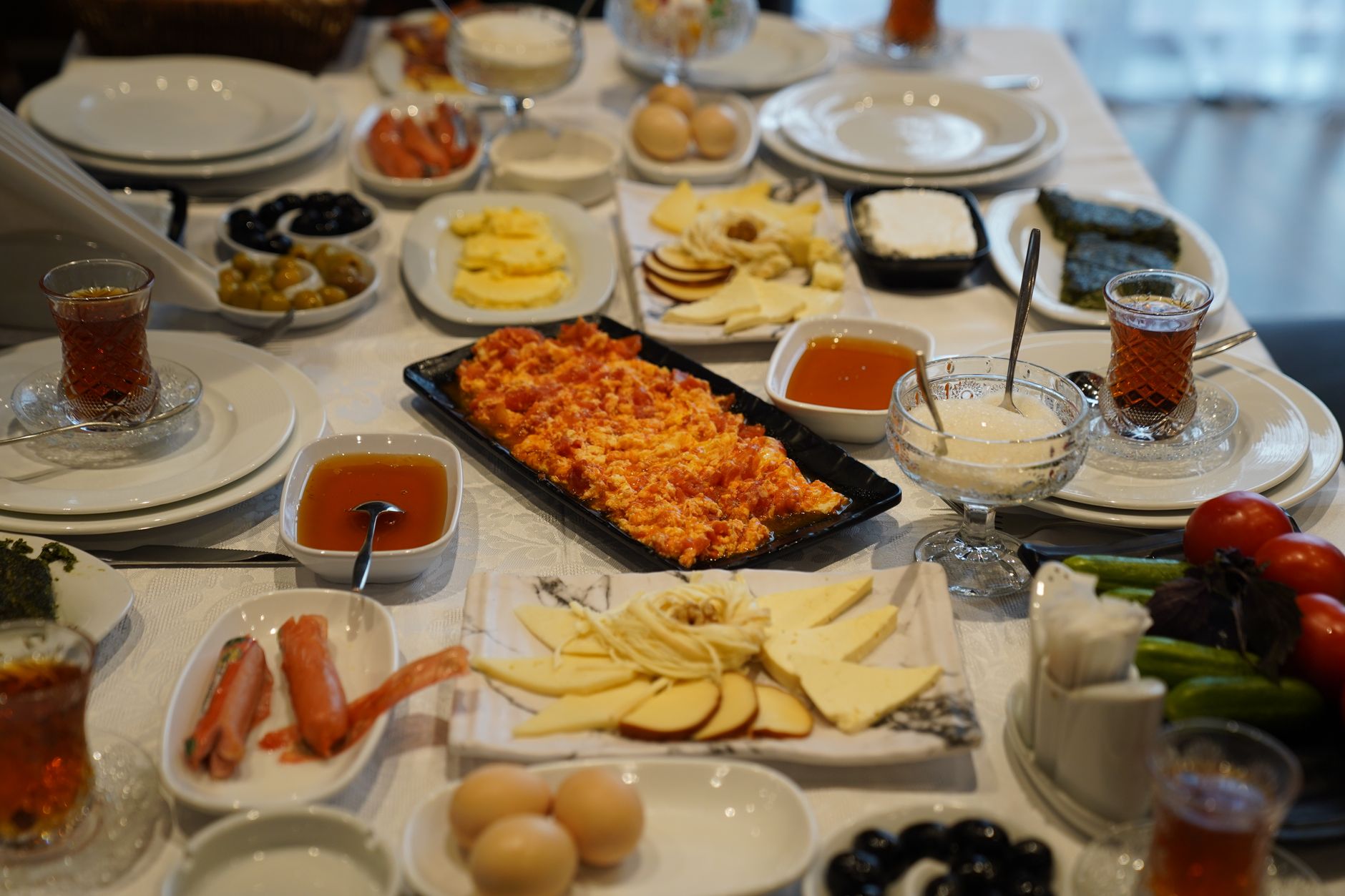
Feeding everyone is a logistical triumph. Expect long tables, communal pots, and dishes that vary by region: slow-cooked meats, rice pilaf in vast quantities, stuffed vegetables, flatbreads, and sweets such as baklava or helva. Refusing food is almost more difficult than accepting it. Guests who eat well are thanking their hosts properly, and a second helping is a compliment that will be remembered.
If you are lucky enough to travel during wedding season, it is worth knowing that dates cluster around late spring through early autumn, when courtyards and village squares can host crowds. Our best-time guide can help you align a trip with these warmer, celebratory months.
The Henna Night: An Evening of Tenderness and Tradition
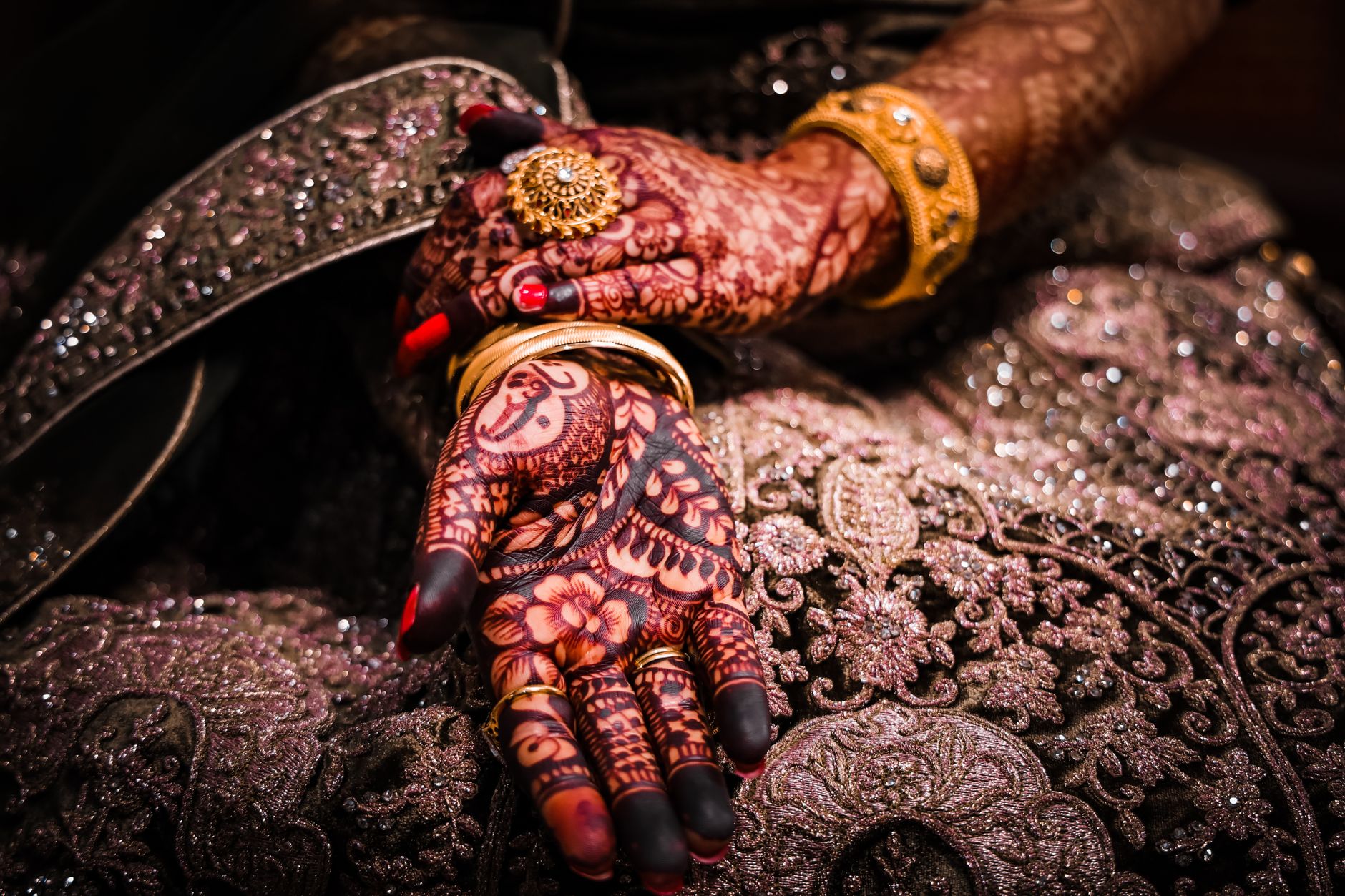
The henna night is the emotional heart of the wedding season, usually held the evening before the main ceremony and often hosted by the bride's family. It is intimate in spirit even when the courtyard is full. The bride, dressed in a rich gown or a red velvet bindallı embroidered with gold thread, is seated at the center while women gather around her, singing türkü (folk songs) that are often achingly sad and beautiful at the same time.
The henna itself — a paste of ground henna leaves — is brought out on a tray, sometimes with a lit candle at its center. A female relative, often the groom's mother or an elder aunt, presses henna into the bride's open palm and then wraps her hand in cloth or a glove. In many traditions the bride's palm stays covered until the wedding, and the deepening color is said to speak of devotion. Guests may have their own fingertips dabbed with henna too, turning the evening into a shared, gently symbolic ritual.
For the groom, there is often a parallel kına gathering, or a moment during the bride's night when a hennaed hand is pressed to his. There is teasing, there are tears, and there is a great deal of laughter breaking through both. The henna night is where a community says out loud what it hopes for a young couple — that they be patient, prosperous and kind to one another.
Travelers sometimes confuse the henna night with a purely decorative photo opportunity. It is far more than that. It is a farewell to girlhood, a blessing, and a quiet negotiation between two families. Watch with warmth, keep phones lowered during the songs, and let the moment belong to the people in it.
Dressing, Gifting and the Small Courtesies That Matter
If you are invited to a wedding or henna night — and invitations can come surprisingly easily, through a hotel owner, a shopkeeper or a neighbor — a little preparation goes a long way. Village celebrations are festive, so dress with care and a touch of celebration, while remaining modest and practical.
- For women: a knee-length or longer dress, or smart trousers with a blouse. Avoid very low necklines, bare shoulders in conservative rural settings, and anything extremely tight. A light shawl is a versatile companion.
- For men: collared shirt and trousers are ideal; a jacket is welcome at evening events but not required. Skip shorts and beachwear.
- Footwear: choose shoes you can remove easily. You may be invited into homes or onto covered terraces where outdoor shoes are left at the door.
- Modesty: in mixed company, keep public displays of affection modest. The celebration is warm, but reserve is part of the etiquette.
Gifts are thoughtful but should never be extravagant enough to create obligation. A box of good chocolates, a plate of pastries from a local shop, a small bouquet, or a pretty kitchen cloth for the bride are all perfectly judged. Cash gifts are traditional in many Turkish weddings, but a visitor's small envelope is best discreetly handed to a family member rather than pressed on the couple. A handwritten card, in Turkish if you can manage it, will likely be kept.
Hospitality here is not a performance for guests. It is how a community reminds itself who it is. Receive it gratefully, and offer your own thanks in kind.
How to Be a Respectful Witness — and a Joyful Participant
The single most important rule is simple: wait to be welcomed. If you hear music spilling from a courtyard, it is fine to linger respectfully at a distance and enjoy the atmosphere. But stepping into a private celebration uninvited, cameras raised, crosses a line. If someone gestures you in — and someone often will — accept with a smile and a "Teşekkür ederim" (thank you).
Once inside, follow your hosts. Join the halay line if you are pulled in; you will be forgiven for any missteps, and the attempt is the point. Clap along to the davul. Accept tea or coffee, and if you are offered food, take some even if you have already eaten. When dancing pauses and toasts are made, stay quiet and attentive.
Photography deserves special care. Ask before filming people, and absolutely avoid photographing the bride's hennaed hand being wrapped or any moment that feels private. Many families are delighted to pose for a photograph with foreign guests, but the request should always come first. If you post images later, tag thoughtfully and never share a location that could compromise a family's privacy.
Language is less of a barrier than you might think. A few phrases — "Maşallah" (an admiring blessing), "Hayırlı olsun" (may it be auspicious), "Çok güzel" (very beautiful) — carry enormous warmth. Small children will probably practice their English on you. Grandmothers will feed you until you surrender.
Celebration Culture Beyond the Wedding Day
Village celebrations are not confined to weddings. The same spirit animates hıdırellez spring festivals, circumcision feasts, harvest gatherings, and the long evenings of Ramadan when streets fill after sunset. Visiting during a religious or seasonal festival multiplies your chances of encountering communal celebration, and our travel guides cover these periods in detail.
If you want to build a trip around authentic cultural encounters, consider slower itineraries that linger in smaller towns and villages rather than racing between highlights. Our itinerary collection and trip planner can help you carve out time for the unplanned — the courtyard you wander into, the tea you are handed, the invitation you never expected.
What visitors take home from a Turkish village wedding is rarely a photograph. It is a feeling: of being fed by people who had no reason to feed you, of dancing badly in a line of strangers who treat you like a cousin, of watching a mother press henna into her daughter's palm and understanding, without translation, exactly what it means. That is the celebration culture of Türkiye — generous, musical, and joyfully open — and it is waiting for those who arrive with respect and leave with gratitude.
Thinking about a trip to Turkey?
Share your contact details and a vetted local expert will follow up with a plan built around you — free, no obligation.