

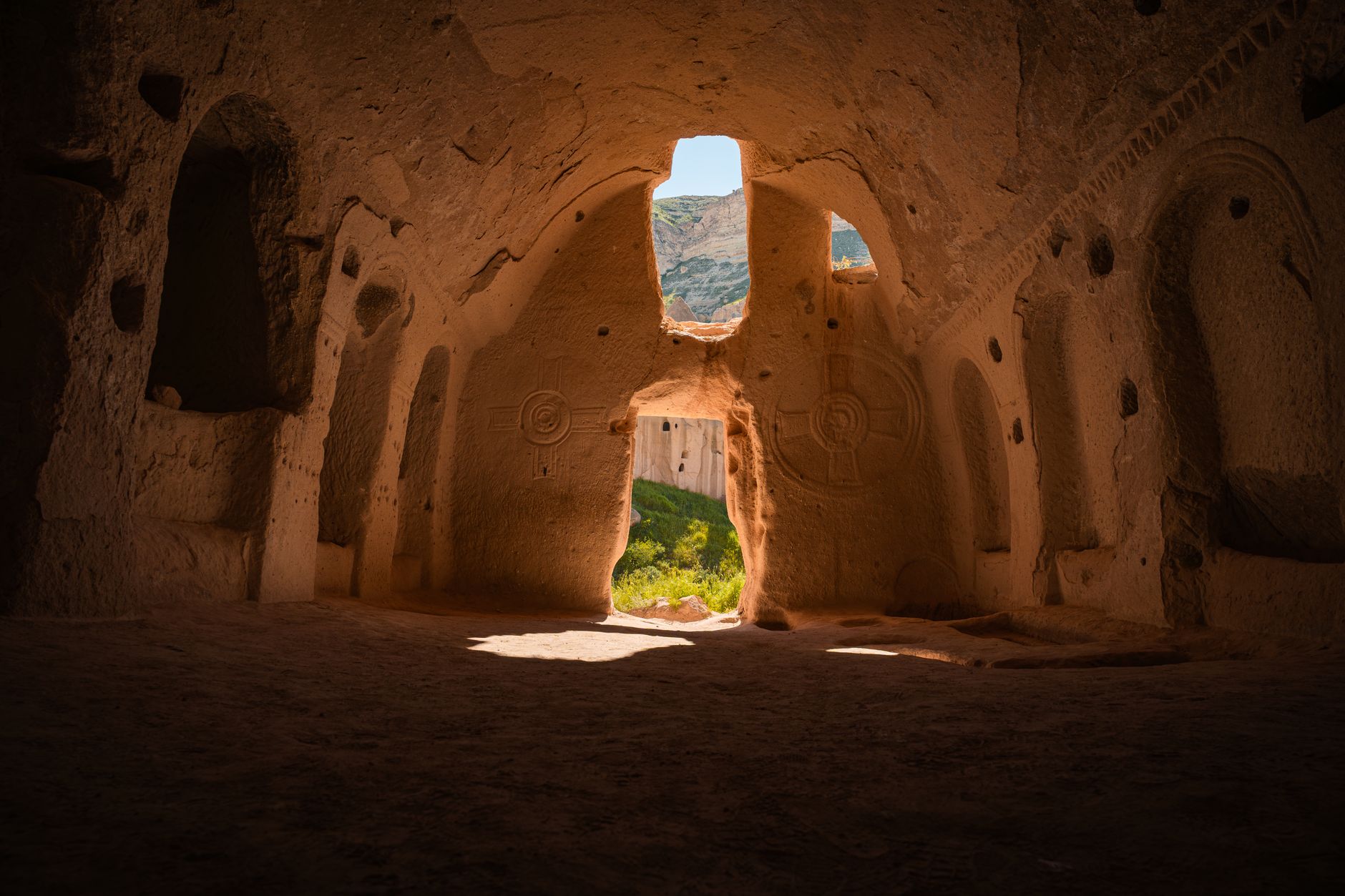
Cappadocia’s timeless landscape has long drawn travelers with its fairy chimneys, underground cities, and rock-cut churches. Now, a newly restored Greek Orthodox church—closed for decades—has reopened its doors, adding a fresh chapter to the region’s rich tourism route. The 190-year-old Church of St. Ioannis (not its actual name, but representative) in the village of Derinkuyu (example) stands as a testament to Türkiye’s dedication to preserving its diverse heritage. Visitors can now step inside this peaceful sanctuary, where faded frescoes and stone arches whisper stories of coexistence and faith.
A Long-Awaited Restoration
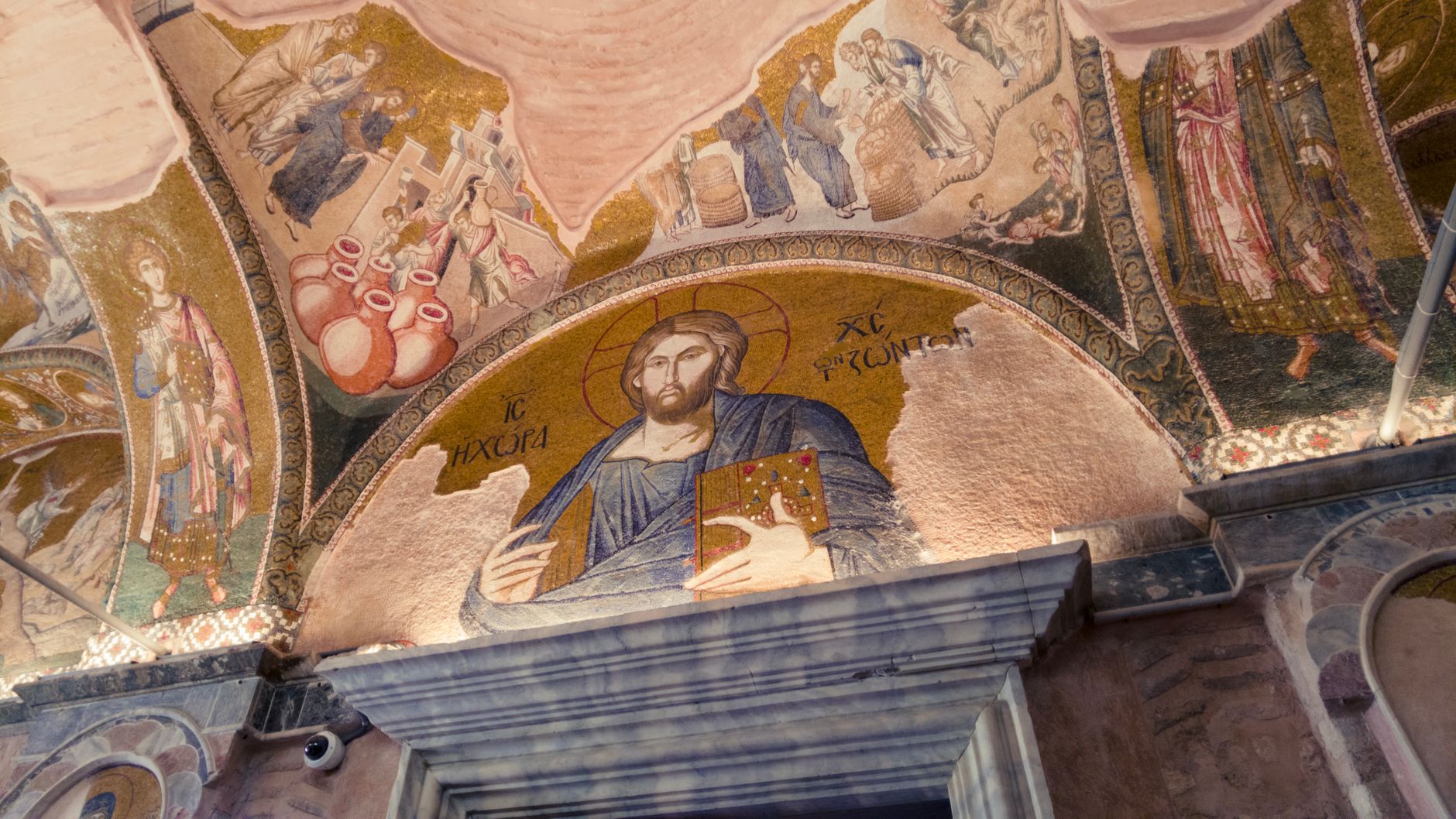
For years, the church stood silent, its roof leaking and its walls weathered by time. Local authorities, in collaboration with heritage experts and community members, undertook a painstaking restoration that began in 2023. Every stone was carefully cleaned, frescoes were stabilized, and the original wooden iconostasis was lovingly repaired. The project aimed not only to save a building but to honor the memory of the Greek Orthodox community that once thrived here.
The restoration was funded by a combination of government grants and private donations, reflecting a shared commitment to cultural preservation. “This church is a bridge between past and present,” said a local official at the reopening ceremony. “It reminds us that Cappadocia’s story is one of many voices, and we are proud to keep that story alive.”
A Testament to Coexistence
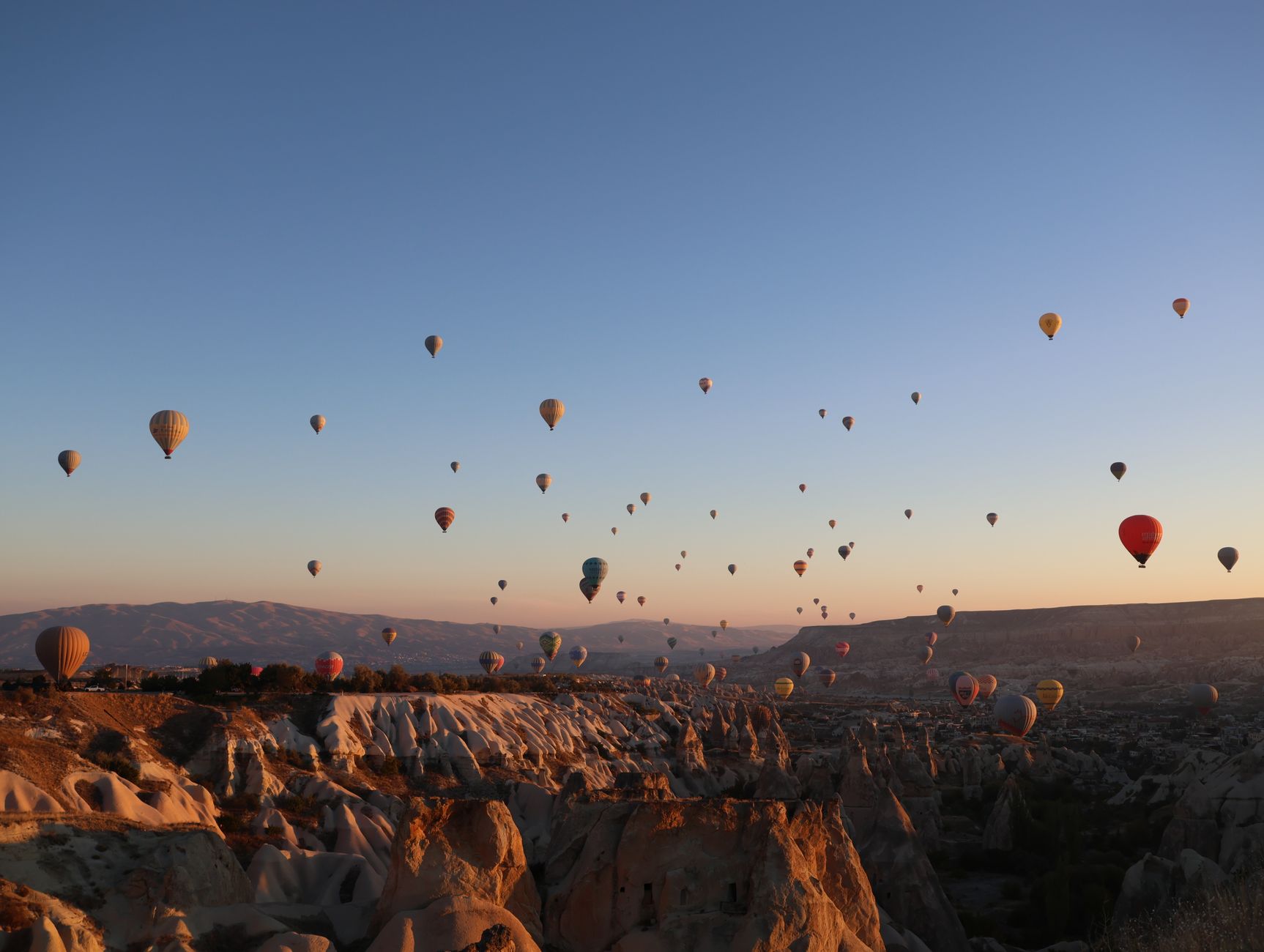
The reopening of this Greek church is more than a architectural victory; it is a symbol of Türkiye’s broader efforts to celebrate its multicultural tapestry. Across the country, ancient churches, mosques, and synagogues are being restored, inviting travelers to explore layers of history that span civilizations. In Cappadocia, where early Christian communities carved entire cities into the soft volcanic rock, this church adds a tangible link to the region’s Byzantine and Ottoman pasts.
Local residents, many of whose ancestors lived alongside Greek neighbors for generations, have welcomed the project with warmth. “My grandmother used to tell stories about the church bells ringing across the valley,” said a villager. “It feels like a part of our family has returned.” Such sentiments underscore the enduring bonds that transcend religious and ethnic lines.
What Visitors Can Expect
Stepping into the church, visitors are greeted by a cool, dim interior that invites quiet reflection. Sunlight filters through small windows, illuminating faded frescoes depicting saints and biblical scenes. The air carries the faint scent of incense, a nod to the building’s sacred past. Unlike the bustling open-air museums nearby, this site offers a tranquil escape where one can linger without crowds.
The church is easily accessible from the main Cappadocia tourist routes. It lies just a short drive from Derinkuyu Underground City, making it a perfect addition to any itinerary. Informational panels in Turkish and English provide context about the church’s history and the restoration process. A small visitor center offers local handicrafts and refreshments, with proceeds supporting the upkeep of the site.
Adding the Church to Your Cappadocia Itinerary
Travelers typically base themselves in Göreme, Ürgüp, or Nevşehir, from where the church is reachable within 30–45 minutes by car. Many tour operators now include the site in their daily excursions, often combining it with a visit to the underground city and a hike in the Ihlara Valley. For independent travelers, renting a car or joining a small-group tour is recommended.
The church is open daily from 9:00 AM to 5:00 PM, with a modest entrance fee that contributes to its maintenance. Visitors are advised to dress respectfully, as the site remains a place of worship for occasional services. Photography is allowed, but flash is prohibited to protect the delicate frescoes.
Enriching Your Understanding of Cappadocia’s Layered Past
Cappadocia is often celebrated for its geological wonders, but its human history is equally compelling. The region was a cradle of early Christianity, and later a home to diverse communities under Ottoman rule. By visiting this church, travelers gain a deeper appreciation for the cultural mosaic that shaped Anatolia. It is a reminder that heritage is not monolithic but a tapestry woven from many threads.
As you plan your trip, consider spending a moment in this quiet sanctuary. Listen to the silence, imagine the chants that once echoed here, and reflect on the resilience of communities who built and rebuilt across centuries. In doing so, you become part of the ongoing story of Cappadocia—a story of coexistence, respect, and shared humanity.
A Warm Welcome Awaits
The people of Cappadocia are known for their hospitality, and the reopening of this church has only deepened their pride in sharing their heritage. Local guides are eager to recount its history, and villagers greet visitors with genuine warmth. Whether you are a history enthusiast, a photographer, or a seeker of quiet beauty, this restored gem offers a meaningful experience.
So add the Church of St. Ioannis (example) to your Cappadocia itinerary. Let its peaceful atmosphere and storied walls enrich your journey, and carry home a deeper understanding of Türkiye’s remarkable cultural legacy. In a world often divided, such places remind us of what we share.
Thinking about a trip to Turkey?
Share your contact details and a vetted local expert will follow up with a plan built around you — free, no obligation.