

Ancient Stones, New Light
Türkiye's heritage landscape has gained a luminous new chapter. A Roman bath complex dating back roughly 2,000 years has opened its doors for evening visits, allowing travellers to wander among ancient columns and plunge pools long after the sun sets. The initiative is part of Türkiye's broader creative heritage programming, which reimagines archaeological sites as immersive after-dark experiences.
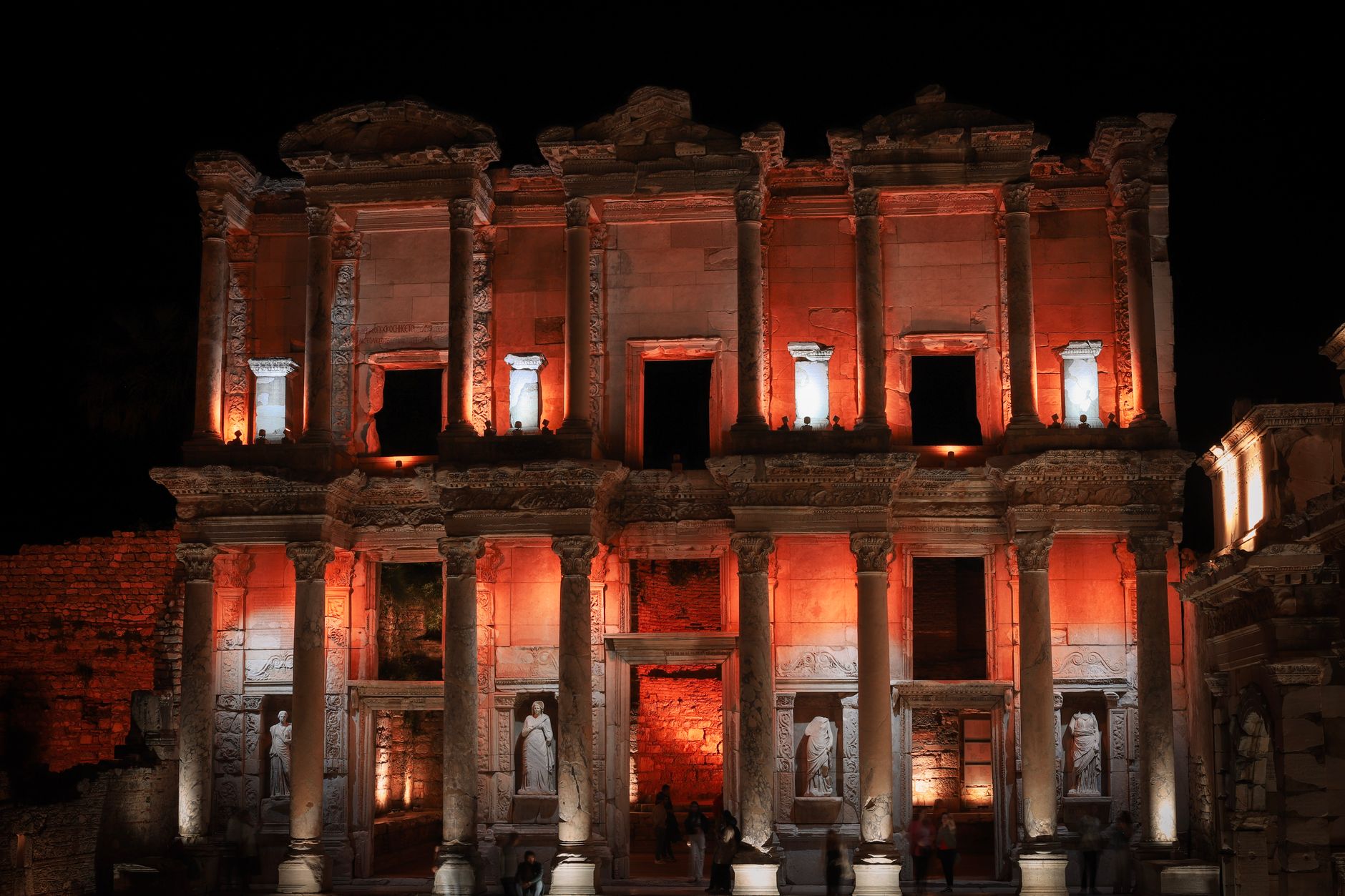
For photographers and families alike, the extended hours offer a rare chance to see Roman engineering in a completely different light — literally. Soft, strategically placed illumination highlights the bath's surviving architecture without overpowering its historic character.
The result is an evening that feels both timeless and freshly magical, where the whisper of ancient history meets the quiet glow of modern lighting design.
A Bathhouse of the Roman Empire
Roman baths were more than places to wash. They were social hubs, health centres, and architectural showpieces. The complex now open for evening visits — dating to around the 2nd century AD — features the classic sequence of Roman bathing: the frigidarium (cold room), tepidarium (warm room), and caldarium (hot room), along with remnants of underfloor heating systems that once kept bathers comfortable.
Visitors can trace the outlines of pools, mosaic fragments, and column bases that hint at the building's former grandeur. Interpretive panels and subtle audio guides help contextualise what you're seeing, making the site accessible to both history buffs and curious newcomers.
What makes the evening visit special is the atmosphere: as daylight fades, the stonework takes on a warm, honeyed tone, and the site's acoustics carry the sounds of footsteps and murmurs just as they might have done two millennia ago.
Lighting That Tells a Story
The lighting design is deliberate and gentle. Rather than flood the ruins with harsh spotlights, the installation uses low-level, warm-toned fixtures to accentuate textures, shadows, and architectural lines. Pathways are discreetly lit for safety, while key features — such as the central pool area and remaining columns — receive focused illumination that invites photography.
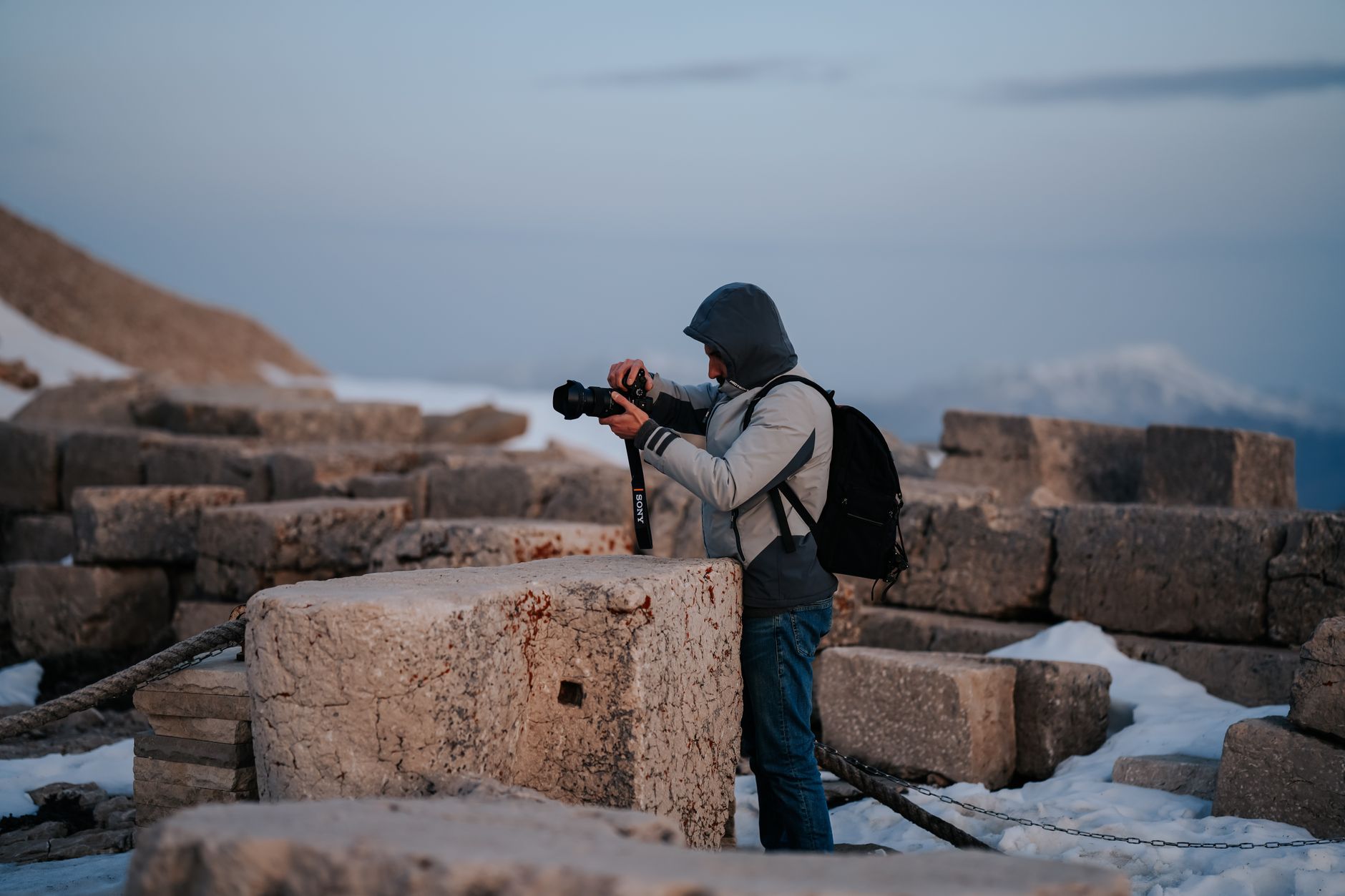
For photographers, this means no need for a flash. The balanced lighting allows for handheld shots at dusk, and the contrast between illuminated stone and deep blue evening sky creates striking compositions. Tripods are permitted in designated areas, though visitors should check on-site signage.
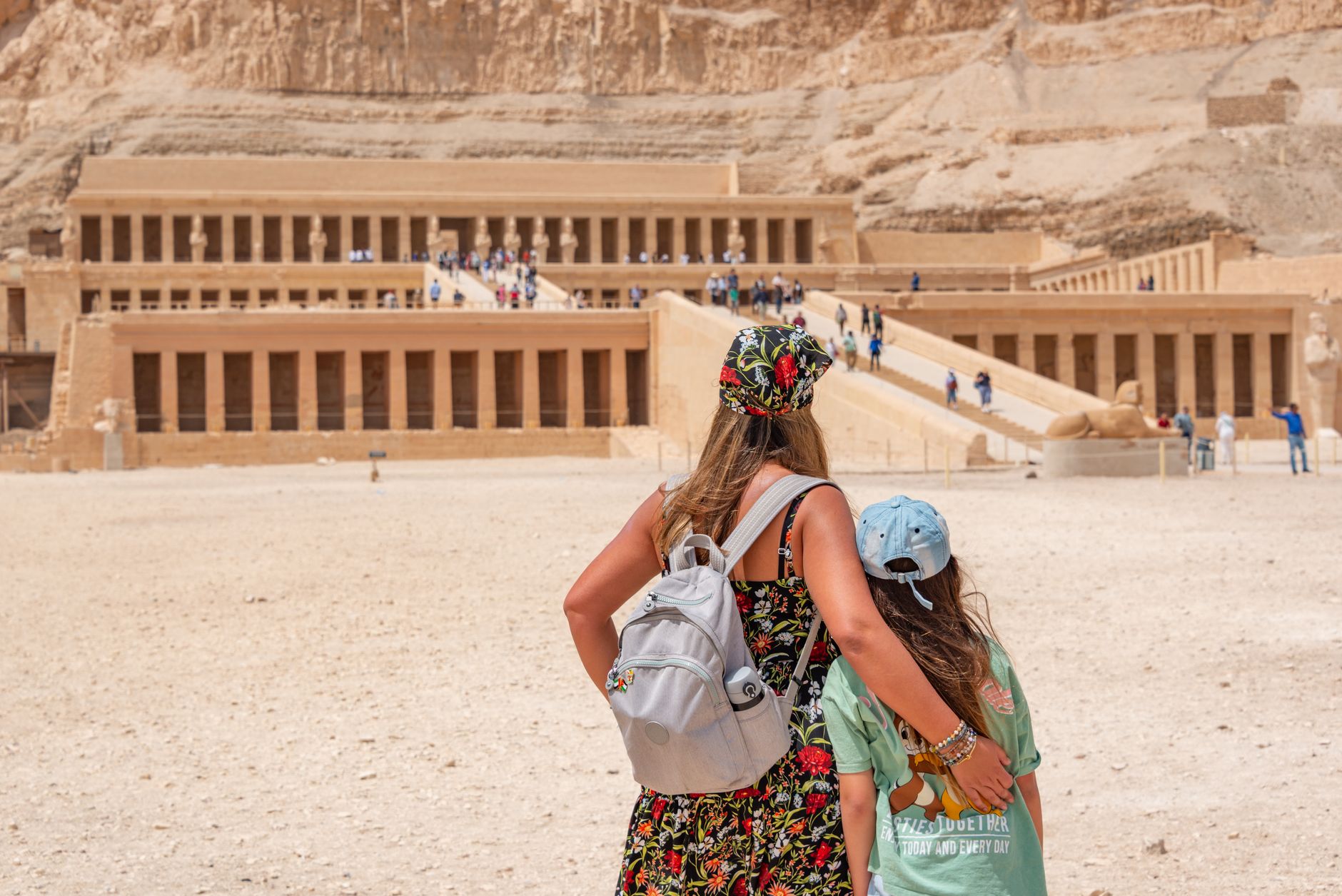
Families will appreciate that the lighting is soft enough not to be harsh on young eyes, and the route is stroller-friendly in most sections. The atmosphere is calm rather than spooky, making it suitable for children who might be fascinated by the idea of ancient Romans splashing where they now stand.
Extended Hours and Practical Access
Evening visits typically run from early evening until around 9:00 or 10:00 pm, depending on the season. Last entry is usually one hour before closing, giving ample time to explore without feeling rushed. Tickets are available at the gate and often online, with combined day-and-evening passes offered at some sites.
The site is well-connected by public transport and taxi, and parking is available nearby. For those arriving from central city hubs, the journey is straightforward, and the evening opening means you can pair a daytime museum visit with an after-dark bath experience.
Accessibility has been considered: level pathways, handrails, and seating areas are provided. Visitors with mobility aids can navigate the main route, though some uneven ancient surfaces remain. Staff are on hand to assist and answer questions.
Part of Türkiye's Creative Heritage Vision
This initiative aligns with Türkiye's growing commitment to making its vast archaeological heritage accessible and engaging. By extending hours and investing in thoughtful lighting, the country invites visitors to experience ancient sites beyond the traditional daytime window.
Similar evening programmes have been piloted at other locations, but the Roman bath stands out for its intimate scale and the way light transforms the ruins. It's a model that balances conservation with visitor experience — the lighting is reversible and does not damage the ancient fabric.
For travellers, it's a reminder that Türkiye's history is not confined to museums or daylight. After dark, the past feels closer, more vivid, and undeniably magical.
Plan Your Evening Visit
To make the most of your evening at the Roman bath, arrive about 30 minutes before sunset. This allows you to see the site in twilight and then under full illumination, capturing the transition in photographs. Comfortable shoes are a must, as the ground is uneven in places.
Check the official website or local tourist office for exact opening times, as they may vary by season and special events. Some evenings feature live music or guided torchlit tours — worth inquiring about when you book.
Whether you're a photographer chasing golden-hour glow, a family seeking a memorable evening outing, or a history lover wanting to walk where Romans once bathed, this after-dark experience offers a fresh and enchanting perspective on Türkiye's ancient heritage.
Thinking about a trip to Turkey?
Share your contact details and a vetted local expert will follow up with a plan built around you — free, no obligation.