

A Neolithic Marvel Unearthed
In the rolling landscapes of southeastern Türkiye, archaeologists have uncovered an 8,800-year-old mining workshop that is rewriting the story of early human ingenuity. This ancient site reveals that Neolithic communities were not just farmers but also skilled miners and craftspeople, extracting and processing raw materials with surprising sophistication.
The workshop, complete with stone tools and extraction pits, offers a rare glimpse into the daily lives of people who lived millennia before the pyramids. It stands as a testament to Anatolia's role as a cradle of innovation, where some of humanity's earliest technological leaps took place.
Anatolia: A Cradle of Innovation
Anatolia has long been celebrated as a crossroads of civilizations, but this discovery underscores its deeper legacy as a birthplace of human creativity. The mining workshop predates many famous ancient sites, showing that the region's inhabitants were pioneering new ways to harness the earth's resources.
From the earliest stone tools to complex metallurgy, southeastern Türkiye has yielded a continuous record of human advancement. This latest find adds a vital chapter, proving that the roots of engineering and resource management run deep in this land.
Exploring the Region: A Deep-Time Heritage Trip
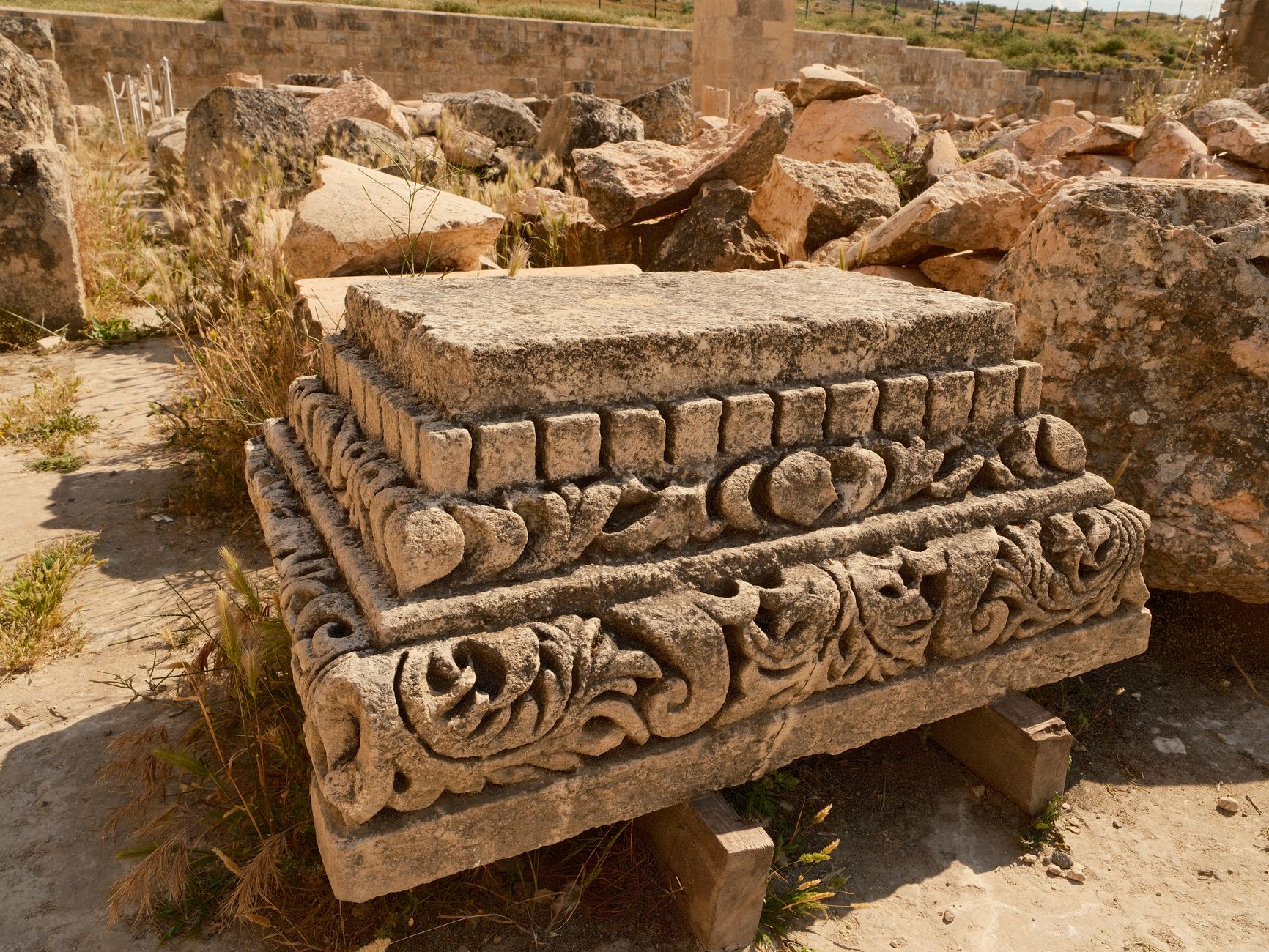
For curious travelers, this discovery is a gateway to an unforgettable journey through time. Start your adventure in the nearby city of Şanlıurfa, often called the "City of Prophets," which serves as a perfect base for exploring the region's ancient wonders.
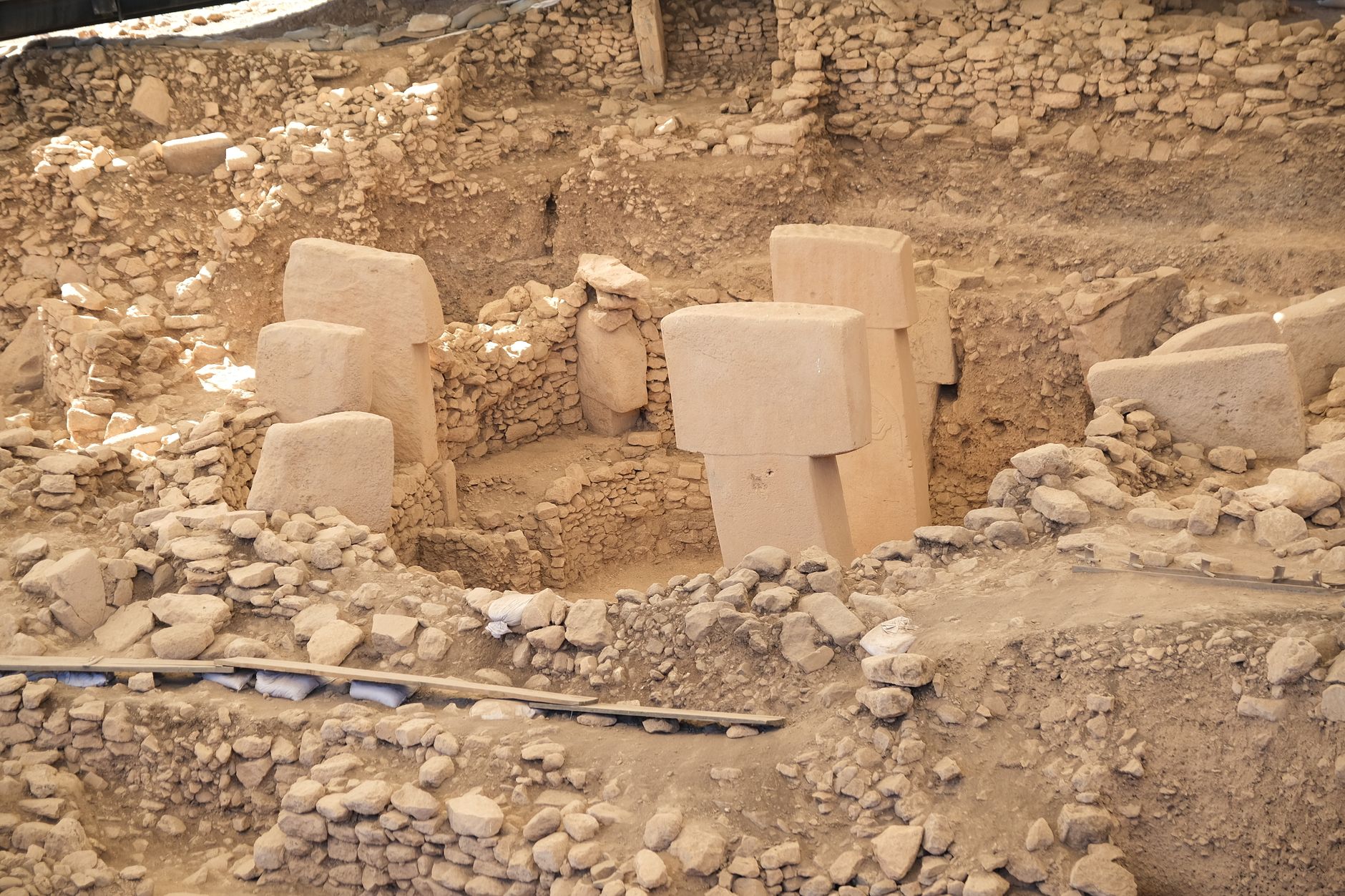
Just a short drive away lies Göbekli Tepe, the world's oldest known temple complex, which dates back over 11,000 years. Pairing the mining workshop with Göbekli Tepe offers a profound perspective on how human society evolved from hunter-gatherers to settled innovators.
Don't miss the Şanlıurfa Archaeology Museum, home to a stunning collection of artifacts from these ancient sites. The museum's immersive exhibits bring the Neolithic world to life, making it an ideal complement to your field explorations.
Nearby Sites and Museums to Pair with Your Visit
To deepen your understanding, venture to Karahan Tepe, another Neolithic site that has recently captured global attention. Its remarkable structures and carvings suggest a complex ritual landscape that flourished alongside the mining workshop.
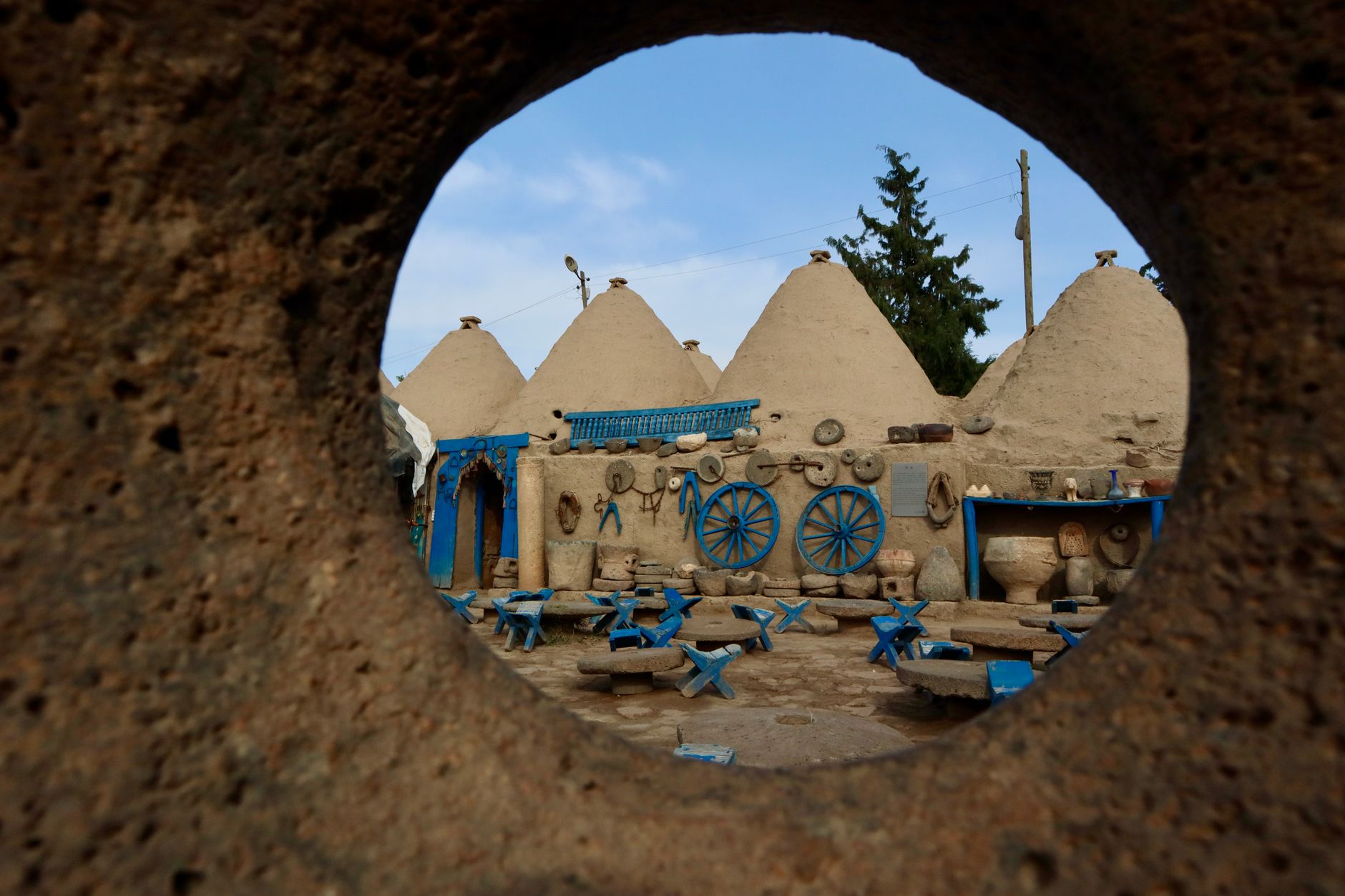
For a broader perspective, head to the ancient city of Harran, with its distinctive beehive houses and rich history spanning thousands of years. The contrast between Neolithic innovation and later civilizations highlights the region's enduring significance.
Finally, make time for the Mosaic Museum in nearby Gaziantep, where stunning Roman mosaics showcase the artistic achievements of later eras. Together, these sites weave a tapestry of human achievement that spans millennia.
Planning Your Journey
The best time to visit southeastern Türkiye is during the spring (April to May) or autumn (September to October), when the weather is mild and ideal for exploring archaeological sites. Many tours now include the mining workshop as part of their itineraries, so check with local operators for specialized deep-time heritage trips.
Transportation within the region is convenient, with domestic flights to Şanlıurfa and Gaziantep, followed by car rentals or guided tours. Allow at least three to four days to fully appreciate the area's archaeological treasures.
As you stand amid these ancient ruins, you'll feel a profound connection to the innovators who shaped our world. Türkiye's 8,800-year-old mining workshop is not just a scientific breakthrough—it's an invitation to witness the dawn of human ingenuity.
Thinking about a trip to Turkey?
Share your contact details and a vetted local expert will follow up with a plan built around you — free, no obligation.