

Good News for Guests: Türkiye Streamlines Accommodation Permits
Türkiye has taken another step to make booking a stay easier and safer for visitors. Under the country's accommodation permit framework, properties listed on major platforms such as Booking.com, Expedia and Airbnb must hold a valid permit issued by the Ministry of Culture and Tourism. The system has been refined to be clearer and more consistent, which is good news for travelers: it means the places you see online are increasingly licensed, inspected and accountable.
For guests, the value is simple. A permit is not just paperwork — it signals that a property has met registration requirements and is part of a system designed to protect visitors. That translates into fewer surprises on arrival, from unexpected locations to unclear cancellation terms.
Türkiye's approach is part of a broader effort to balance a booming short-term rental market with quality and safety. Rather than restricting choice, the framework aims to make the choices clearer, so travelers can book with confidence.
What the Permit Framework Means in Practice
At its core, the framework requires accommodation providers to obtain a permit before listing on digital platforms. This applies to hotels, boutique stays, guesthouses and short-term rentals. Platforms operating in Türkiye are expected to display permit information or verify it as part of their listing process.
For travelers, this creates a more transparent booking environment. Listings that show a permit number or a verified badge have gone through a registration step. It does not replace your own due diligence, but it gives you a reliable starting point.
The system also encourages consistency across platforms. Whether you book through Booking.com, Expedia or Airbnb, the underlying requirement is the same: the property should be registered. That consistency reduces the chances of encountering an unlicensed rental that may not meet basic safety or service standards.
Why This Is Good News for Travelers
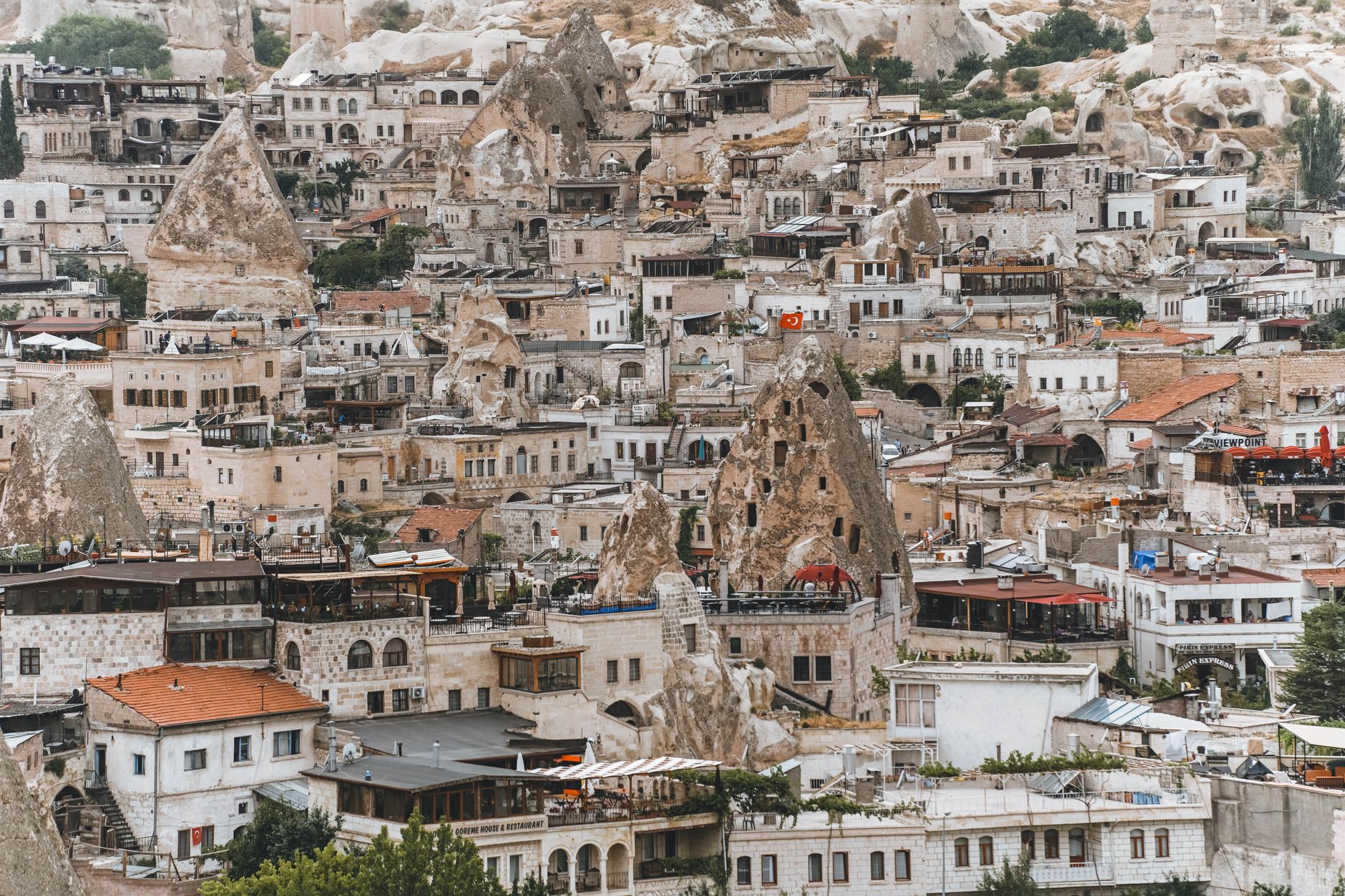
First, licensed stays are inspected stays. Permitted properties are subject to checks that cover basic health, safety and fire regulations. That matters whether you are staying in a large Istanbul hotel or a family-run guesthouse in Cappadocia.
Second, listings are clearer. When a property is registered, its details — address, capacity, contact information — are more likely to be accurate. This reduces the risk of arriving at a different location than expected or finding that the apartment does not match the photos.
Third, there is a clearer path to recourse. If something goes wrong, a licensed property has a formal registration that can be referenced. That is a meaningful layer of protection, especially for first-time visitors to Türkiye.
Travelers benefit when the market is transparent: licensed, inspected stays and clearer listings mean fewer surprises on arrival.
How to Check Licensing Before You Book
Checking a property's permit status is straightforward. Start by looking at the listing itself: many platforms now include a permit or registration field, often displayed near the property details or in the host profile. If you do not see it, do not hesitate to ask the host or hotel directly for their permit number.
You can also cross-check with official sources. The Ministry of Culture and Tourism provides information on licensed accommodation, and reputable platforms are increasingly integrating verification steps. If a listing claims to be a hotel but has no permit, treat that as a red flag.
Finally, read recent guest reviews with an eye for consistency. Reviews that mention accurate addresses, smooth check-in and professional service are good indicators. If multiple reviews mention last-minute changes or unclear locations, look elsewhere.
Tips for Choosing Registered Boutique Hotels and Guesthouses
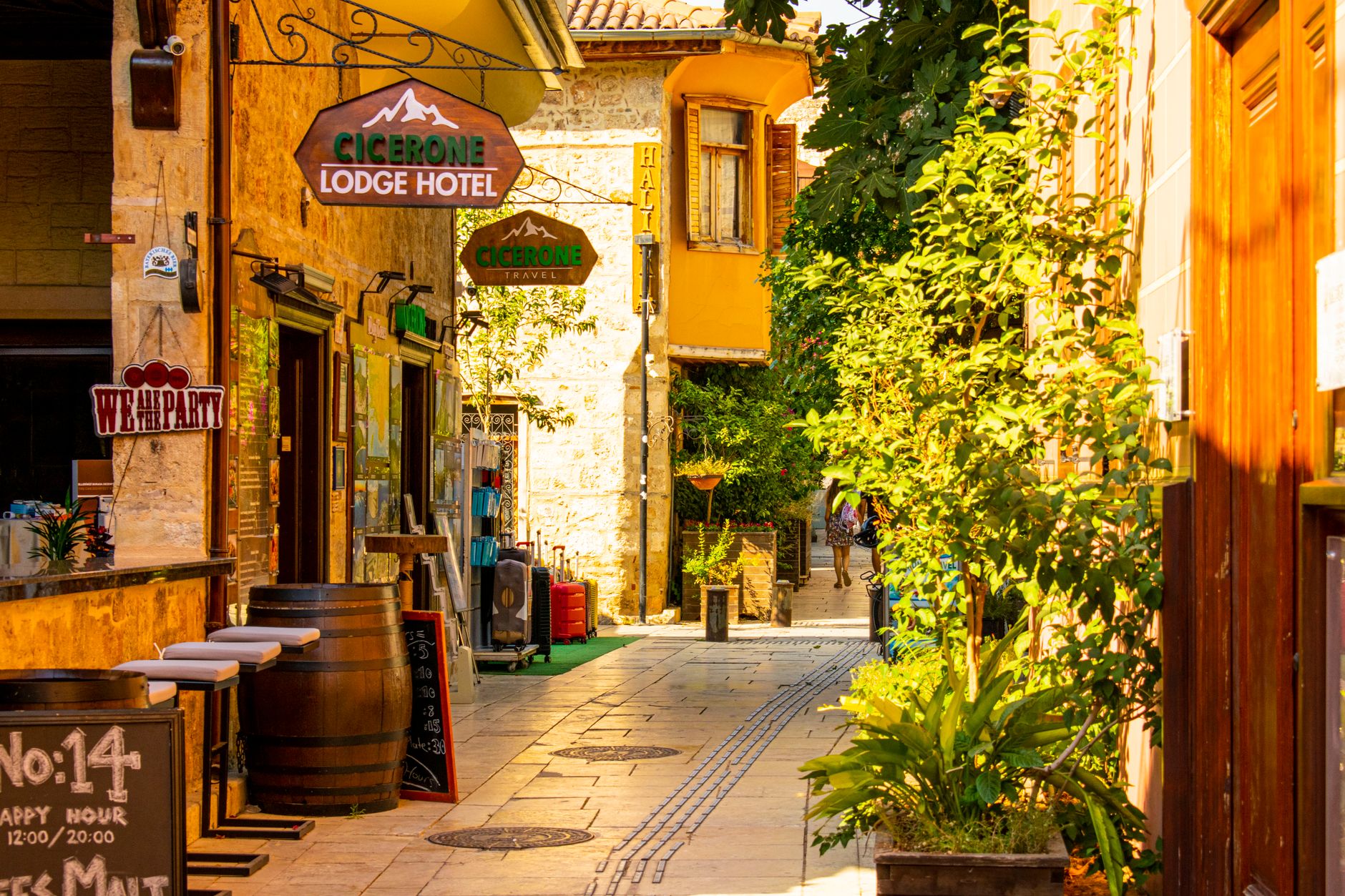
Türkiye is famous for its boutique hotels and guesthouses, from restored Ottoman mansions in Antalya's old town to cave stays in Göreme. To enjoy them with peace of mind, prioritize properties that clearly display their permit or registration.
- Look for the permit badge on the listing page and confirm it matches the property name and address.
- Book directly when possible — many registered boutique hotels offer their best rates and clearest terms on their own websites.
- Ask about inspections: a licensed property should be able to confirm it meets local safety requirements.
- Check the location on a map before booking, especially for guesthouses in historic districts with narrow streets.
- Prefer listings with recent, detailed reviews that mention the actual stay experience, not just the destination.
These simple steps help you support quality operators and enjoy a smoother trip.
A Positive Step for Türkiye's Visitor Economy
Türkiye welcomes millions of visitors each year, and the accommodation sector is a vital part of that experience. By streamlining permit rules for major platforms, the country is signaling that visitor safety and quality are priorities — not afterthoughts.
For travelers, the message is encouraging: the stays you book are increasingly part of a regulated, inspected system. That means more confidence when you click "reserve" and fewer worries when you arrive.
As the framework continues to mature, guests can expect even clearer listings and more consistent standards. For now, the advice is simple: check for the permit, choose registered stays, and enjoy all that Türkiye has to offer with greater peace of mind.
Thinking about a trip to Turkey?
Share your contact details and a vetted local expert will follow up with a plan built around you — free, no obligation.