

Why the Aegean Quiet Season Is the Authentic Season
By mid-October, the Aegean coast of Türkiye settles into a gentler rhythm. The ferries still run, the sea remains swimmable into November in many bays, and the olive harvest begins to scent the air. What disappears is the congestion: beach clubs pack away their loungers, and village squares return to the locals who live there year-round.
For travellers who value authenticity over peak-season convenience, this is the reward. Markets brim with new olive oil, chestnuts and late figs. Teahouses stay open late, and conversation replaces queues. The welcome is not performative — it is the everyday hospitality of people who finally have time to sit with you.
The slow season is not about doing less. It is about doing things at the pace of the place itself, whether that means a long breakfast under a grapevine or an afternoon walk between stone houses and ancient terraces.
Olive Groves and the Rhythm of the Harvest
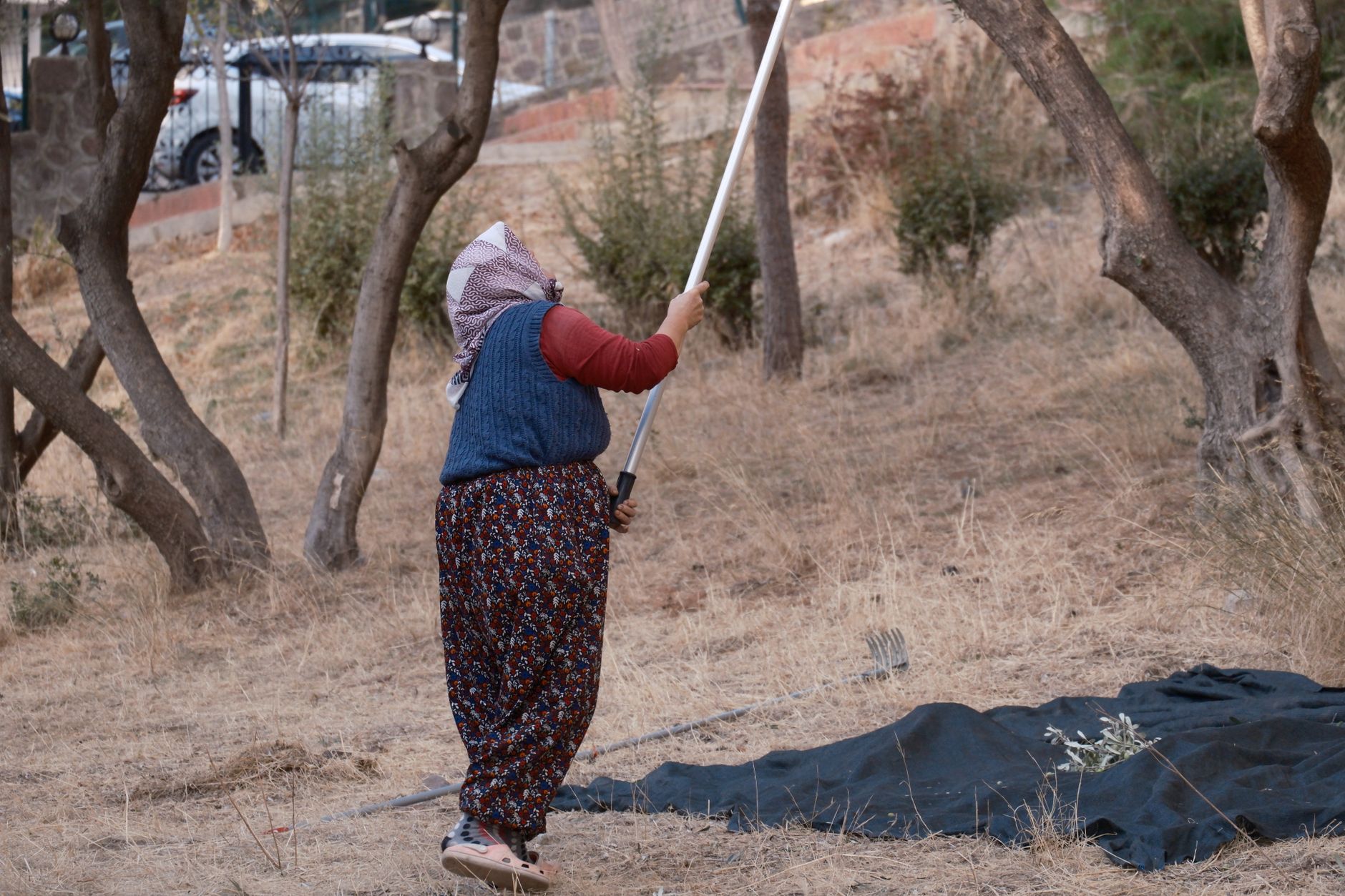
From October through December, the Aegean's olive groves become the region's working heart. Families head out early with nets and ladders, and many small producers welcome curious visitors to watch — sometimes to help — during the harvest. The experience is not staged; it is a genuine agricultural season that has shaped village life for centuries.
Villages across the provinces of İzmir, Aydın, Muğla and Balıkesir all participate in different ways. Some press their oil cooperatively, others mill on-site. What unites them is a pride in the first cold-press of the year, often shared over bread and strong tea.
Travellers who stay longer than a weekend are more likely to be invited to these informal gatherings. A week in one village often yields more meaningful encounters than a month of moving every night.
Where Visitors Are Welcomed Like Neighbours
Aegean hospitality has a distinct character: warm but unsentimental. Guests are greeted with tea, asked where they are from, and then left to their own pace. In smaller villages, the same faces appear at the bakery, the fountain and the evening promenade, and within days a visitor is no longer a stranger.
This welcome extends beyond guesthouses. Local cooperatives, women's associations and village councils often organise seasonal events — olive festivals, cooking days, walking routes — that visitors can join. These are not tourist productions but community occasions with an open door.
The result is a form of travel that feels less like consumption and more like participation. For many visitors, it is the memory of a shared meal or a guided walk to a forgotten ruin that lingers longest.
Guesthouses and the Value of Staying Longer
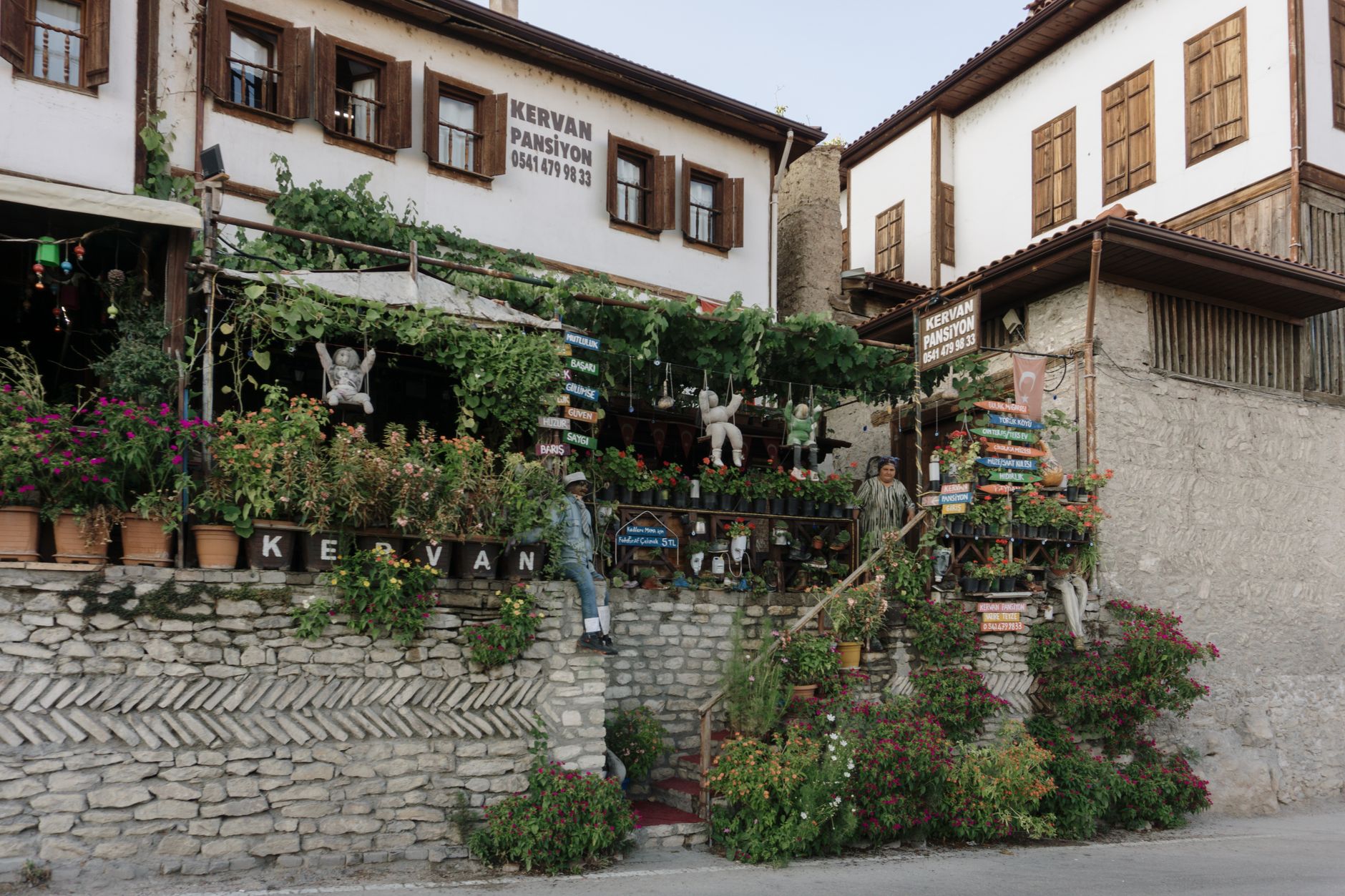
Accommodation in the slow season is overwhelmingly small-scale: family-run guesthouses, restored stone houses and simple village pensions. Rooms are often limited, so booking directly by phone or email — rather than through large platforms — is both practical and appreciated.
Longer stays unlock better value. Many guesthouses offer reduced weekly rates, and some include breakfasts of village cheese, olives, tomatoes and home-made preserves. Off-season, there is also more flexibility: a room with a view may be available for the same price as a standard one in August.
Staying put also reduces the carbon footprint of a trip and supports local economies more evenly across the year. It is a practical choice as much as a philosophical one, and it aligns with the growing interest in slower, more responsible travel.
Getting Around the Aegean in the Quiet Months
Transport in the slow season requires a little more planning but remains straightforward. Intercity buses continue to serve coastal towns and village hubs, though some summer-only dolmuş routes are reduced. Renting a car for part of a trip offers the most flexibility for reaching smaller villages and olive-growing areas.
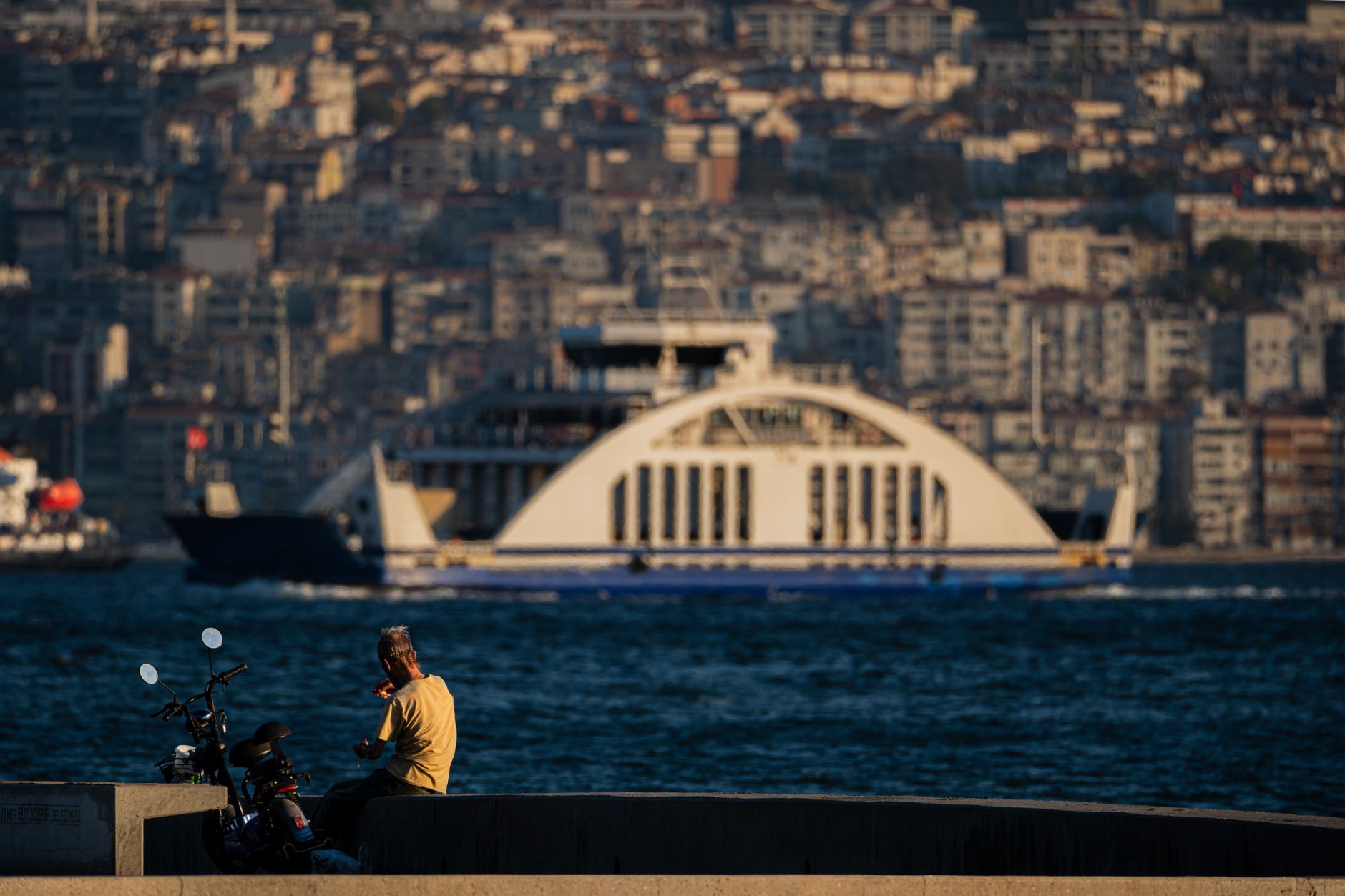
Ferries between coastal points still operate on winter timetables, and regional trains connect several inland Aegean towns. For those relying on public transport, it is wise to check schedules the day before travel, as frequencies drop after October.
Distances between villages are often short but hilly; a mix of walking, local buses and occasional taxis works well. Renting a car for a few days can be enough to explore a cluster of villages without committing to driving every day.
Practical Notes for a Slow-Season Aegean Trip
Pack for contrast: warm days, cool evenings and the chance of rain from November onward. Comfortable walking shoes matter more than beach gear. Many village restaurants close for a few weeks after summer, so a little flexibility at mealtimes helps.
Cash remains useful in smaller settlements, though card acceptance has grown. Learning a few words of Turkish — greetings, thanks, numbers — is warmly received and often opens doors.
For those planning a longer itinerary, the shoulder months pair well with inland routes and city stays. More guidance on timing and routes is available on our best time to visit and route ideas pages, while tailored help can be found through our local experts and trip planner.
"In October, the village belongs to those who stay," one guesthouse owner on the Aegean coast says. "We have time to talk again."
That is the quiet promise of the Aegean off-season: fewer people, deeper encounters and doors that open warmly to those willing to slow down.
Thinking about a trip to Turkey?
Share your contact details and a vetted local expert will follow up with a plan built around you — free, no obligation.