

Ask anyone to picture Türkiye's cave dwellings and you will almost certainly get the same postcard: hot-air balloons drifting over the fairy chimneys of Cappadocia. And fair enough — it is one of the world's great landscapes. But travel a few hours in almost any direction and you will find a quieter, more intimate story. Across Anatolia, from the cliffs above the Black Sea to the melon fields of the southeast, families have carved homes, barns, chapels and dovecotes directly into the soft rock for millennia. Many of these places are still lived in, still farmed, and still almost entirely free of tour buses.
These lesser-known rock-cut settlements are where you feel the pulse of Türkiye's living heritage most clearly. A cave is not a museum piece here; it is a cool storeroom in August, a warm stable in January, a grandmother's kitchen. This guide introduces a handful of these hidden corners, explains how to visit them with a local guide, and offers practical etiquette so your visit gives more than it takes.
Why Look Beyond Cappadocia at All?
Cappadocia is spectacular, but its fame has a cost: crowded viewpoints, packaged tours, and prices that have drifted far from the rest of rural Anatolia. The alternative cave villages reward a different kind of traveler — one who prefers a shared glass of tea to a queue for a photo. Here you can often be the only visitor in the valley, and the people you meet are genuinely surprised and pleased that you came.
The geology helps. Much of Anatolia sits on soft volcanic tuff, limestone or sandstone that is easy to carve with simple iron tools and hardens on contact with air. That is why cave architecture appears in so many unconnected regions — it was simply the most sensible way to build. What differs is the culture layered on top: Greek Orthodox chapels in one valley, Kurdish herding families in another, Laz farming households in a third.
Visiting these places also spreads tourism income into villages that rarely see it. A night in a family guesthouse, a lunch cooked at home, a purchase of honey or walnuts — small sums that matter enormously. If you want your trip to leave a positive trace, this is one of the best ways to do it.
Soğanlı Valley: Cappadocia's Quiet Cousin
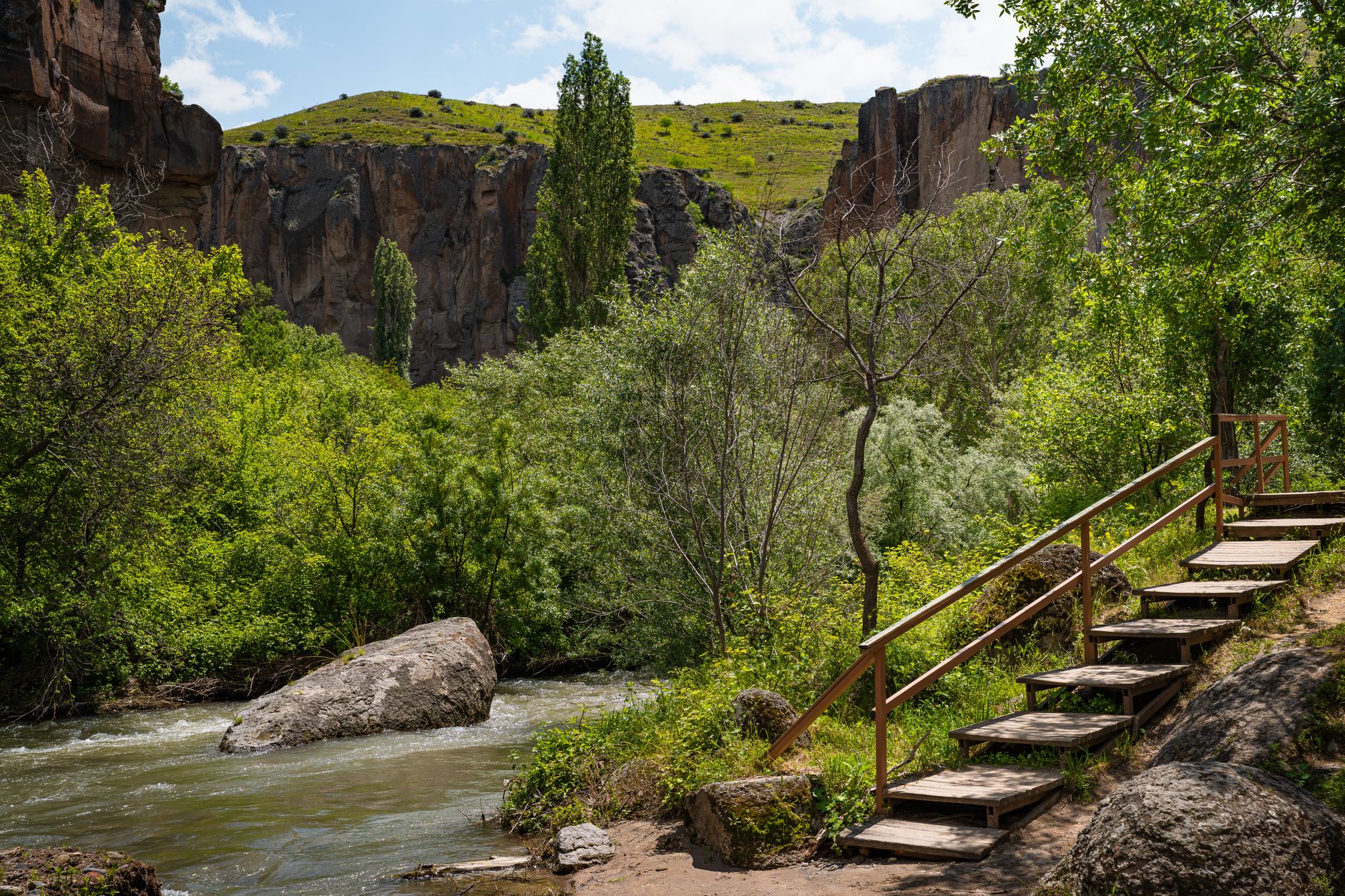
Barely an hour south of the busy Cappadocian towns, Soğanlı Valley feels like a different world. The same cone-shaped rock formations rise above orchards, but here they shelter dozens of rock-cut churches with faded frescoes, some dating to the ninth and tenth centuries, and a handful of cave homes that villagers used within living memory.
The pleasure of Soğanlı is walking. Trails wind between the clusters of dwellings, past a small waterfall and poplar-lined lanes, and you can easily spend a half day exploring without meeting another traveler. Local women sell handmade dolls and lace at the valley entrance — a fair price here goes directly to the household.
Because the churches are scattered and some are locked, a local guide is genuinely useful. Ask at a village guesthouse or arrange one through a reputable operator before you arrive. Guides also know which frescoes are fragile and where to keep your distance, which protects the art for the next visitor.
Selime and the Peristrema Valley: A Rock-Cut Village You Can Roam
Farther west, near the edge of Cappadocia toward Aksaray, the rock-cut settlement of Selime rises like a carved fortress above the valley floor. Its multi-storey facades, kitchens, stables and a small church are open to wander, and the scale is astonishing — you can climb through rooms that once housed an entire community.
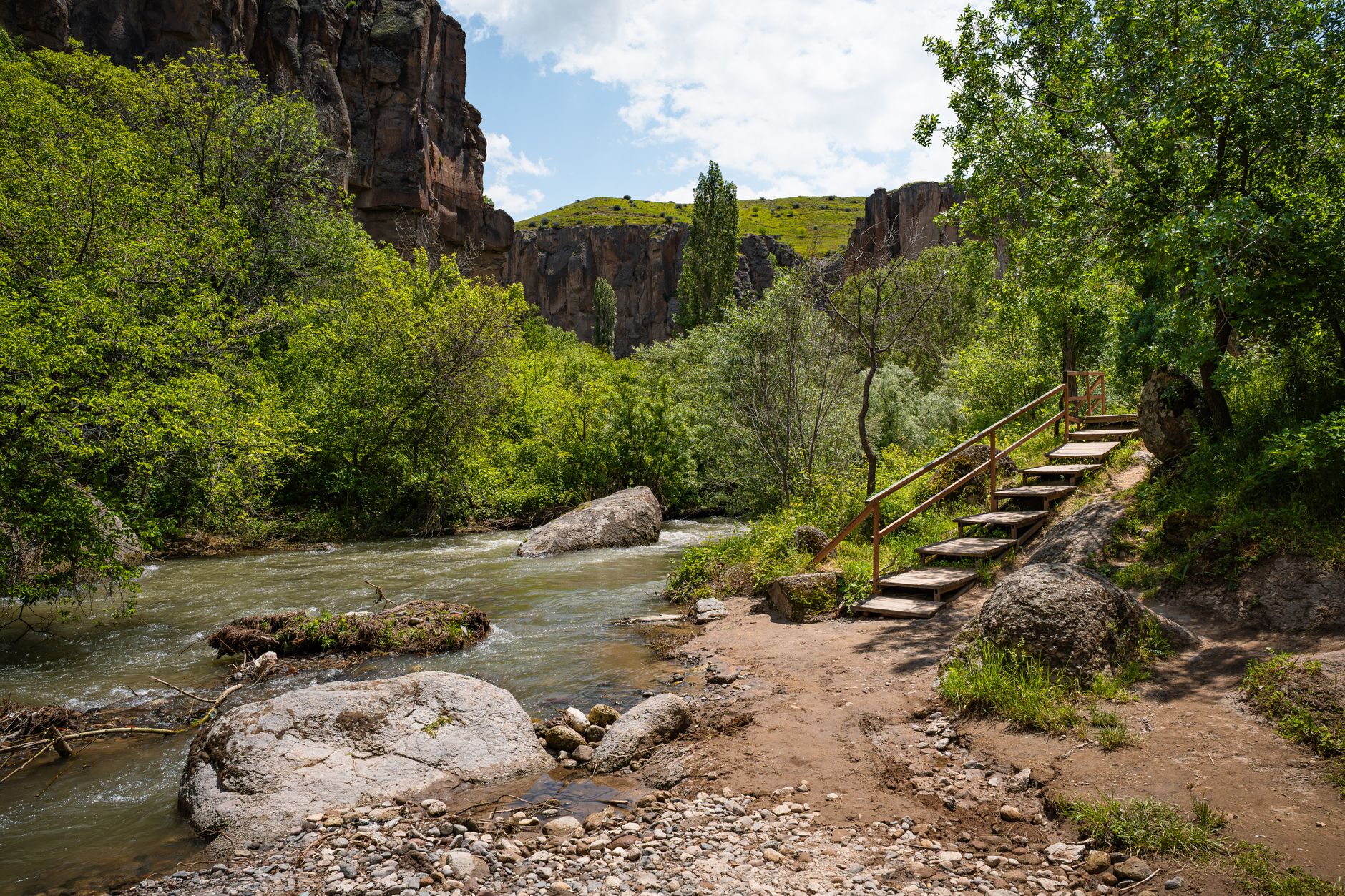
Nearby, the Peristrema (Ihlara) Valley offers a greener, more canyon-like experience, with a river, walnut trees and dozens of painted churches tucked into the cliffs. Walking the full valley takes a few hours and is best started early. Families in the villages along the rim still farm the valley floor and graze animals, so expect to share the path with sheep as well as hikers.
This area is a superb introduction if you want cave architecture without the crowds but still appreciate decent infrastructure. Combine a morning walk in the valley with an afternoon exploring Selime, then stay overnight in a village pension rather than rushing back to the city.
Hidden Cave Homes of the Black Sea and Eastern Anatolia
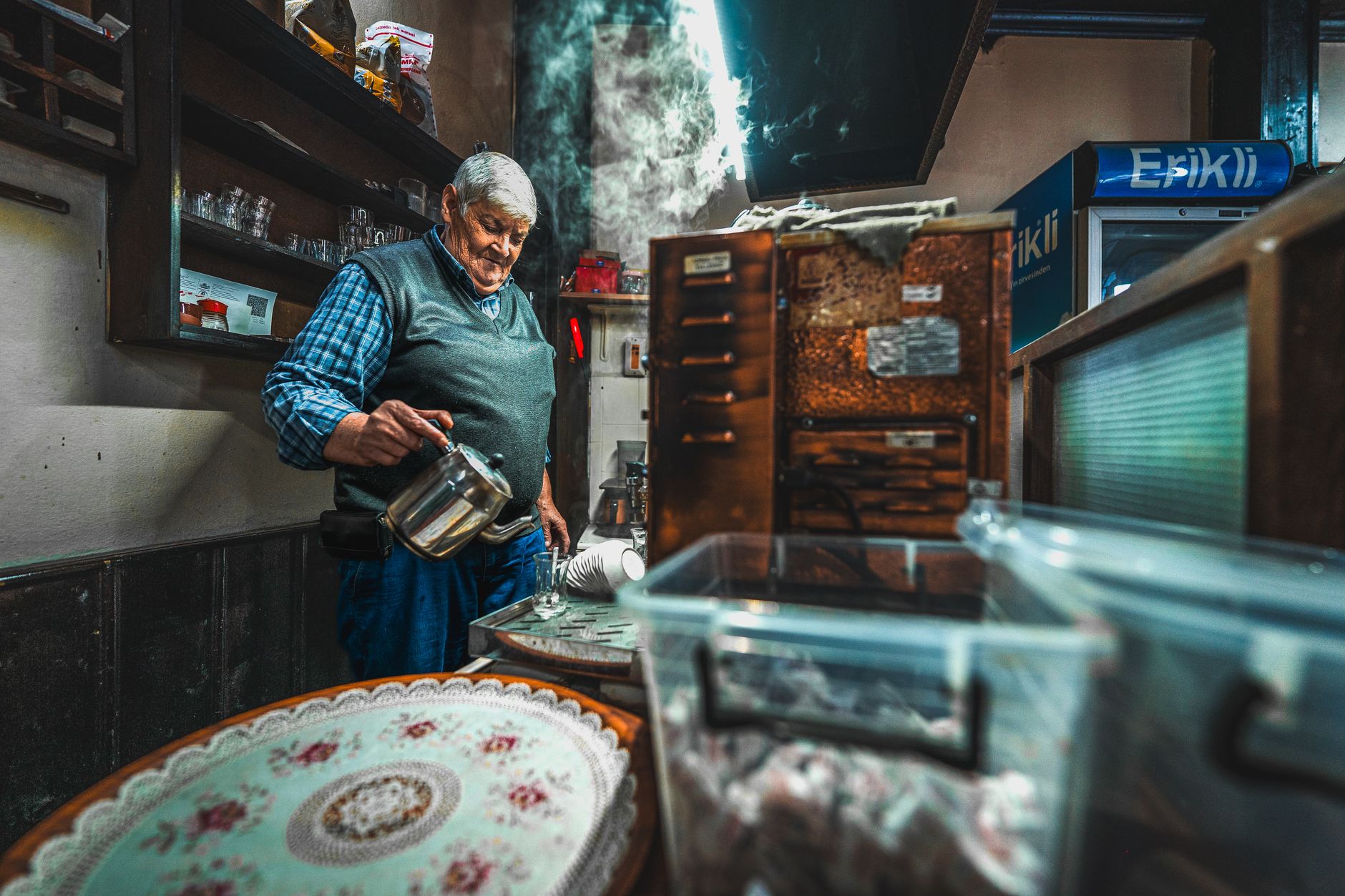
Head north toward the Black Sea and the landscape changes completely — lush, damp and green. In the valleys behind Trabzon and Rize, you will find rock-cut cellars, storage rooms and even entire hermitages carved into cliff faces, often associated with Byzantine monastic life. These are rarely signposted and almost never ticketed; finding them is part of the adventure.
Farther east and south, in the rugged country toward Erzurum and beyond, cave rooms were traditionally used as winter shelters for animals and stores. Some villages still maintain them, and farmers will happily explain how the constant temperature kept cheese, butter and fruit fresh through the harsh Anatolian winter.
These regions demand more planning: roads are slower, English is rarer, and public transport is limited. The reward is authenticity. If you are building a longer route, our suggested routes and itineraries can help you connect these corners without excessive backtracking, and our seasonal guide explains why late spring and early autumn are ideal for village stays.
The Warm Hospitality of Nearby Villages
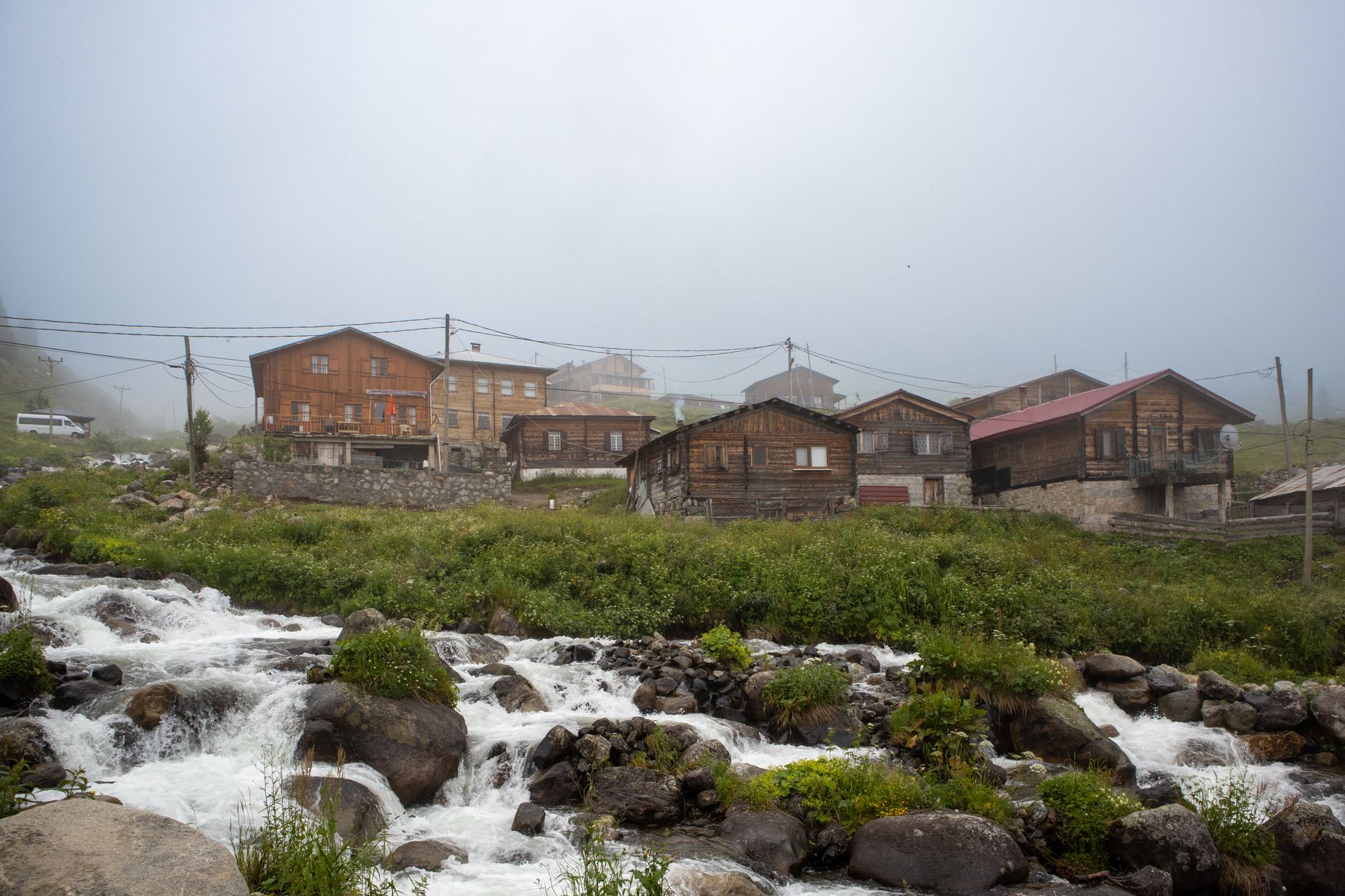
The real highlight of these rock-cut settlements is rarely the rock itself — it is the people. Village hospitality in Türkiye is legendary, and in these quiet corners it is still offered without calculation. Expect invitations to tea, offers of fresh bread, and questions about your family that are meant warmly, not intrusively.
Accepting tea is the simplest courtesy, and it opens doors. Say yes to a glass, ask about the village, and let the conversation wander. If someone offers you a meal, it is polite to accept at least a little, and equally polite to offer to contribute — though many hosts will refuse payment. A small gift from your home country, or a bag of good coffee, is a graceful way to reciprocate.
Family-run guesthouses are the best base. They are inexpensive, comfortable, and give you a host who can introduce you to neighbors, point out the safest paths, and explain local customs. Booking through a trusted local contact beats generic platforms in villages where listings are thin. Our local experts can connect you with vetted hosts and guides in these regions.
In a cave village, the greatest souvenir you can leave behind is the feeling that your visit was welcome — and the greatest one you can take home is a story told over tea.
How to Visit Respectfully: Practical Etiquette
These are homes, farms and places of worship, not theme parks. Always ask before entering a courtyard, a cave room or a church, even if the door stands open. A smile and the phrase "girebilir miyim?" (may I come in?) will get you a long way. If someone shakes their head, thank them and move on with good grace.
Dress modestly, especially when visiting chapels and when walking through villages. Cover shoulders and knees, and carry a light scarf. Do not touch frescoes or carvings — oils from skin cause real damage — and never remove stones, pottery shards or "souvenirs" from archaeological sites, which is both unethical and illegal.
Ask before photographing people, particularly women and children, and respect a refusal without pressure. Keep your voice low near houses and livestock, close gates behind you, and do not feed or approach animals without the owner's permission. Carry your rubbish out; many villages have no waste collection.
- Learn a few Turkish words — merhaba (hello) and teşekkürler (thank you) go far.
- Buy locally: honey, walnuts, dried fruit, handmade textiles.
- Hire local guides rather than exploring sensitive sites alone.
- Avoid visiting during harvest or prayer times unless invited.
- Pay fairly and in cash where possible; card machines are rare.
Planning Your Visit and Guided Options
Independent travel is possible, but a local guide transforms these visits. Guides know which paths are safe, which families welcome visitors, and how to read the history carved into the rock. They also translate the conversations that make the trip memorable. For remote valleys, a guide is not a luxury but a practical necessity.
When choosing an operator, look for one that employs local people, caps group sizes, and is explicit about respecting communities. Ask how the fee is distributed and whether any of it supports conservation. Our travel guides cover booking sensibly, and our trust page explains how we vet partners.
Finally, slow down. These are not places to tick off. Stay two nights instead of one, walk the same lane twice, and let a village cup of tea become the memory you keep. For more ideas on where these landscapes fit into a wider Turkish journey, browse our destinations, explore the gallery, and check the FAQ for practical questions before you go.
Thinking about a trip to Turkey?
Share your contact details and a vetted local expert will follow up with a plan built around you — free, no obligation.