

Introduction: The Flow of Generosity in Turkish Cities
In Türkiye, water has always been more than a utility—it is a sacred trust, a symbol of life, and a canvas for artistic expression. For centuries, Ottoman sultans, statesmen, and wealthy citizens built çeşme (fountains), sebil (kiosks dispensing free water), and grand aqueducts to quench the thirst of travelers and residents alike. These structures were acts of charity, embodying the Islamic tradition of sadaka (voluntary giving) and the belief that providing water is one of the most virtuous deeds.
Today, these fountains and waterways remain scattered across Türkiye's cities, often overlooked by visitors rushing between mosques and bazaars. Yet they offer a free, photogenic, and deeply moving way to connect with Turkish craftsmanship and public generosity. This guide invites you to slow down and follow the water—on foot, through Istanbul, Bursa, and beyond—while respecting these historic sources and the communities that cherish them.
Whether you're a history buff, an architecture enthusiast, or simply a curious traveler, this walking trail will introduce you to the quiet beauty of Ottoman water architecture. Best of all, it costs nothing but your time and attention.
Understanding Ottoman Water Architecture: Çeşme, Sebil, and Aqueduct
Before you set out, it helps to know what you're looking at. Ottoman water architecture comes in several distinct forms, each with its own function and aesthetic.
The çeşme is the most common: a public fountain with one or more taps, often set into a marble or stone facade. Many are adorned with elaborate calligraphy, floral motifs, and carved arches. Some are monumental, like the Tophane Fountain in Istanbul, while others are simple neighborhood wells. They were typically built as part of a külliye (charitable complex) that might include a mosque, madrasa, and soup kitchen.
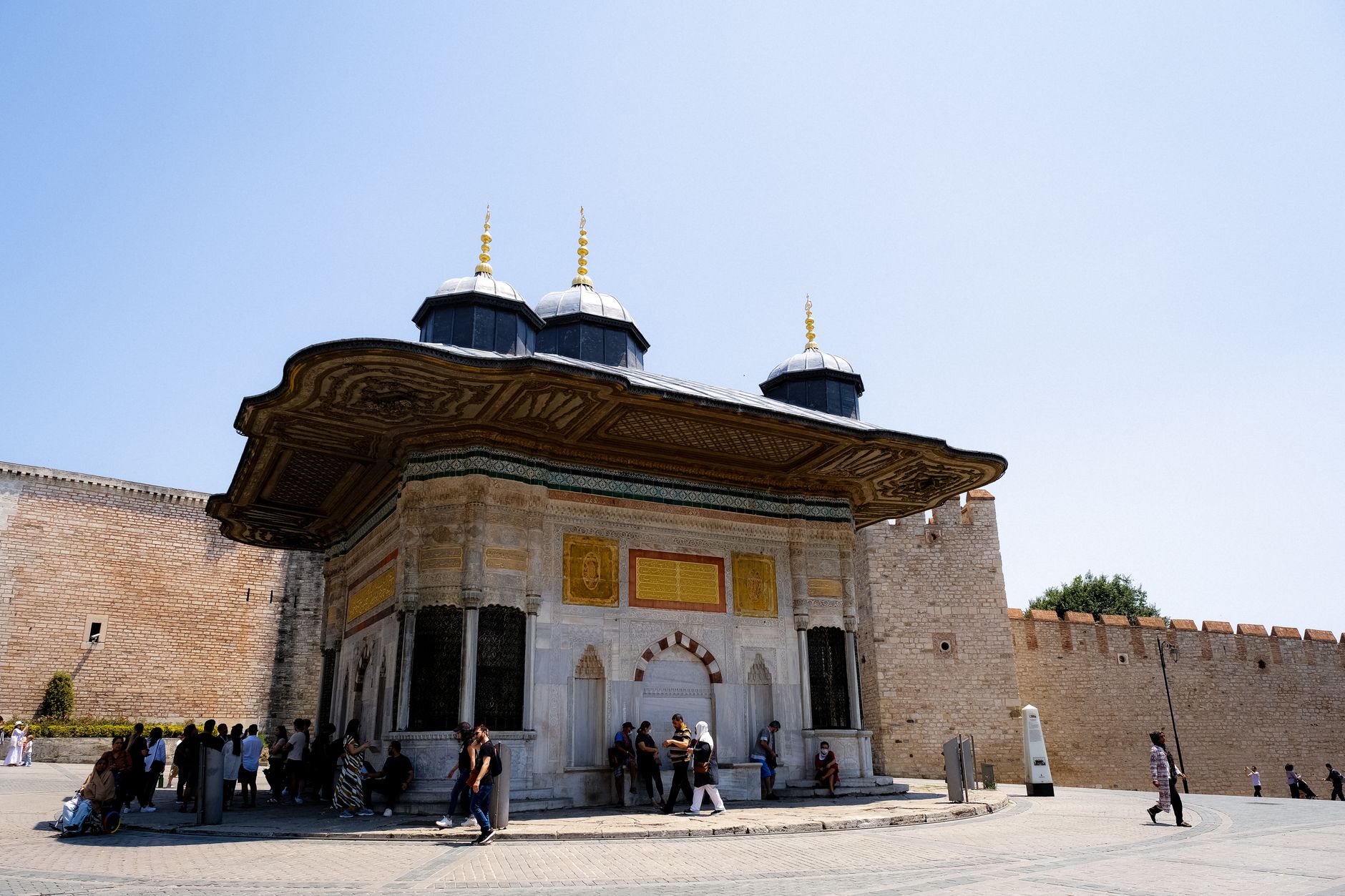
The sebil is a kiosk where water (and sometimes sherbet) was distributed free of charge. These are often ornate, with grilled windows and decorative tilework. Istanbul's Ahmet III Sebil near Topkapı Palace is a prime example. Meanwhile, aqueducts like the Valens Aqueduct (Bozdoğan Kemeri) brought water from the Belgrade Forest to the city, a marvel of Roman and Ottoman engineering that still stands today.
What unites them is a philosophy of public welfare: water was never to be sold, only given. This ethic of generosity is something travelers can still sense when they pause at a fountain to fill a bottle or simply admire the craft.
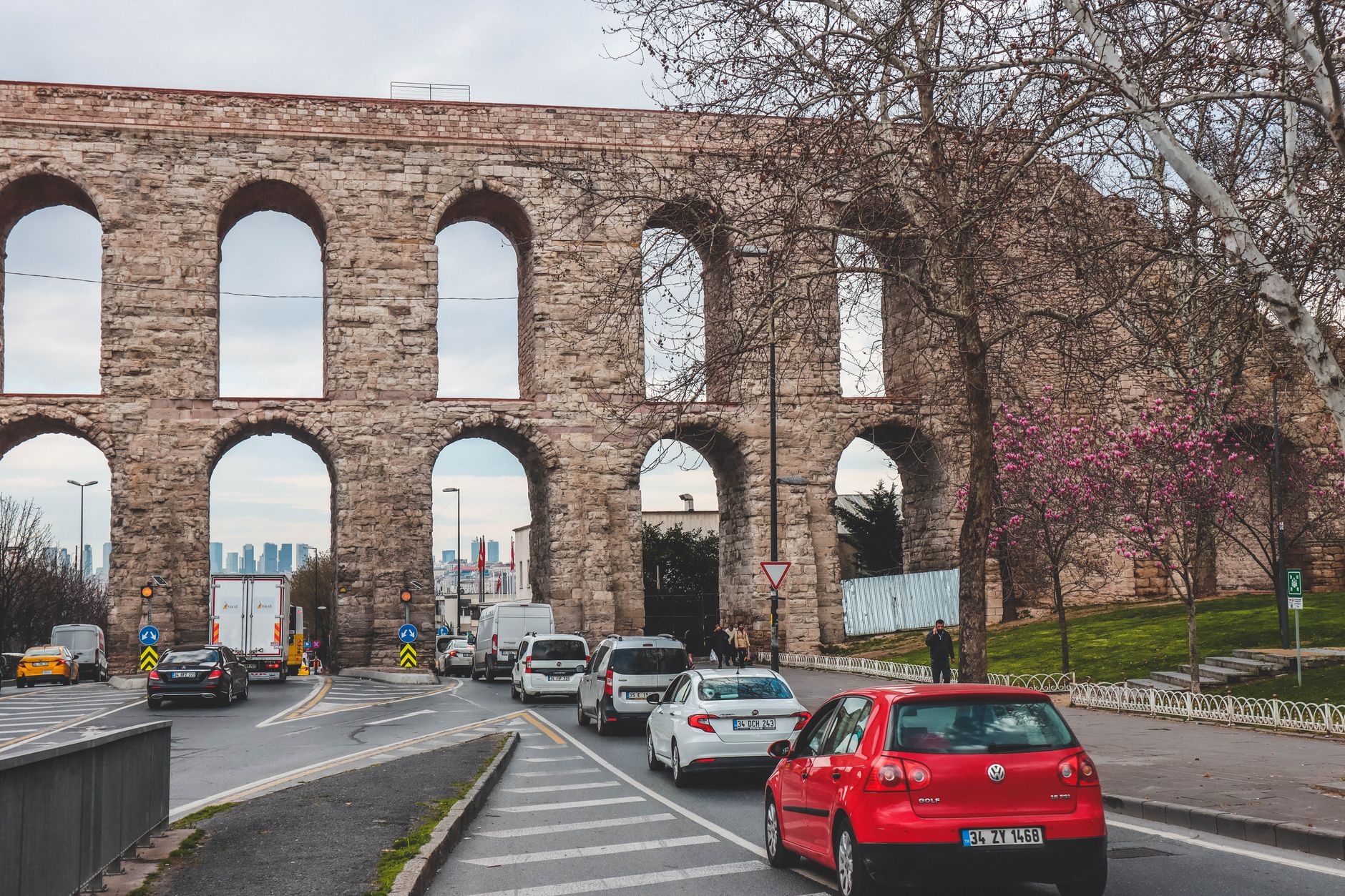
Walking Trail 1: Istanbul's Historic Peninsula – From Aqueduct to Sebil
Start your journey at the Valens Aqueduct (Bozdoğan Kemeri), a massive Roman structure that Ottoman sultans repaired and extended. Walk along its shadow on Atatürk Bulvarı, imagining the water that once flowed to the Great Palace and later to Ottoman palaces. The aqueduct is especially photogenic at sunset, when its arches glow golden.
From there, head to the Süleymaniye Mosque complex, where you'll find several çeşme within the courtyard. Notice the marble taps and the inscriptions above them—they often date the fountain and name its benefactor. Just outside the mosque, the Hüsrev Paşa Sebil and Fountain (1539) is a classic example of Ottoman charity, still offering a cool drink to passersby.
Continue downhill to the Grand Bazaar area, where hidden fountains dot the streets. Look for the Nuruosmaniye Fountain near the mosque of the same name. Then make your way to Topkapı Palace's outer gates, where the Ahmet III Fountain (1728) stands opposite the entrance. This rococo-style sebil and çeşme is a masterpiece of Ottoman baroque, with flowing curves and intricate reliefs. Fill your bottle here—the water is still fresh and free.
End your walk at the Üsküdar waterfront (take a ferry for a scenic break). In this Asian neighborhood, you'll find the III. Ahmet Fountain (1728) in Üsküdar Square, another ornate sebil that once served pilgrims heading to Mecca. The area is rich with small çeşme, often tucked beside mosques or in market corners.
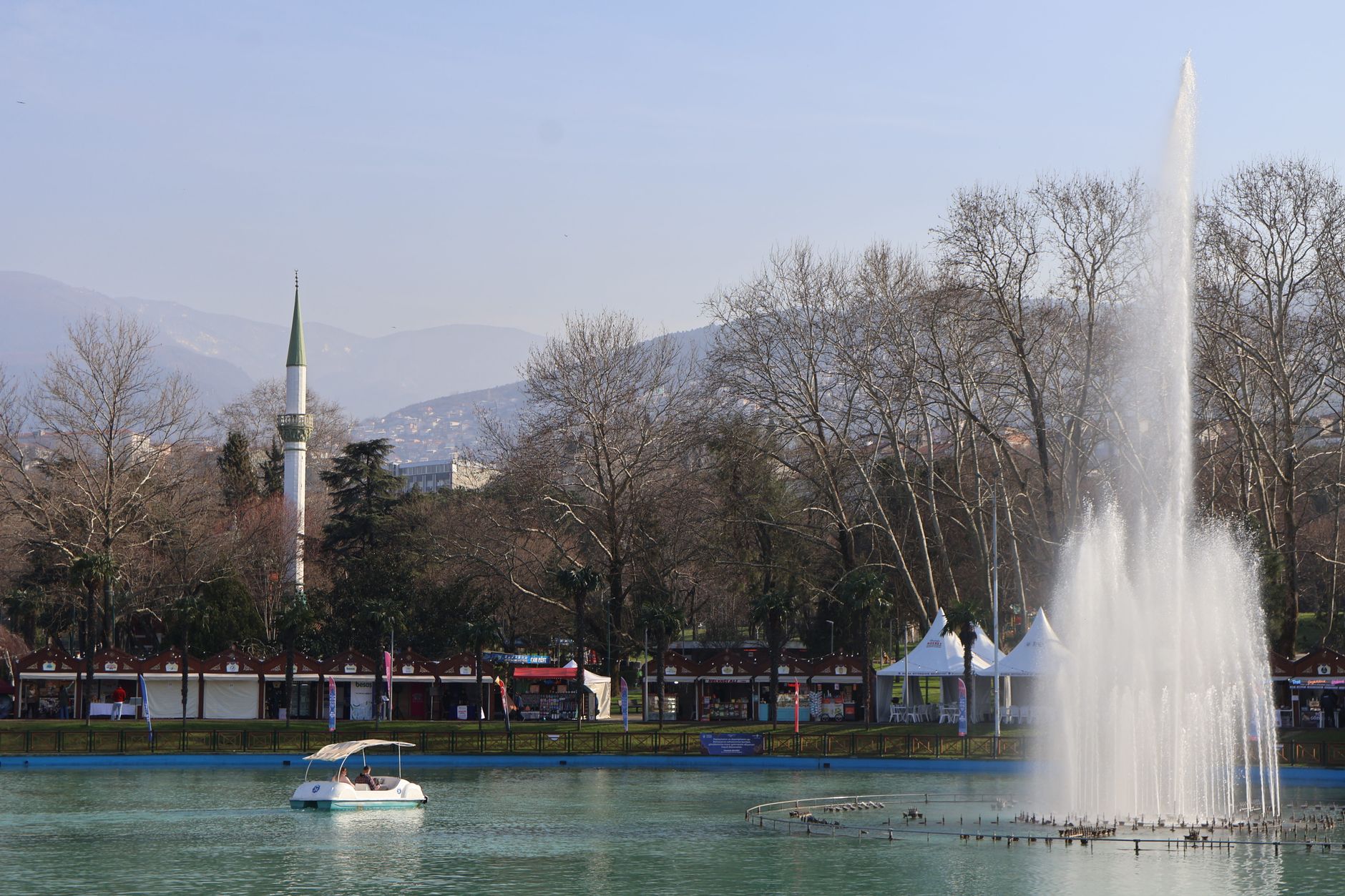
Walking Trail 2: Bursa – The City of Water and Silk
Bursa, the first Ottoman capital, is blessed with abundant springs and a legacy of water architecture. Begin at the Muradiye Complex, where a tranquil courtyard features a marble çeşme and a pool. The sound of trickling water creates a serene atmosphere—perfect for reflection.
Next, walk to the Emir Sultan Mosque, surrounded by fountains and a large ablution area. The nearby Çekirge district is famous for its thermal springs, but it's also home to historic fountains like the Eski Kaplıca fountain. Here, you can see how water was used for both ritual purification and public health.
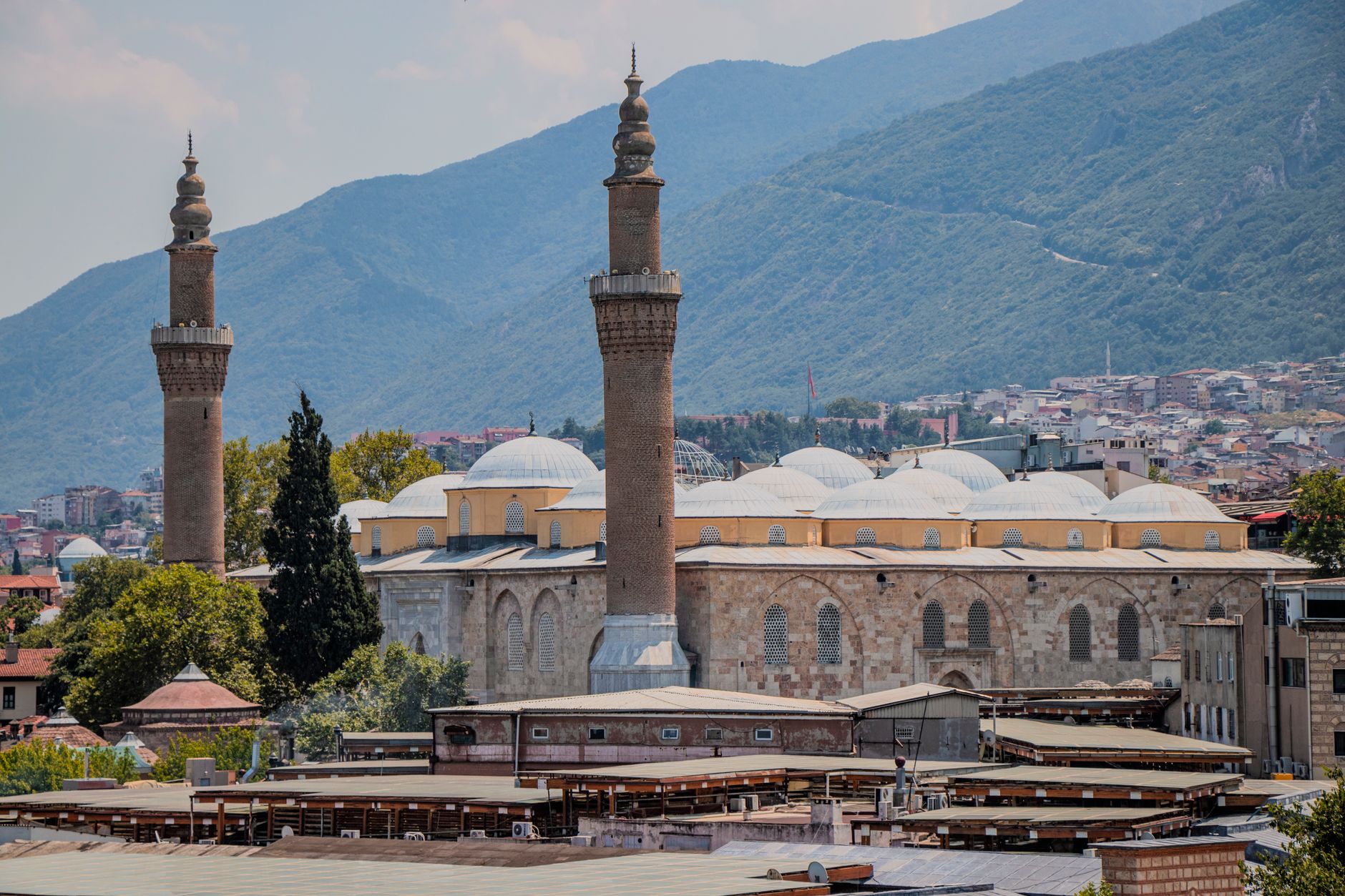
Don't miss the Koza Han (silk market), where a central fountain provides a soothing soundtrack to your shopping. The han's courtyard is a classic example of Ottoman commercial architecture, with water at its heart. From there, stroll to the Ulu Cami (Great Mosque), which contains a stunning ablution fountain (şadırvan) with a domed roof and marble columns.
For a deeper dive, take a short taxi or bus to the Muradiye Aqueduct (also known as the Gökdere Aqueduct), a lesser-known but picturesque structure spanning a stream. It's a peaceful spot for photography and a reminder of Bursa's extensive water network.
Beyond Istanbul and Bursa: Other Notable Water Treasures
Türkiye is dotted with remarkable water architecture beyond the two main cities. In Konya, the Meram Creek area features historic fountains and gardens, while the Selimiye Mosque complex has a beautiful şadırvan. In Edirne, the Selimiye Mosque (another Ottoman masterpiece) is accompanied by fountains and a historic water system.
On the Aegean coast, Izmir's Kemeraltı Bazaar hides small çeşme among its bustling streets. And in Gaziantep, the Kastel (an ancient water distribution system) is a fascinating underground network that once supplied the city—now partially open to visitors.
For aqueduct enthusiasts, the İnce Minareli Medrese in Konya and the Diyarbakır city walls include water channels and fountains. Each region has its own style, influenced by local materials and climate, but the underlying charity remains constant.
When visiting these sites, remember that many are still active community resources. Always ask before drinking if you're unsure, and never climb on fragile structures.
Etiquette and Respect: Using Historic Water Sources
These fountains are not just monuments; they are living heritage. Many locals still rely on them for drinking water, ablution, or simply a moment of refreshment. Here are some guidelines to ensure your visit is respectful and sustainable.
- Ask before you drink: If a fountain is clearly in use by locals, wait your turn. In some cases, water may be non-potable (especially in dry seasons), so look for signs or ask a nearby shopkeeper.
- Don't waste water: Take only what you need. Turn off taps tightly. Remember, in some areas water is scarce.
- Don't climb or touch carvings: The stone and tilework are centuries old. Admire with your eyes, not your hands. Avoid sitting on fountain edges if they are fragile.
- Dress modestly: Many fountains are near mosques or in conservative neighborhoods. Cover shoulders and knees, especially when entering religious complexes.
- Leave no trace: Take your trash with you. Do not feed birds or fish in historic pools, as this can damage the ecosystem.
- Photography: Always ask permission before photographing people, especially women. Some fountains are considered sacred; avoid posing irreverently.
By following these simple rules, you help preserve these gifts for future generations and show gratitude to the communities that maintain them.
Practical Tips for Your Walking Trail
Best time to go: Spring (April–May) and autumn (September–October) offer mild weather for walking. Summer can be hot, so start early and carry water. Winter is quiet but some fountains may be turned off to prevent freezing.
What to bring: Comfortable walking shoes, a refillable water bottle, a map or smartphone with offline maps, and a small towel. A camera is essential for capturing the intricate details.
Getting around: Istanbul's historic peninsula is best explored on foot, but use trams or ferries to cover longer distances. Bursa has a metro and dolmuş (shared minibus) system. For other cities, local buses and taxis are available.
Guided tours: While this trail is self-guided, some local guides offer specialized tours on Ottoman water architecture. Check with Istanbul's tourist offices or online platforms. However, the joy of discovery is often best experienced alone or with a small group.
Accessibility: Many fountains are located on uneven cobblestone streets. Travelers with mobility challenges may find some sites difficult to reach. Research ahead and consider focusing on the more accessible ones like the Tophane Fountain or Bursa's Muradiye Complex.
Conclusion: The Enduring Gift of Water
Türkiye's ancient fountains and Ottoman water architecture are more than pretty backdrops—they are testaments to a civilization that valued public welfare, craftsmanship, and the simple act of giving. By walking these trails, you not only witness stunning art and engineering but also participate in a centuries-old tradition of sharing water.
As you fill your bottle at a çeşme or rest beside a sebil, take a moment to appreciate the generosity that built them. These are free gifts, offered to all who pass by. In return, we offer our respect, our care, and our wonder. May your journey be refreshed by the flow of history—and may you leave each fountain as you found it, ready for the next thirsty traveler.
Thinking about a trip to Turkey?
Share your contact details and a vetted local expert will follow up with a plan built around you — free, no obligation.