

Swim Through Millennia: Türkiye's Sunken Cities
Imagine gliding over submerged ruins, where ancient walls, amphorae, and harbor structures rest just beneath the surface. Türkiye, with its 8,333 kilometers of coastline, is a treasure trove of underwater archaeology. From the famous sunken city of Kekova to the newly opened dive routes of Karaburun, the country offers unparalleled opportunities to combine swimming with history. Whether you're a seasoned snorkeler or a curious traveler, exploring these ancient harbors is a magical way to connect with the past.
In this guide, we'll dive into the most captivating underwater sites, provide practical tips for boat tours, and share responsible snorkeling practices to ensure these wonders remain for future generations.
Kekova: The Crown Jewel of Sunken Cities
Off the coast of Antalya, the Kekova region is home to one of the world's most famous sunken cities. Once a thriving Lycian settlement, parts of it slipped beneath the sea after earthquakes in antiquity. Today, snorkelers can swim over submerged foundations, staircases, and even a Byzantine church. The crystal-clear waters make the ruins easily visible from the surface.
To protect this fragile site, swimming is restricted in certain areas, but snorkeling is allowed in designated zones. Boat tours from Kaş or Üçağız offer guided trips, often including stops at the charming village of Kaleköy (Simena), where you can climb to a medieval castle for panoramic views.
Best time to visit: May to October, when water temperatures range from 22°C to 28°C. Early morning tours avoid crowds and offer calmer seas.
Karaburun's New Dive Routes: A Fresh Perspective
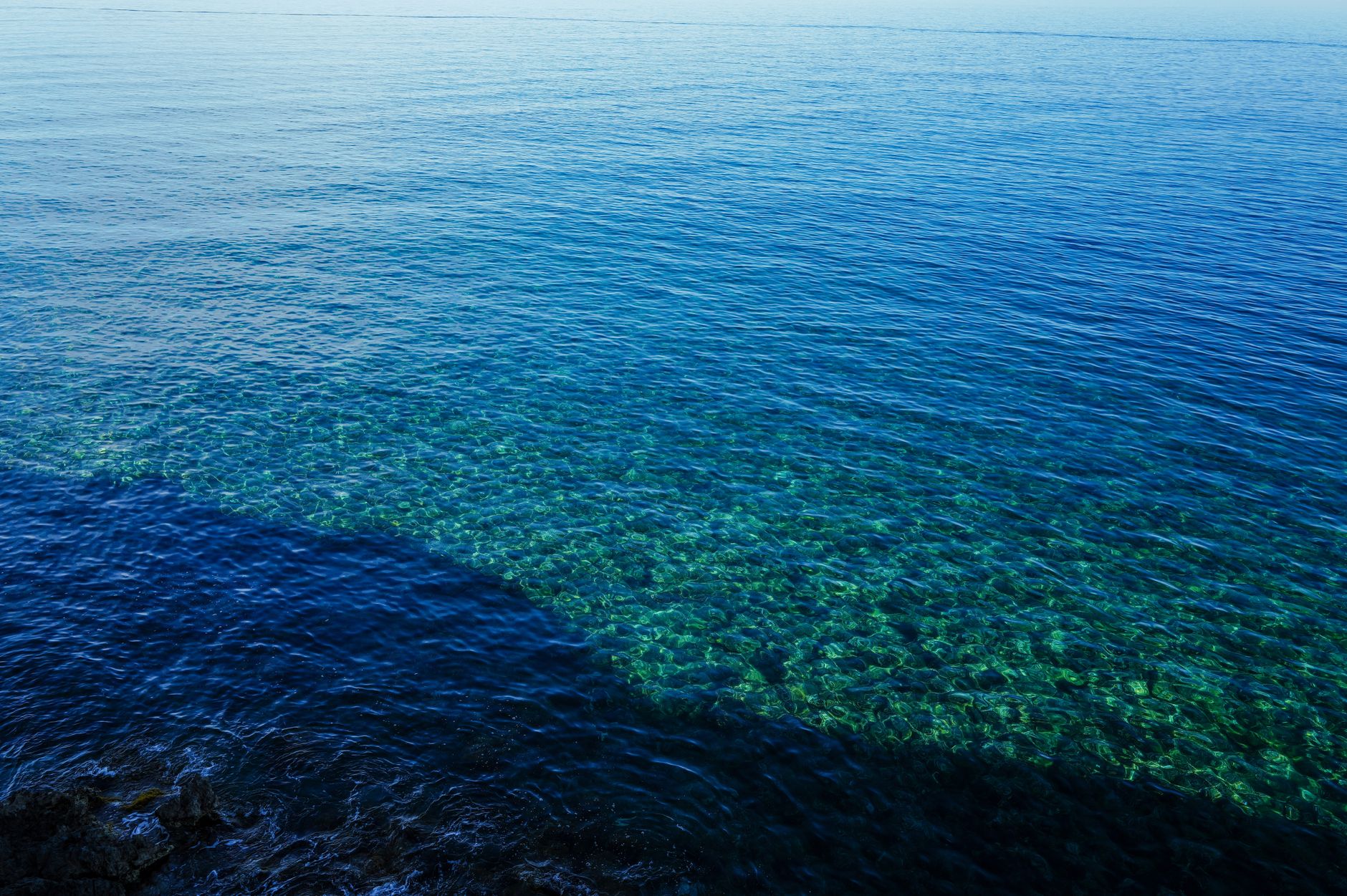
In 2026, the Karaburun Peninsula near Izmir unveiled a network of underwater trails designed for divers and snorkelers. These routes showcase ancient shipwrecks, amphora fields, and submerged harbor remains from Greek, Roman, and Byzantine eras. The trails are marked with informative plaques, making it easy to follow and understand the history beneath you.
The Karaburun trails are part of a broader initiative to promote sustainable underwater tourism. Local operators provide guided snorkeling tours that cater to all levels, from beginners to experts. The area's rich biodiversity, including octopuses, sea stars, and colorful fish, adds to the experience.
Don't miss: The underwater museum at Mordoğan, where artifacts are displayed in situ, and the chance to snorkel over a 2,000-year-old breakwater.
Other Underwater Gems Along the Turkish Coast
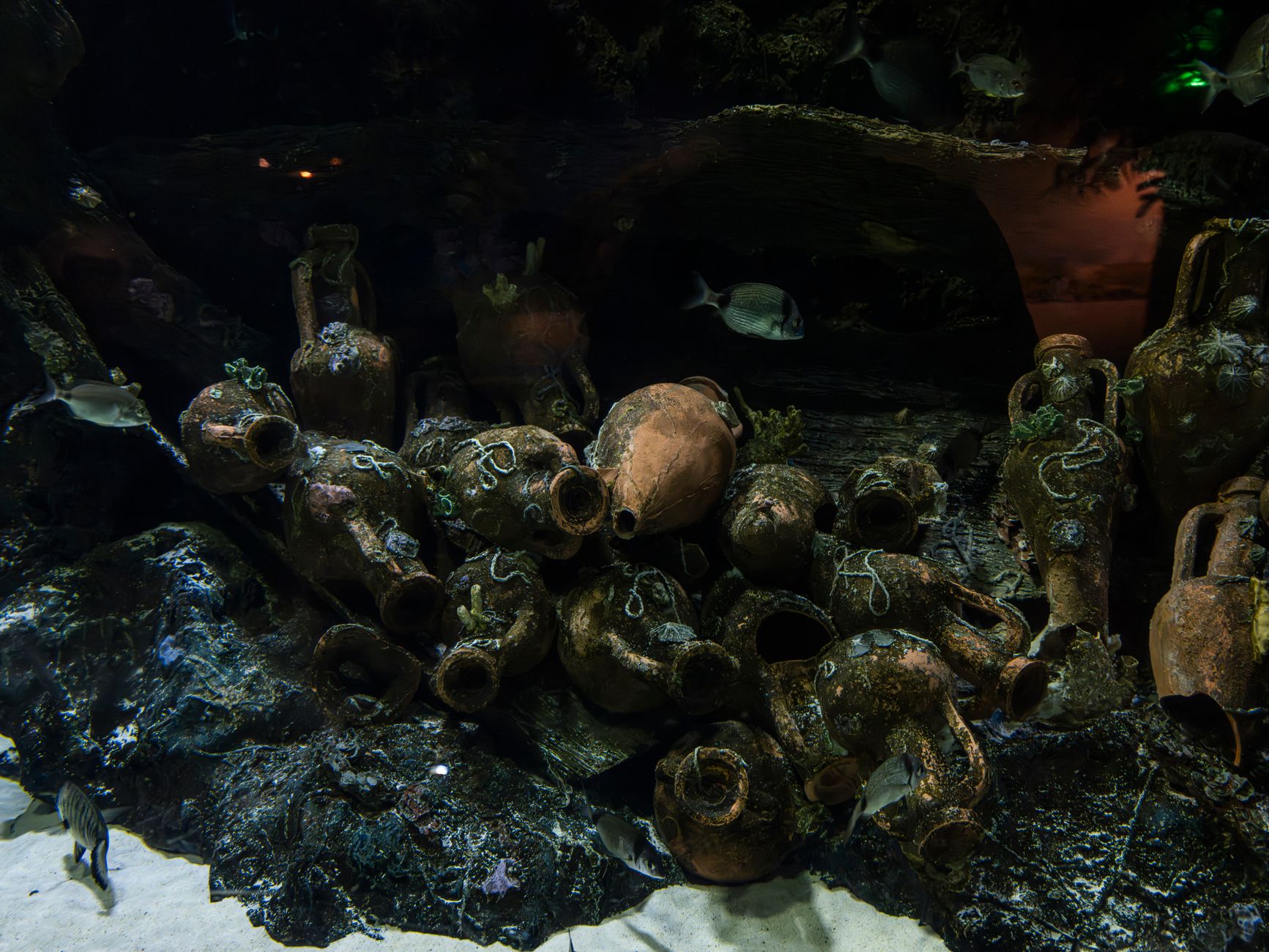
Beyond Kekova and Karaburun, Türkiye boasts numerous other underwater archaeological sites. In the Aegean, the ancient city of Ephesus has submerged harbor remnants, while the Mediterranean coast near Side offers glimpses of sunken columns and statues. The Sea of Marmara, though less clear, hides Byzantine ruins and shipwrecks.
For a unique experience, head to Lake Van in eastern Türkiye, where a sunken fortress from the Urartian period lies beneath the surface. While visibility is lower, the novelty of snorkeling in a lake over 3,000 years of history is unmatched.
Insider tip: Many of these sites are best explored on multi-day boat trips, allowing you to combine snorkeling with visits to onshore ancient cities like Myra, Patara, and Pergamon.
How to Choose a Boat Tour: Practical Guidance
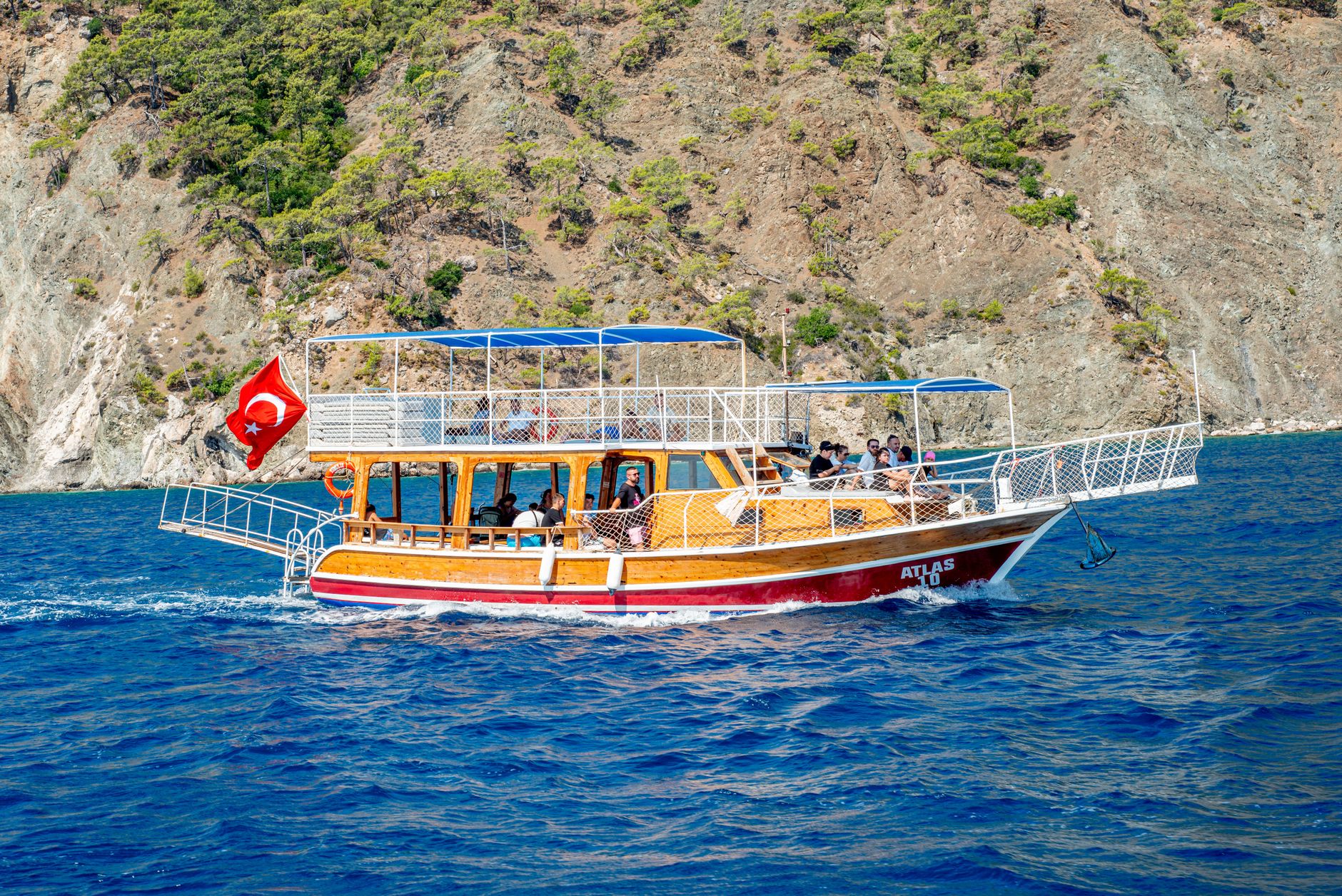
When selecting a boat tour for snorkeling over ancient ruins, prioritize operators that emphasize conservation and small groups. Look for tours that provide snorkeling gear, include a knowledgeable guide, and adhere to local regulations. In Kekova, for example, only licensed boats can approach the sunken city, and they must keep a certain distance.
Prices vary: a half-day tour from Kaş costs around 500-800 TL (approx. €15-25), while full-day trips with lunch range from 1,200-2,000 TL. In Karaburun, guided snorkeling tours start at 700 TL per person. Always check reviews and ask about group size—fewer than 12 people ensures a more personal and less impactful experience.
What to bring: Reef-safe sunscreen, a rash guard, underwater camera, and a waterproof bag. Avoid touching anything—ruins are fragile and protected by law.
Responsible Snorkeling: Protecting Our Underwater Heritage
Snorkeling over archaeological sites requires a delicate balance between enjoyment and preservation. Never stand on or touch ruins, as oils from your skin can damage ancient stone. Keep a safe distance to avoid kicking up sediment that obscures visibility and harms marine life. Use only reef-safe sunscreen or wear a UV-protective shirt.
Follow the "leave no trace" principle: take all trash back to the boat, and avoid anchoring on seagrass or ruins. Support local conservation efforts by choosing eco-friendly operators and donating to organizations like the Underwater Research Society (SAD).
Remember that these sites are not just tourist attractions; they are irreplaceable pieces of human history. By snorkeling responsibly, you become a steward of this heritage.
Planning Your Underwater Adventure
Türkiye's ancient harbors and sunken cities offer a unique blend of adventure and education. To make the most of your trip, plan your visits around the best weather conditions and book tours in advance, especially during peak summer months. Consider staying in coastal towns like Kaş, Üçağız, or Karaburun to be close to the action.
Combine your snorkeling adventures with visits to nearby historical sites, creating a comprehensive journey through Türkiye's rich past. Whether you're floating over a Lycian tomb or a Roman breakwater, the experience of connecting with history in such an immersive way is truly magical.
Final tip: Learn a few Turkish phrases like "merhaba" (hello) and "teşekkürler" (thanks) to connect with locals, who are often eager to share stories about their underwater heritage.
Thinking about a trip to Turkey?
Share your contact details and a vetted local expert will follow up with a plan built around you — free, no obligation.