

Why Türkiye Is the Mediterranean's Capital of Sunken History
Türkiye's Turquoise Coast is not just a postcard of pine-clad mountains and impossibly blue water—it is a submerged museum. Earthquakes, rising sea levels, and centuries of silting have drowned ancient harbours, Roman quays, and whole city quarters, leaving behind ruins that today rest just a few metres below the surface. For travellers, this is a rare gift: you do not need a scuba certification to see them. Much of Türkiye's underwater heritage can be experienced while floating, snorkelling, or sitting comfortably on the deck of a boat.
The star of the show is Kekova, a protected archaeological zone near Antalya where the ancient city of Dolchiste slipped beneath the waves after an earthquake in the 2nd century AD. But Kekova is only one chapter. From the sunken harbour works of Aperlai to the submerged foundations at Simena, and from the Aegean's Cleopatra's Island to the coastal museums that curate recovered treasures, the country offers a gentle, welcoming introduction to underwater archaeology.
This guide focuses on the accessible, above-water and beginner-friendly ways to meet that heritage: glass-bottom boat tours, shallow snorkel trails, and well-organised local operators who know exactly where to take you, when to go, and how to keep the experience safe, respectful, and unforgettable.
Kekova: Sailing Over a Sunken City
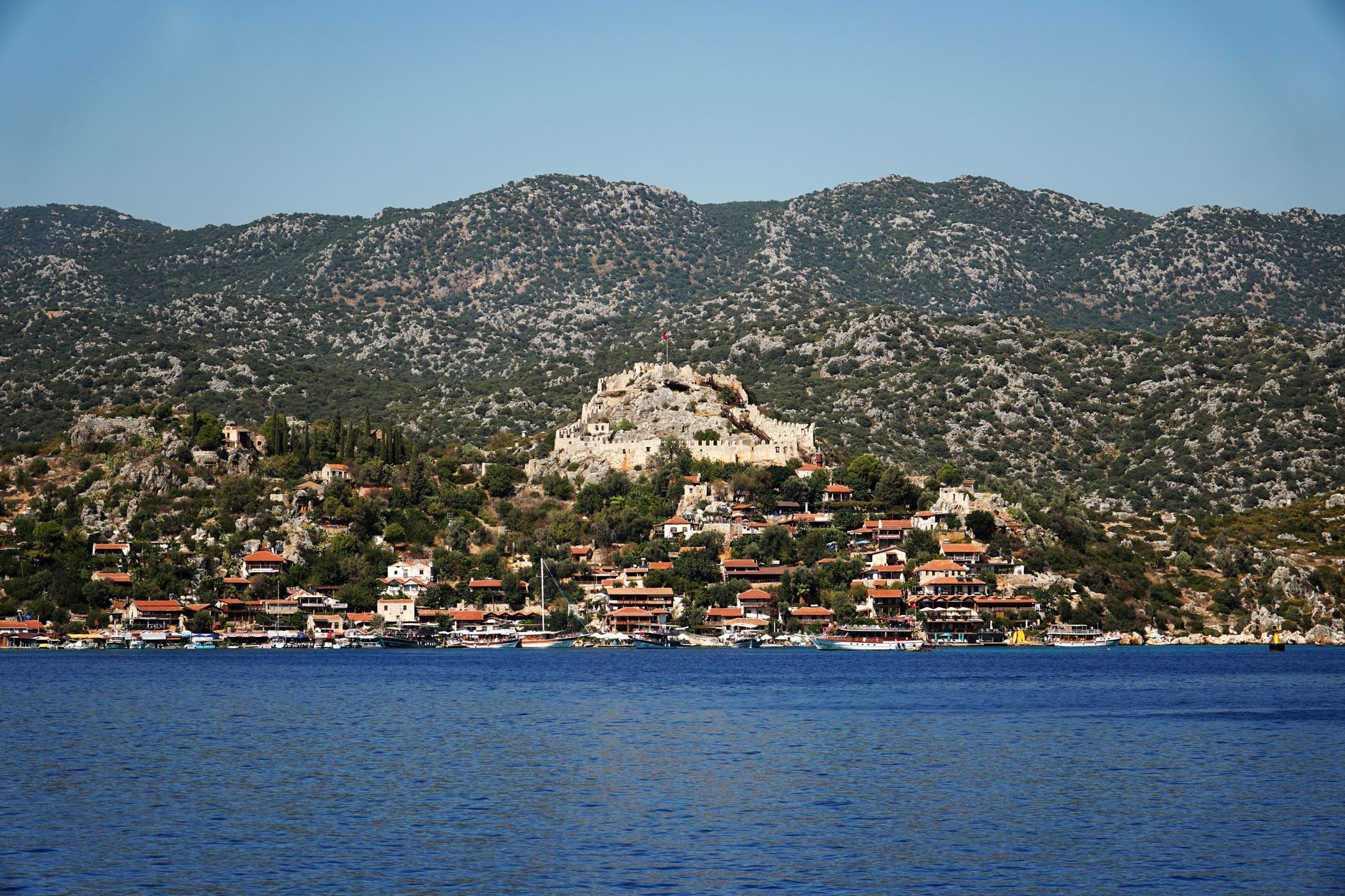
Kekova is the emotional heart of any sunken-city trip. The scene is almost impossibly serene: a narrow island shelters a calm channel of glassy water, and beneath your boat lie the outlines of ancient walls, staircases, and foundations, visible in the clear light of a Mediterranean morning. Because the area is a protected archaeological site, swimming and diving directly over the ruins are restricted—but glass-bottom boats and specially licensed tour vessels allow you to peer down without ever touching the past.
Most tours depart from the charming village of Üçağız or from Kaş, roughly a 30-minute drive away. A typical day combines slow cruising over the submerged ruins, a stop at the half-submerged sarcophagi of Simena, and a swim break in a nearby bay. The wooden gulets are comfortable, shaded, and family-friendly, with lunch often cooked on board. The thrill is quiet but real: you are sailing over history, tracing the lines of streets that people walked two thousand years ago.
Local operators are warm and deeply knowledgeable. Many captains grew up on these waters and can point out details you would otherwise miss—a Byzantine cistern, the curve of an ancient jetty, the spot where a statue base still sits on the seabed. If you want context, book a tour that includes a guide rather than a simple transfer; the stories transform a pretty boat ride into a genuine encounter with the past.
Classic Boat Tours and How to Choose One
Boat tours around Kekova and the broader Lycian coast come in several flavours. The classic shared day cruise is the most economical and sociable, usually running from late morning to late afternoon with two or three swim stops. Private charters offer flexibility, quieter bays, and the chance to linger over a particular ruin. Glass-bottom boats are the easiest option for non-swimmers, families with young children, and anyone who prefers to stay dry.
When choosing, look for operators who explicitly respect the protected zone: they should not allow swimming over the sunken city itself, and they should keep a respectful distance from fragile structures. Good companies will explain the rules before departure, provide life jackets, and brief you on what you are seeing. Small groups are generally better than packed party boats—more attention, less noise, and a calmer experience over the ruins.
Booking ahead matters, especially in July and August, when the best boats and English-speaking guides fill up days in advance. Shoulder seasons—late April to June and September to October—offer warm water, softer light, and far more space on deck. If your heart is set on a specific glass-bottom vessel or a private gulet, reserve at least a week ahead in high season, and confirm whether hotel transfers from Kaş or Demre are included.
Snorkel Trails and Shallow-Water Ruins
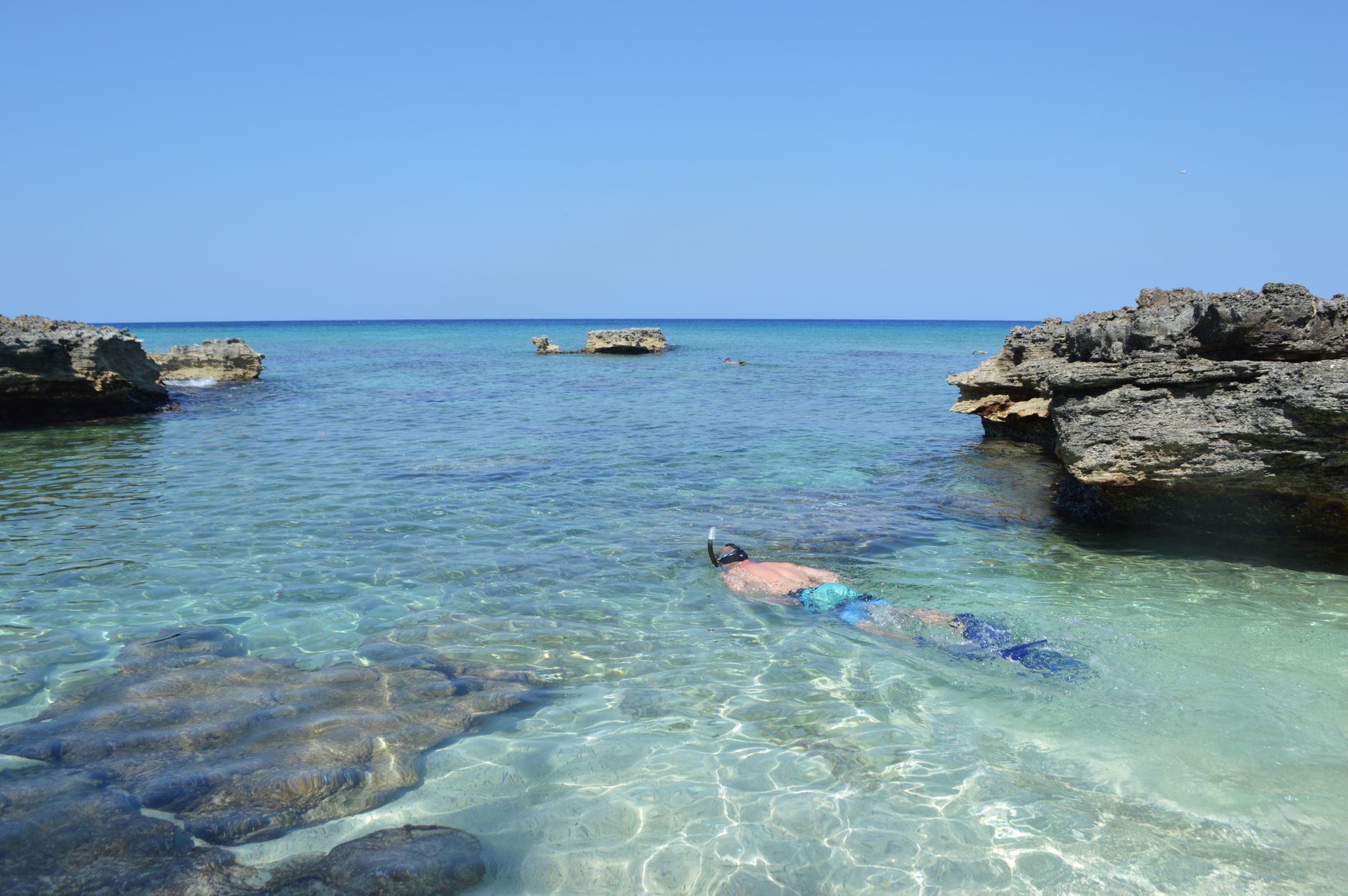
For those who want to get closer to the water, Türkiye has developed a network of snorkel trails—marked underwater routes designed for beginners. The most famous is the Lycian Way's underwater counterpart near Kaş and the Kekova region, where buoyed trails lead swimmers over ancient remains in shallow, sheltered water. You float on the surface, breathing through a snorkel, while history unfolds a metre or two below.
These trails are carefully managed. You follow a line or buoy system, staying within designated areas so that neither you nor the ruins are harmed. The water is typically calm in the mornings, visibility is excellent, and the depth is gentle enough for nervous first-timers. Expect to see fallen columns, amphora fragments, and the outlines of ancient walls, all colonised by colourful sponges and small fish—ancient stone and living reef in one view.
Snorkel gear is easy to rent in Kaş, Üçağız, and most coastal towns; many tour operators include masks, fins, and short wetsuits in their price. If you have your own mask, bring it—comfort matters more than you think. A rash guard or light wetsuit helps in May and October, when the water is refreshing rather than bath-warm. And always snorkel with a buddy or a guide, even on a marked trail.
Coastal Museums: The Stories Behind the Ruins
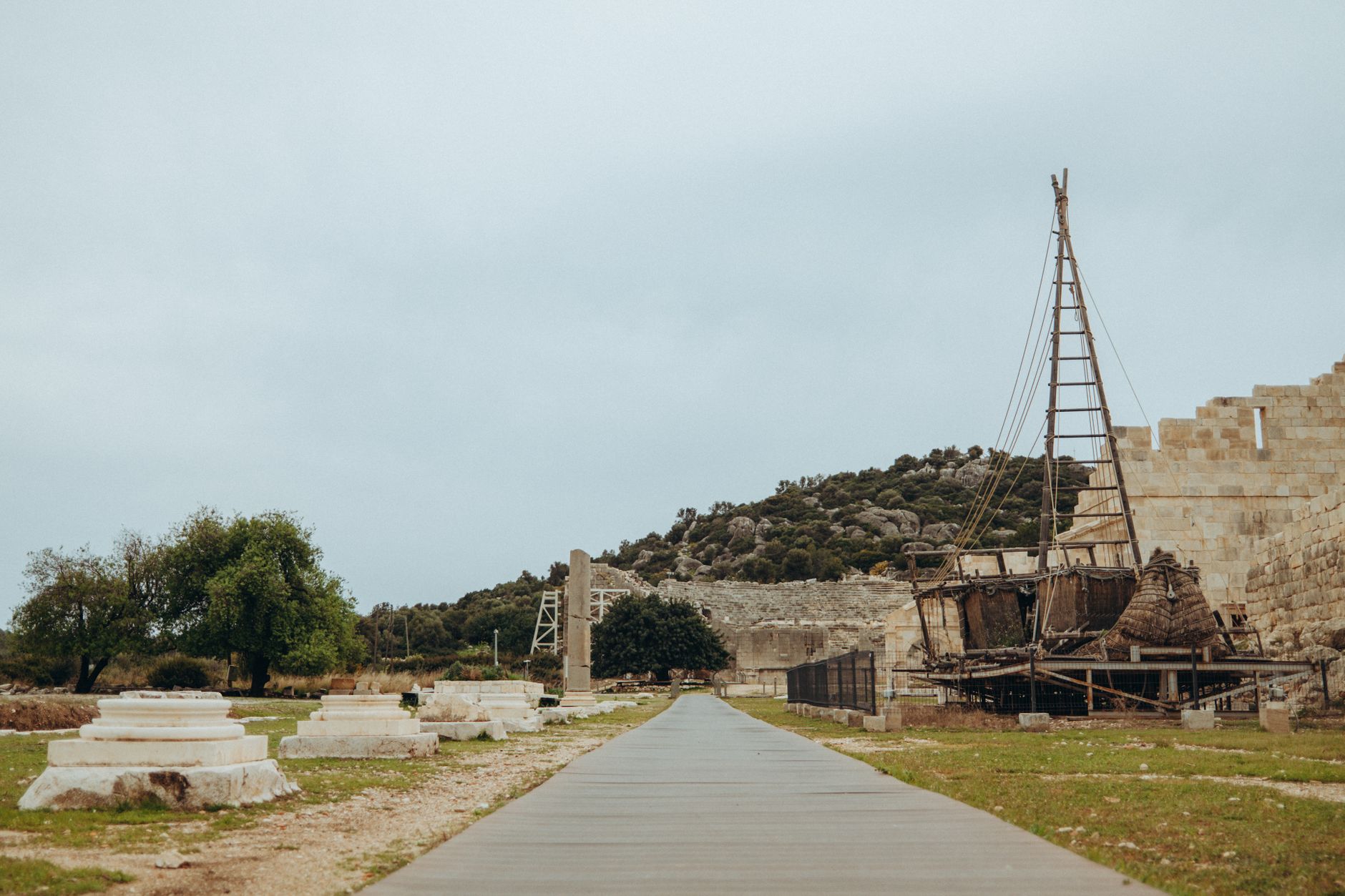
Before or after your boat trip, visit the museums that curate what the sea has given up. The Underwater Archaeology Museum in Bodrum is the country's flagship, housed in a Crusader castle and filled with shipwrecks, amphorae, and recovered cargo that bring ancient trade routes to life. It is one of the few places in the world dedicated entirely to underwater finds, and it makes the submerged world legible in a way that a boat deck alone cannot.
Along the Lycian coast, smaller museums and site museums at Demre, Kaş, and Antalya's Archaeological Museum add context—inscriptions, harbour models, and artefacts from the very cities you have just sailed over. Many coastal towns also have open-air displays of anchors and column drums recovered from the shallows. These are free or inexpensive and perfect for a slow afternoon.
Pairing a museum visit with a boat tour is the ideal way to understand what you saw. The museum provides the narrative; the sea provides the thrill. Together they turn a sunny boat ride into a genuine education in Mediterranean history—one that children and adults alike tend to remember for years.
Practical Tips: Seasons, Gear, and Booking Ahead
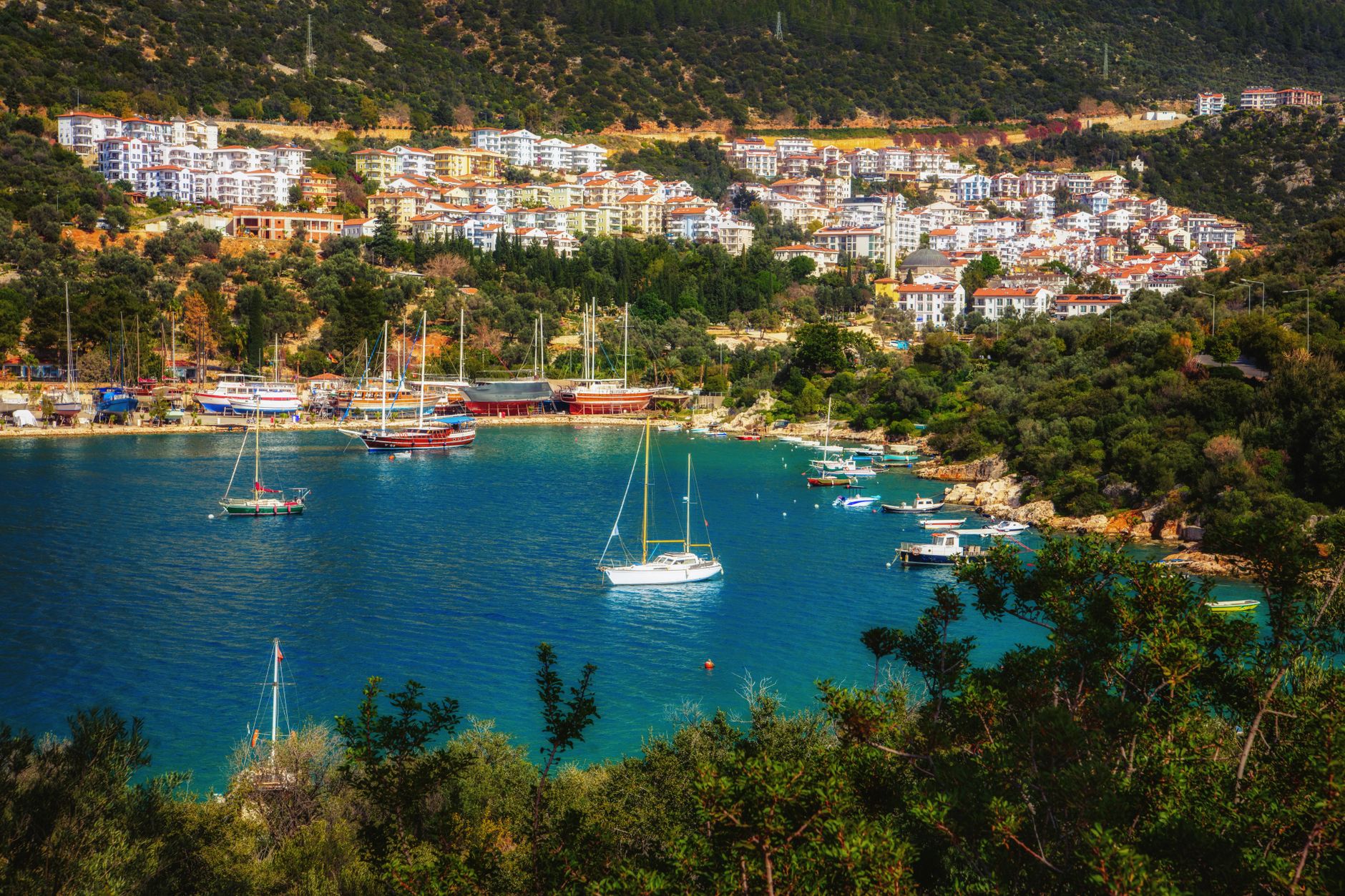
Best seasons: Late April to June and September to October offer warm water, clear visibility, and manageable crowds. July and August are hottest and busiest, so book early and choose morning departures to avoid the afternoon wind. Winter trips are possible but limited, with fewer boats running and cooler water.
What to bring: Swimwear, a quick-dry towel, reef-safe sunscreen, a hat, sunglasses, and a light long-sleeved layer for the boat. Water shoes help on rocky swim stops. If you snorkel, bring or rent a well-fitting mask; a waterproof phone pouch is handy for deck photos, though drones and underwater cameras may be restricted in protected zones.
Booking and respect: Reserve glass-bottom and guided tours several days ahead in high season, and confirm cancellation policies. Always follow local rules—no touching, no standing on ruins, no anchoring over sensitive sites. The ruins have survived two millennia; with a little care, they will survive our curiosity too. Choose operators who are proud of the protection rules rather than annoyed by them, and you will find that Türkiye's sunken cities are not just a sight to see, but a heritage to share.
Thinking about a trip to Turkey?
Share your contact details and a vetted local expert will follow up with a plan built around you — free, no obligation.