
Introduction: A Heritage Carved in Stone
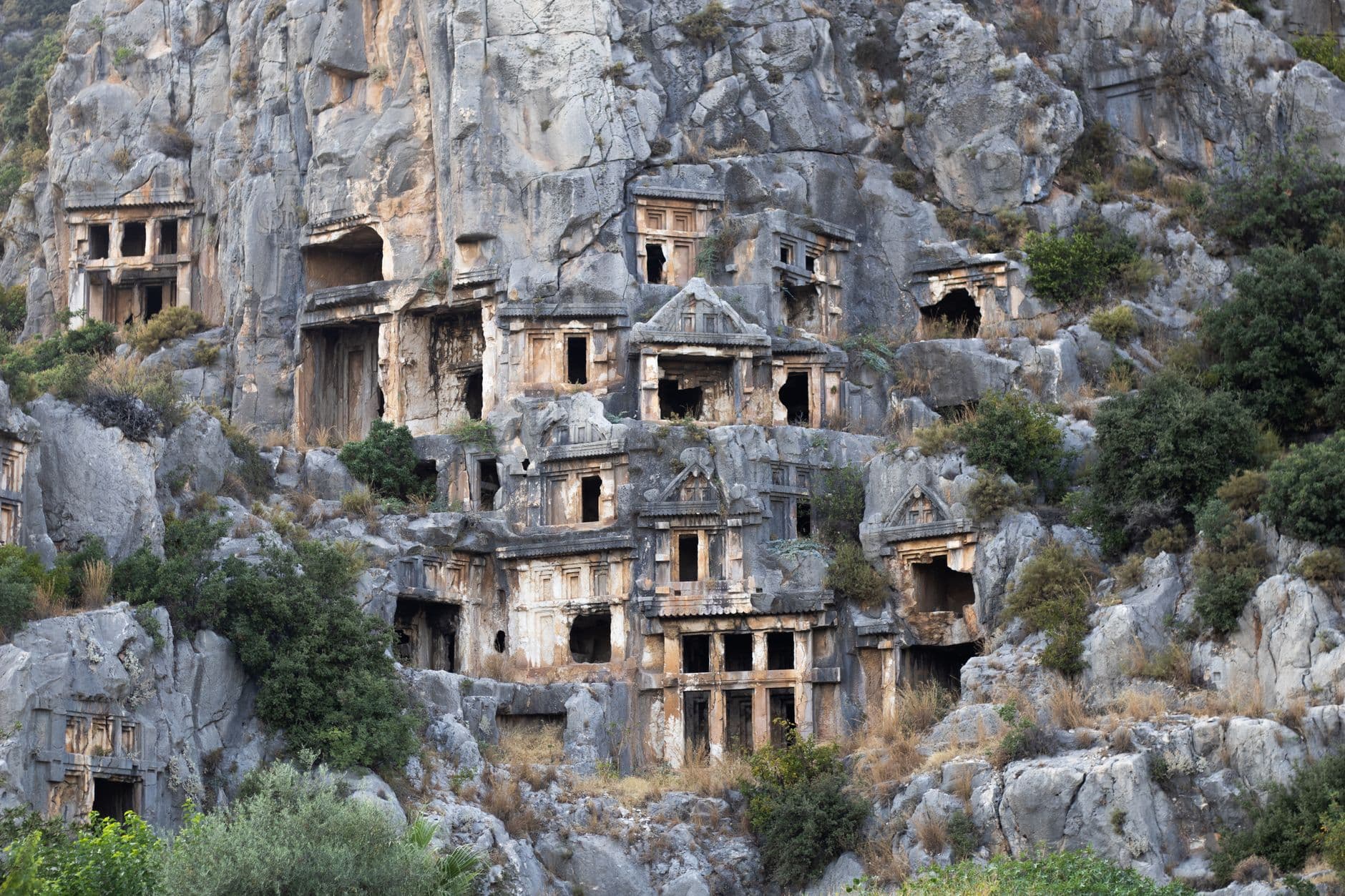
Imagine standing before a sheer cliff face where ancient hands have carved elaborate tombs, temples, and entire cities into the living rock. This is the dramatic heritage of Lycia, a region in southwestern Türkiye that once thrived as a confederation of city-states. The Lycians believed that after death, the soul would be ferried across the sea by a winged creature, so they placed their tombs high on cliffs — closer to the heavens and safe from desecration.
Today, these rock-cut tombs remain remarkably well-preserved and surprisingly uncrowded, offering curious travelers a chance to step back in time without the crowds of more famous archaeological sites. Whether you're a history enthusiast, a photographer, or simply someone who loves awe-inspiring landscapes, Lycia's cliff faces and ancient tombs promise an experience that lingers long after you leave.
In this guide, we'll explore the most dramatic rock-cut tombs of Lycia and beyond, offer practical tips for visiting, suggest the best times of day to avoid crowds and capture the perfect light, and show you how to pair these sites with nearby coastal towns for an easy and enriching day out.
The Lycian Rock Tombs: A Window into an Ancient Civilization
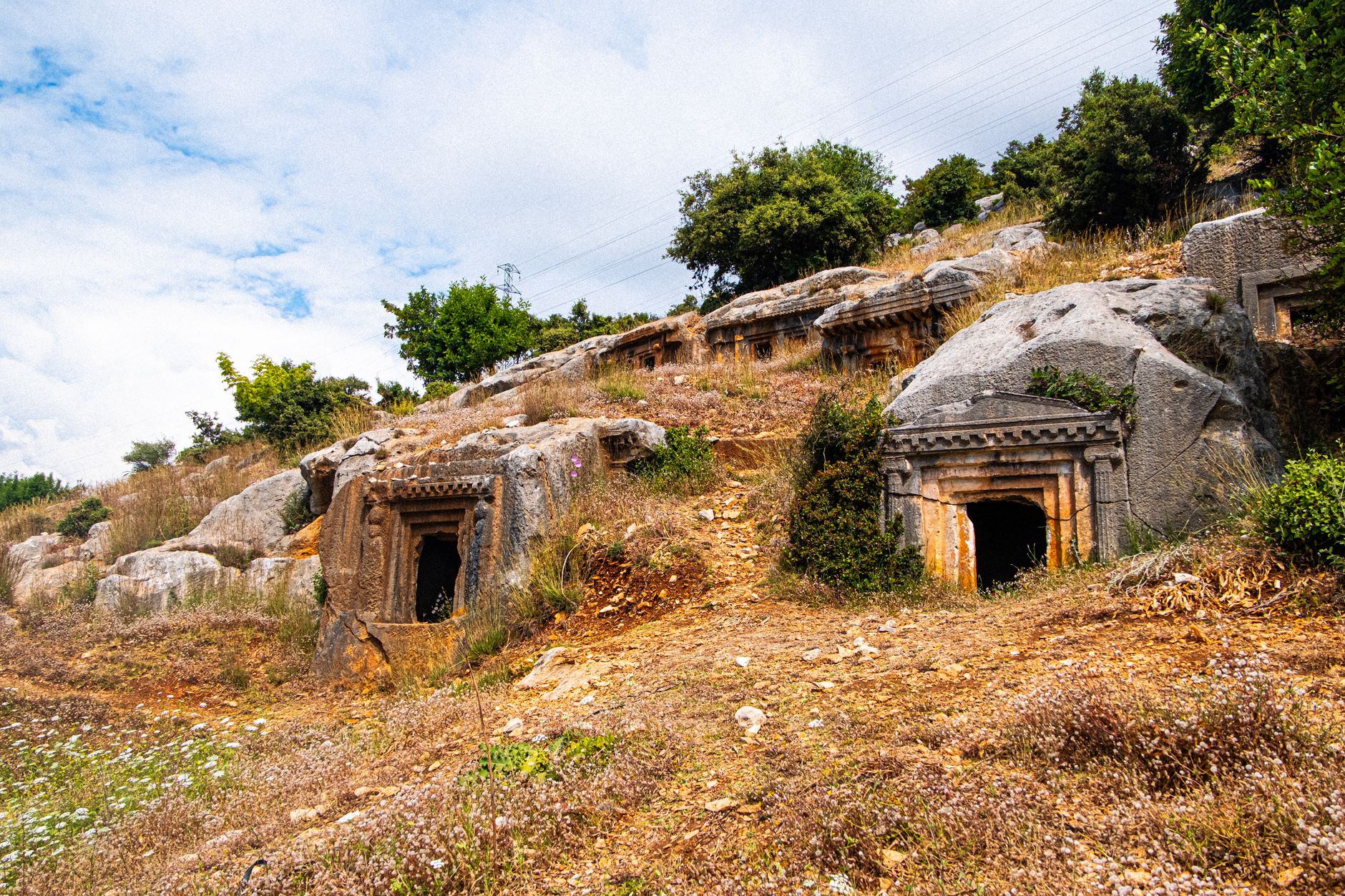
The Lycians were an ancient people who inhabited the Teke Peninsula (modern-day Antalya and Muğla provinces) from as early as the 2nd millennium BCE. They are best known for their unique funerary architecture: tombs carved directly into the limestone cliffs, often designed to resemble wooden houses or temple facades. These tombs are not just burial sites; they are a testament to the Lycians' beliefs about death, the afterlife, and their connection to the sea.
One of the most iconic examples is the **Tomb of Amyntas** in Fethiye (ancient Telmessos). Carved into the cliff face in the 4th century BCE, it mimics the facade of a Greek temple with two Ionic columns and a triangular pediment. Although the tomb itself is not accessible for entry, the view from below is breathtaking, especially at sunset when the golden light bathes the rock.
Another must-see is the **Myra Necropolis** near Demre, where hundreds of tombs are carved into a massive cliff. The most famous are the **“Painted Tombs”** and the **“Temple Tombs”**, which stand out for their elaborate reliefs and inscriptions. The site also includes a well-preserved Roman theatre and the church of St. Nicholas, making it a rich historical package.
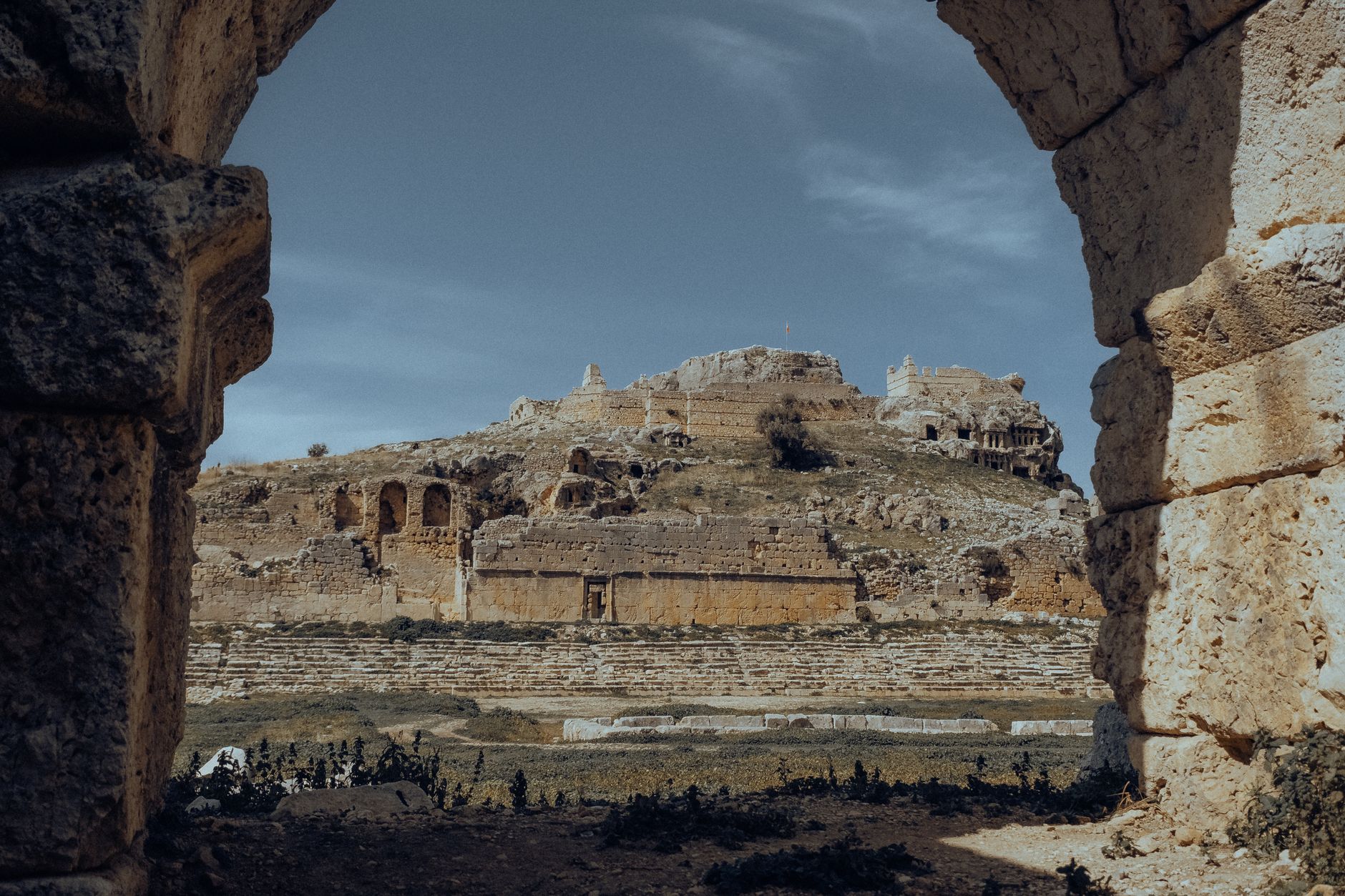
Beyond these, the **Limyra** and **Tlos** sites offer their own dramatic tombs. In Tlos, the tomb of **Bellerophon** is perched high on a cliff, overlooking the ancient city and the Xanthos Valley. The climb is steep but rewarding: the view from the top is spectacular, and the sense of history is palpable.
Beyond Lycia: Other Remarkable Rock-Cut Tombs in Türkiye
While Lycia is the undisputed capital of rock-cut tombs, Türkiye is home to other striking examples that are equally awe-inspiring. In the **Cappadocia** region, the rock-cut churches and dwellings are famous, but there are also **rock-cut tombs** in the **Göreme** area, though they are less elaborate than their Lycian counterparts.
Further east, in **Cilicia**, the **Adamkayalar** (Man Rocks) near Mersin feature a series of rock reliefs depicting human figures, including a Roman soldier and a family, carved into a rocky gorge. These are less visited but offer a fascinating glimpse into the region's history.
In **Phrygia**, near Afyonkarahisar, the **Aslantaş** and **Yılantaş** monuments are carved into volcanic tuff, though they are more religious than funerary. The **Midas Monument** (Yazılıkaya) is a massive rock-cut facade dedicated to the Phrygian goddess Cybele, demonstrating the diversity of rock-cut architecture across Anatolia.
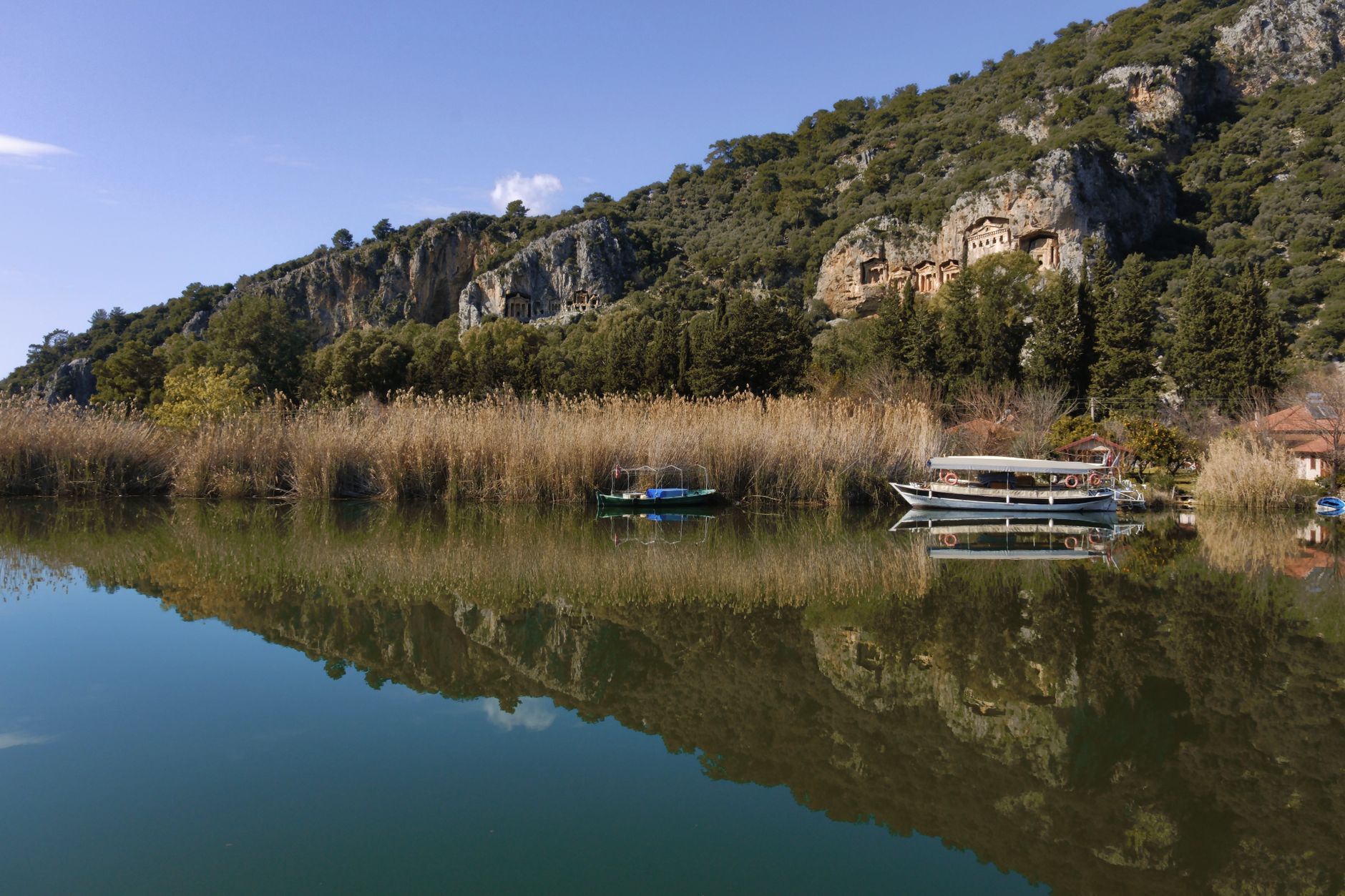
For those willing to venture further, the **rock-cut tombs of Kaunos** near Dalyan are also noteworthy. Kaunos was a Carian city, and its tombs are carved into the cliffs overlooking the Dalyan River. The site is accessible by boat or road and makes a perfect day trip from the coast.
Practical Tips for Visiting: How to Make the Most of Your Trip
Visiting these ancient sites requires a bit of planning to ensure a smooth and enjoyable experience. Here are some practical tips:
- Best Time to Visit: The ideal months are April-May and September-October, when the weather is mild and crowds are sparse. Summers can be scorching, especially at midday, so start early or go late in the afternoon.
- Best Time of Day: For photography and comfortable temperatures, visit early morning (right after opening) or late afternoon (2-3 hours before sunset). The light is soft, the sites are quieter, and you'll avoid the tour bus crowds.
- Accessibility: Many tombs are carved into cliffs, which means steep paths and uneven steps. Wear sturdy shoes and be prepared for some climbing. If you have mobility issues, stick to the more accessible sites like the Tomb of Amyntas, which is visible from the road and has a viewing platform.
- Tickets and Guides: Most sites have small entrance fees (typically 50-100 TL). Consider hiring a local guide to enrich your understanding of the history and symbolism. Audio guides are available at major sites like Myra.
- What to Bring: Water, sunscreen, a hat, and a camera. Some sites have little shade, so protection from the sun is essential.
- Respect the Sites: These are ancient monuments; do not climb on the tombs or touch the carvings. Help preserve them for future generations.
For more general advice on traveling in Türkiye, check out our guides section, which covers everything from cultural etiquette to transportation.
Pairing with Coastal Towns: Easy Day Trips and Itineraries
One of the joys of exploring Lycia's rock-cut tombs is that they are often close to charming coastal towns, making it easy to combine heritage with relaxation. Here are some suggested pairings:
- Fethiye and the Tomb of Amyntas: Spend the morning exploring Fethiye's old town and harbor, then hike up to the Tomb of Amyntas for panoramic views. In the afternoon, relax at Ölüdeniz Beach or take a boat trip to the Blue Lagoon.
- Demre (Myra) and Kaş: Visit the Myra Necropolis and St. Nicholas Church in the morning, then drive to Kaş (about 45 minutes) for a late lunch by the sea. Kaş is a delightful town with a bohemian vibe and excellent diving opportunities.
- Tlos and Kalkan: Explore the ancient city of Tlos and its cliffside tombs, then head down to Kalkan (about 30 minutes) for a leisurely afternoon of boutique shopping and seaside dining.
- Kaunos and Dalyan: After visiting the Kaunos tombs, take a boat trip along the Dalyan River to the famous İztuzu Beach, a protected nesting ground for loggerhead sea turtles.
For more inspiration on itineraries that combine history and coast, see our itineraries page.
Best Times of Day and Seasonal Insights
The lighting and atmosphere of these sites change dramatically throughout the day. Here's a breakdown:
- Early Morning (8-10 AM): The soft, diffused light highlights the texture of the rock and the carvings. Sites are peaceful, and you'll often have them almost to yourself. This is also the coolest time for climbing.
- Midday (11 AM-3 PM): Harsh overhead light can wash out details, and the heat can be intense. Avoid if possible, or visit sites with shade or indoor museums.
- Late Afternoon (4 PM-Sunset): The golden hour is magical for photography, especially at coastal sites like the Tomb of Amyntas, where the setting sun casts a warm glow on the cliff face. Crowds thin out, and the temperature becomes pleasant.
Seasonally, spring brings wildflowers and lush greenery, while autumn offers stable weather and fewer tourists. Winter visits are possible but some sites may have reduced hours, and rain can make paths slippery.
Why These Wonders Remain Uncrowded and Well-Preserved
Despite their historical significance, many of Lycia's rock-cut tombs are not as heavily visited as other archaeological sites in Türkiye. This is partly due to their location: they are often tucked away in cliffs or require a bit of a hike, which deters mass tourism. Additionally, the Turkish government has taken steps to protect these sites, limiting access to some areas to prevent damage.
The lack of crowds means you can experience these ancient wonders in a more intimate and contemplative way. You can stand where Lycians once stood, feel the cool stone, and imagine the ceremonies that took place centuries ago. It's a rare opportunity to connect with history without the distractions of modern life.
By visiting responsibly and respecting the sites, you contribute to their preservation for future generations. For more on sustainable travel in Türkiye, see our trust page.
Conclusion: A Journey Through Time
Türkiye's rock-cut tombs are more than just archaeological sites; they are portals to an ancient world, carved by a civilization that revered the sea and the sky. From the majestic cliffs of Myra to the serene heights of Tlos, these monuments offer a glimpse into the Lycian way of life and death. They are accessible, awe-inspiring, and surprisingly uncrowded — perfect for curious travelers seeking authentic experiences.
So pack your walking shoes, bring your camera, and set out to explore these dramatic heritage sites. Whether you're pairing them with a day at the beach or a boat trip along the coast, the rock-cut tombs of Lycia promise an adventure that will stay with you long after you return home.
Ready to plan your trip? Explore our destinations page for more inspiration, or use our planner to create a customized itinerary that includes these incredible sites.
Thinking about a trip to Turkey?
Share your contact details and a vetted local expert will follow up with a plan built around you — free, no obligation.