
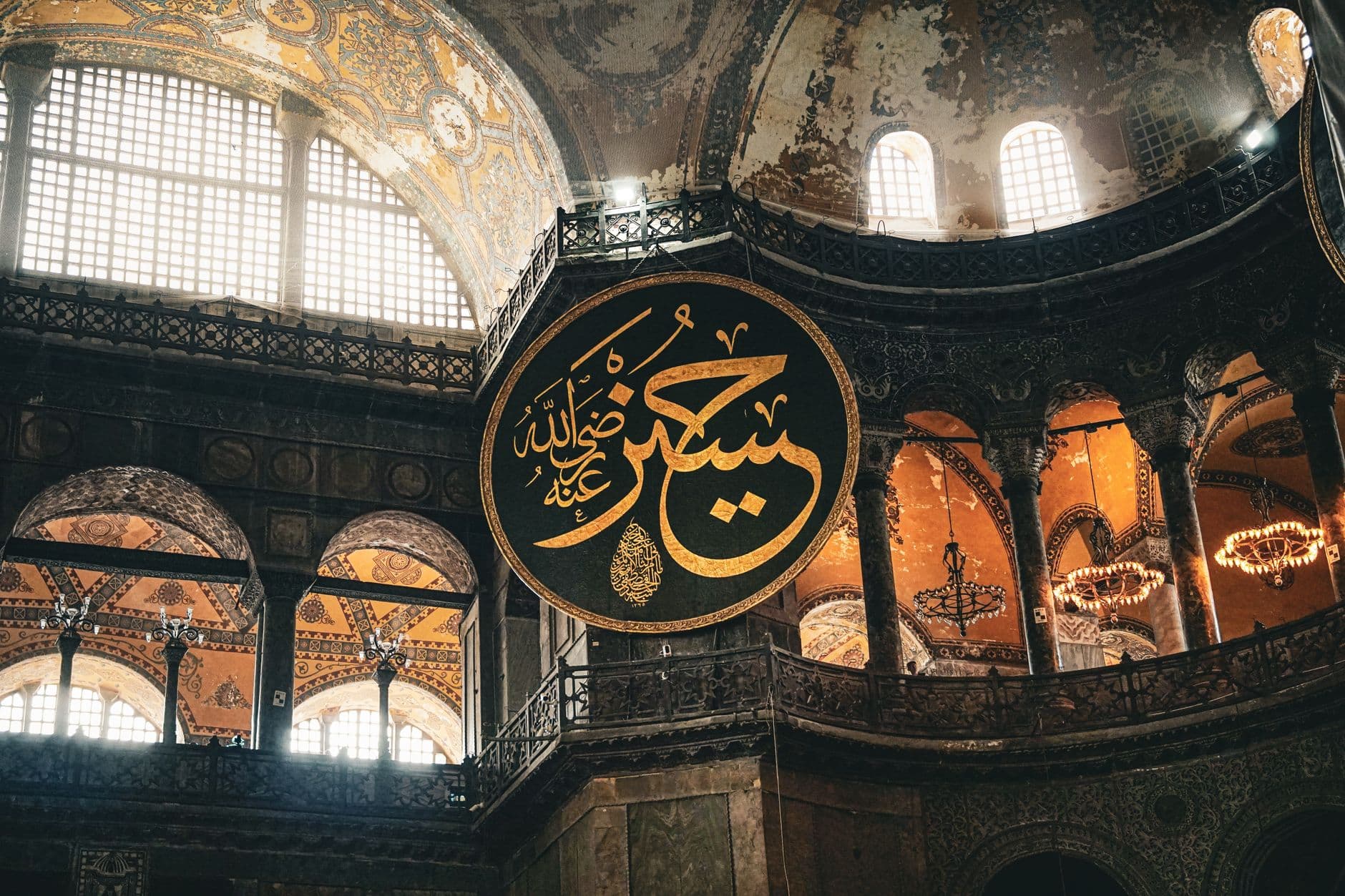
A Land Where Sacred Stones Stack Upon Each Other
Few countries hold as dense a weave of sacred architecture as Türkiye. Walk through almost any historic quarter and you will pass the columns of a Roman temple, the apse of a Byzantine church, the minaret of a Seljuk or Ottoman mosque, and the courtyard of a synagogue — often within a few hundred metres of one another. This layering is not an accident of geography. Anatolia sat at the crossroads of empires, trade roads and pilgrimage routes, and each community that settled here left its houses of prayer behind for the next generation to inhabit, adapt and care for.
What makes travel here so moving is that this is not a museum of conflict. It is, more often, a story of coexistence and craftsmanship. Ottoman architects recycled Byzantine spolia into new walls; Jewish congregations built synagogues beside mosques and churches; Greek, Armenian, Syriac and Latin communities each developed distinctive liturgical architecture while sharing masons, stone, and decorative vocabularies. Today, an impressive network of state, municipal, foundation and community-led restoration projects is bringing these buildings back to life.
This heritage trail is an invitation to visit them with curiosity, patience, and respect — to admire the craft, to learn the histories, and to support the communities and caretakers who keep these places open.
Istanbul: A City of Overlapping Sanctuaries
Begin in Istanbul, where the palimpsest is most visible. Hagia Sophia is the great emblem: a sixth-century Byzantine basilica whose vast dome later framed an Ottoman mosque, and whose fabric today reveals layers of mosaic, calligraphy and stonework from many centuries. Nearby, the Chora Church (Kariye) preserves some of the finest Byzantine mosaics and frescoes anywhere in the world, while the Süleymaniye Mosque shows the genius of Ottoman architect Mimar Sinan at his most confident. Seeing the two within a morning is a lesson in how different faiths approached light, proportion and the divine.
Cross over to the old Jewish quarters of Balat and Hasköy to find synagogues such as the Ahrida Synagogue, with its celebrated boat-shaped bimah, and the Neve Shalom Synagogue in Galata. Many are active congregations with security protocols, so visits are usually arranged in advance and coordinated with community representatives — a reminder that these are living sacred spaces, not attractions. In the same neighbourhoods, the Patriarchal Church of St. George in Fener and the Bulgarian St. Stephen Church, cast entirely in iron, add further textures to the walk.
The joy of an Istanbul sacred-heritage day is its rhythm: a whispered mosaic, a courtyard tea, a call to prayer, the scent of old wood in a synagogue gallery. Allow time to wander rather than tick off sites, and check opening hours the day before, as restoration work and prayer schedules can shift them.
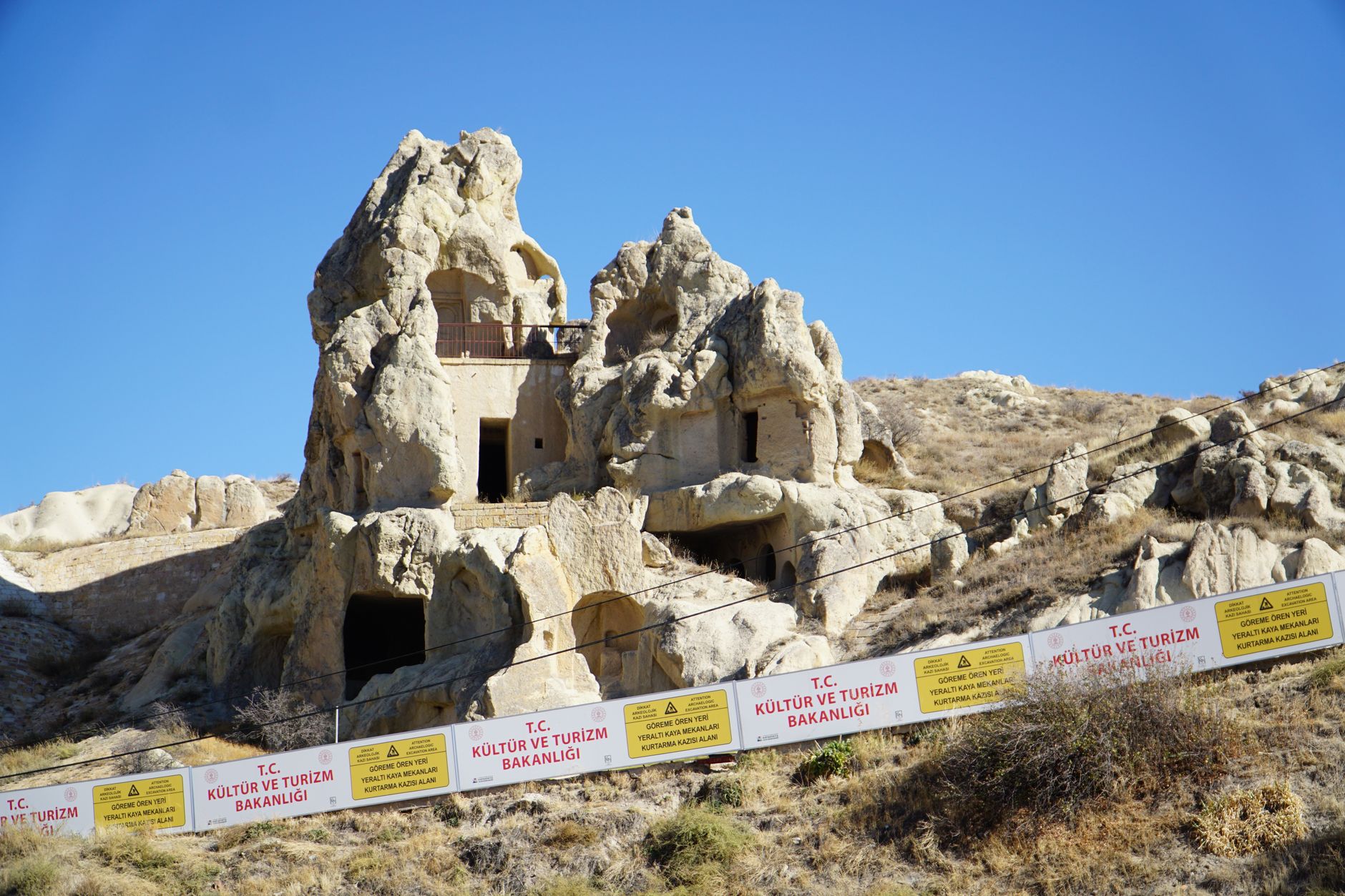
Cappadocia: Cave Churches and the First Christian Monasteries
In Cappadocia, faith was carved rather than built. The soft volcanic tuff of the Göreme valley allowed early Christian communities to hollow out churches, refectories and hermitages, many decorated with frescoes in ochre, rust and lapis. The Göreme Open Air Museum gathers the most famous examples — the Dark Church, the Apple Church, the Snake Church — while quieter valleys such as Zelve and the Soğanlı Valley hide dozens more. Walking from chapel to chapel through pigeon-filled valleys is one of the great slow-travel experiences in Türkiye.
Below ground, cities like Kaymaklı and Derinkuyu show how communities sheltered together during periods of insecurity, with chapels, storage rooms and ventilation shafts cut deep into the rock. Above ground, the Göreme and Mustafapaşa villages preserve stone churches and the occasional mosque built by the same local masons, a quiet testament to neighbours who shared skills across generations.
Because frescoes are fragile, flash photography is usually prohibited and some interiors are closed seasonally. Hire a local guide where possible: the best stories — which community worshipped where, how pigments survived — live with the people who know the valleys.
The Aegean and Mediterranean: Ephesus, Miletus and Antakya
On the Aegean coast, the ancient city of Ephesus offers an architectural timeline in one site: the terraced houses, the great Library of Celsus, and the nearby Basilica of St. John in Selçuk, built over the apostle's reputed tomb. The House of the Virgin Mary above the modern town is a modest chapel and pilgrimage site that welcomes visitors of many faiths. Further south, Miletus and Aphrodisias show how Roman civic architecture later fed into Byzantine church building.
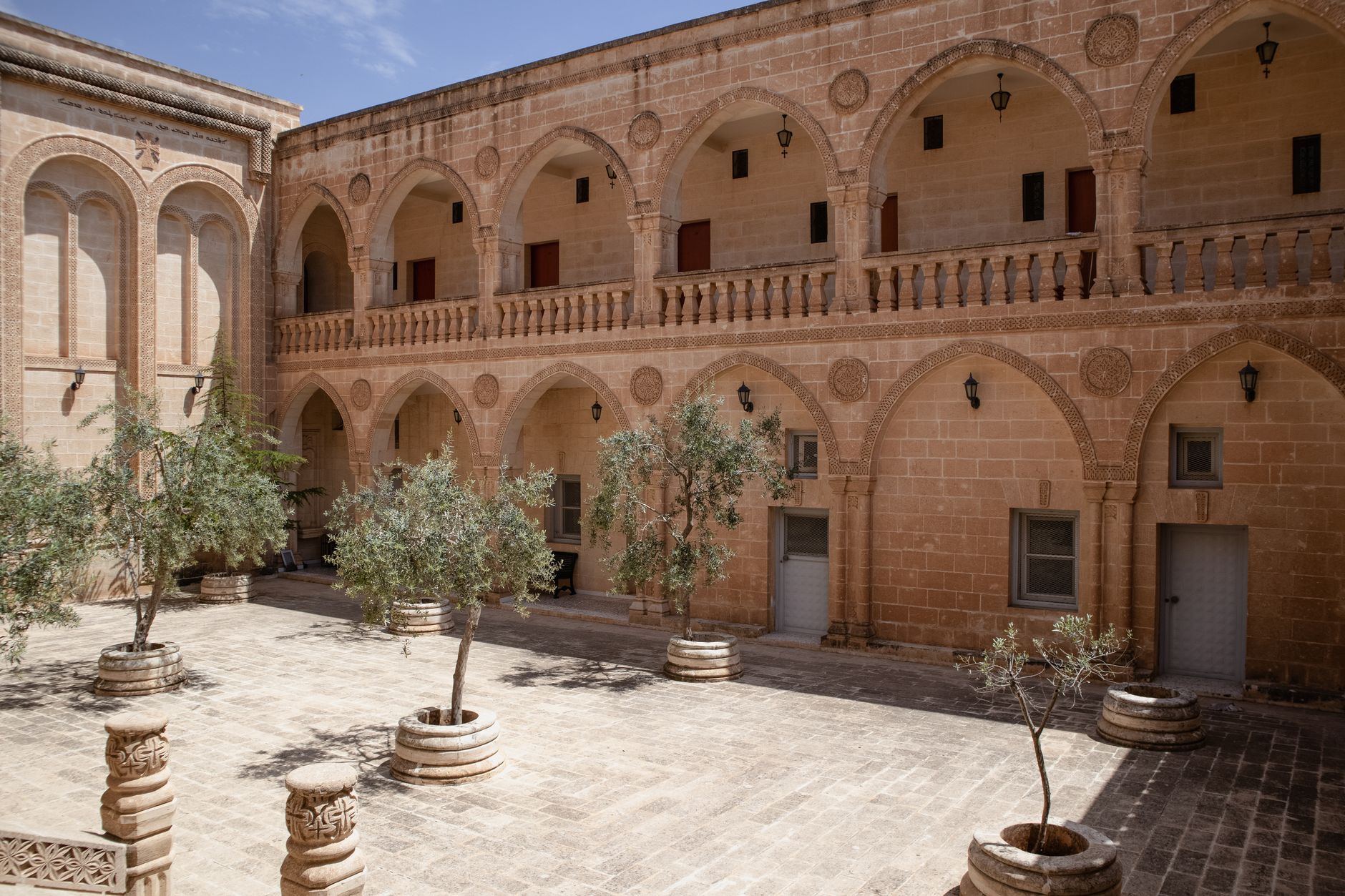
In the southeast, Antakya (Antioch) and the surrounding region are home to some of the oldest Christian communities in the world, with Syriac Orthodox, Greek Orthodox and Catholic congregations. The area's churches and monasteries have been painstakingly restored after the devastating 2023 earthquakes, and visiting today is a way to support local recovery. Nearby Mardin and the Tur Abdin plateau hold ancient Syriac monasteries such as Deyrulzafaran, where monks still welcome respectful guests.
In İzmir and Sardis, the remains of one of the ancient world's great synagogues remind travellers that Jewish life in Anatolia stretches back millennia. These sites are often best understood with a guide who can connect the archaeology to the living communities that remain.
Anatolia's Heartland: Konya, Kayseri and Seljuk Masterpieces
Central Anatolia is the land of the Seljuks, whose mosques, medreses and caravanserais set a distinctive architectural tone. In Konya, the Mevlana Museum and the surrounding complex honour Rumi, the mystic poet whose whirling dervish tradition still draws pilgrims from around the world. The city's Alaeddin Mosque and the İnce Minareli Medrese show the confident stone carving and tilework of the period.
In Kayseri, the Hunat Hatun Complex packs a mosque, medrese, hamam and tomb into one harmonious ensemble, a reminder that Seljuk patronage built entire social ecosystems around prayer. Further east, Divriği's Great Mosque and Hospital, a UNESCO World Heritage Site, is celebrated for its extraordinary carved portal — a masterpiece often described as one of the finest examples of Islamic stonework anywhere.
Alongside these monuments, small towns hide Armenian and Greek churches, often modest stone buildings now being restored by local municipalities. Ask at the local museum or tourist office; caretakers are often delighted to explain the history and the restoration work.
How to Visit With Respect and Care
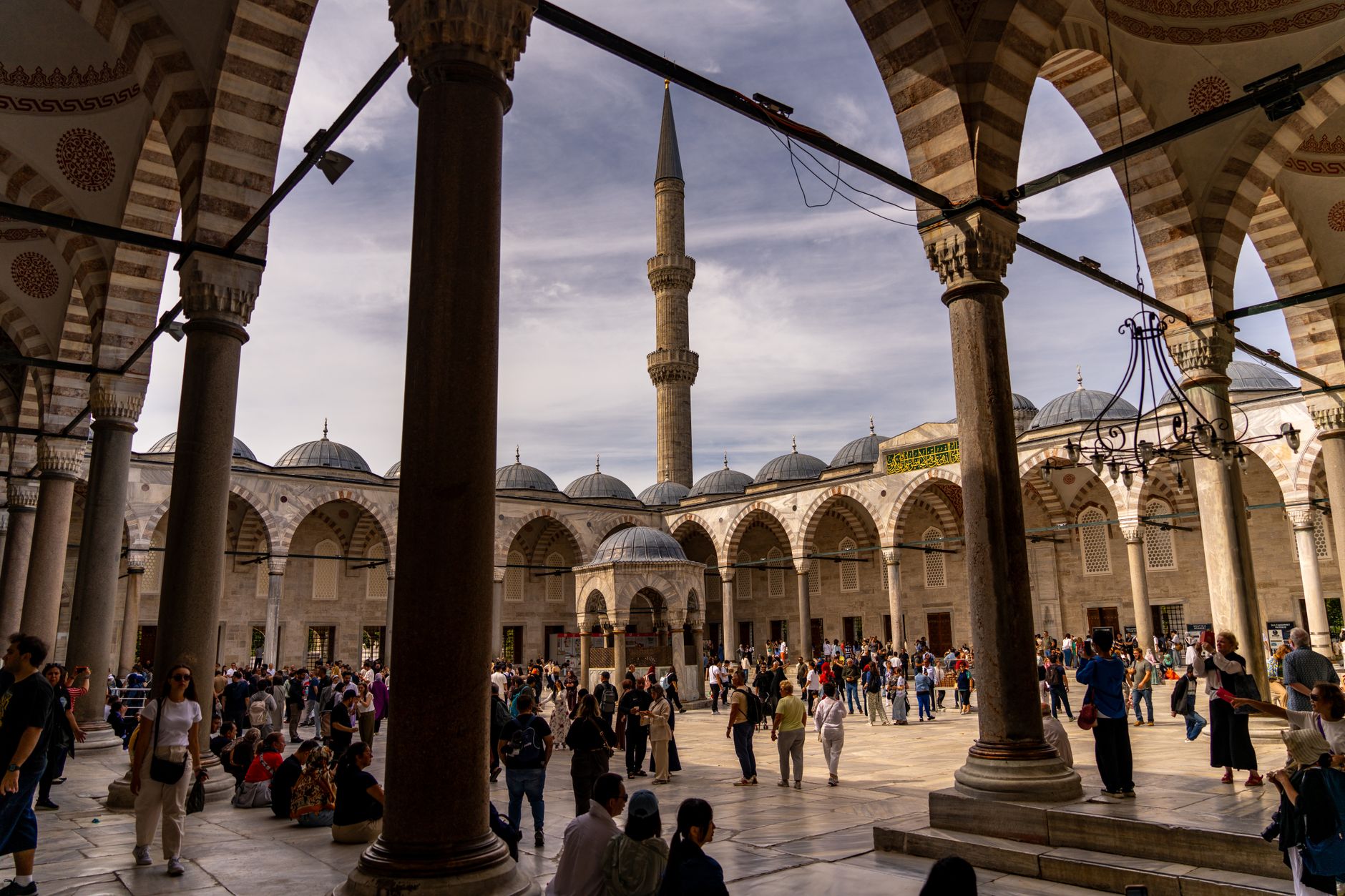
These are living sacred spaces. Dress modestly — shoulders and knees covered is a safe default for all faiths — and remove shoes when entering mosques and synagogues; many churches appreciate the same courtesy. Women may be asked to cover their hair in some mosques and synagogues, so carry a light scarf. Speak softly, avoid photographing worshippers, and never photograph during prayer unless you are explicitly invited to.
Opening hours vary widely. Major mosques are generally open daily but closed to visitors during prayer times (typically five short windows across the day). Churches and synagogues often have limited hours, may require advance arrangements, and may ask for a donation. Always check locally and be flexible. During Ramadan and major religious holidays, schedules change significantly.
Support preservation by hiring local guides, buying from nearby artisans, and respecting any restoration cordons. If you want help stitching a route together, our travel guides and trip planner can help shape an itinerary, and our local experts can connect you with guides who know these communities well. For broader context on the country's heritage, see our destinations and blog.
How to Build Your Heritage Trail
A thoughtful itinerary moves from the monumental to the intimate: start in Istanbul for the grand set pieces, head to Cappadocia for the cave churches, then follow the Aegean coast for Greco-Roman and Byzantine layers, finishing in the southeast for Syriac Christian and multi-faith communities. Allow at least two weeks to do this without rushing; three weeks if you want to include Konya, Kayseri and Divriği.
Spring and autumn are the most comfortable seasons for walking between sites, and daylight hours are generous for fresco viewing. Book synagogue and small church visits well ahead, carry cash for donations and small entry fees, and keep a paper note of opening hours — signal can be patchy in the valleys and old towns.
Above all, travel with the spirit these buildings embody: curiosity about neighbours, admiration for shared craft, and gratitude for the communities that have kept the lamps burning for centuries.
Thinking about a trip to Turkey?
Share your contact details and a vetted local expert will follow up with a plan built around you — free, no obligation.