

Türkiye has always been a country that takes words seriously. From the divan poets who measured the world in couplets to the newspapers that still sell out on election mornings, reading here is a social act — something you do on a wooden stool in a passage, with tea arriving every twenty minutes. Nowhere is that more visible than in the country's second-hand bookshops, known as sahaf, and in the antique book bazaars where dealers spread their wares on carpets and trestle tables and locals settle in for hours.
This is a trail for travellers who would rather come home with a dog-eared 1960s novel than a fridge magnet. It winds through Istanbul's covered passages, along Izmir's breezy seafront and into Ankara's old commercial heart. Bring a tote bag, learn a few polite phrases, and set aside a half day in each city — the cafés along the way are half the pleasure.
What Is a Sahaf? A Short Guide to Turkish Book Culture
The word sahaf comes from Arabic and originally meant a dealer in manuscripts and rare books. Today it covers everything from a dusty shop stacked to the ceiling with paperbacks to a specialist who can date an 1890s lithograph by its watermark. You will also see ikinci el kitap (second-hand book) and eski kitap (old book) on signs. Antique book bazaars, often called sahaf pazarı or kitap pazarı, usually run one day a week and are a mix of professional dealers and families clearing out attics.
Turkish book culture has a strong collective streak. Municipal libraries are well used, street-side kırtasiye (stationery and book shops) sell both textbooks and poetry, and a bookshop owner will happily spend ten minutes discussing a novel's translator with a stranger. That warmth is your invitation: browsing here is conversational, not silent. A greeting, a question about a particular author, and a compliment for a well-kept edition go a long way.
Two technical notes help. First, Turkish publishing switched from the Arabic script to the Latin alphabet in 1928, so pre-1928 books are Ottoman-script Osmanlıca and most modern Turks read them only with training — which is precisely why they are collectible. Second, prices are rarely fixed at bazaars but are usually fair; haggling hard over a 40-lira paperback is considered poor form.
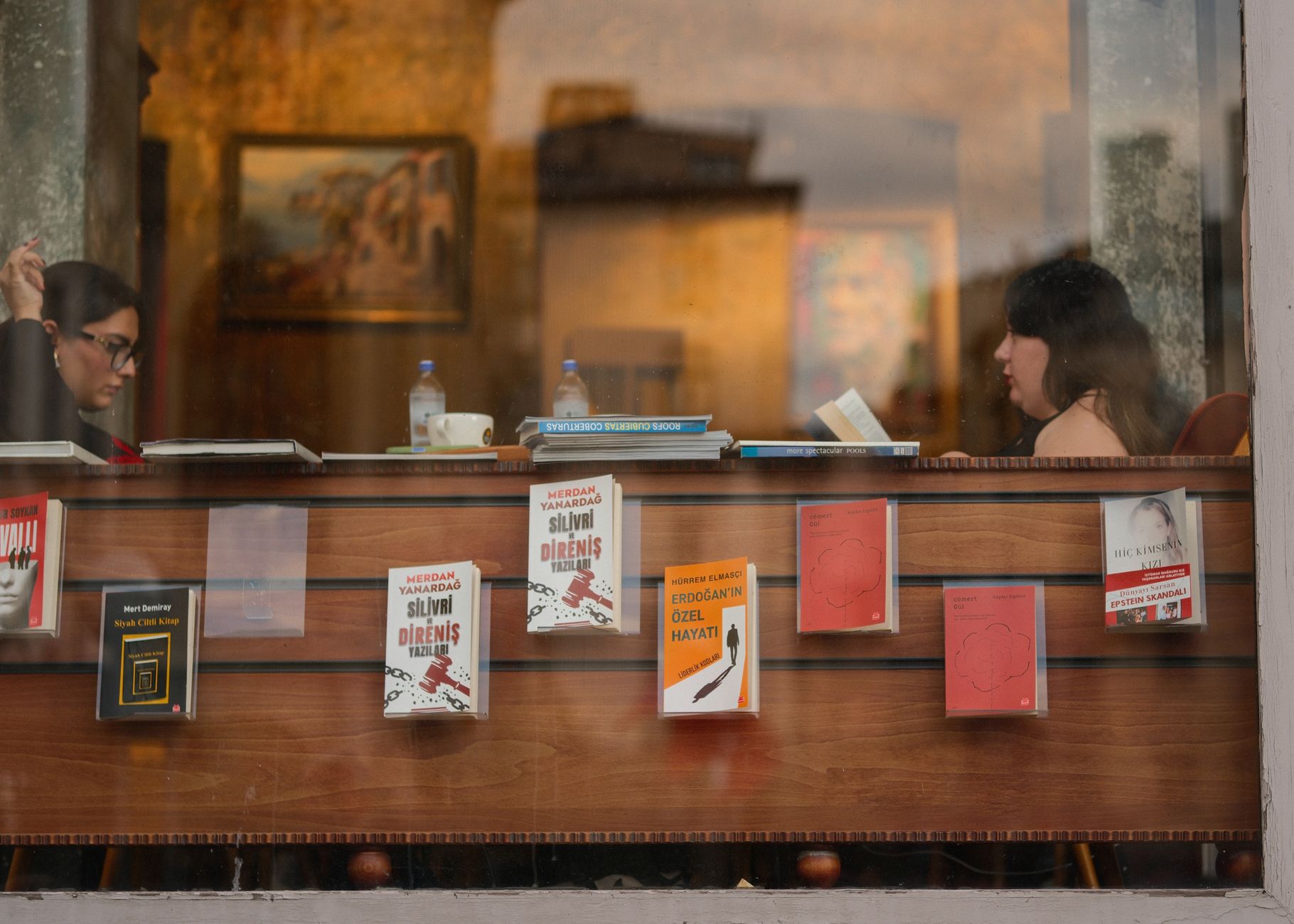
Istanbul: The Classic Sahaf Trail Through Beyoğlu and the Grand Bazaar
Start in Beyoğlu, where the old han buildings off İstiklal Caddesi hide passages full of second-hand shops. The area around Galatasaray High School and the Çiçek Pasajı has a long literary pedigree: this is where mid-century publishers set up shop and where poets drank their way through the 1950s. Wander the side streets behind the consulates, and you will find stairs leading to upper floors where the front room is a café and the back room is books.
The Grand Bazaar's Sahafçılar Caddesi — literally "Second-hand Booksellers Street" — is the historic heart of the trade, and the name alone is worth the walk. Expect leather-bound volumes, old postcards, maps, calligraphy manuals and a scattering of English, French and German novels that arrived with travellers and never left. Nearby Sahaflar Çarşısı, the small book bazaar tucked between the bazaar and Beyazıt Square, has been a book market since Byzantine times and remains the single best place in the city to begin a serious collection.
For a weekend fix, check what is on at the city's rotating book festivals and flea markets — always confirm dates and locations locally, as many bazaars shift with the seasons. The municipality's cultural listings and the neighbourhood muhtar's noticeboard are surprisingly reliable.
"A good sahaf does not sell you a book. He introduces you to one, then lets you two get acquainted."
Between shops, sit down. A çay at a passage café, a plate of muhallebi near Galatasaray, or a proper breakfast in Karaköy turns a shopping trip into a morning out. If you are building a longer city itinerary, our guides cover neighbourhoods and walking routes that pair naturally with a book-browsing day.
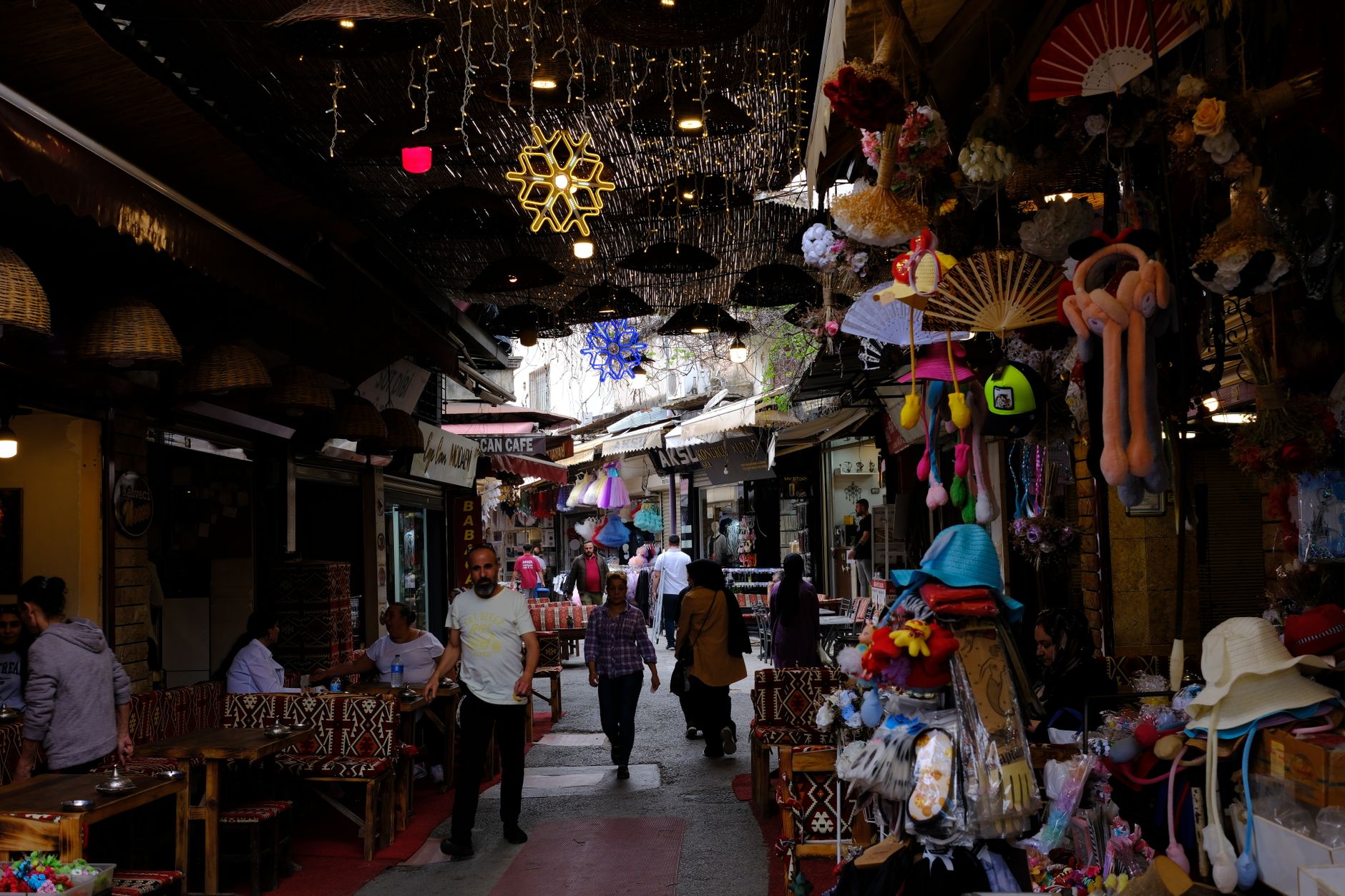
Izmir: Sea-Breeze Bazaars and the Kemeraltı Book Alleys
Izmir's book scene is looser, saltier and more Mediterranean. The heart of it is Kemeraltı, the vast covered market where, among spice stalls and coppersmiths, you will find stationers and second-hand dealers tucked into courtyards. The surrounding streets near Konak Square and the old Synagogue district have a scattering of shops with excellent foreign-language shelves — French and Greek are especially common, a legacy of the city's cosmopolitan past.
Weekend book bazaars pop up in Izmir with the weather, often in the courtyard of a cultural centre or along a park edge, and the city's book-loving student population keeps prices keen. The real pleasure here is the pace: a dealer will pour you a glass of tea, ask where you are from, and then produce a box of 1970s Penguin paperbacks he was saving for someone exactly like you.
Finish along the Kordon, the seafront promenade, where cafés serve boyoz and strong coffee with a view of the bay. It is the perfect place to open whatever you just bought. Izmir also makes an easy base for a wider Aegean loop — see our destinations pages for what to pair with a city day.
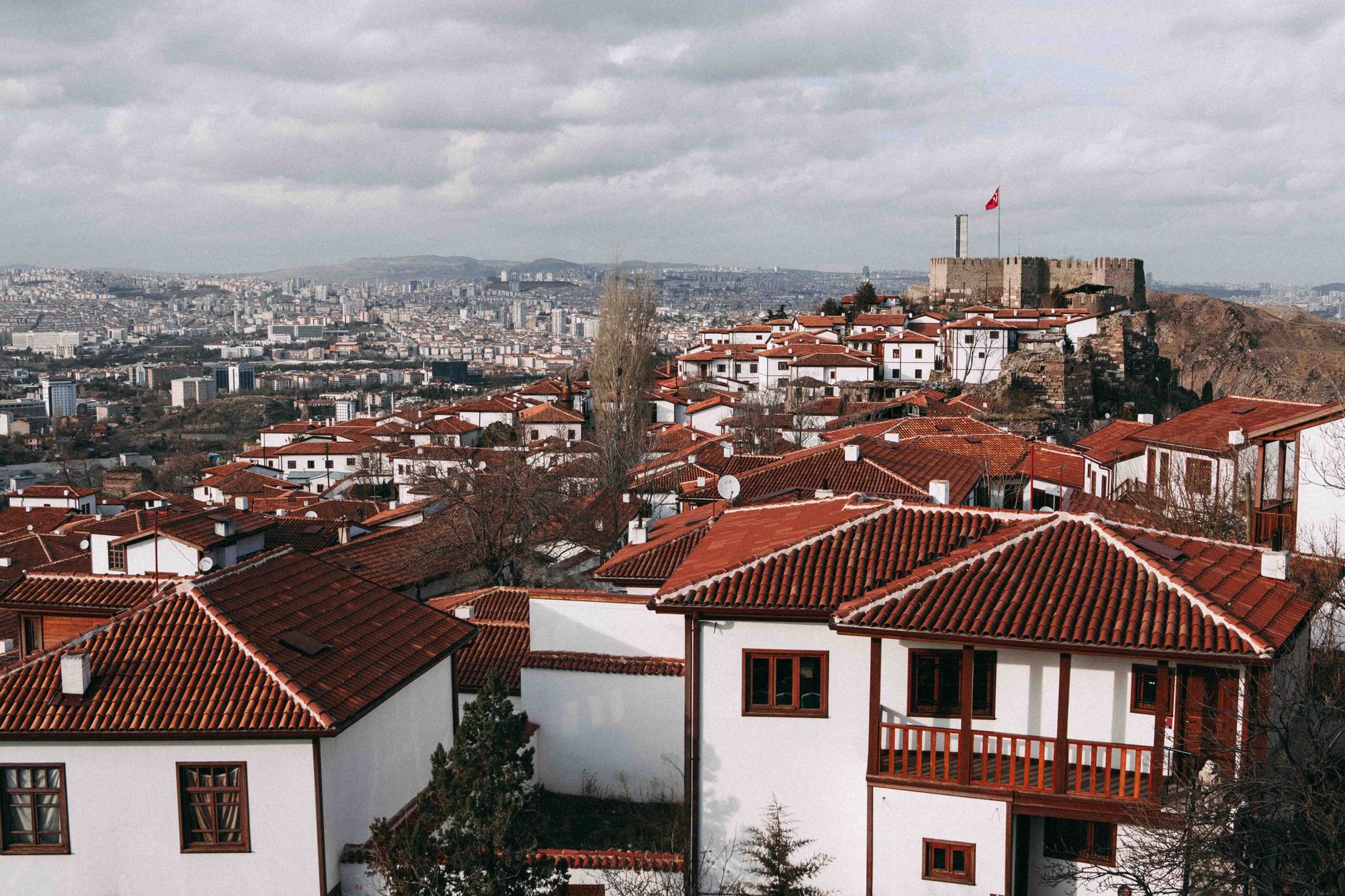
Ankara: The Capital's Old-Quarter Bookshops
Ankara is the most underrated stop on this trail. Around Ulus and the old commercial district, and in the streets below Ankara Castle, bookshops specialise in the things capitals collect: law, history, politics, and out-of-print editions of the early Republic. The sahaflar here are often run by retired teachers and civil servants who will discuss the 1940s press laws with alarming enthusiasm — a wonderful education if you show genuine interest.
The city's main second-hand book bazaars tend to cluster around university districts and cultural centres, and the student neighbourhoods near Kızılay and the Cebeci side of town are good for cheap contemporary fiction. Ankara's bookshops are also the most likely of the three cities to stock English-language academic titles and translated Turkish classics, making it a fine place to load up before a long bus or train ride.
After browsing, head uphill into the castle for a slow lunch of grilled meat and ayran in a restored Ottoman house, or retreat to a Kızılay café to sort your haul. Our itineraries can help you slot a half-day of browsing into a wider Anatolian route.
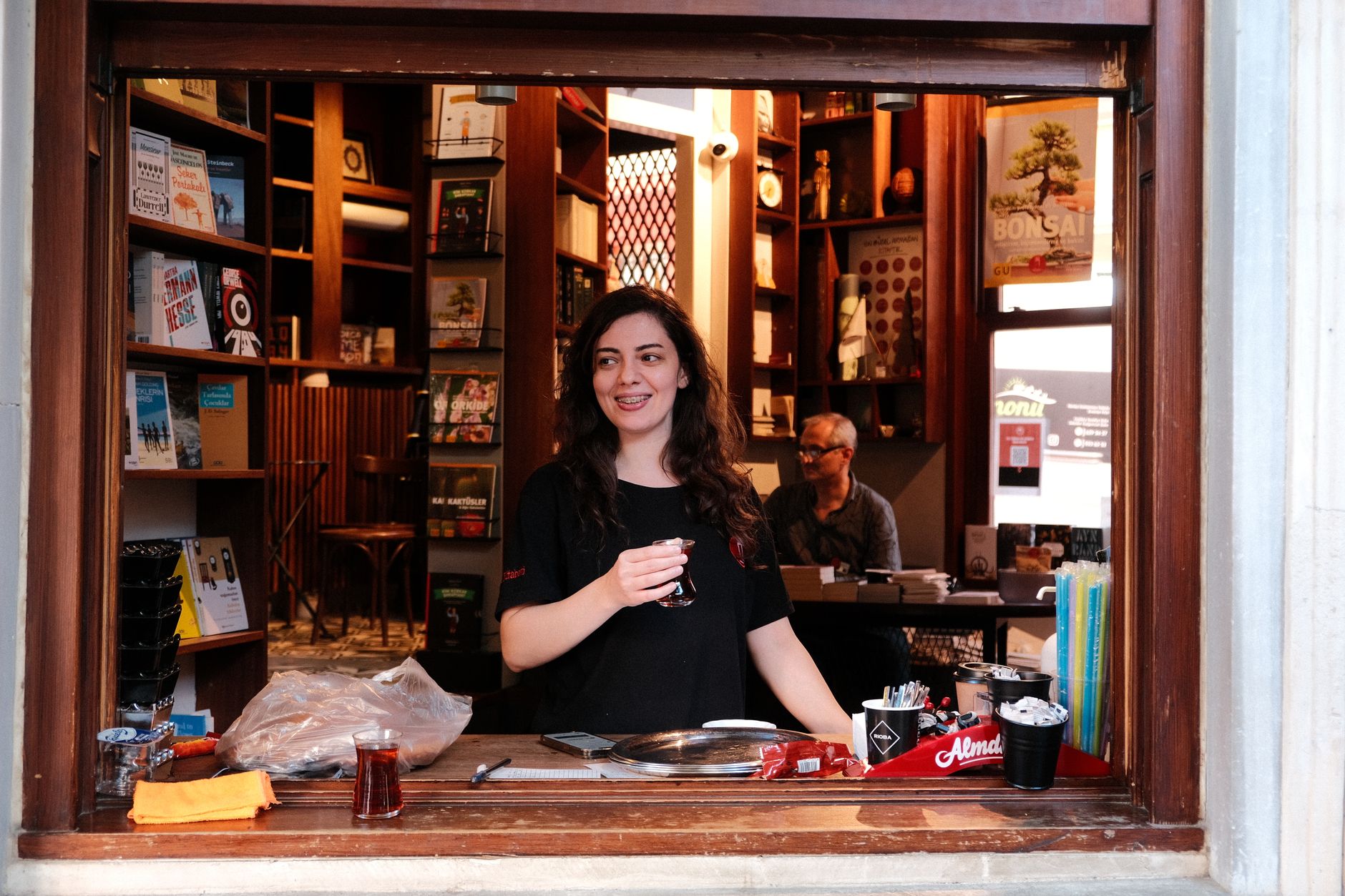
How to Browse Politely (and Get the Best Out of a Dealer)
Turkish bookshop etiquette is relaxed but real. Greet the owner when you enter — merhaba or kolay gelsin ("may it come easy") both work — and ask before pulling a stack apart. If a book is behind glass or in a locked case, point and ask; the dealer will almost always open it for you. Handle old paper with clean, dry hands, avoid folding covers back, and do not photograph pages without asking.
Prices at bazaars are quoted per item and are generally firm-but-friendly. A gentle "ne kadar olur?" ("what would it come to?") invites a small discount, especially if you are buying several things. For genuinely rare material, expect to pay what it is worth; collectors here know their market.
- Ask questions. "This edition, which year?" (Bu baskı hangi yıl?) opens doors — dealers love explaining.
- Carry cash. Many small shops and all bazaar stalls are cash-only.
- Bring a tote bag. Plastic bags are frowned upon and flimsy for heavy volumes.
- Do not reshelve. Hand books back to the dealer; their system is invisible to you.
A final courtesy: if you are only browsing, say so cheerfully — "sadece bakıyorum" — and nobody will be offended. Turkish shopkeepers are famously patient with browsers.
What to Look For in Ottoman-Era Prints and Rare Editions
Ottoman-era printed books divide roughly into two groups: lithographs produced in Istanbul from the mid-19th century, and later letterpress work. Lithographed books often have beautiful hand-lettered covers and were cheaply made, so condition varies wildly. Check the spine for wormholes, the margins for water staining, and the first and last pages for missing leaves — dealers will usually point these out themselves if you ask.
Look for the kolofon, the closing page that records the printer, place and date, often in Ottoman Turkish with a hijri year. A conversion chart in your phone notes is handy: 1300 hijri is roughly 1884. Signed or stamped copies (imzalı, kaşeli) carry a premium, as do books from famous Istanbul presses such as Matbaa-i Amire. Maps, salname (yearbooks) and illustrated travel accounts are perennially sought after.
For non-Ottoman rarities, look for first editions of Republican-era classics, 1960s–70s paperbacks with their original covers, and small-press poetry chapbooks, which are wildly undervalued. Provenance matters: a bookplate, an inscription or a bookseller's ticket inside the cover adds story and value. If you are unsure, ask a dealer to recommend a conservator rather than attempting repairs yourself.
Finding Multilingual Treasures
English-language second-hand books are common in Istanbul's Beyoğlu and in Ankara's university districts; French turns up in Izmir and in Istanbul's older passages; German appears where guest workers' libraries were dispersed. Greek, Armenian and Ladino material is rarer and more specialist — ask, and be prepared to leave your contact details. Book dealers network, and a book you want may be in another city by the weekend.
Translations of Turkish literature into English are an excellent buy: look for early Penguins, vintage editions of Yaşar Kemal or Orhan Pamuk, and anything published by small presses in the 1980s. They are both souvenirs and reading material, and they travel better than ceramics.
Electronic payment is spreading, but many sahaf still prefer cash; our travel tools page has practical notes on money, connectivity and city transport. If you want a local expert to shape a book-themed day around opening hours and market days, the experts we work with know these streets well.
Turning the Trail into a Relaxed Half-Day Outing
The secret to book browsing is to stop before you are tired. A good rhythm is two hours of shops, an hour at a café with your finds, then one more gentle loop. In Istanbul, pair Sahaflar with a Beyoğlu passage café; in Izmir, pair Kemeraltı with the Kordon; in Ankara, pair Ulus with a castle lunch. All three cities reward slow mornings over ambitious checklists.
Check opening hours before you go: many small shops close on Sundays, while bazaars are often weekend-only. Bring a small notebook for dealer recommendations, and photograph the spines of anything you leave behind so you can hunt it later. Most importantly, leave room in your luggage — and in your afternoon — for the book you did not know you were looking for.
For the best seasons to plan this kind of gentle city wandering, see our best-time guide, and if you would like the whole trip assembled around books, markets and cafés, start with the trip planner.
Thinking about a trip to Turkey?
Share your contact details and a vetted local expert will follow up with a plan built around you — free, no obligation.