

The New Twilight of Antiquity
There is a moment, just after the sun has surrendered the Aegean to a wash of violet and rose, when the ancient stones of Türkiye begin to glow. The crowds thin, the air cools, and the marble columns of Ephesus or the limestone terraces of Pamukkale catch the last light — and then the first lamps. This is the hour when Türkiye's antique cities become something more than archaeological sites. They become stages for the imagination.
In recent years, Türkiye's Ministry of Culture and Tourism has quietly, carefully expanded evening opening hours at select ancient sites and museums. The initiative is part of a broader commitment to sustainable tourism: spreading visitor traffic across more hours of the day, easing the pressure on fragile stone and mosaic, and offering travelers a gentler, more atmospheric encounter with heritage. For those of us who love this land, it feels like a gift.
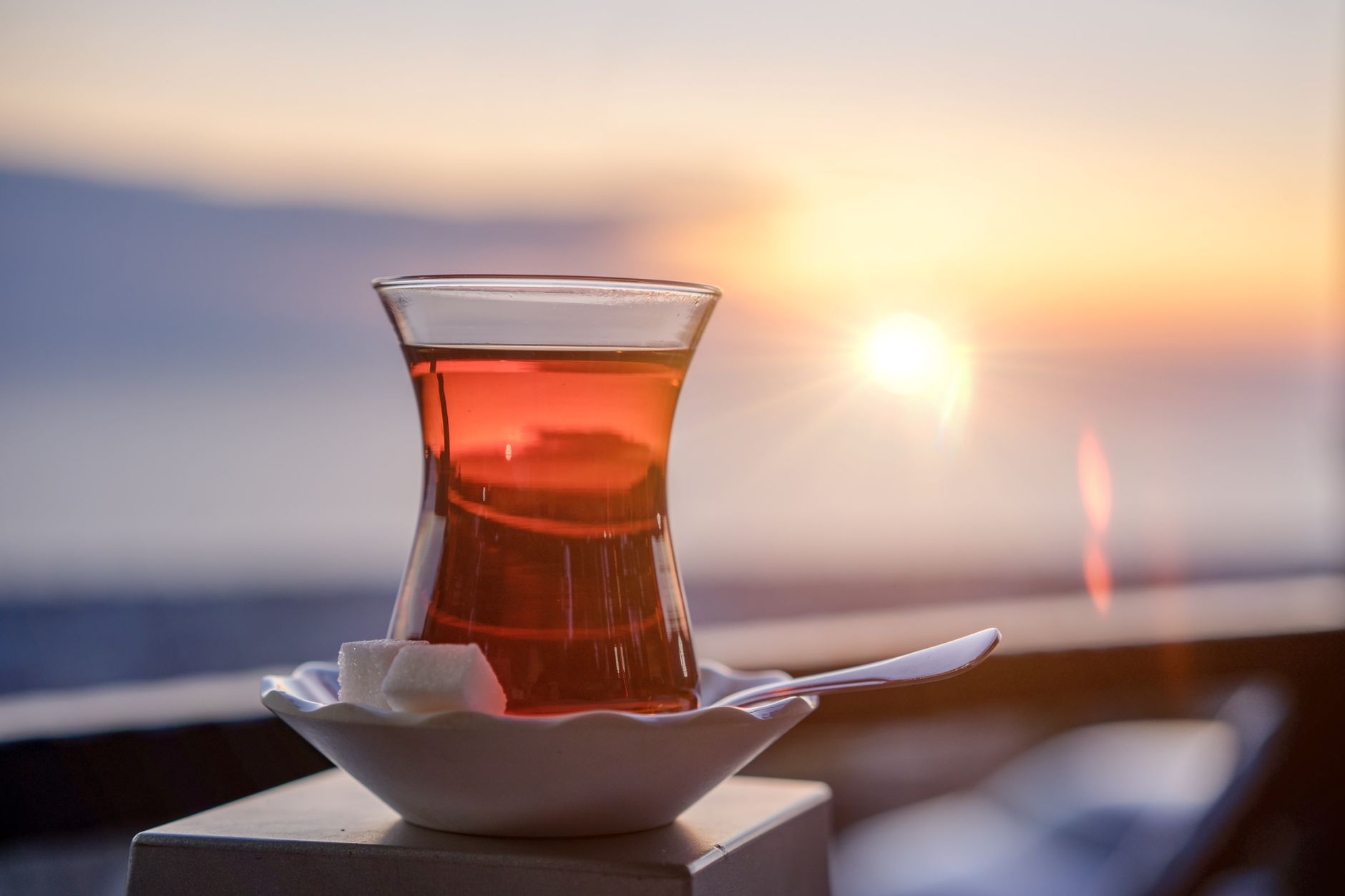
The practice is growing, not universal. Some sites stay open late seasonally, others only on certain nights, and a few — like the Museum of Anatolian Civilizations in Ankara or the Ephesus Experience Museum — have embraced evening hours as a permanent invitation. The result is a new kind of Turkish evening: one that begins with tea in a village square and ends beneath a floodlit temple to Artemis.
Why the Night Belongs to the Ruins
Ask anyone who has stood in the Great Theatre of Ephesus as the moon rose over Mount Pion, and they will tell you: the experience is not merely different from a daytime visit. It is transformative. The heat that can make midday touring in July feel like an endurance test vanishes with the sun. A soft breeze moves through the columns. And the lighting — warm, low, deliberate — does what no photograph quite captures: it carves the ruins out of the darkness, giving them shadow and depth and drama.
There is also the matter of quiet. During the day, Ephesus can welcome tens of thousands of visitors. At night, that number falls to hundreds, sometimes dozens. You can hear your own footsteps on the marble Street of Curetes. You can hear the wind. You can hear, if you listen closely, the centuries.
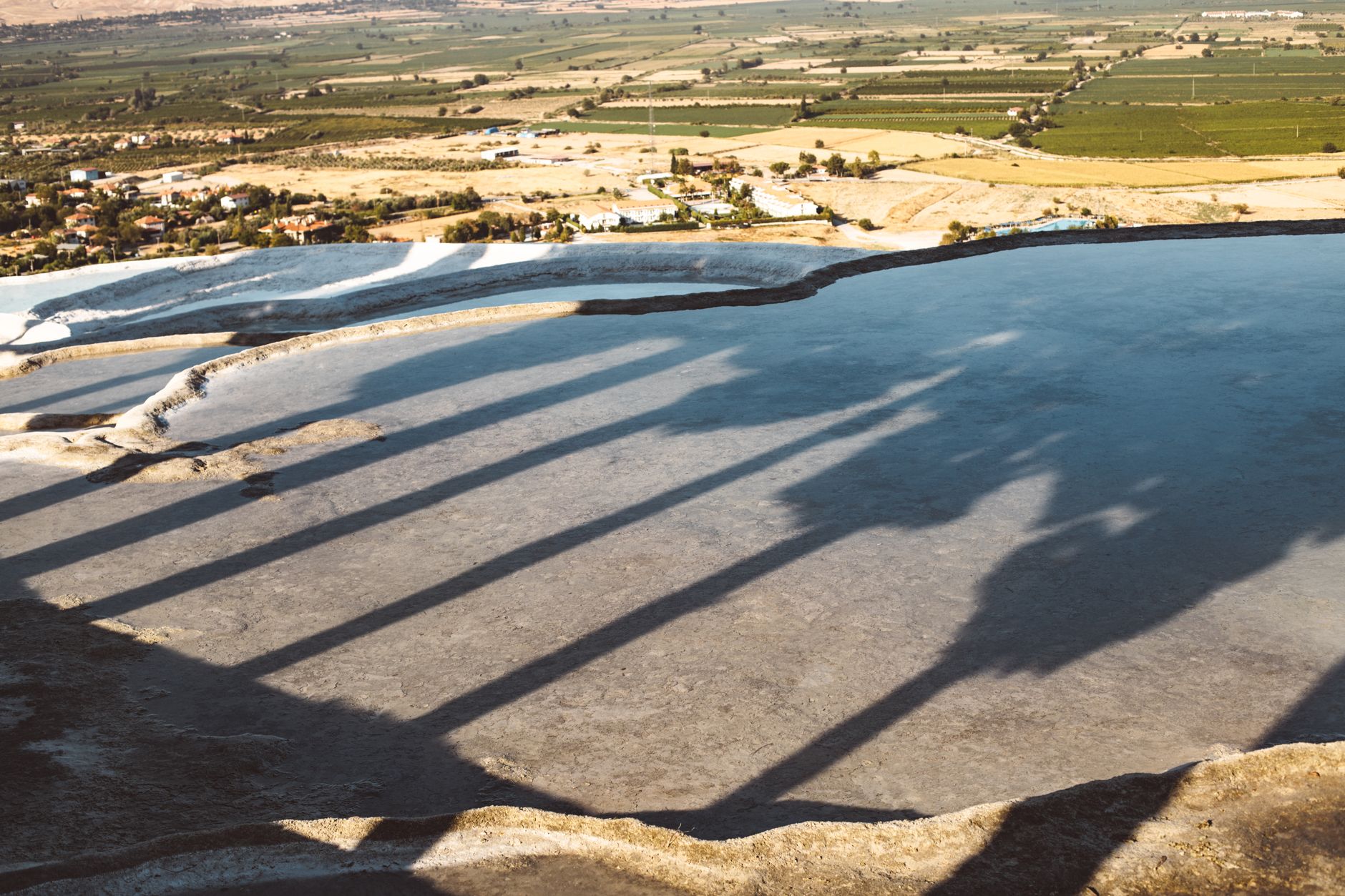
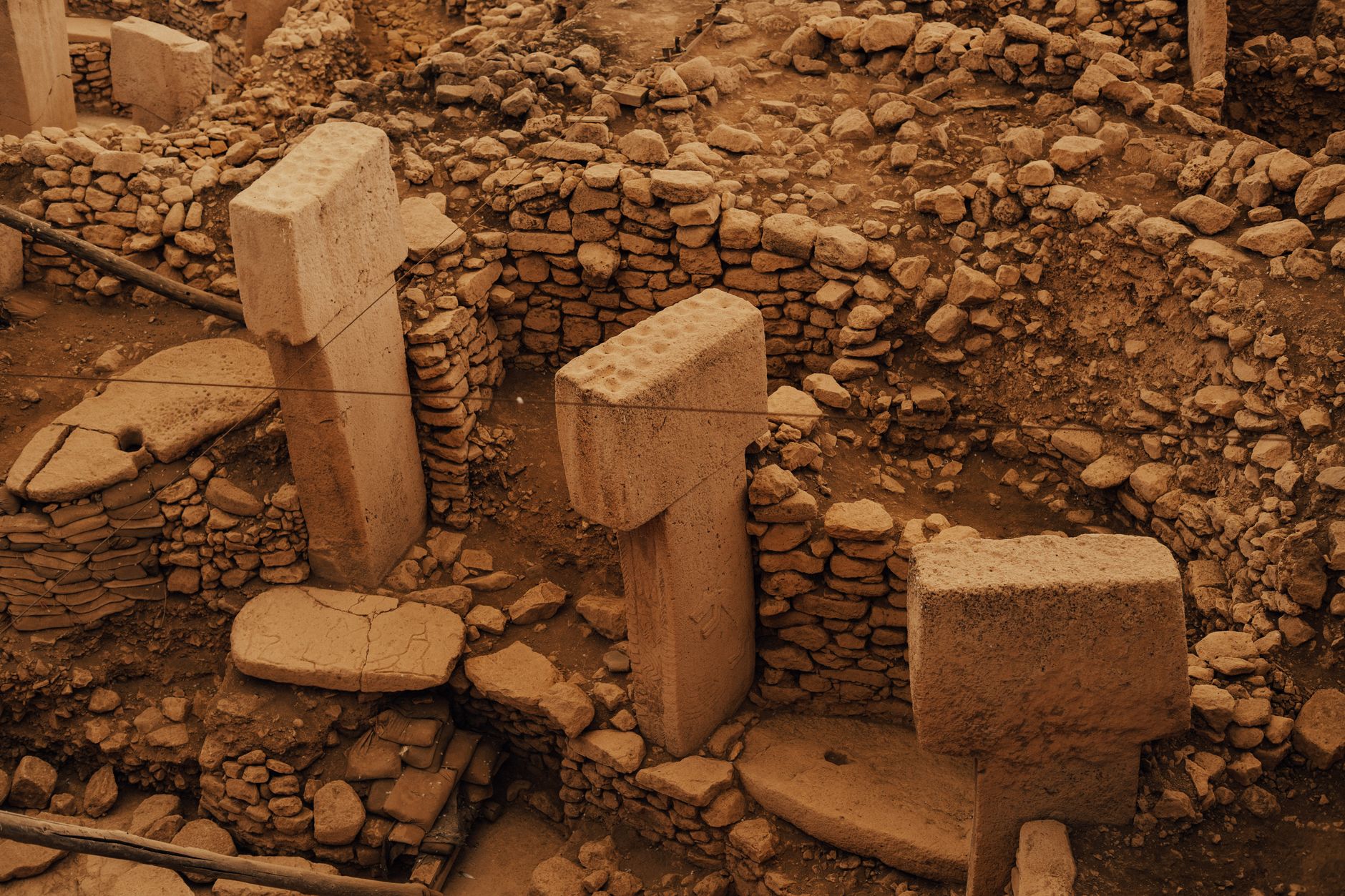
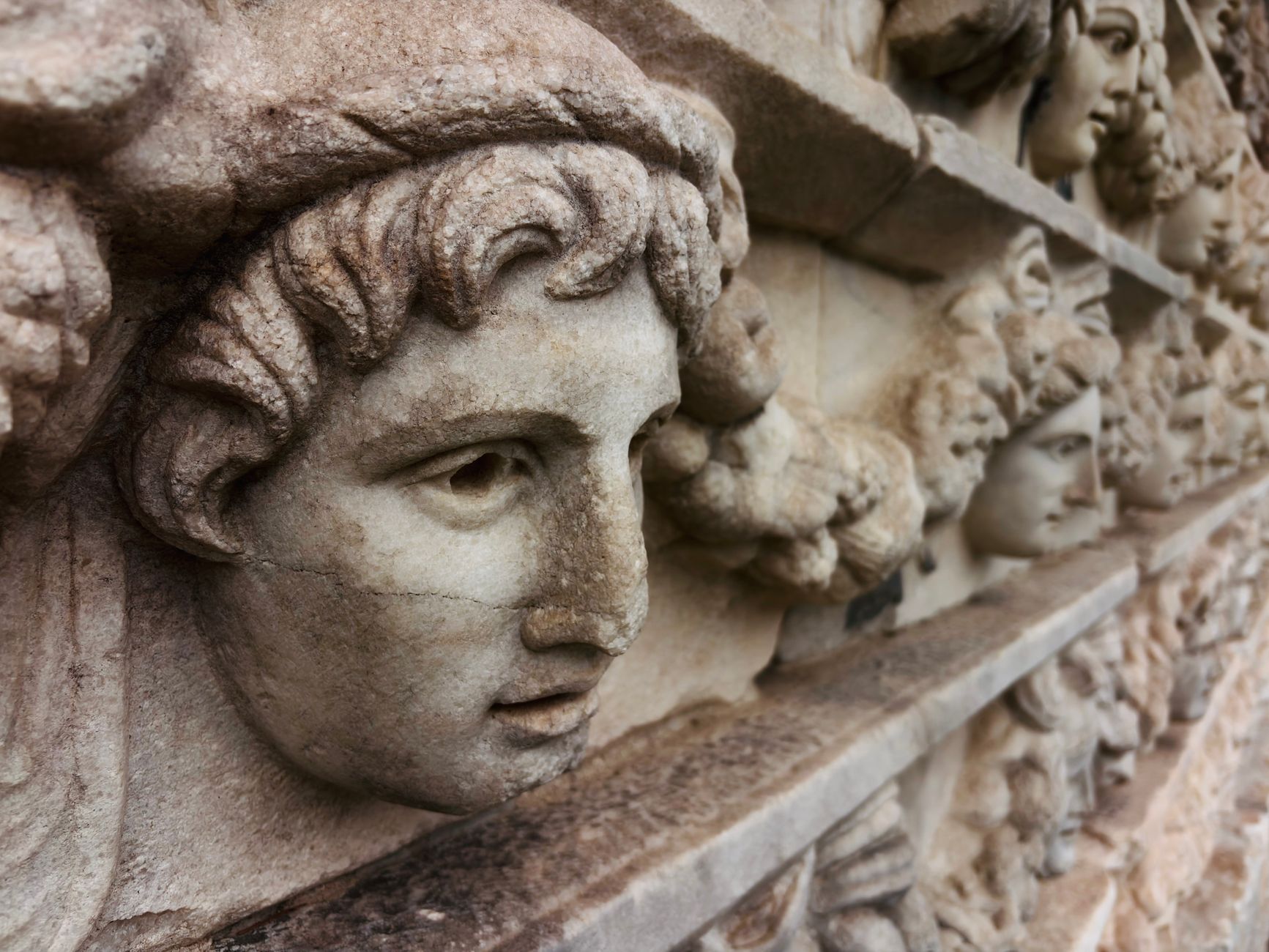
And then there is the light itself. Turkish heritage authorities have become masters of architectural illumination. They do not flood sites with harsh white light; they layer warm tones, uplight columns, and let the stars do the rest. At Hierapolis, the travertine terraces turn silver under the moon. At Aphrodisias, the sculpted reliefs seem to breathe. At Göbeklitepe, the oldest temple in the world, the monoliths stand in pools of amber light like sentinels from a lost age.
Where to Go: Sites That Tend to Stay Open Late
Evening hours in Türkiye shift with the season and the site. The safest approach is to check the official website or ask at the gate a day ahead. That said, several locations have become reliable favorites for late-hour visits.
- Ephesus (Selçuk, İzmir Province): The grand dame of Turkish antiquity. Evening openings are typically offered in high season, with the Great Theatre, Library of Celsus, and Marble Street illuminated. The nearby Ephesus Experience Museum also runs evening hours, using immersive projections to tell the city's story.
- Hierapolis & Pamukkale (Denizli Province): The white terraces and the vast necropolis glow beautifully at dusk. Late access is often paired with sunset viewing, though swimming in the antique pools closes earlier.
- Aphrodisias (Aydın Province): Less crowded than Ephesus and spectacular under lights. Evening openings are occasional, often tied to cultural events.
- Göbeklitepe (Şanlıurfa Province): One of the most atmospheric night visits in the world. The site's enclosure and visitor center have offered extended hours during special periods.
- Ankara's Museum of Anatolian Civilizations: Not a ruin, but an essential evening stop in the capital, with extended hours on select days.
- Zeugma Mosaic Museum (Gaziantep): Occasionally open late, and the Gypsy Girl mosaic is worth any hour.
Beyond these, sites like Pergamon, Sardis, and Troy may offer evening access during festivals or peak season. Always verify locally, and remember that "open late" in Türkiye can mean 8 p.m. in spring and 10 p.m. in midsummer.
Ticket Timing and Practical Wisdom
Evening visits require a little more planning than a spontaneous afternoon wander. First, buy your ticket in advance when possible. The Ministry's official Museum Pass Türkiye and many site-specific online portals now allow timed entry, including evening slots. This saves you from arriving at a closed gate after a long drive.
Second, understand that last entry is usually 60 to 90 minutes before closing. If a site closes at 9 p.m., you may only be admitted until 7:30 or 8 p.m. Arriving at the golden hour — roughly 90 minutes before sunset — gives you the best of both worlds: daylight for photography and darkness for atmosphere.
Third, bring layers. Even in July, evenings in central Anatolia and the Aegean can turn cool, especially near water or at altitude. A light scarf or jacket, comfortable walking shoes with grip (ancient marble is polished and uneven), and a small torch or phone light are wise.
Fourth, check the moon. A full moon over Ephesus is a photographer's dream, but it can also dim the artificial illumination. A crescent moon, by contrast, deepens the shadows and makes the floodlighting more dramatic. Neither is better; they are simply different poems.
Respectful Visiting: Treading Gently Through History
These ruins are not just backdrops. They are the fragile remains of civilizations that shaped the world, and Türkiye has entrusted them to our care. A few simple courtesies ensure that evening openings continue and that the sites endure.
Do not climb on walls, columns, or fallen stones, no matter how tempting the photo. Stay on designated paths — the same marble that gleams under lights is easily worn by foot traffic. Keep voices low; sound carries in open-air theaters and colonnades. Avoid flash photography where signs prohibit it, as light can damage pigments and mosaics. Carry out everything you bring in, including cigarette butts and bottle caps.
"We do not inherit the earth from our ancestors; we borrow it from our children." — This sentiment, often attributed to Native American wisdom, is one Türkiye's heritage guardians live by. Every evening opening is an act of trust.
It is also worth remembering that these sites are often adjacent to living communities. Selçuk, Pamukkale, and Şanlıurfa are towns where people pray, eat, and sleep. After your visit, consider dining locally, buying from village artisans, and treating the night as a shared gift rather than a private spectacle.
The Romance of the Lit Ruins
There is a reason poets have always preferred ruins by moonlight. In the soft glow of evening, the boundaries between past and present blur. A column becomes a harp string. A mosaic becomes a constellation. The voices of ancient Greeks, Romans, Armenians, Hittites, and Seljuks seem to murmur just beyond hearing.
Türkiye's decision to open these sites after dark is more than a tourism strategy. It is an act of generosity — a willingness to share the most sacred hours with those who travel far to stand among stones that have outlasted empires. And it is an act of care: by spreading visits across the day, the country protects its heritage for the generations who will come after us.
So plan an evening. Arrive late, walk slowly, and let the darkness do its work. Watch the lights come up on the Library of Celsus. Listen to the wind in the theater at Hierapolis. Stand before the monoliths of Göbeklitepe and feel the weight of eleven thousand years. Türkiye's antique cities are waiting, and the night has never been more inviting.
Thinking about a trip to Turkey?
Share your contact details and a vetted local expert will follow up with a plan built around you — free, no obligation.