

Somewhere between the call to prayer and the clink of tea glasses, a good walking guide in Türkiye does something remarkable: they stop talking about dates and start telling you a story. The Byzantine cistern becomes the sound of 7,000 slaves echoing in the dark. The Ottoman courtyard becomes a grandmother's summer kitchen. The Roman street becomes an argument between a merchant and a tax collector. Suddenly you are not looking at history — you are standing inside it.
Türkiye's certified local guides are, at their best, passionate storytellers. They carry official licenses, yes, but more importantly they carry memory: of neighbourhoods that changed, of recipes passed down, of which stone was moved and why. A themed walking tour is the most intimate way to borrow that memory for a few hours. This guide shows you how to choose the right walk in Istanbul, Izmir and Antalya, what to ask before booking, and how the famous warmth of Turkish hospitality turns a guided walk into something closer to walking with a friend.
Why a Storytelling Walk Beats a Checklist Tour
Most visitors arrive with a list: Hagia Sophia, Ephesus, the old harbour. Those places deserve their hours. But a checklist tells you what happened; a storyteller tells you how it felt. On a themed walk, the guide selects a thread — Ottoman daily life, Roman engineering, the food of exile, the politics of street art — and pulls it through the city so that each stop connects to the last. You leave with a narrative instead of a photo roll.
There is also a practical magic to walking. Streets in Türkiye's old quarters are narrow, layered and full of small thresholds you would never cross alone: a courtyard gate, a bakery door, a staircase to a rooftop. A licensed local guide opens those doors legitimately and respectfully, and often introduces you to the shopkeeper or the imam or the ceramicist by name. That is not a tour feature. That is hospitality, organised.
Finally, walking is slow enough for questions. The best moments on any walk are unscripted — why the fig tree grows out of that wall, what the Arabic script above the door actually says, whether the simit seller is from this neighbourhood or the next. A good guide treats every question as the real itinerary.
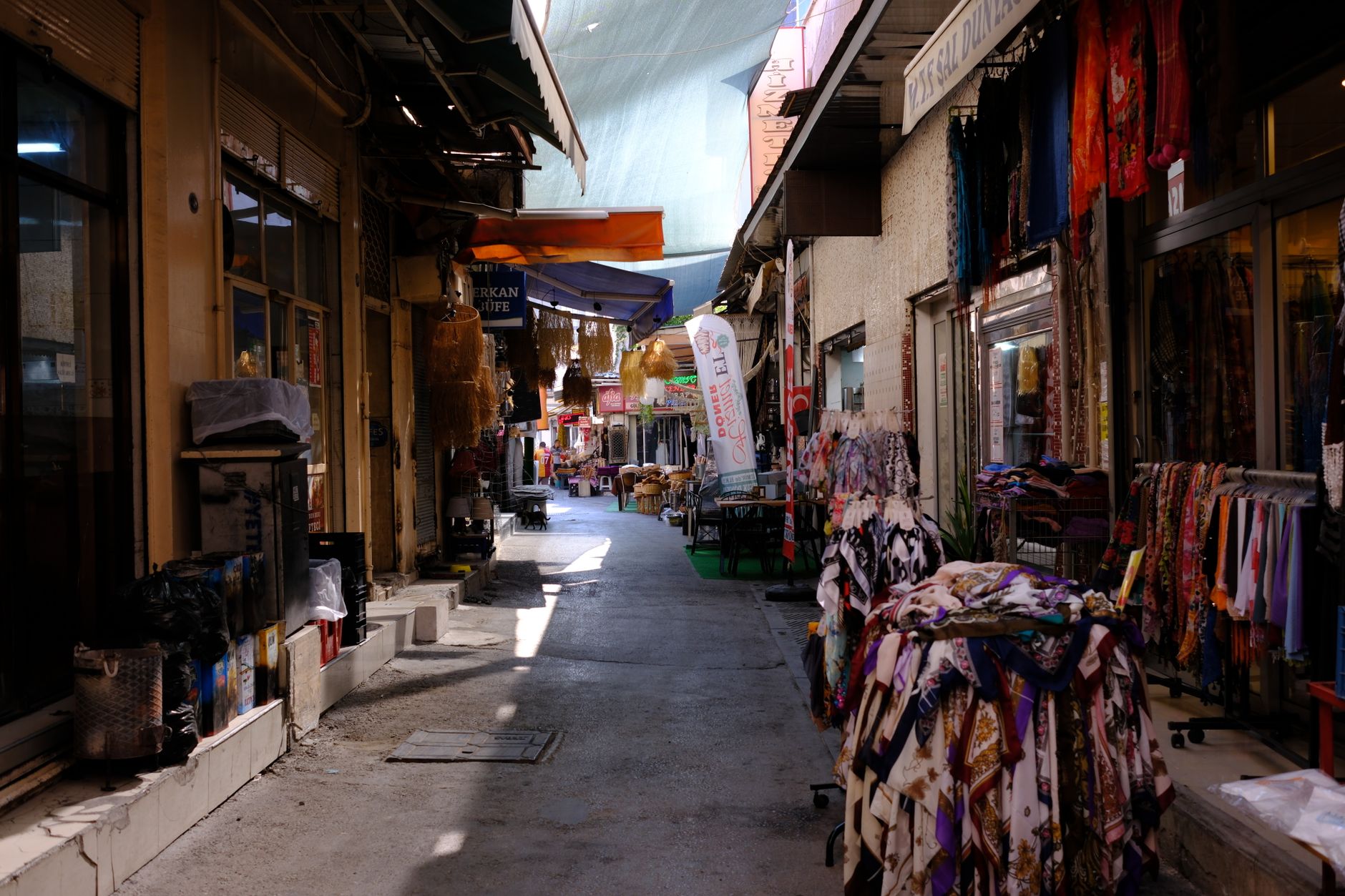
Istanbul: Four Themes, Four Different Cities
The Ottoman walk. Start behind the monumental mosques and step into the neighbourhoods where empire was lived rather than ruled: the courtyards of Fatih, the wooden houses of Zeyrek, the tomb complexes where gardens double as picnic grounds. A strong guide explains not just architecture but the social system — the imaret kitchens, the hamam as a civic institution, the way a mosque complex functioned as a neighbourhood's engine.
The Roman and Byzantine walk. Beneath the Ottoman city lies another one. Hippodrome, cisterns, the sea walls, the fragments built into later foundations — this theme rewards a guide who can read stone. Ask yours to show you spolia: ancient blocks reused in Ottoman walls. Once you can spot them, the whole city becomes a puzzle you can read on your own.
The culinary walk. This is storytelling you can taste — from a breakfast of cheese and olives in Karaköy through pickle shops, spice stalls and a final glass of tea. The best culinary walks are led by guides who cook, or whose families do, and who can explain why a dish belongs to a city rather than merely naming it.
The street-art and contemporary walk. Istanbul's murals and galleries tell the story of a young, restless city. Guides on this theme are usually plugged into the creative scene and can connect a wall in Beyoğlu to a festival, a rent crisis or a political moment. Pair it with a museum visit and you have a portrait of Türkiye now, not just then.
Izmir: Layers of Aeolia, Rome and the Levant
Izmir rewards walkers who like their history layered like a pastry. In Konak and Kemeraltı, a guide can move you in ten minutes from a Roman agora to a 17th-century Ottoman bazaar to a Levantine merchant street, explaining how trade, migration and fire shaped each layer. The agora is not just a ruin; it is a story about a city that kept rebuilding on the same ground.
Food is the second great theme here. Izmir's kitchen is Aegean, olive-oil-rich and proudly regional — boyoz in the morning, stuffed artichokes in springtime, herbs sold in bunches that most visitors cannot name. A culinary guide who grew up in the city will tell you which vendor's family has sold the same thing for three generations, and why that matters.
Third comes the coastal and modern walk: the Kordon, the 1920s architecture, the story of a port city that was cosmopolitan long before the word became fashionable. If you are building a wider route, our itineraries show how to slot a half-day Izmir walk between the Aegean coast and the interior.
Antalya: Where the Old Town Tells Roman Stories
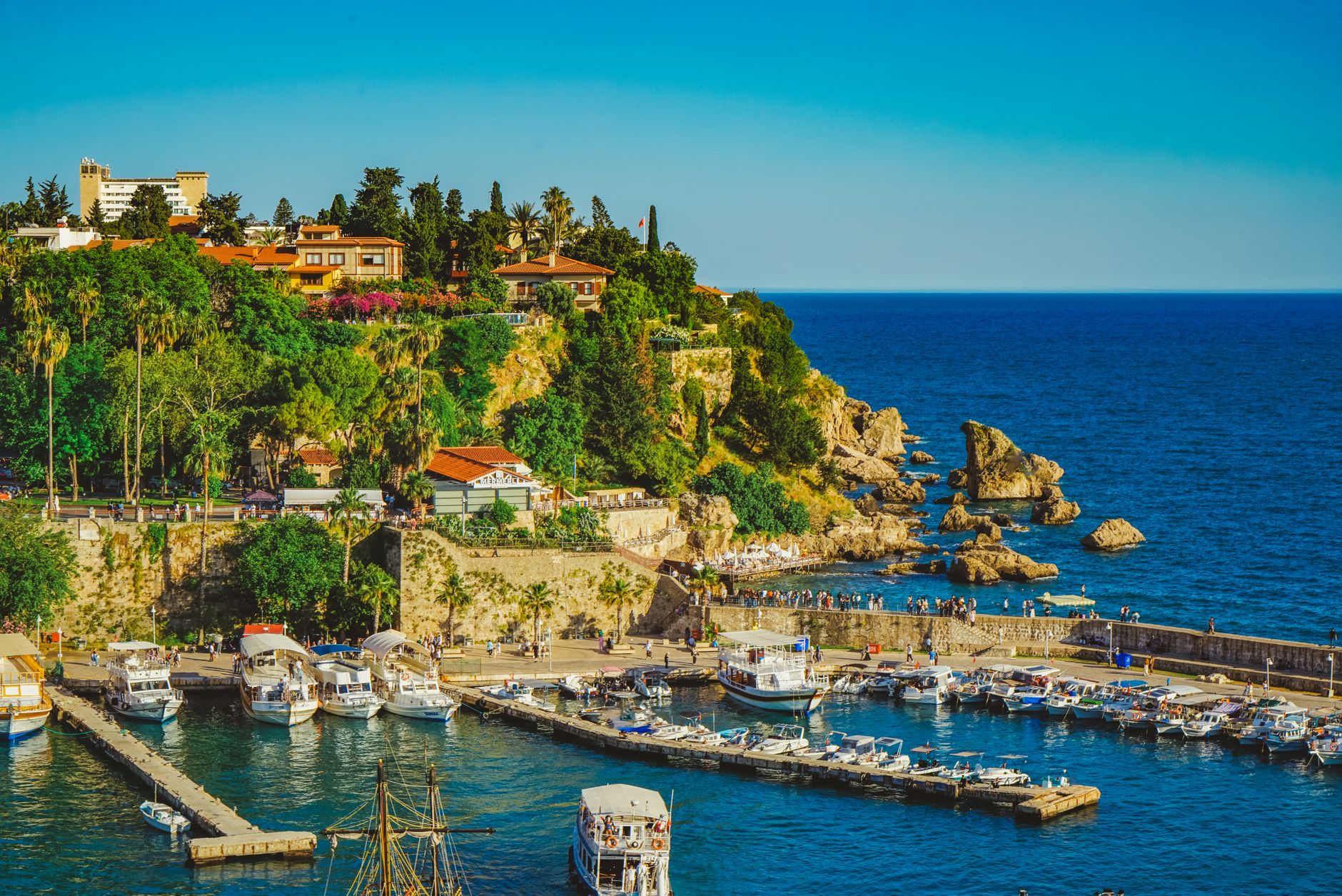
Antalya's Kaleiçi is one of the most walkable old towns in the Mediterranean: Ottoman houses, a Roman harbour, a Hadrianic gate, and streets that end abruptly at the sea. A local guide transforms it by connecting the visible to the invisible — the ancient city beneath the modern one, the Seljuk and Ottoman phases, and the harbour's long life as a trading doorway.
The Roman theme really comes alive when you use Antalya as a base for the surrounding sites — Perge, Aspendos, Side, Termessos — where a storyteller can explain engineering, spectacle and daily life instead of simply pointing at columns. Many guides will combine a morning in the ruins with an afternoon walking the old town, which is arguably the best-value day in the region.
Antalya also suits theme walks beyond antiquity: a culinary walk through the old bazaar and breakfast culture, and a nature-and-harbour walk that explains the cliffs, the waterfalls and the ancient road systems that made this coast a corridor rather than a border.
How to Choose: Group Size, Language and Value
Group size. Small is better, and six to eight people is the sweet spot for storytelling. Above twelve, the guide becomes a public speaker and the questions disappear. Private walks cost more per person but often deliver more per minute, especially in dense places like Kemeraltı or the Grand Bazaar.
Language. Certified guides in Türkiye are licensed in specific languages. Confirm the language of your walk in writing, and ask whether the guide is a native or near-native speaker — nuance matters most when the story is funny or sensitive. For families, ask whether the guide regularly works with children before assuming a theme is suitable.
Value. Look beyond the headline price. A good walk includes entrance fees where relevant, a tea or coffee stop, and a guide who is paid fairly. Value also means fit: a two-hour Ottoman architecture walk in July is worth less than a well-paced three-hour one that includes shade, water and a courtyard pause. Our pricing page explains how we think about fair guide rates, and our experts page shows the kind of licensed specialists we work with.
Before you book, ask: How many people maximum? Is the route step-free or hilly? Which language is the license in? Are tastings and tickets included? What happens if it rains? A guide who answers these cheerfully is usually a guide who tells good stories too.
Hospitality Is the Hidden Ingredient
Turkish hospitality — misafirperverlik — is not a performance for tourists; it is a social obligation that a good guide knows how to share without turning your walk into a sales pitch. Expect a tea invitation you did not ask for, a shopkeeper introduced by name, a piece of fruit pressed into your hand, a detour to a courtyard because someone's cousin makes the best börek in the neighbourhood. These are the moments travellers remember years later.
That warmth is also a practical advantage. A guide who is known locally gets access, honesty and time; a guide who is merely efficient gets you through the turnstiles. When you walk with someone like that, the city stops being a backdrop and becomes a host. It genuinely feels like walking with a friend who happens to know everything.
If this is the kind of travel you want, start by browsing our guides section, then read about the best time to visit so your chosen theme lands in the right season — Ottoman courtyard walks in spring, culinary walks in autumn, ancient sites at first light. For practical preparation, our travel tools cover what to carry, and our FAQ answers the questions first-time visitors ask most.
A Short Field Guide to Being a Good Walker
Wear shoes you can walk three hours in on stone. Carry water and a little cash for tea. Ask permission before photographing people, especially in bazaars and courtyards. Keep your group small and your voice low in residential streets. Tip your guide if the walk was good — ten to fifteen percent is a kind norm for private walks — and tell them honestly which story landed best. Guides remember that kind of feedback, and they shape the next walk around it.
Most of all, allow the walk to be slower than you planned. The art of the storytelling walk is not coverage; it is connection. Choose a theme, choose a guide who loves it, and let three hours become the chapter of your trip you retell most often.
Thinking about a trip to Turkey?
Share your contact details and a vetted local expert will follow up with a plan built around you — free, no obligation.