

A Country of Cheese Beyond the Bazaar
Most travelers arrive in Türkiye thinking of kebabs, mezze and baklava. They leave remembering the cheese. From the salty white slabs floating in brine at a Çanakkale breakfast table to the stretchy golden kaşar grilled over breakfast coals in Kars, Türkiye makes well over a hundred named regional cheeses, many of them still produced by families who have tended the same sheep and goats for generations.
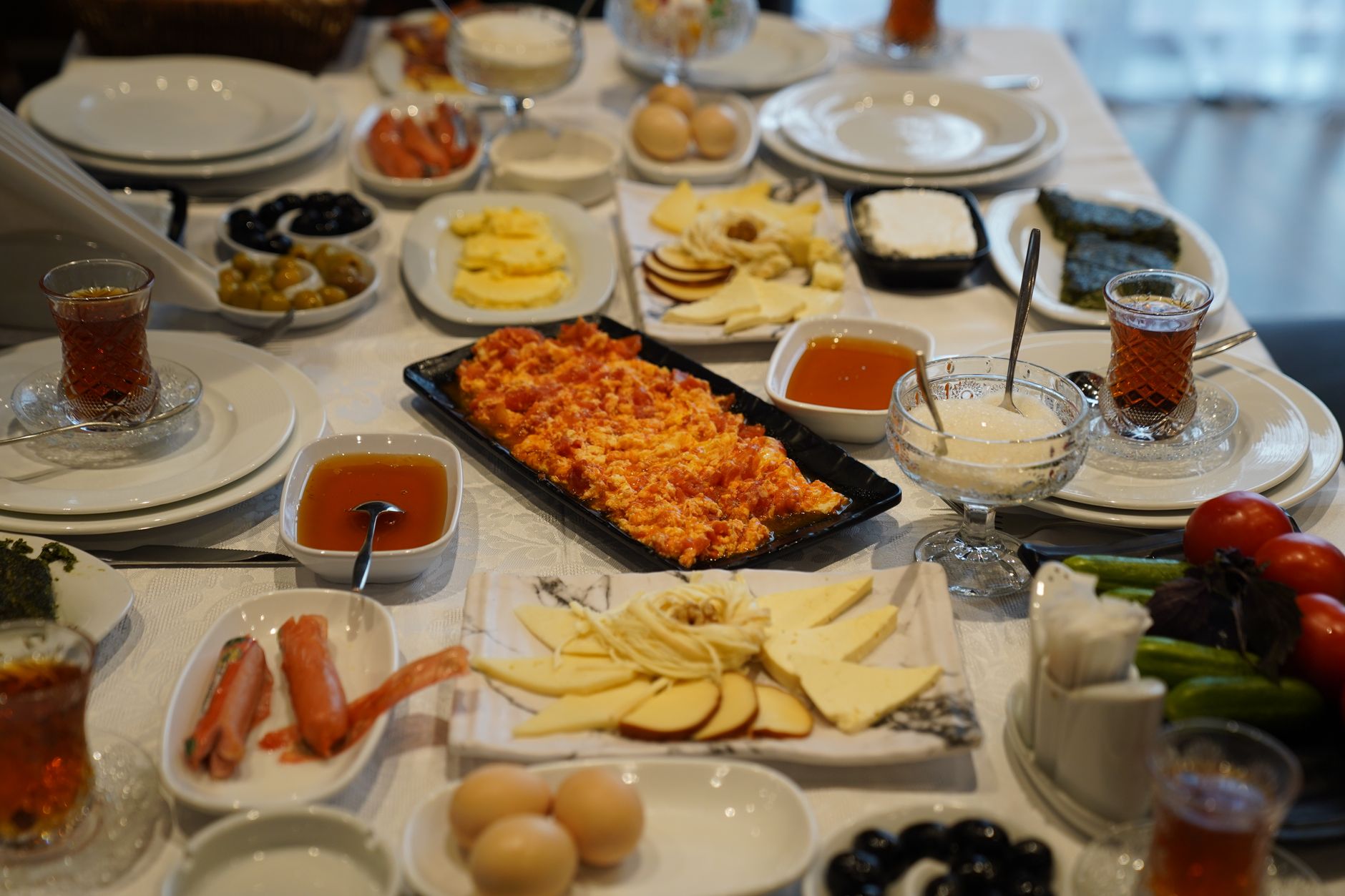
This is a country where cheese is not a garnish but a daily ritual. A proper Turkish breakfast (kahvaltı) is built around it: beyaz peynir, aged kaşar, a bowl of lor curds, maybe a slab of tulum crumbled over warm bread. Village dairies still use raw milk, copper vats, animal rennet and cloth sacks hung in caves or stone cellars, and the results are as varied as the landscapes they come from.
This guide is for travelers who want to go beyond the supermarket case: to visit family dairies, taste at the source, buy wisely at markets and carry a little of Türkiye's pastoral craft home in their suitcase. You do not need to be a cheese expert, only curious and willing to ask questions.
Ezine: The Brined Beauty of the Çanakkale Hills
Ezine is a small town in Çanakkale Province on the Biga Peninsula, and its namesake cheese is one of Türkiye's most respected white, brined varieties. Made mostly from sheep's milk, sometimes blended with goat's milk, Ezine peyniri has a Protected Designation of Origin status and a texture that is dense, slightly crumbly and creamy rather than rubbery. It is salty, but with a clean, faintly grassy tang that comes from the region's thyme-and-scrub pastures.
The cheese is traditionally matured in brine for at least several months, often in tins or earthenware jars, and families in villages around Ezine, Bayramiç and Ayvacık still make it by hand. If you are exploring the Troad, or heading toward Assos and Behramkale, this is prime dairy country. Small producers often welcome visitors who call ahead, and a tour usually includes a look at the milk vats, the brining room and a tasting of both young and aged wheels.
Taste Ezine on its own first, then with a slice of village bread and a little olive oil. In the region it is also crumbled into salads, folded into pastries and served alongside köy kahvaltısı, a village breakfast spread. Look for cheeses sold in glass jars or vacuum-sealed slabs with a label naming the village, the milk type and the maturation date; these details are the mark of a serious producer.
Tulum: The Cheese That Lives in a Skin
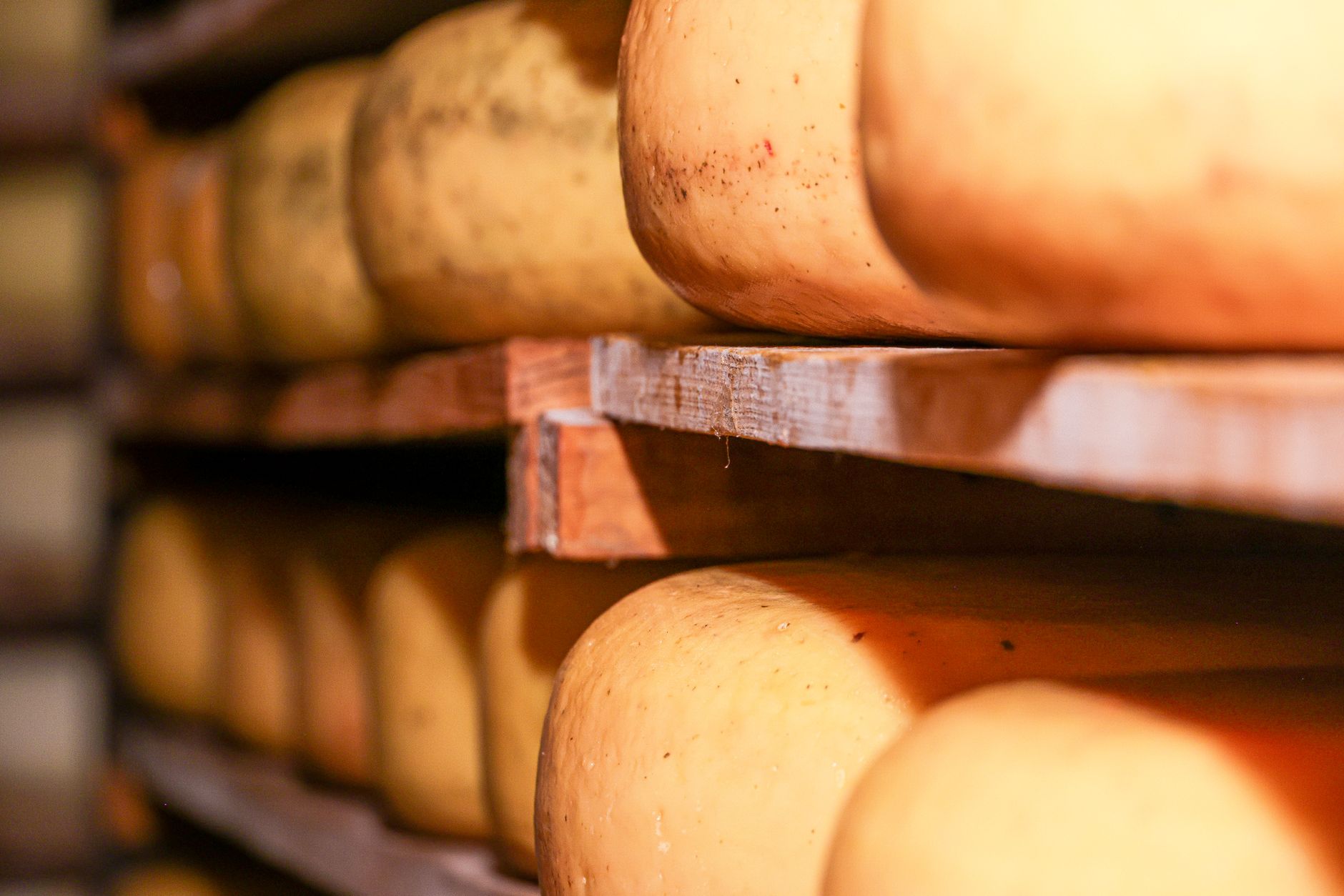
Tulum is less a single recipe than a family of cheeses defined by how they are aged: stuffed into a goatskin or sheepskin bag, pressed to expel air and left to mature in cool cellars or caves. The result is a firm, sometimes crumbly cheese with a pronounced, salty, almost blue-leaning pungency that converts skeptics into devotees. Erzincan tulum, made from sheep's milk and often flecked with herbs, is probably the most famous version, but you will find distinctive tulum in İzmir, Aydın, Antalya's highlands and across eastern Anatolia.
In the Aegean hinterland, look for İzmir tulumu, milder and slightly softer, and its herbaceous cousin otlu tulum, which is layered with wild garlic, thyme, mint or sirken gathered from mountain slopes in spring. The herbs are not decoration; they are a preservation technique and a flavor signature, giving the cheese a green, savory character that pairs beautifully with raki or a crisp Anatolian white wine.
Visiting a tulum maker is a lesson in patience. The milk is renneted, cut and pressed, the curd is salted and packed into the skin, and then the waiting begins—often three to six months in a dark, humid cellar. Ask about the aging time and the animal the skin came from; many producers are proud of these details and will happily explain them. Because tulum is strongly flavored, buy small quantities at first, and taste before committing to a whole bag.
Kars Kaşar and the Eastern Highlands
Kars, in far northeastern Türkiye, is famous for two things in the cheese world: its honey-sweet gravyer-style cheeses and its excellent kaşar. Kars kaşar is a stretched-curd cheese, made by kneading hot curd until it becomes elastic, then shaping it into wheels or braids and aging it in cool cellars. Young kaşar is mild, springy and milky; aged kaşar becomes firmer, sharper and faintly nutty, with a golden rind.
The high pastures around Kars and the neighboring Ardahan and Artvin provinces feed herds on wildflowers and mountain herbs, and that terroir shows in the milk. Family dairies here often produce both kaşar and a firmer, stronger gravyer (a Turkish take on Swiss-style wheel cheese, most associated with Kars), and many welcome visitors for tastings, especially in the villages along the road to Ani.
Come in late spring or summer, when the animals are on high pasture and the milk is at its most aromatic, and dress warmly—the cellars are cold year-round. Grilled kaşar sandwiches (kaşarlı tost) are a national comfort food, but at the source, try thick slices simply warmed over a fire or shaved into a salad with walnuts.
The Aegean Herb Cheeses and Village Dairy Delights
The Aegean coast and its mountains produce a lighter, aromatically green family of cheeses that many travelers never taste outside the region. Otlu peynir—herb cheese—appears in many forms: fresh, brined or aged, flavored with wild thyme, oregano, mint, nettle or the beloved sirken, a tangy mountain green. Around Çeşme, Ayvalık and the Bodrum peninsula you will also find small goat cheeses wrapped in vine leaves or brushed with olive oil, and mild, creamy lor, a whey cheese eaten fresh with breakfast or folded into pastries.
Village dairies in this region are often tiny operations: a stone building, a copper cauldron, a handful of goats and a matriarch who has been making the same recipe for forty years. Visiting is informal and personal. Call ahead, expect to sit down for tea and bread, and be ready to talk about your own country and your travels—the tasting is rarely just about the tasting.
On the western side, look out for Kırkağaç and Manisa-area cheeses, and in the Aegean markets for sepet peyniri, a basket-molded cheese with a woven rind pattern. These are cheeses of spring and early summer, best eaten young and fresh with tomatoes, cucumbers and a splash of olive oil.
Tasting Etiquette: How to Be a Good Guest at a Turkish Dairy
There is no formal cheese-tasting curriculum in Türkiye, but there is a clear etiquette of hospitality. When you arrive, greet everyone in the room, and if you are invited to sit, accept. Tea or coffee will appear within minutes; take at least a sip. Your host may serve cheese with bread, olives, tomatoes, jam and honey rather than on a bare board, and that is how the cheese is meant to be eaten.
Taste bread first, then a small piece of cheese, and let it warm on your tongue before you swallow; this is how the flavors open up. If several cheeses are served, go from mild to strong—from ezine or lor to aged kaşar and finally tulum. Ask questions about the milk, the season and the aging; producers light up when visitors show genuine interest. Compliment the craft, not just the flavor, and if you are offered a second helping, it is fine to accept and equally fine to say teşekkürler when you are full.
Bring a small cash gift from home if you are visiting a family dairy, or at minimum buy several cheeses to take away. If the visit includes a meal, offer to pay for it and do not be surprised if your host refuses. Respecting the process—wiping your boots, not touching cheese with bare hands, asking before taking photos—will earn you a warm welcome and often a second invitation.
Buying at Markets: A Practical Guide
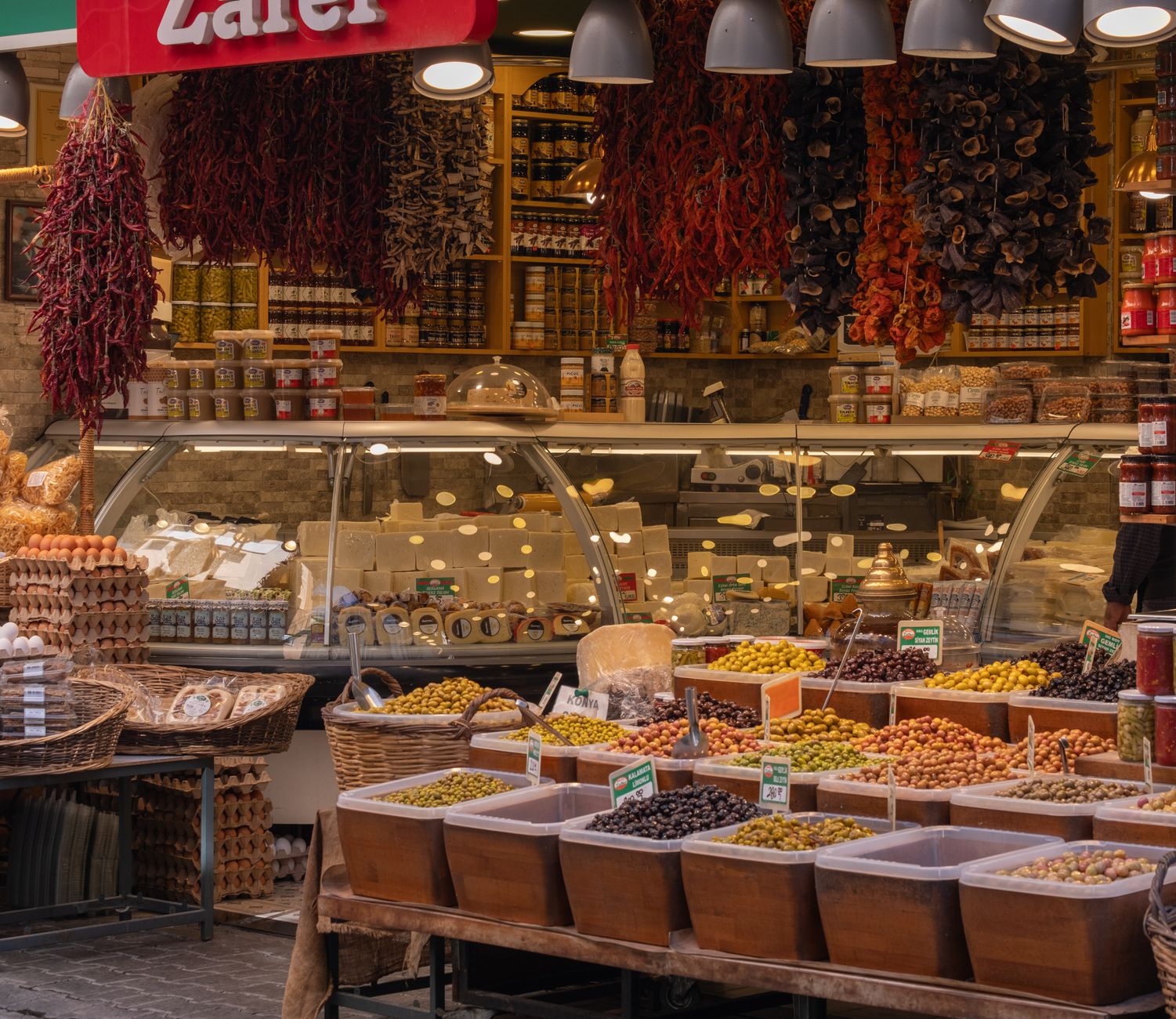
Turkey's weekly pazar and town markets are the best places to buy cheese outside the producer's door. Arrive early, when the selection is best, and look for stalls with a small, curated range rather than a huge display. Ask to taste before you buy—this is completely normal—and ask where the cheese was made, what milk it contains and how long it has aged. A vendor who can answer those questions is a vendor worth trusting.
Check the rind and the brine. A good brined cheese should look clean and white, not slimy or discolored, and the brine should be cloudy but not foul-smelling; a good aged kaşar should have an even, dry rind with no cracks. Avoid cheeses with a strong ammonia smell, which usually means poor storage. Street and market cheeses are often sold from unrefrigerated displays, so buy from stalls with shade, turnover and clean utensils.
Vacuum-sealed and jarred cheeses travel best, but a reputable vendor can also cut and pack a brick for you. Ask for a plastic bag inside a paper bag, and keep the cheese cool until you reach your hotel.
Transporting Your Cheese Home Safely
Cheese is food, not a souvenir to be treated casually, and many countries have strict rules on dairy imports. Before you buy, check the customs regulations for your home country—the United States and the European Union, for example, restrict or ban many fresh dairy products, while hard, aged cheeses are more often permitted. When in doubt, declare what you carry and let the officer decide.
For the journey, choose hard or aged cheeses—kaşar, aged tulum, firm gravyer—over soft or fresh ones. Ask the vendor to vacuum-seal the cheese, which protects flavor and prevents leaks, and carry it in a sealed bag inside checked luggage or a cool bag for short flights. Keep tulum and other strong cheeses double-wrapped; your fellow passengers will thank you. Once home, refrigerate immediately and let the cheese come to room temperature before eating.
To plan a dairy-focused route through the country, from the Çanakkale hills to the Aegean markets and the northeast's high pastures, browse our suggested routes and itineraries. And when you are ready to shape your own journey, our trip planner and local experts can help you find family dairies that welcome visitors. The best cheese in Türkiye is rarely in a supermarket—it is in a stone cellar, wrapped in a goat's skin or floating in brine, waiting for a curious traveler to say yes to a second helping.
Thinking about a trip to Turkey?
Share your contact details and a vetted local expert will follow up with a plan built around you — free, no obligation.