

An Ancient Sky River Over Istanbul
Every September and October, one of the world's great natural events unfolds directly above one of its greatest cities. Millions of birds — storks, raptors, pelicans, bee-eaters, and songbirds of every size — stream south along a narrow aerial highway that funnels over Istanbul's Bosphorus. This is the autumn migration, and it is entirely free to witness.
The reason is geography. The Bosphorus is the narrowest crossing between the Black Sea and the Mediterranean, a bottleneck that concentrates birds on their journey to African wintering grounds. On a good day, tens of thousands of birds cross in a single morning, rising on thermals before gliding across the water. Birders call it one of the most spectacular migration corridors in Europe.
Thanks to a network of Turkish nature associations, you don't need to be an expert to enjoy it. Local guides offer free or low-cost walks, and volunteers set up spotting scopes at key viewpoints. October is peak season, and with it comes some of the best weather of the year: warm days, crisp mornings, and clear skies that make the flights visible from miles away.
Why the Bosphorus Is a Migration Superhighway
Birds migrating from northern Europe and western Russia face a daunting obstacle: the Black Sea. Rather than fly over hundreds of kilometres of open water, they follow coastlines and river valleys that guide them toward the Bosphorus. Here, the land narrows to less than a kilometre, creating a natural bridge between continents.
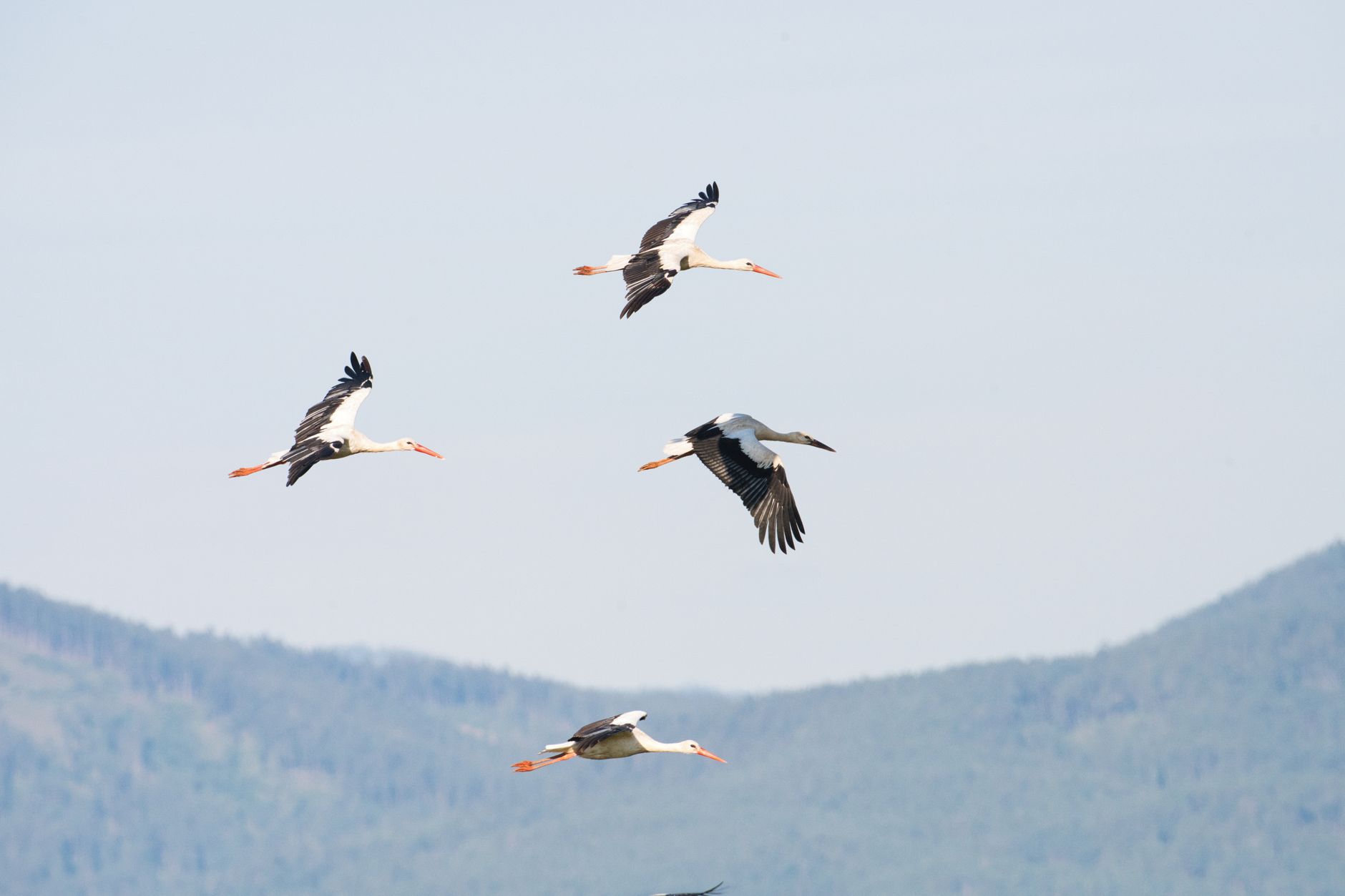
Species that rely on soaring flight — eagles, buzzards, storks, and pelicans — depend on warm air currents to gain altitude without wasting energy. The Bosphorus's hills and ridges produce reliable thermals, and the surrounding urban heat adds lift. On a classic October day, you can watch a mixed flock of hundreds of white storks rising in a spiral above the hills, then peeling off south in a long, ragged line.
The Black Sea coast west of Istanbul, from Kıyıköy to the lagoons of the Thrace region, serves as a feeder corridor. Birds moving along the coast pause at wetlands to feed and roost, making these spots excellent for close-up observation. A single morning at a coastal marsh can yield over a hundred species, from glossy ibis to migrating red-footed falcons.
What You Can See — Species and Timing
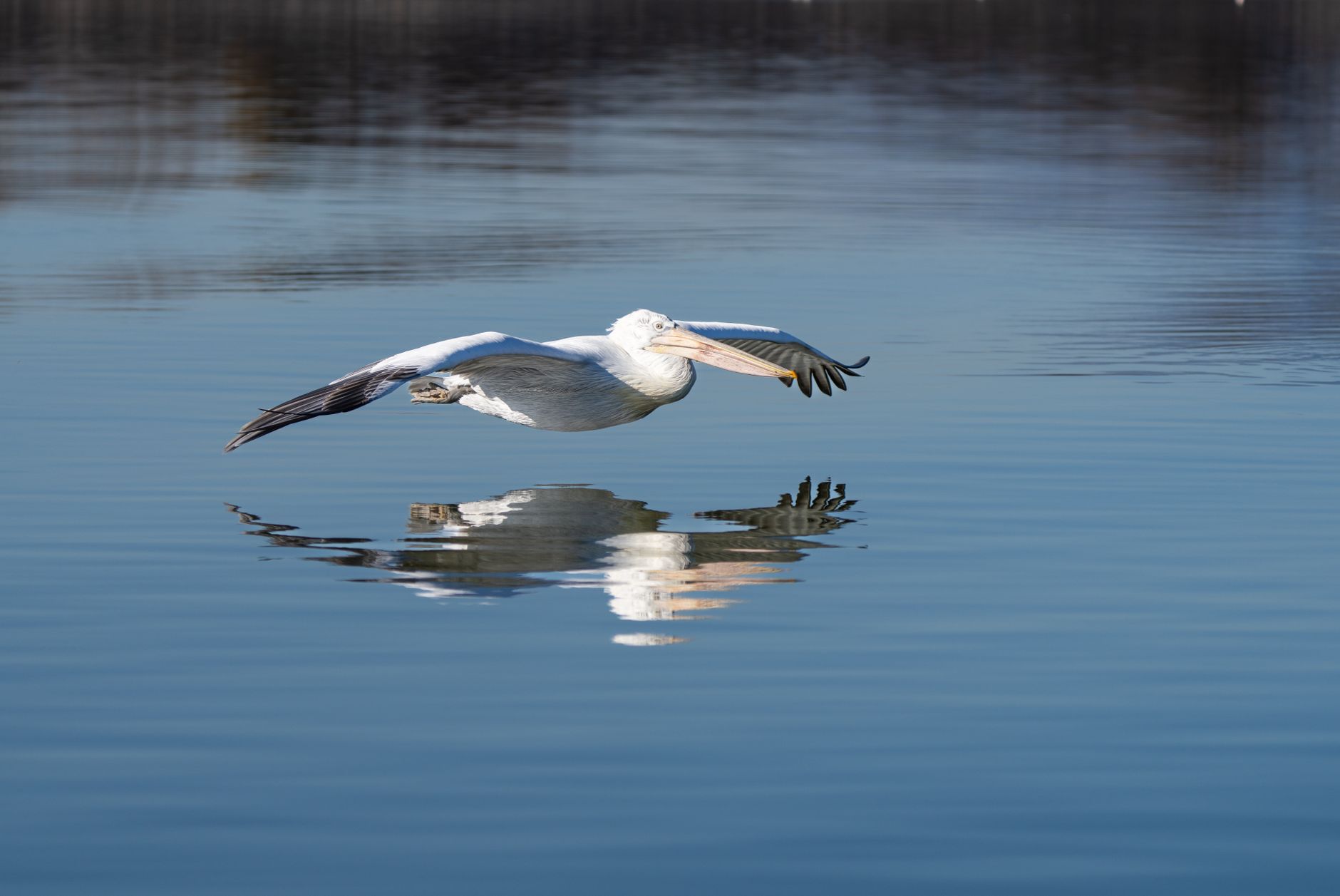
The autumn migration in Istanbul has a rhythm. September brings the first big push of white storks and lesser spotted eagles. By late September and early October, the skys are dominated by European honey buzzards, often in flocks of hundreds. Short-toed snake-eagles, booted eagles, and the occasional imperial eagle follow. October is also the month for the iconic Dalmatian pelican, whose heavy, prehistoric form is unmistakable as it crosses low over the water.
Songbirds are less obvious but equally impressive. Millions of willow warblers, redstarts, and blackcaps move through the city's parks and gardens, often resting overnight before continuing south. On the Black Sea coast, you may encounter large numbers of red-breasted flycatchers and thrush nightingales. Raptor enthusiasts should watch for the late-season arrival of rough-legged buzzards and the rare greater spotted eagle.
Timing matters. The first two hours after sunrise are almost always the most active, as birds take advantage of morning thermals. On days with a light northeasterly wind, migration can continue all afternoon. A sudden cold front can ground birds entirely, but the following day often produces a spectacular catch-up surge. Local guides track these patterns daily, so joining a walk gives you an immediate edge.
Best Viewpoints in Istanbul
Çamlıca Hill offers the most panoramic view of the Bosphorus and the European side. From its terraces, you can watch birds approach from the north and cross directly overhead. The hill's elevation also provides visibility of flocks moving along both shores.
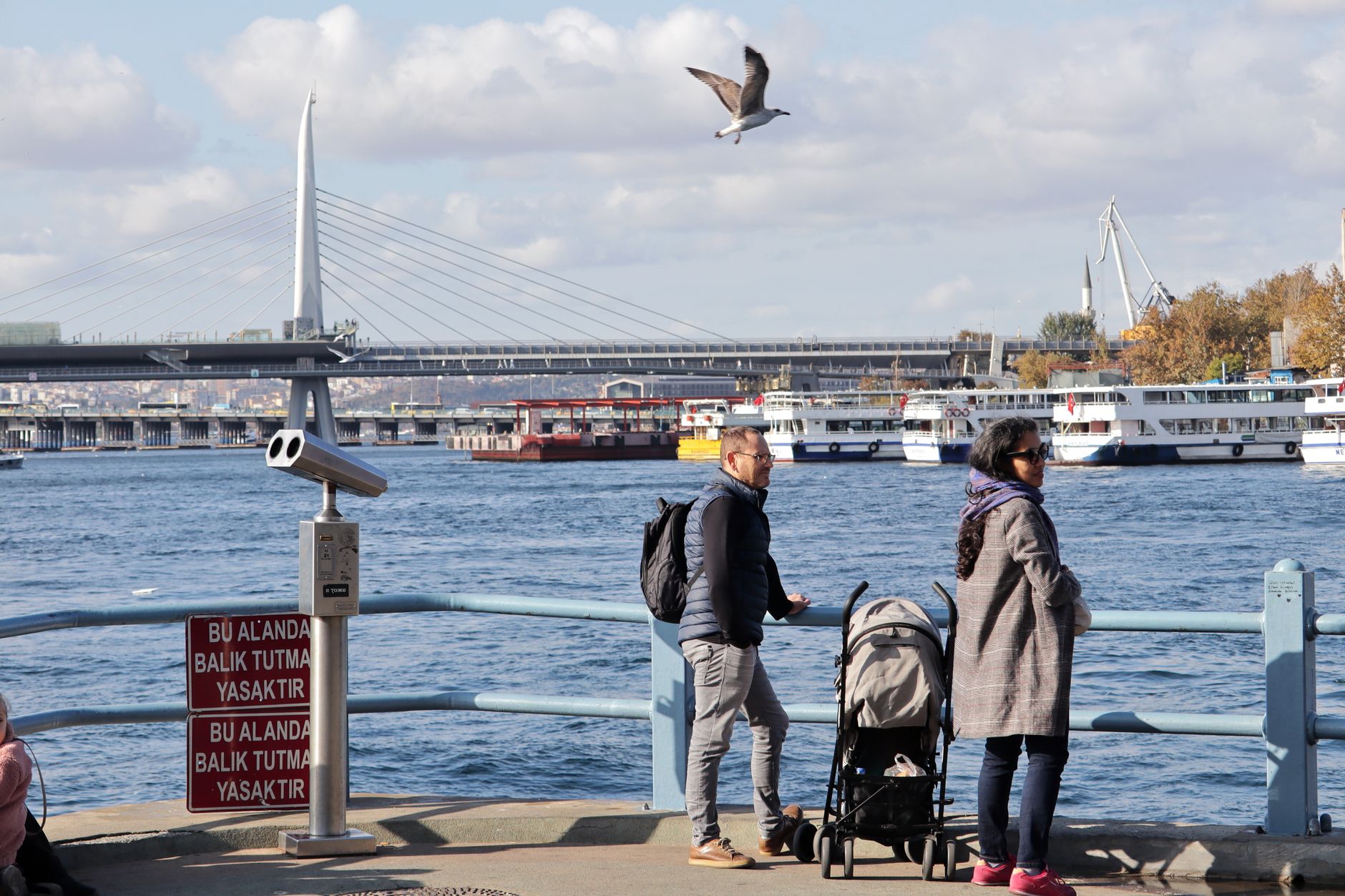
Ortaköy and the Bosphorus Bridge area is another classic spot. Here, birds cross at low altitude, and you can sometimes see them glide between the bridge towers. The shoreline promenade at Arnavutköy is quieter and equally productive, especially for seabirds and waterfowl.
On the Asian side, Fethi Paşa Korusu near Üsküdar combines woodland edges with open views over the strait. It's a favourite for songbird migration and offers shade and benches. Further north, Beykoz and the hills above Anadolu Kavağı are less crowded and can be excellent for raptor watching.
For coastal birding, head west to the Küçükçekmece Lagoon or the wetlands near Büyükçekmece. These areas host migrating waterfowl, gulls, and waders, and are easily reachable by public transport. Remember that some areas are protected, so stay on designated paths.
Joining Guided Walks and Renting Binoculars
Several Turkish nature associations organise free or donation-based migration walks in Istanbul each autumn. Doğa Derneği (Nature Association) and Kuş Araştırmaları Derneği (Bird Research Association) are among the most active, often posting schedules on their websites and social media in September. University birding clubs, such as those at Boğaziçi and Istanbul universities, also lead weekend outings.
Guided walks typically last two to four hours and start before dawn. A knowledgeable leader will help you identify birds by silhouette, flight pattern, and call — skills that make the experience far richer. Many walks are in Turkish, but English-speaking guides are increasingly common, especially on routes popular with international visitors. It's wise to reserve a spot in advance, as groups are kept small to minimise disturbance.
If you don't own binoculars, you can rent them. Camera and optics shops in the Sirkeci and Karaköy districts offer daily rentals, with prices ranging from budget to professional. Some tour operators also provide loaner binoculars for their walks. A basic 8x42 pair is ideal for beginners; for raptors, a 10x42 offers a bit more reach. Always test the focus and check for lens scratches before renting.
For a broader set of travel tools and resources, see our travel tools page.
Practical Tips for a Perfect Migration Morning
Dress in layers. October mornings in Istanbul can be cool and breezy, especially on hilltops, but the sun warms things quickly by mid-morning. Wear comfortable walking shoes, bring water and a snack, and don't forget sun protection — you'll be looking up for hours. A light scarf or buff helps against wind and sun.
Arrive at your chosen viewpoint at least 30 minutes before sunrise to secure a good spot and get your bearings. Keep noise to a minimum, and avoid sudden movements that might flush nearby birds. If you're using a scope, share it with others — the birding community is famously generous.
Check the weather forecast the night before. A day with light northerly winds and clear skies is ideal. After a cold front passes, expect a big movement. Local guides often post real-time updates on WhatsApp groups and social media, so following a few accounts can help you pick the best day.
Finally, consider extending your trip. The Black Sea coast offers additional migration hotspots, and our destinations section can help you plan. For timing your visit across the seasons, see our best time to visit guide. If you'd like a tailor-made itinerary that includes birding, our trip planner can connect you with local experts.
Why This Spectacle Matters
Witnessing the autumn migration is more than a birdwatching tick. It's a reminder of the interconnectedness of ecosystems — that the health of a wetland in Finland or a forest in Russia is linked to the skies over Istanbul. Many of these species are in decline, and the Bosphorus bottleneck makes them vulnerable. Conservation organisations use migration counts to monitor populations and advocate for protection.
By joining a guided walk, you contribute to citizen science and support local conservation efforts. The data collected helps identify important stopover sites and informs policies on light pollution, which disorients night-migrating birds. Simply being there, watching and wondering, is a form of advocacy.
So pack your binoculars, set your alarm, and head to a hilltop. The sky river is flowing, and it's one of the most awe-inspiring free shows on Earth.
Thinking about a trip to Turkey?
Share your contact details and a vetted local expert will follow up with a plan built around you — free, no obligation.