

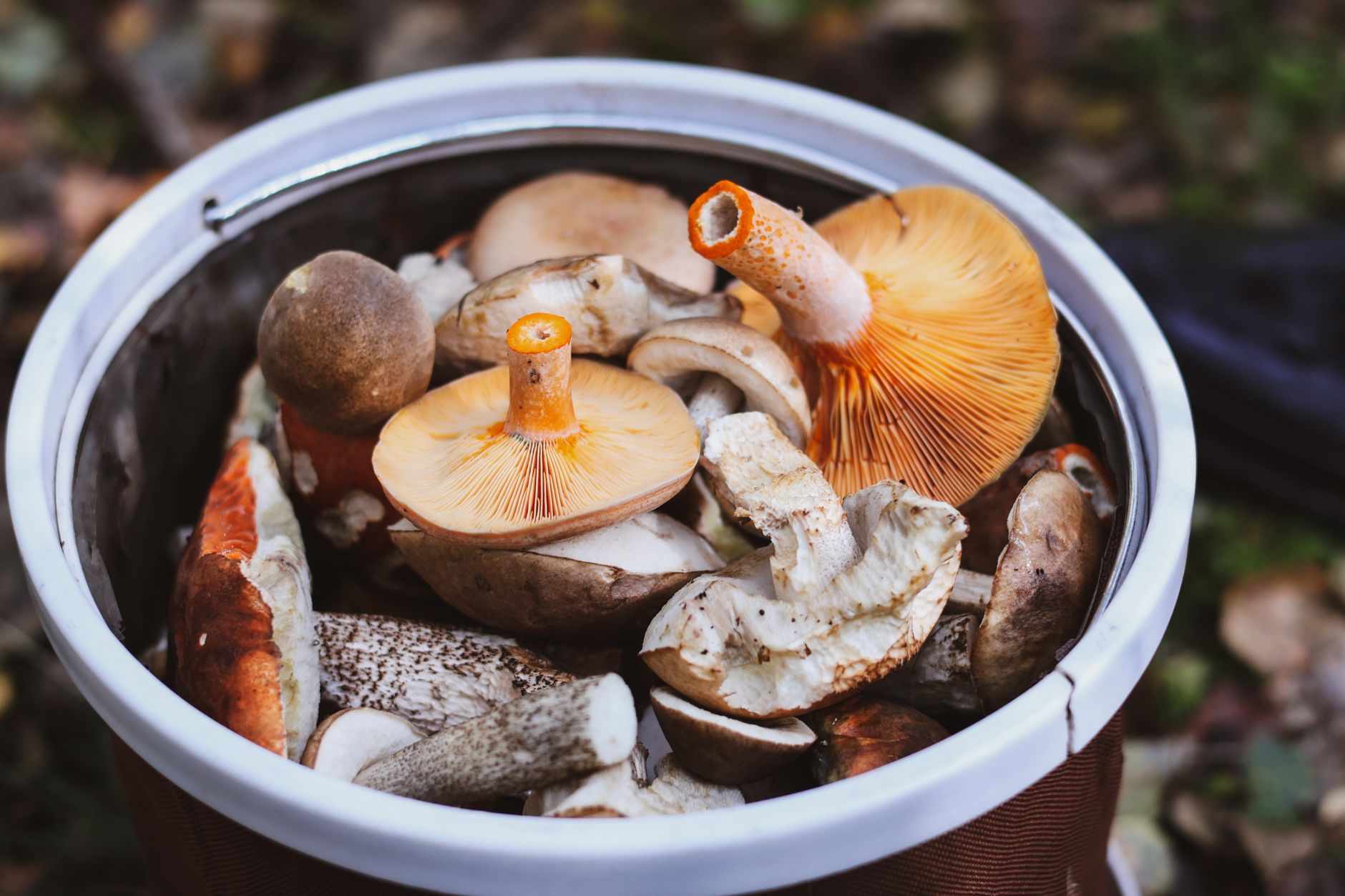
By mid-October, something shifts in Türkiye's forests. The summer dust has settled, the first heavy rains have soaked the leaf litter, and the smell of damp earth rises through beech, chestnut, and pine. In villages along the Black Sea highlands and the Aegean hinterland, this is not just a change of weather — it is the beginning of mantar sezonu, mushroom season, when families head into the woods at dawn with baskets, knives, and decades of inherited knowledge.
Autumn foraging in Türkiye is a genuinely local pleasure rather than a packaged tourist attraction. That is exactly what makes it worth planning around. If you come with curiosity and respect, you can walk beside villagers who read the forest floor like a familiar book, then sit down to a meal built from what you gathered that morning.
Why Autumn Is Türkiye's Quiet Food Season
Most travellers think of Türkiye in terms of summer coasts or spring city breaks. But autumn is when the country's rural kitchens are at their most generous. The Black Sea region — the misty, green provinces behind Trabzon, Rize, and Giresun — receives some of the highest rainfall in the country, and its forests respond with an abundance of wild mushrooms. Further west, the Aegean hills behind İzmir, Manisa, and Muğla dry out in summer, but the October rains wake the pine and oak woods in a similarly dramatic way.
What grows depends entirely on where you are. In the Black Sea highlands you find prized species such as kuzu göbeği-like treasures in spring but, in autumn, the stars are çanak mantarı, kestane mantarı, and various boletes. In the Aegean, pine forests are famous for saffron milk caps (kanlıca) and the beloved trüf-adjacent species that appear under oak. Village names for mushrooms vary from province to province, which is a clue to how deeply local this knowledge runs.
Because foraging is a household activity rather than a commercial tour product, the experience feels earned rather than staged. You are not visiting a themed attraction — you are joining a seasonal routine that has fed these communities for generations.
The Forests: Black Sea Highlands and Aegean Pine Woods
The Black Sea's foraging heartland lies in the high plateaus (yayla) above the coast, where cool, wet air and old-growth forests create ideal conditions. Around the Kaçkar Mountains and the valleys near Ayder and Uzungöl, autumn walks take you through beech and spruce forest where families have set mushroom-drying racks beside their wooden houses for centuries.
The Aegean side offers a gentler, sunnier counterpoint. In the hills around the Kazdağı (Mount Ida) region and the pine belts of the Bodrum and Marmaris hinterlands, the forage is more scattered but no less rewarding, often combined with olive harvest season. Village women here will tell you that the best mushrooms appear precisely when the nights turn cool and the ground holds moisture for days.
What both regions share is a culture of walking quietly, looking closely, and never taking more than the forest offers. If you have time to pair a forest day with coastal exploration, our guide to the best time to visit Türkiye explains how autumn fits between the summer crowds and the winter rains.
Joining a Guided Foraging Walk — Safely
This is the most important section of this article. Mushroom foraging without expert guidance can be genuinely dangerous. Türkiye has several highly toxic species that resemble edible ones, and misidentification is a serious risk. Never eat a mushroom you have picked yourself unless a trusted local expert has confirmed its identity in person.
The safest and most rewarding approach is to join a guided walk led by a local expert — often a village muhtar (headman), an experienced forager, or a licensed nature guide. These walks are increasingly organised through village cooperatives, guesthouses, and small eco-tourism operators, particularly in the Black Sea region. Ask your accommodation directly; the best connections are word-of-mouth rather than online.
When you join a walk, follow a few simple rules. Wear sturdy boots and long trousers, as forest floors are uneven and ticks are active in autumn. Carry a basket rather than a plastic bag so spores can disperse as you walk, a small knife to cut rather than pull, and a stick to move leaf litter rather than your hands. Stay close to the group, and treat every mushroom as unidentified until the guide says otherwise.
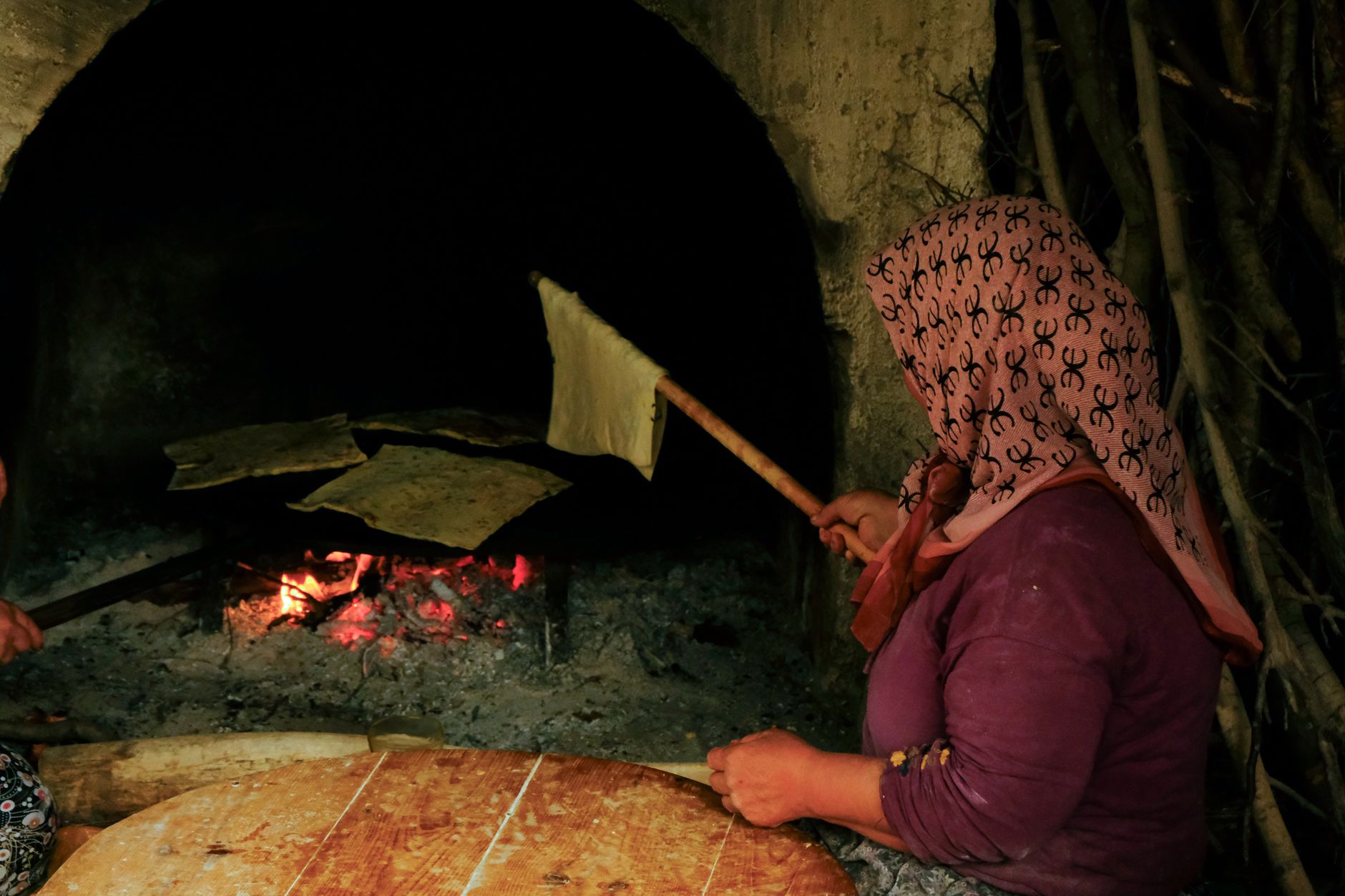
It also helps to understand the rhythm. Locals typically start early, cover ground steadily, and stop for tea and bread mid-morning. They will often separate the harvest into species groups and reject anything they are even slightly unsure about. Watching this discipline in action is itself a lesson in rural wisdom.
"The forest gives you dinner, but only if you listen first. Take what you know, leave what you don't." — a common sentiment among Black Sea foragers
From Forest to Village Kitchen
The real reward comes afterward, when the basket reaches the kitchen. Village cooking with wild mushrooms is humble and deeply satisfying. On the Black Sea, the classic preparation is mantar sote — mushrooms sautéed with butter, onion, and pepper, sometimes finished with a spoonful of tomato paste. Another favourite is mantar kavurması, cooked down slowly with eggs for a hearty breakfast, or folded into mantar böreği, a flaky pastry filled with mushrooms, cheese, and herbs.
In Aegean villages, mushrooms often meet olive oil rather than butter. Expect them roasted with garlic and thyme, stirred through bulgur pilaf, or grilled simply over wood embers so their earthy flavour stands alone. Some households dry part of the harvest on strings and use it through winter in soups and stews — a practical tradition that doubles as a beautiful sight on a village balcony.
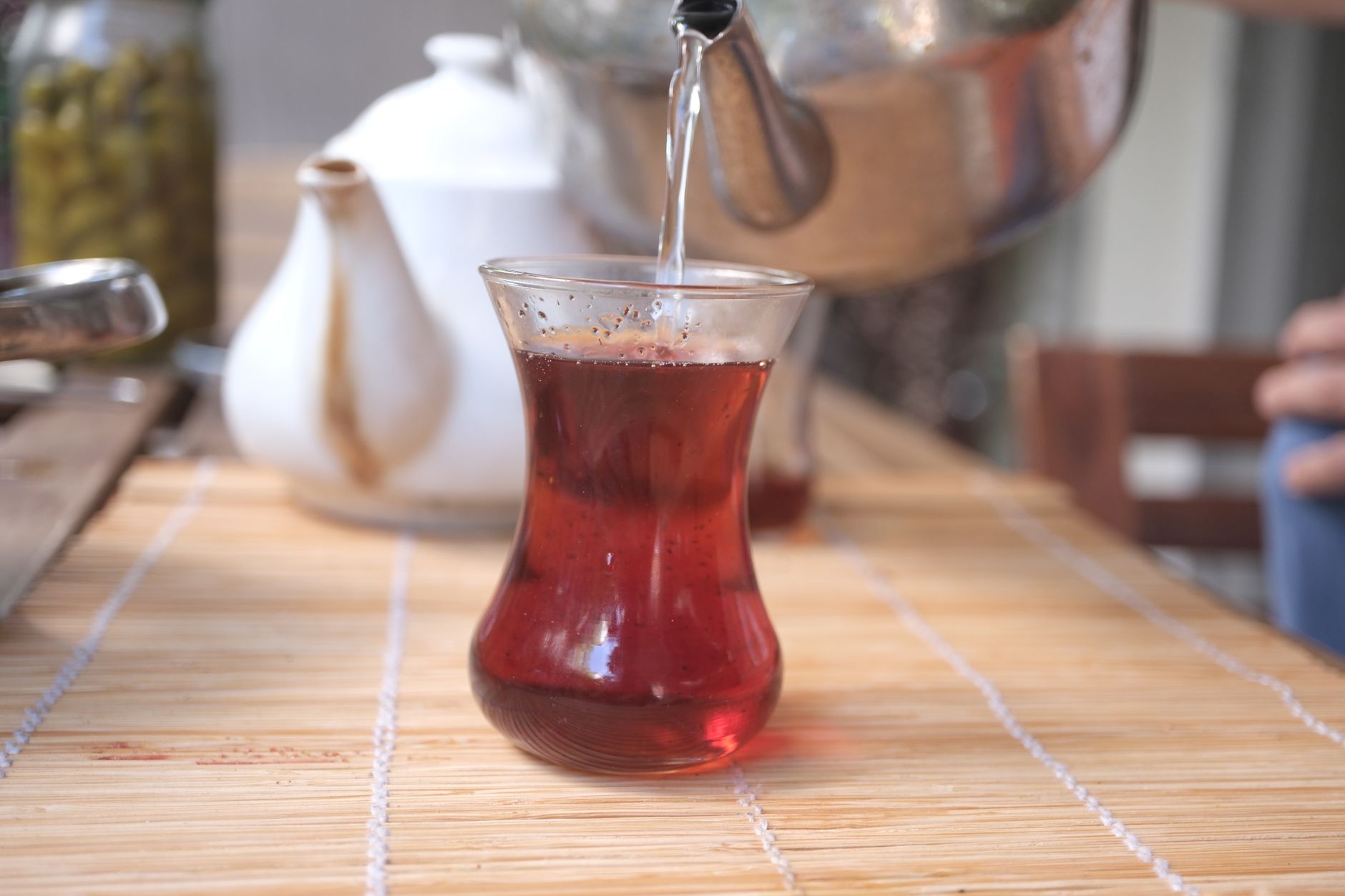
What makes these meals memorable is not technique but context: the wood-fired stove, the copper pan, the tomatoes from the garden, the tea poured without asking. Rural Turkish hospitality tends to treat a guest as a reason to cook properly, not to show off. If you are invited to a table, accept, and bring something small — fruit, tea, or sweets — as a gesture of thanks.
Turkish food culture is far more than kebabs and mezes, and autumn foraging is one of its most intimate expressions. For more on how food and place connect across the country, browse our travel guides.
Practical Planning: Where, When, and How to Behave
Timing matters. The prime window for Black Sea foraging runs roughly from late September through November, depending on rainfall and altitude. Aegean mushroom season tends to arrive a little later and is more weather-dependent, often peaking in November after consistent rain. A dry autumn means a poor season; locals will tell you honestly if it is not worth going out.
Base yourself in a village guesthouse or small family hotel rather than a large resort. This gives you direct access to the people who know the forest. Ask about walks a day or two in advance, and be flexible — foraging depends on weather, not schedules. Bring cash, as village businesses and guides may not accept cards.
Behaviour in the forest matters as much as behaviour at the table. Do not pick in protected areas or private land without permission, do not disturb the leaf litter more than necessary, and never fill your basket to the brim. Sustainable foraging is not a slogan here — it is a survival practice. Many villages have unwritten rules about which areas are shared and which are left alone.
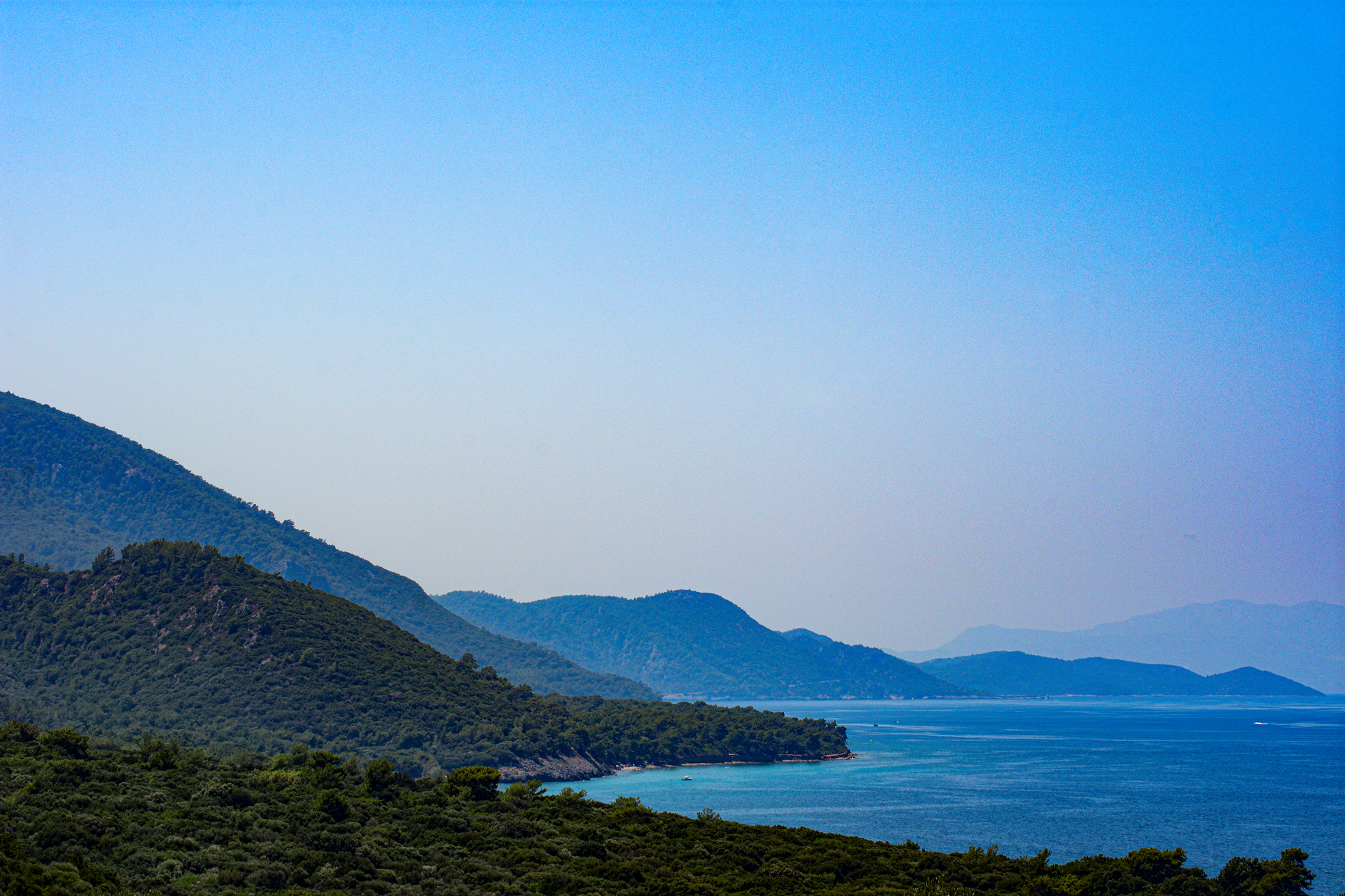
If you are building a longer trip, autumn foraging pairs beautifully with the coast. Consider combining forest days with quieter seaside stays, and check our suggested routes for ideas on linking regions without rushing. A trip planned around the harvest will feel slower and richer than one built around checklist sights.
Why This Kind of Travel Matters
Autumn mushroom foraging in Türkiye is not an activity you consume; it is one you participate in. You wake early, you walk quietly, you learn to look, and you eat what the forest and the village give you. That rhythm resets something in most travellers.
It is also a reminder that rural Türkiye is not a backdrop but a living culture. The people who lead these walks and cook these meals are not performing tradition — they are living it, season after season. Your role is to be a respectful guest: listen more than you speak, ask before you photograph, and let the schedule bend to the weather rather than the other way around.
If you want help shaping an autumn journey that balances forest days, village kitchens, and time to breathe, our trip planner is a good place to start. Come with an open basket and an open mind, and the Black Sea and Aegean woods will feed you in ways no restaurant can.
Thinking about a trip to Turkey?
Share your contact details and a vetted local expert will follow up with a plan built around you — free, no obligation.