

Autumn in Türkiye is a quiet miracle. The sea, warmed by a long summer, holds its heat into October; the meltemi winds soften; and the fishing boats that spent July chasing sardines and bream now return to harbour with the season's real prizes — meaty mussels, sweet calamari, and oysters that taste of cold, clean currents. Along the Aegean and Marmara coasts, from Çeşme down to Bozcaada, locals will tell you that this is the true season for the table. Summer is for swimming. Autumn is for eating.
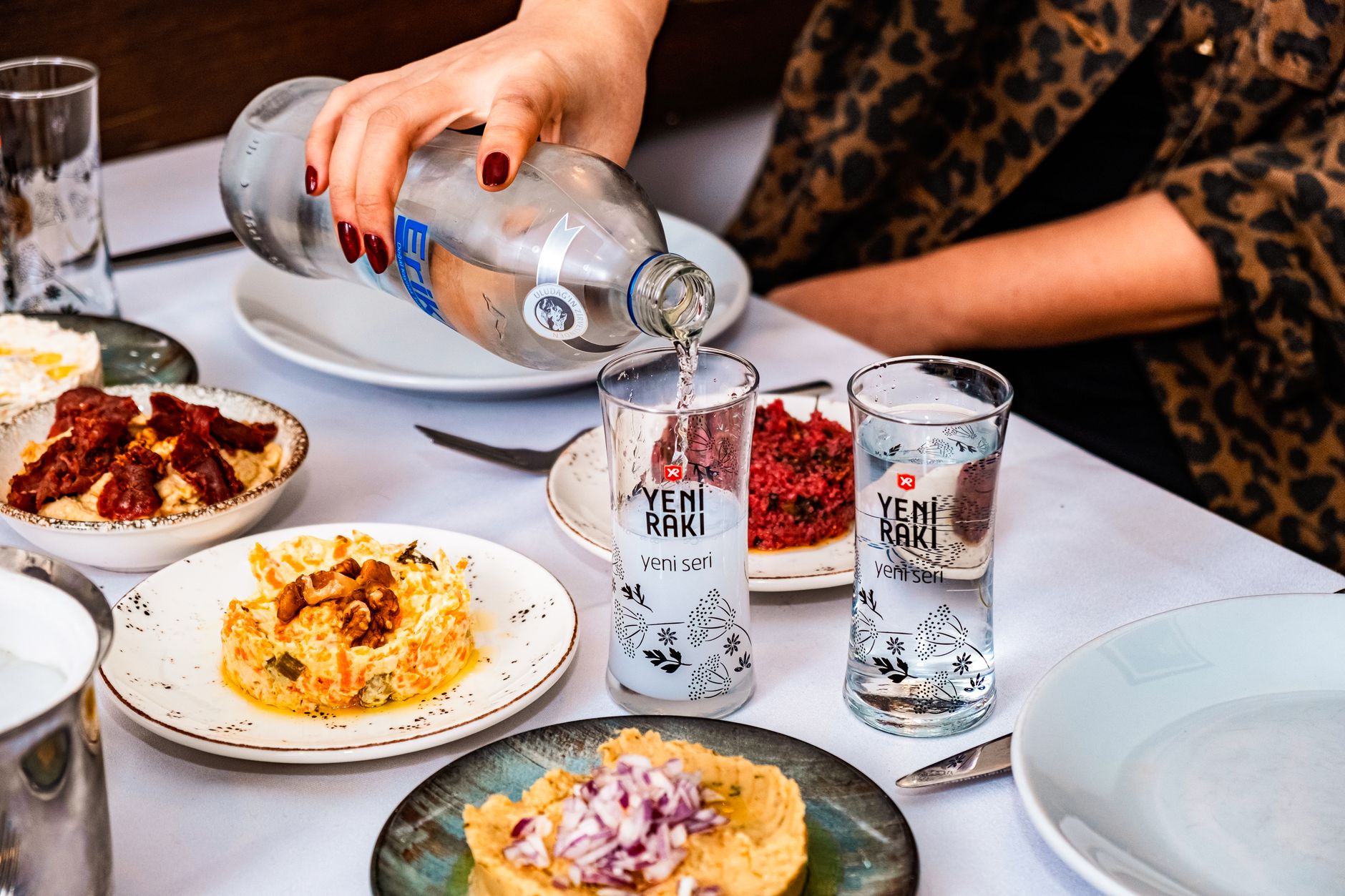
In the harbour towns, the ritual is unhurried and generous. A table appears at the water's edge, a white cloth flutters, and small plates begin to arrive — one, then six, then a dozen — each a little invitation. A glass of raki clouds with water. Someone raises a toast: şerefe. The evening stretches, and nobody looks at the clock. This is Turkish hospitality by the sea, and autumn is when it tastes best.
Why Autumn Is the Season for the Sea
Ask any fisher in Foça or Ayvalık when the fish are best, and you will get the same answer: after the first rains. Through summer, the Aegean is warm and crowded; by September the water begins to cool, and the creatures of the sea grow fat and flavourful. Oysters, in particular, are at their peak from September through December — plump, briny, and sweet, with a minerality that comes from the rocky bays and strong currents of the Aegean.
Autumn also brings a different pace to the coast. The beaches empty, the seafront promenades belong to locals again, and the prices — always reasonable in this part of the world — settle into their off-season calm. For travellers, this is a gift: you eat better, pay less, and find a seat right at the water's edge. If you are planning a trip and wondering when to come, autumn is arguably the best time to visit Türkiye's Aegean. Our seasonal guide can help you line up your dates with the harvest.
And the harvest is everywhere. In the markets you will see purple cauliflowers, wild greens called ot, and the last of the figs. On the boats, you will see the catch sorted into crates: red mullet, sea bream, sea bass, calamari, and the unmistakable glint of silver sardines. Autumn is a feast in motion.
Çeşme and the Oyster Beds of the Aegean
Çeşme, at the very tip of the peninsula that reaches toward Chios, has long been famous for its thermal waters and its wind — but food lovers know it for its oysters. The bays around Çeşme and neighbouring Alaçatı produce some of the finest oysters in Türkiye, and in autumn the local restaurants set up tables right on the quay to celebrate them. A plate of oysters here might come simply, with lemon and a little olive oil, or grilled and brushed with garlic butter; either way, the taste of the sea is immediate and bright.
In the town's market streets, you will find stands selling midye — mussels stuffed with spiced rice, a beloved street food — alongside jars of local olive oil and herbs. The best way to experience Çeşme is to wander, taste, and let the evening find you. Start with a walk through the old town, then settle at a harbour restaurant for a long dinner of mezeler: deniz börülcesi (samphire) with garlic and lemon, ahtapot salatası (octopus salad), and lakerda, cured bonito that is a specialty of the Aegean autumn.
For those who want to explore beyond the table, the peninsula offers windswept beaches, ancient ruins, and the charming streets of Alaçatı. Our destinations section has more on the region's highlights. But do not overplan: in Çeşme, the point is to sit, share, and let the evening ripen.
Ayvalık: Olive Groves, Islands, and Meze by the Dozen
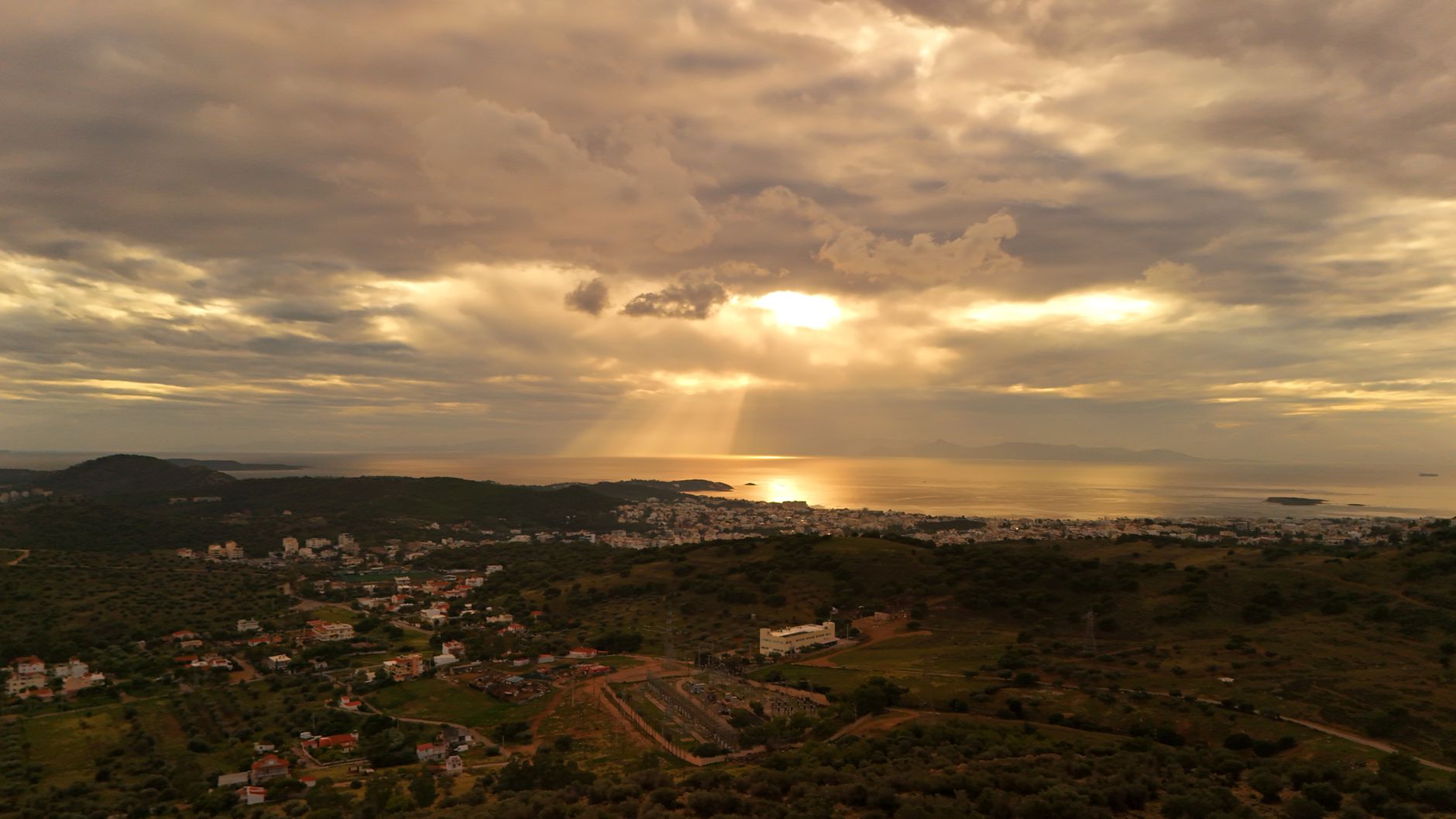
Farther north, Ayvalık is a town of cobblestone streets, old Greek houses, and a sea so calm it looks like glass. It is also the heart of Türkiye's olive oil country, and autumn is the olive harvest — which means the markets are full of fresh oil, and the kitchens are fragrant with it. Ayvalık's cuisine is built on olive oil, herbs, and seafood, and the meze culture here is legendary.
At any harbour restaurant, a meal begins with a parade of small plates: yaprak sarma (stuffed vine leaves), enginar (artichoke hearts with peas and dill), fasulye pilaki (white beans in tomato and olive oil), and, of course, seafood mezeler like kalamar tava (fried calamari) and karides güveç (shrimp baked in a clay pot with tomatoes and cheese). The local specialty is papalina, a small fish similar to a sardine, best eaten fried and crisp, with a squeeze of lemon.
Ayvalık is also a gateway to the Ayvalık Islands, a small archipelago just offshore. In autumn, the boat trips are quiet, and you can swim in coves that were packed in August. Come back to town for sunset, when the sky turns pink over the water and the tables fill up along the promenade. This is the rhythm of the season: sea in the afternoon, meze in the evening, raki in between.
To make the most of your time, consider a local guide who can take you to the best meyhane and explain the dishes. Our experts can connect you with people who know the region intimately. And if you are looking for a structured itinerary, our itineraries include the Aegean coast at its autumnal best.
Foça: A Fisherman's Town with a Taste of the Past
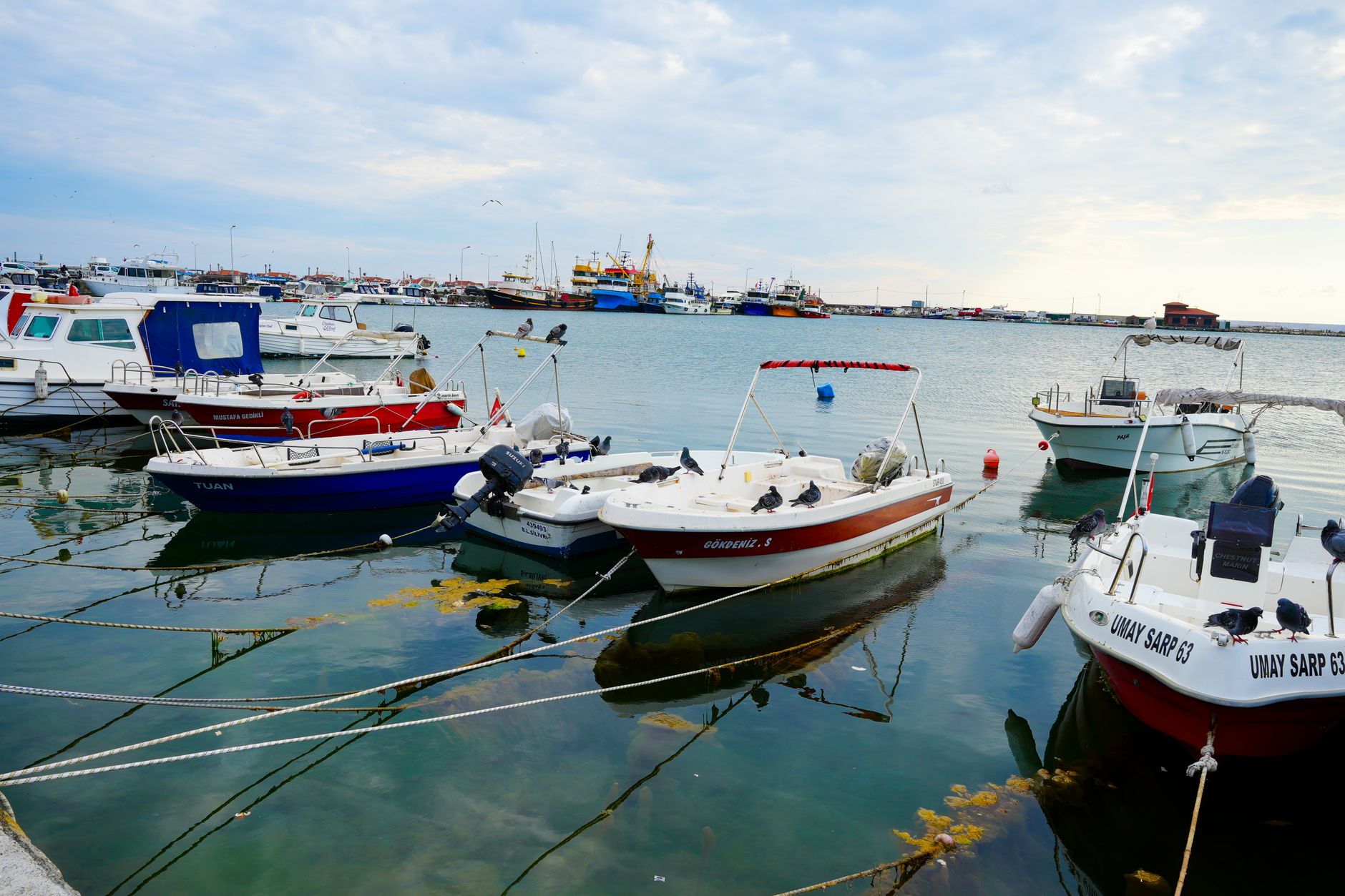
Foça, north of Izmir, is one of the most charming harbour towns in Türkiye. It is also one of the oldest — the ancient Phocaea was a major Greek city, and its ruins still stand near the modern town. Today, Foça is a place where fishermen mend nets on the quay and cats nap on the boats. In autumn, the town's restaurants serve some of the best seafood on the coast, at prices that will make you smile.
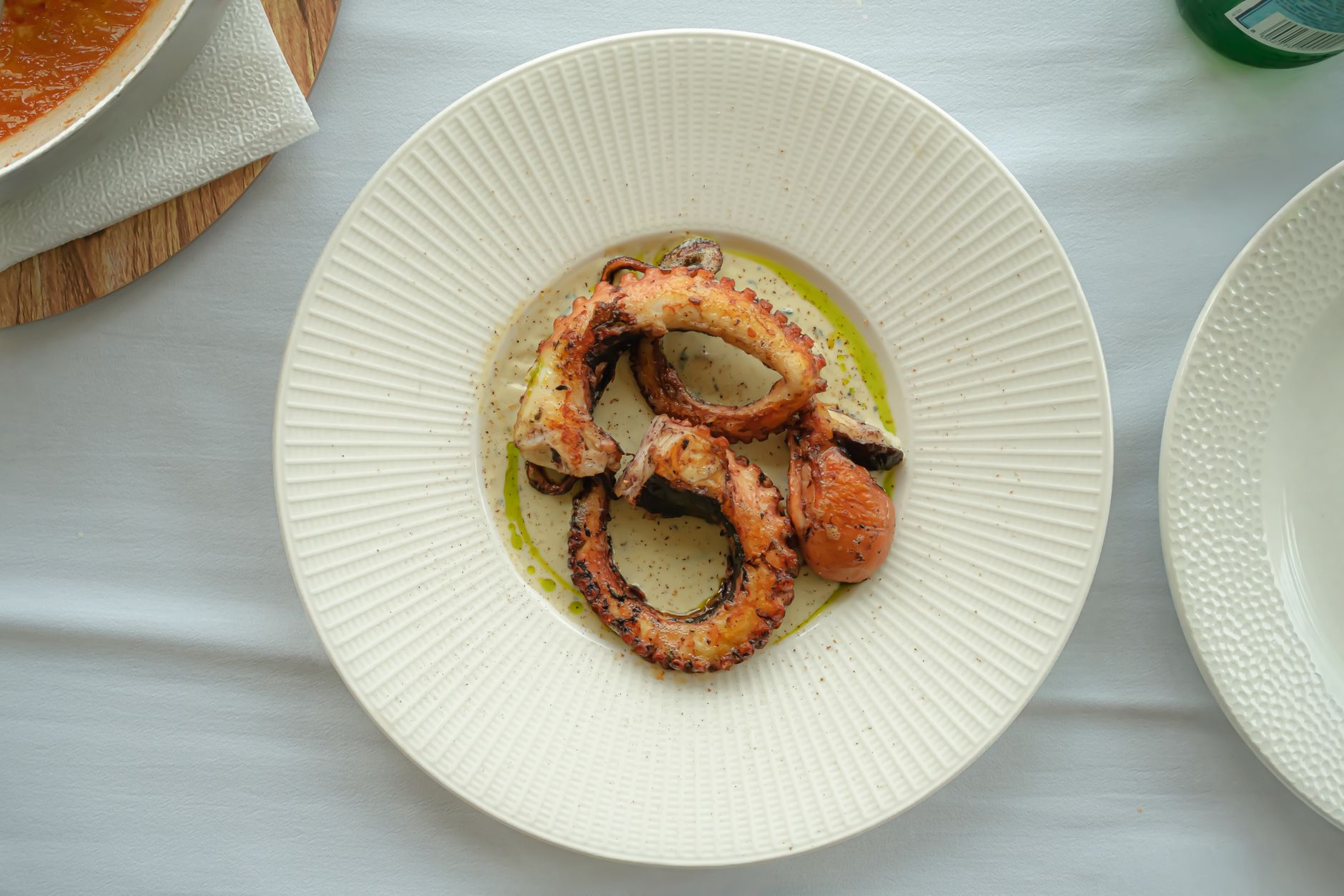
The local specialty is midye dolma, mussels stuffed with rice, pine nuts, and currants, which you can buy from street vendors for a few lira. But sit down at a meyhane and you will find much more: grilled octopus, sea bass baked in salt, and karides (shrimp) simply grilled with olive oil and lemon. The fish market in the centre allows you to choose your own fish, which the surrounding restaurants will cook for you for a small fee — a wonderful way to eat exactly what you like.
Foça is also a haven for nature lovers: the nearby islands are a protected area for Mediterranean monk seals. In autumn, the crowds are gone, and you can walk the coastal path, visit the ancient ruins, and watch the sunset from the castle. Then, as the lights come on, find a table by the water and order a bottle of local wine or raki. Afiyet olsun — enjoy your meal.
Bozcaada: An Island of Wind, Wine, and Oysters
Bozcaada, a small island in the northern Aegean, is reached by ferry from the mainland. It is known for its vineyards, its windmills, and its fresh seafood — and in autumn, it becomes a haven for food lovers. The island's restaurants line the harbour, and the specialty is, unsurprisingly, oysters. They are served grilled, fried, or raw, and paired with the island's own wines, which are excellent.
Bozcaada is also a place to slow down. Rent a bike, cycle through the vineyards, and stop at a winery for a tasting. In the evening, the harbour lights reflect on the water, and the meze tables fill up. Try the deniz kestanesi (sea urchin) if you are adventurous, and the kalamar if you are not. The island's cuisine is a blend of Turkish and Greek influences, a reminder of the Aegean's shared history. The culture of the region is on every plate.
Autumn is also grape harvest time on Bozcaada, so you may stumble upon a festival or a spontaneous celebration. The island is small enough to explore in a day, but you will want to stay longer. Book a boutique hotel in the old town, and let the island's rhythms take over. For more on Turkish island life, see our guides.
How to Order: A Meze Primer for Travellers
Walking into a Turkish seafood restaurant can be intimidating if you do not know the customs. Here is a simple guide:
- Start with mezeler. These are small plates, served cold or hot. Order a few to share — three or four per person is a good start. The waiter may bring a tray to show you; point at what looks good.
- Choose your fish. In many restaurants, you select your fish from a display. It is priced by weight; ask for the price per kilo if it is not displayed. Fish is usually grilled or fried, and served with lemon and salad.
- Drink raki. The anise-flavoured spirit is the traditional accompaniment. It is mixed with water (it turns cloudy) and sipped slowly. If you prefer wine, the Aegean produces excellent whites and reds.
- End with fruit and Turkish coffee. A plate of seasonal fruit often arrives on the house, followed by coffee or tea.
Prices are generally very reasonable, especially compared to Western Europe. A large meal with fish, meze, and drinks might cost the equivalent of €20–30 per person, sometimes less. Tipping is appreciated but not obligatory; rounding up is common.
For more practical advice on navigating Turkish menus, see our travel tools. And if you have dietary restrictions, do not worry — Turkish cuisine is naturally diverse, and seafood restaurants are usually happy to accommodate.
A Season of Generosity
What makes autumn in these harbour towns so special is not just the food, but the spirit in which it is shared. The Turkish concept of misafirperverlik — hospitality — is alive here. You will be welcomed like a friend, offered the best seat, and urged to eat more. The table is a place of generosity, and the season of abundance is the perfect time to experience it.
So come to the Aegean in autumn. Bring a light jacket for the evenings and an appetite for the sea. Sit by the water, order a plate of oysters, raise a glass of raki, and toast to the season. Şerefe! You will understand why locals say that autumn is the best-kept secret of the Turkish coast.
Thinking about a trip to Turkey?
Share your contact details and a vetted local expert will follow up with a plan built around you — free, no obligation.