

The Heartbeat of the Neighborhood: Türkiye's Wood-Fired Bakeries
Every Turkish neighborhood has a rhythm, and at its core is the bakery. The fırın (bakery) is not just a place to buy bread; it's a living, breathing part of daily life. Before dawn, the glow of a wood-fired oven spills onto the cobblestones, and the scent of baking ekmek (Turkish bread) drifts through the streets, calling early risers to queue for a warm loaf. For travelers, stepping into this world is one of the most authentic and sensory experiences Türkiye offers.
Wood-fired ovens, known as taş fırın (stone ovens), have been used for centuries. They are typically built of brick and clay, heated with oak or other hardwoods until the interior reaches the perfect temperature. The baker, a master of his craft, uses a long wooden paddle called a fırın küreği to slide dough onto the oven floor. The result is bread with a blistered, crackling crust and a soft, steamy interior that no electric oven can replicate.
In this article, we'll explore the sensory joy of Turkish bakeries, from the morning rush to the evening pide bake. We'll share practical tips on timing your visit, what to look for, and where to find the most atmospheric bakery alleys across the country. Come hungry; this is a delicious journey.
Morning Rituals: The First Bake of the Day
The first bake usually begins around 4:00 or 5:00 AM. Bakers arrive while the city sleeps to stoke the embers and prepare the dough, which has been fermenting overnight. By 6:00 AM, the first loaves of ekmek—flat, oval, and dusted with flour—are pulled from the oven. This is the golden hour for bread lovers: the air is cool, the streets are quiet, and the bread is at its absolute peak.
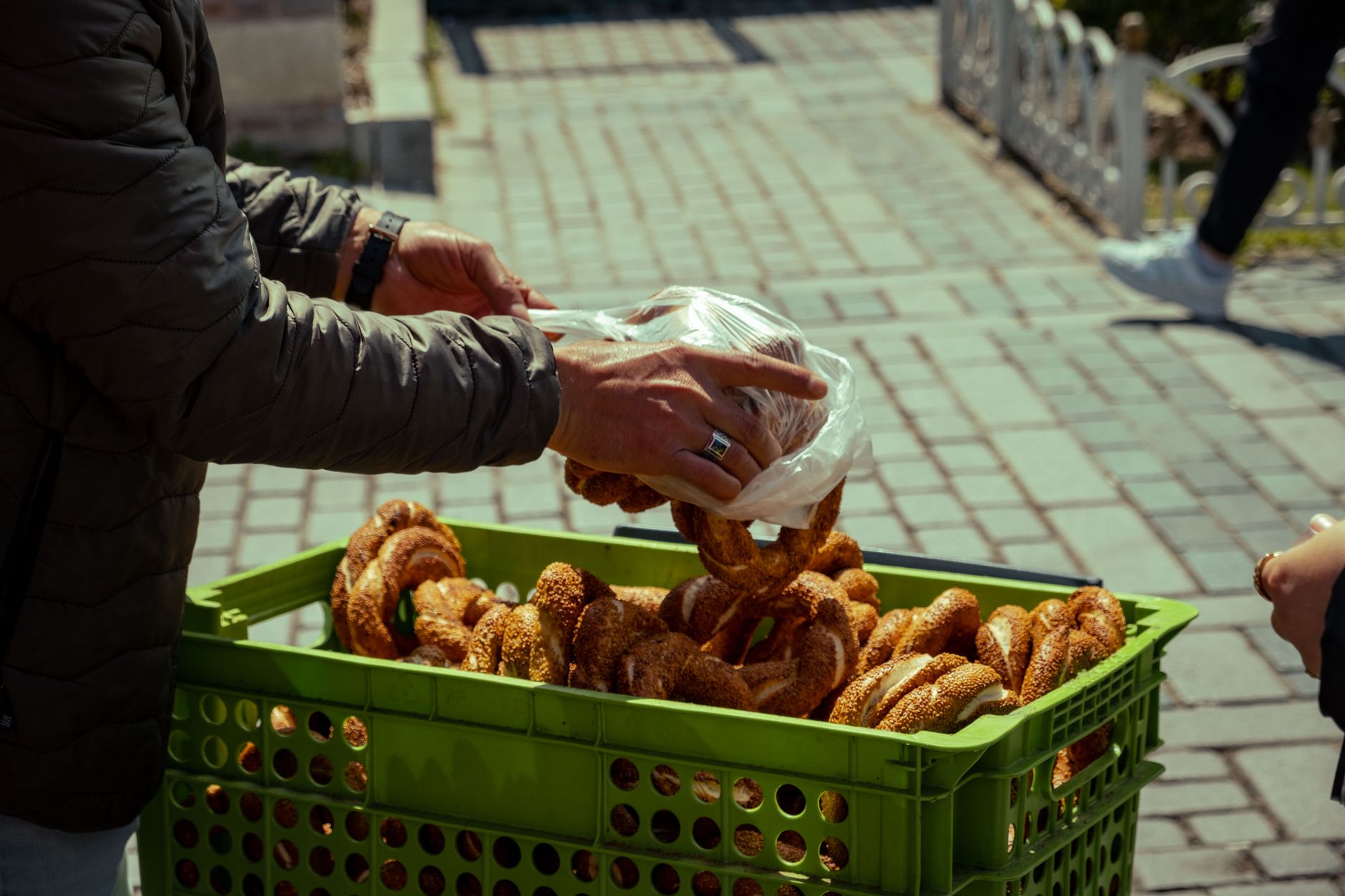
If you want to watch the process, arrive at a neighborhood bakery between 5:30 and 7:00 AM. You'll see the baker slapping dough onto the paddle, sliding it into the glowing oven, and pulling out perfectly baked loaves minutes later. Many bakeries also offer simit (sesame-crusted rings) and poğaça (stuffed savory pastries) at this time, fresh from the oven. Grab a simit and a glass of Turkish tea from the nearby çay ocağı (tea house) for a classic Turkish breakfast on the go.
Don't be shy about asking questions. Bakers are often proud of their craft and happy to explain the process, even with limited English. A simple "Afiyet olsun" (enjoy your meal) or "Kolay gelsin" (may it come easy) goes a long way in building rapport.
Evening Bakes: Pide, Lahmacun, and the Second Wind
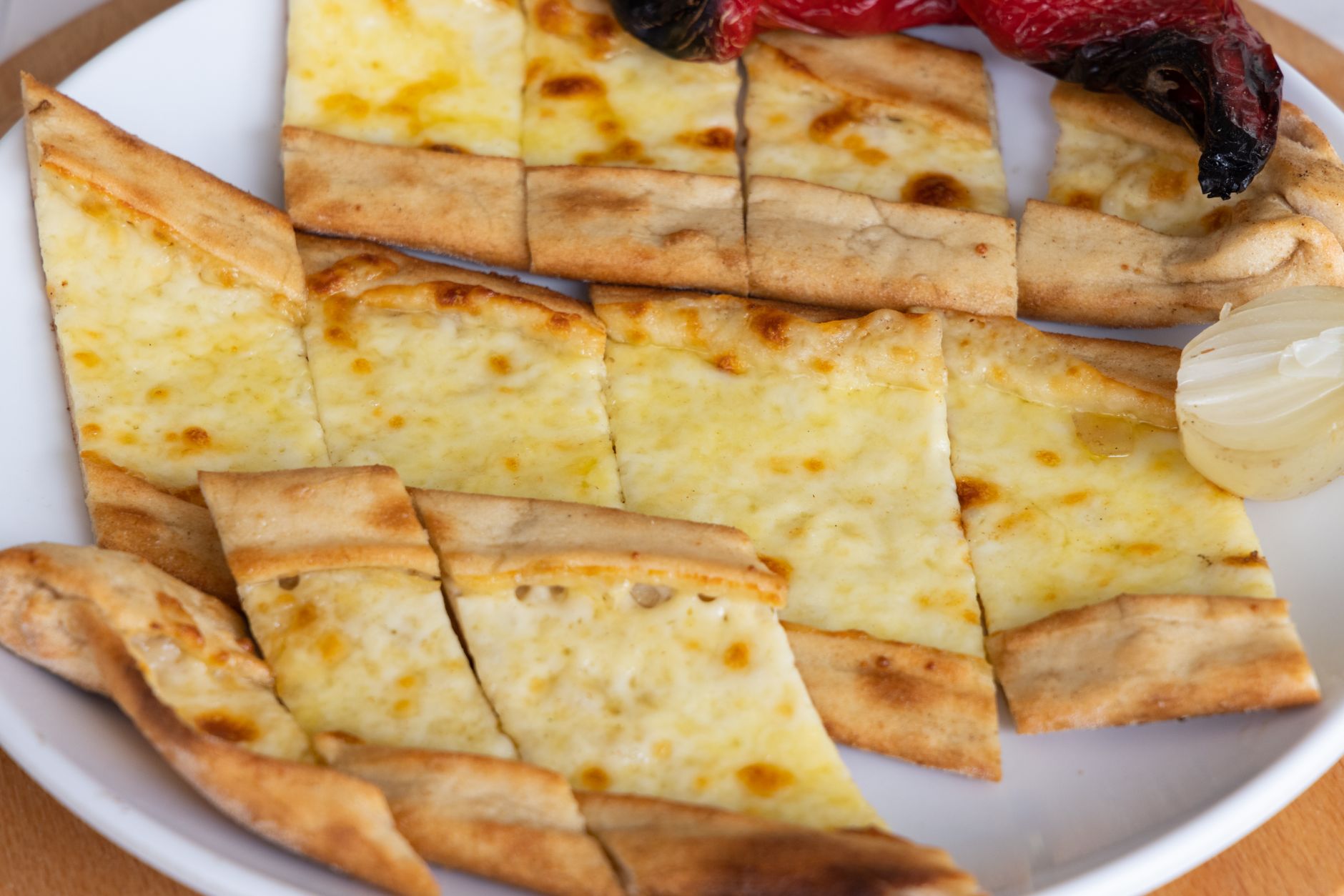
As the sun sets, bakeries fire up their ovens again for the evening rush. This is when pide—Turkish flatbread topped with cheese, meat, or vegetables—takes center stage. Unlike the morning ekmek, which is meant to accompany meals, pide is a meal in itself. The dough is stretched into a boat shape, topped with ingredients like kaşar cheese, sucuk (spicy sausage), or spinach and feta, and baked until the edges are crispy and the cheese is bubbly.
The evening bake typically starts around 5:00 or 6:00 PM and continues until 9:00 or 10:00 PM. This is the perfect time to sit at a small table outside the bakery, order a pide and a glass of ayran (yogurt drink), and watch the baker work his magic. The aroma of melting cheese and roasting meat is intoxicating. Many bakeries also offer lahmacun (thin flatbread with minced meat) and künefe (sweet cheese pastry) for dessert.
For a truly memorable experience, seek out a bakery that specializes in kara fırın (black oven) pide. These ovens are heated with wood until the interior is coated with a layer of carbon, which gives the bread a distinct smoky flavor. The best places are often family-run establishments that have been in business for generations.
Where to Find Türkiye's Best Bakery Alleys
While great bakeries exist in every city, some neighborhoods are legendary for their concentration of wood-fired ovens. Here are a few standout bakery alleys to add to your itinerary:
- Istanbul – Karaköy and Galata: This historic district is home to several traditional bakeries. Walk along Kemankeş Caddesi and duck into side streets to find fırıns that have been baking for decades. Try Karaköy Fırın for excellent ekmek and simit.
- Gaziantep – Bakırcılar Çarşısı: In this southeastern city, known for its cuisine, the coppersmiths' market is surrounded by bakeries. The local specialty is katmer, a flaky pastry with pistachios, but the pide here is also outstanding.
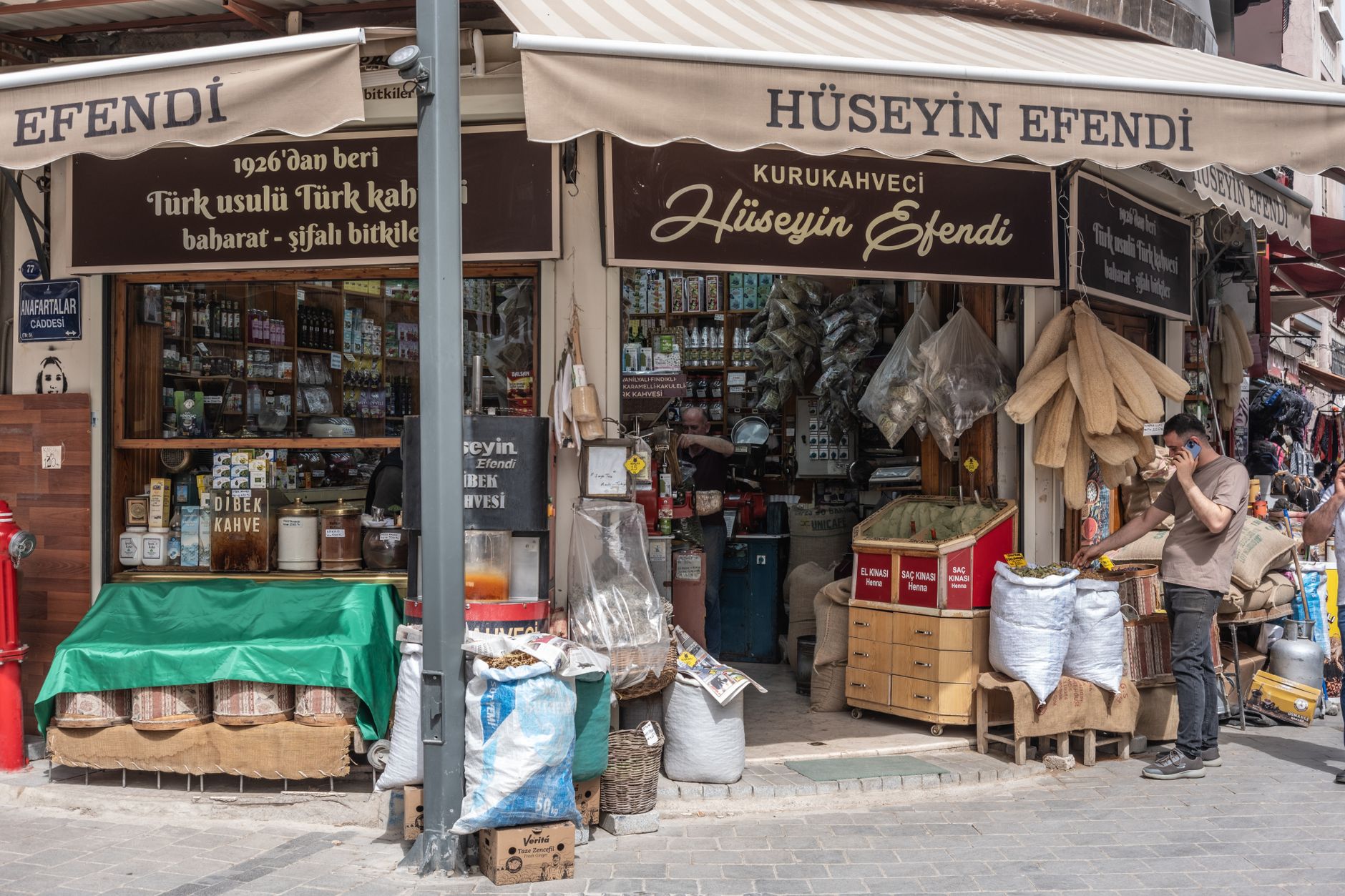
- İzmir – Kemeraltı Bazaar: This sprawling market has numerous bakeries tucked among its stalls. Look for boyoz, a Sephardic pastry, and gevrek, İzmir's answer to simit.
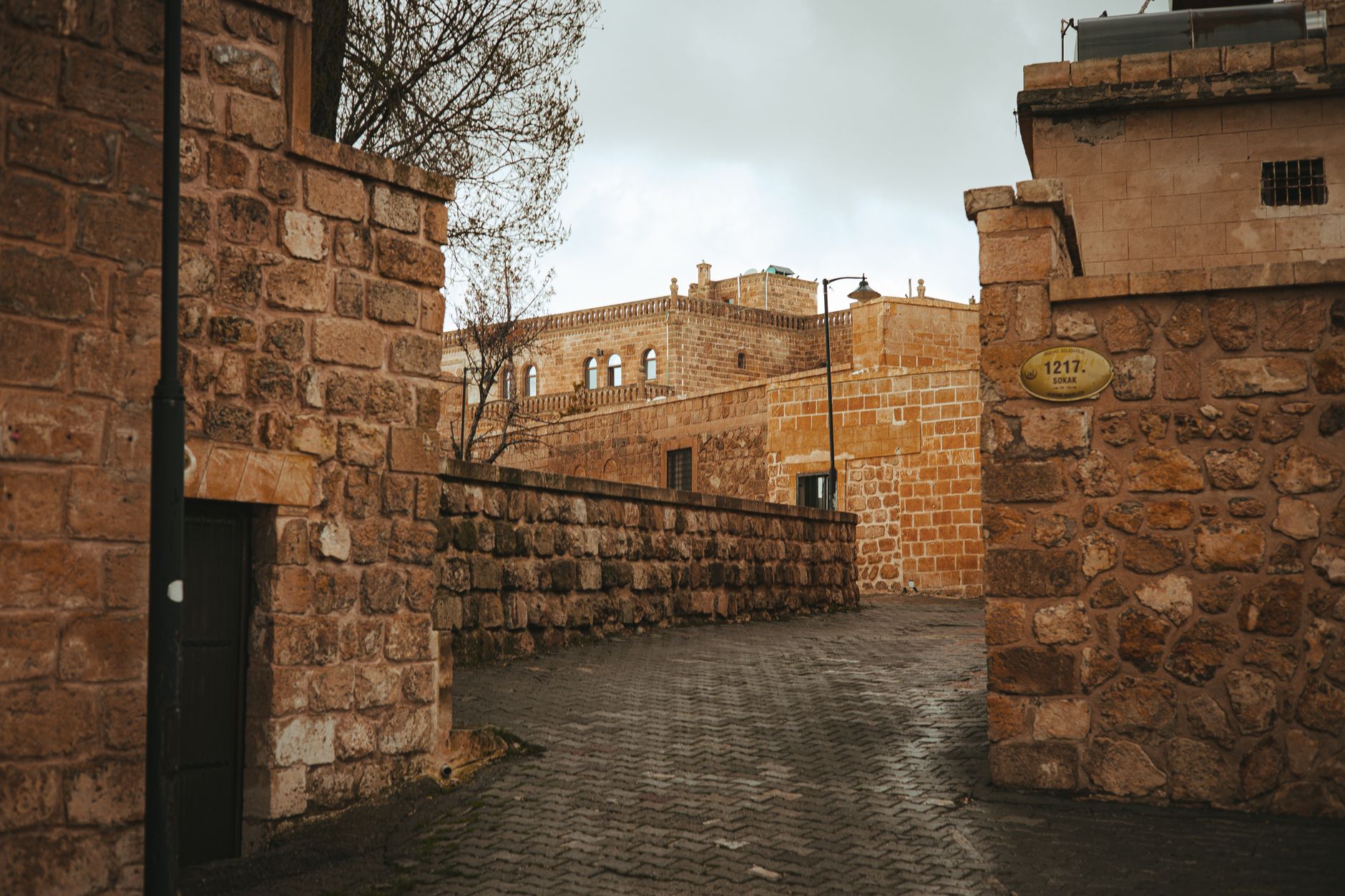
- Mardin – Old Town: The narrow streets of Mardin's old city are lined with bakeries where you can watch ekmek being baked in ancient stone ovens. The atmosphere is magical, especially at sunset.
- Konya – Mevlana Bazaar: Known for its etli ekmek (meat-topped flatbread), Konya's bakeries are a must-visit for food lovers. The bazaar area has several traditional fırıns.
In these areas, you'll often find bakeries within walking distance of each other, making it easy to sample different styles. Don't just stick to the main streets; the best gems are often hidden in the back alleys.
Timing Your Visit: A Baker's Clock
To get the most out of your bakery experience, it helps to understand the daily rhythm. Here's a quick guide:
- Early Morning (5:00–7:00 AM): First bake of ekmek, simit, and poğaça. Best for watching the baking process and enjoying bread straight from the oven.
- Mid-Morning (7:00–10:00 AM): Bakeries are busy with locals buying breakfast bread. Good time to try fresh açma (sweet pastry) and çay.
- Afternoon (12:00–4:00 PM): A lull period. Some bakeries may be closed or preparing dough for the evening. This is a good time to explore other sights.
- Evening (5:00–10:00 PM): Second bake, featuring pide, lahmacun, and sometimes künefe. The atmosphere is lively, and bakeries often have seating outside.
Keep in mind that times can vary by region and season. In smaller towns, bakeries may only bake once a day. It's always a good idea to ask your hotel or a local for recommendations.
The Craft and Hospitality of Turkish Bakers
Turkish bakers are artisans who take pride in their work. Many have learned the trade from their fathers and grandfathers, using the same recipes and techniques passed down through generations. The relationship between baker and customer is one of mutual respect and warmth. Regulars are greeted by name, and their usual order is often ready before they even ask.
When you visit a bakery, you're not just a customer; you're a guest. It's common for the baker to offer you a piece of fresh bread or a simit while you wait. Accept it with a smile and a "Teşekkür ederim" (thank you). This simple exchange is a beautiful example of Turkish hospitality.
If you're interested in learning more, some bakeries offer workshops or allow visitors to try their hand at shaping dough. Even just watching is a meditative experience. The rhythmic motion of the baker, the crackle of the fire, and the transformation of simple ingredients into something extraordinary—it's a reminder of the beauty in everyday craftsmanship.
Practical Tips for Bakery Hopping
Ready to embark on your own bakery adventure? Here are some practical tips:
- Cash is king: Many small bakeries don't accept credit cards, so carry small bills and coins.
- Go early or late: As mentioned, the best times are early morning and evening. Avoid midday when selection may be limited.
- Learn a few words: Ekmek (bread), pide (flatbread), simit (sesame ring), fırın (bakery), sıcak (hot).
- Follow your nose: The aroma of fresh bread is the best guide. If you smell wood smoke and baking dough, you're in the right place.
- Be patient: Popular bakeries may have lines, especially in the morning. Use the time to observe and soak in the atmosphere.
- Respect the space: Bakeries are workplaces. Ask before taking photos, and stay out of the way of busy bakers.
Finally, don't forget to try ayran or şalgam (turnip juice) with your pide—the perfect pairing.
Conclusion: A Taste of Türkiye's Soul
Türkiye's bakery alleys and wood-fired ovens offer more than just delicious bread; they offer a window into the country's soul. In a world of mass production, these bakeries stand as bastions of tradition, where time-honored techniques and human connection are valued above all. Watching a baker pull a steaming loaf of ekmek from the oven, or biting into a freshly baked pide with cheese stretching in the evening light, is a joy that lingers long after your travels end.
So next time you're in Türkiye, set your alarm for dawn or plan an evening stroll. Follow the scent of wood smoke and baking dough. Step into a neighborhood fırın, and let the warmth and hospitality of the baker welcome you. Afiyet olsun!
Thinking about a trip to Turkey?
Share your contact details and a vetted local expert will follow up with a plan built around you — free, no obligation.