
The Quiet Hour Before the City Wakes
Set an alarm for 6:15 a.m. in almost any Turkish town and you'll be rewarded with something most travelers sleep right through. The streets are still blue-grey and quiet, delivery vans idle at corners, and the only bright rectangles of light are the windows of the local bakery — the fırın — where the ovens have been burning since long before dawn. This is the hour of the simit and the börek, and it's one of the most delicious, affordable, and genuinely local travel rituals you can weave into a trip through Türkiye.
Bakeries begin their work around 3 or 4 a.m. Dough is kneaded and left to rise while the neighborhood sleeps, and by the time you wander out, the air around the shop has that unforgettable double smell: toasted sesame and hot butter-and-flour. Locals come and go in slippers and work jackets, exchanging the sleepy greetings of people who do this every single morning. You don't need a reservation, a ticket, or a guide — just an appetite and a few coins.
If you're planning a route around these early-morning stops, our itineraries pair easily with a bakery detour before the day's sightseeing begins. Better yet, treat the bakery as your compass: the busier the shop at 6:30 a.m., the more you should trust everything inside.
Simit: The Ring That Rules the Morning
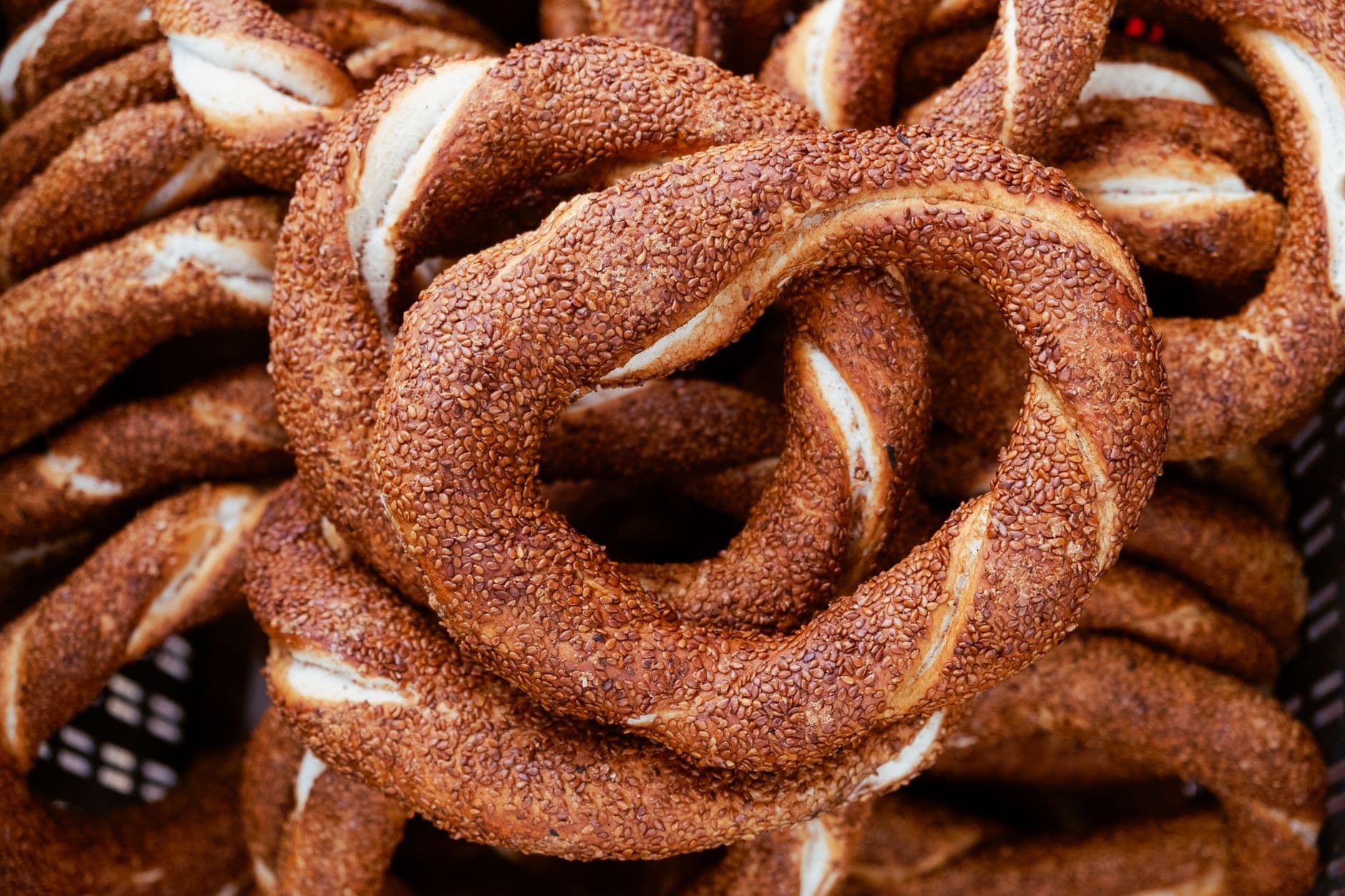
The star of the show is the simit — a circular, slightly chewy bread ring crusted with sesame seeds. It's not a bread you save for later; it's a bread you eat within minutes of leaving the shop, when the crust is crisp and the inside still faintly warm. The dough is dipped in a slightly sweet molasses-and-water wash before being rolled in sesame, which is what gives the crust its deep amber color and nutty perfume.
Watch the trays come out and you'll notice the rhythm of the whole operation. Fresh batches land on cooling racks, a shop worker counts them into bundles, and almost immediately someone buys a stack for the tea house next door. In cities, you'll also see the famous mobile sellers pushing carts of simit on their heads — but there's nothing quite like the version straight from the oven of a neighborhood baker.
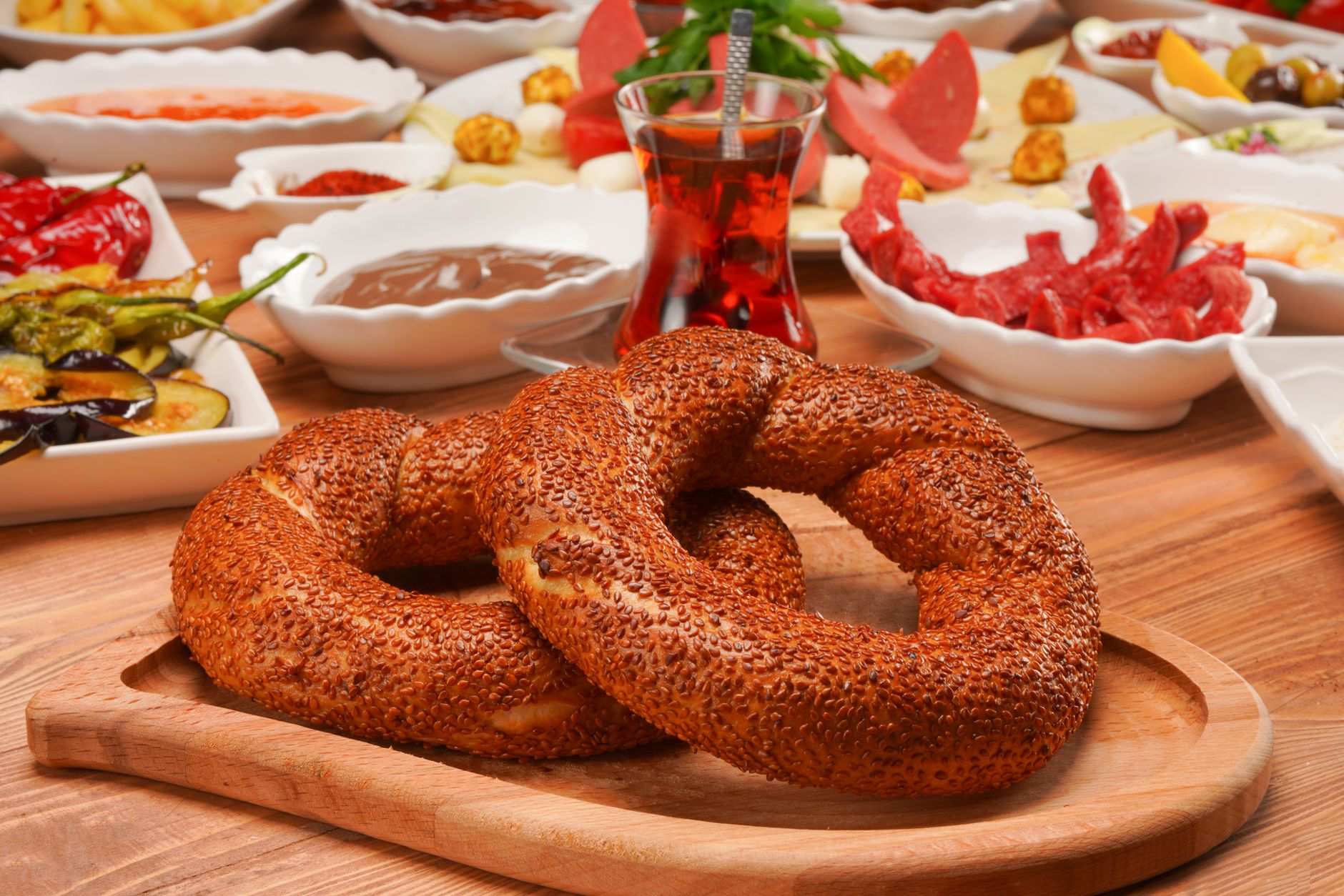
How to order: point at what you want and say the number. Two simit, a glass of tea, and a slice of white cheese is a classic, complete Turkish breakfast for the price of a coffee back home. If you want to feel like a regular, ask for taze (fresh) — the baker will hand you the warmest one on the rack.
Börek: Layers of Warmth You Can't Resist
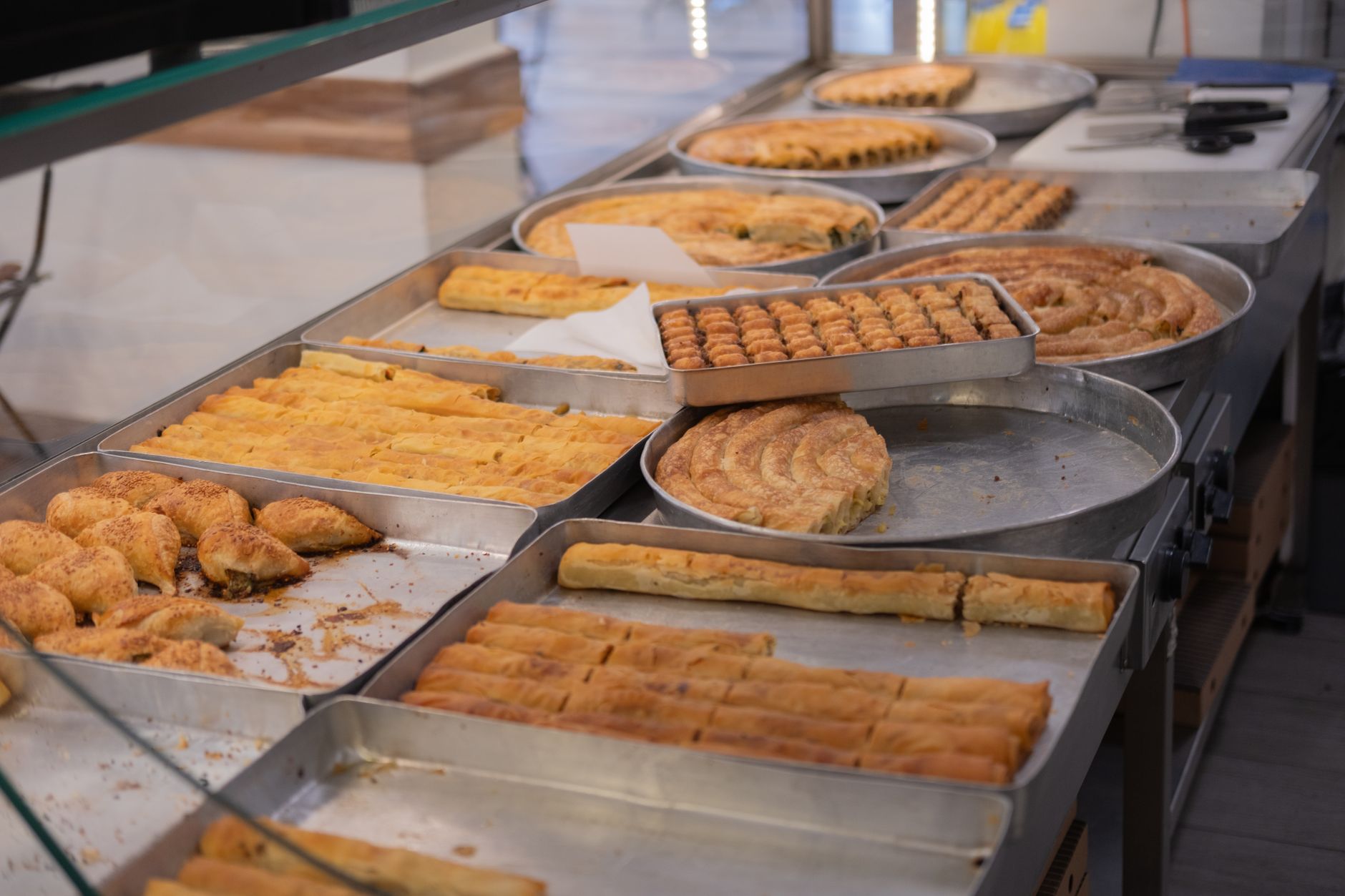
While simit is the morning's bread, börek is its comfort food. These stuffed pastries come in a dizzying range: su böreği with its tender, almost custardy layers of boiled pastry and white cheese; sigara böreği, thin cigar-shaped rolls of fried yufka filled with cheese or potato; and kıymalı börek, a hearty meat-filled version that could genuinely carry you through a long day of sightseeing.
The bakery window at dawn is a theater of textures. Watch su böreği being cut into fat squares with a sharp knife, releasing a little steam, and you'll understand why locals queue for it at this hour. Around Trabzon and the Black Sea coast, the local specialty shifts to kuymak-adjacent cheese pastries and the famous serpme börek, a flaky, sprawling sheet baked fresh in wide trays. In İzmir and the Aegean, you'll find herb-flecked versions scented with parsley and dill.
Order börek by weight or by piece. A square of su böreği and a glass of çay at a tiny counter table is a hall-of-fame breakfast. If you're unsure what's inside, just ask — bakers are unfailingly patient with curious visitors, and many will let you peek at the tray before choosing.
What Else Comes Out of the Oven at Dawn
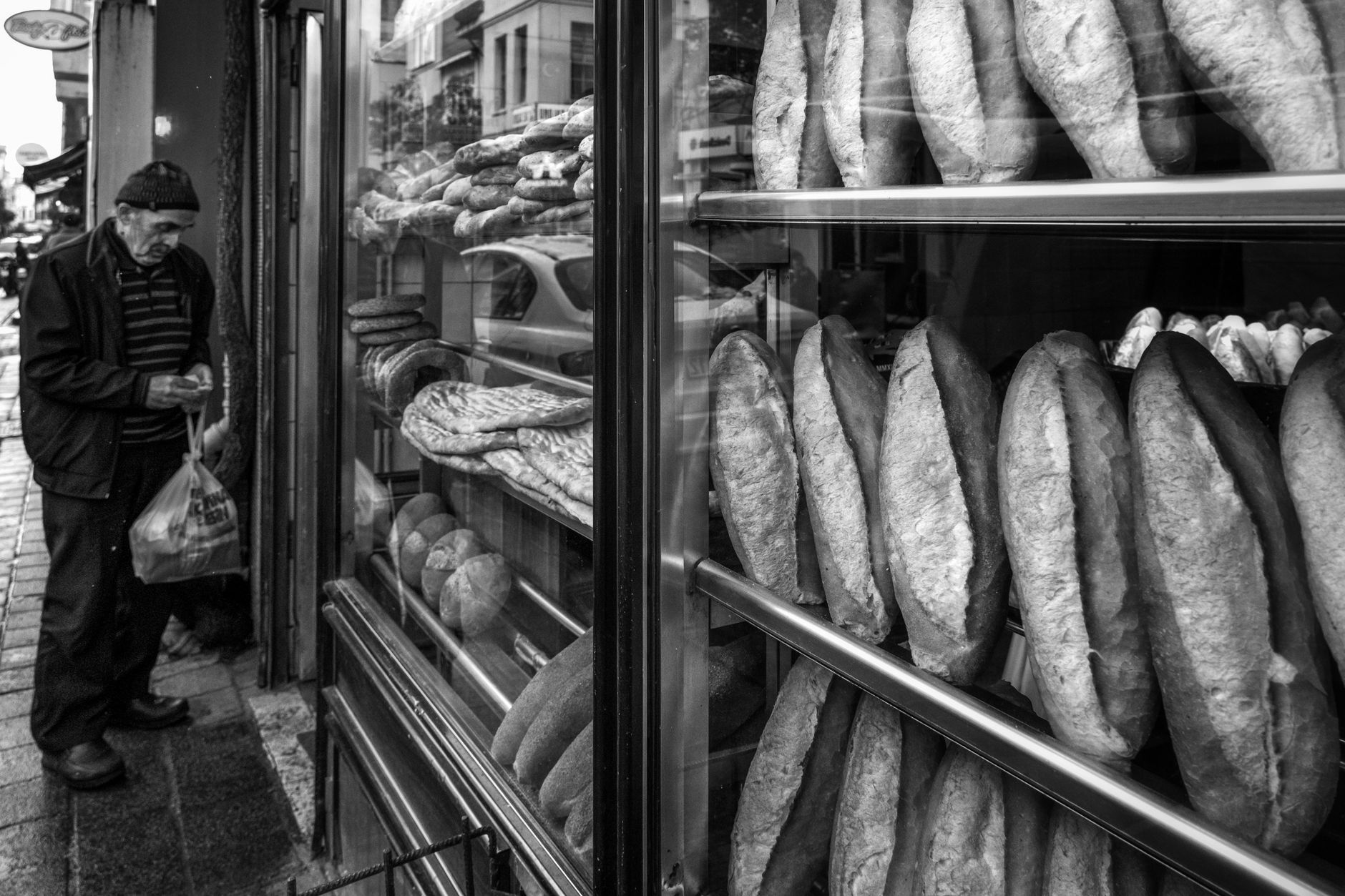
Simit and börek are the headline acts, but linger at the window and you'll see the full cast. Trays of pide and small round somun breads slide out in batches, crackling as they cool. There's often açma, a soft, ring-shaped sweet-ish bread, and poğaça, palm-sized savory rolls stuffed with cheese, olive, or potato — perfect for slipping into a daypack.
If you have a sweet tooth, look for ay çöreği (a crescent-shaped pastry with a scented filling) or a simple kurabiye at the counter. Many bakeries also sell milk, white cheese, olives, and honey, quietly turning into a one-stop breakfast shop. In smaller towns, the same counter may also do a roaring trade in simit tost — a toasted, pressed sandwich that is exactly what it sounds like and entirely wonderful.
This is also the moment to try the ritual drink: tea brewed strong in a double kettle and poured into that curvy glass. It's cheap, it's hot, and it's the social glue of the entire enterprise. Sit for ten minutes and you'll learn more about the town than an hour of wandering later in the day.
Practical Notes: Hours, Prices, and Etiquette
Timing. Most bakeries open between 5 and 7 a.m., with the first big simit and börek batches emerging in the 6–8 a.m. window. Neighborhood bakeries in cities often stay open until evening, but the freshest experience — and the real street theater — is early. Ramadan mornings and holidays shift things slightly, so peek at the door schedule if you're visiting in a busy season.
Prices. This is some of the best-value eating in Türkiye: a simit is pocket change, a slice of börek only a little more, and tea usually the cheapest item of all. Carry small bills and coins; some tiny shops prefer cash, and it's polite to sort your money before the counter.
Etiquette. It's common to eat standing at the counter or on a bench outside — nobody expects you to take a table. Say afiyet olsun as you leave (it means "may it be good for you"), and expect the baker to reply in kind. Don't handle the food yourself; point, and let the shop staff pick and wrap it. And if a tray of something is still cooling, ask before grabbing — it may need another minute.
For more on choosing the right season and city rhythm for your trip, our best-time guide is a good companion, and our travel tools page can help you plan early starts around public transport.
Where to Find the Best Bakery Streets
Every Turkish neighborhood has a bakery worth getting up for, but a few places turn the morning into an event. In Istanbul, the lanes of Karaköy, Beşiktaş, and the backstreets of Fatih hum with small ovens at dawn; on the Asian side, Kadıköy's market streets are a simit-lover's paradise. In İzmir, the Kemeraltı bazaar area wakes up early with börek shops and tea gardens side by side.
Head east to Gaziantep and Şanlıurfa for a different bakery language entirely — think sesame-laced pastries and savory doughs scented with pepper and herbs. On the Black Sea, Trabzon rewards early risers with its distinctive börek traditions, and in Konya the morning ritual feels especially unhurried and traditional.
Wherever you are, the rule is simple: follow the trays. A shop with a steady stream of locals at 6:30 a.m. is a shop you want. For a broader sense of regional flavors, browse our destinations and guides, and if you'd like a local to point you toward the best window, our experts are happy to help.
Why the Bakery Dawn Belongs on Your Itinerary
Travel in Türkiye can easily become a checklist of monuments and museums. The bakery dawn is the antidote: an entirely ordinary ritual that asks nothing of you except an early alarm and a small appetite. It is cheap, it is sociable, and it puts you side by side with people living their actual lives rather than performing them for visitors.
It also makes the rest of the day better. A warm simit and a glass of tea at 7 a.m. is a gentle, grounding start before the crowds arrive at the sights. And it's a story you'll tell for years — the morning you stood outside a glowing window and watched the first tray of börek come out of the oven, steam rising into the cool air, while the city around you slowly opened its eyes.
Plan a bakery morning into your next trip and see how much of Türkiye reveals itself before breakfast. Start with our trip planner, and read more inspiration on the blog.
"In Türkiye, the best breakfast is not served — it is pulled from an oven while the streetlights are still on."
Thinking about a trip to Turkey?
Share your contact details and a vetted local expert will follow up with a plan built around you — free, no obligation.