

Why Turkish Breakfast Is a Celebration
In Türkiye, breakfast is not a meal—it's a ritual. The word kahvaltı literally means "before coffee," but it has evolved into a lavish spread of small plates, cheeses, olives, jams, honey, clotted cream, eggs, and endless glasses of çay (tea). While hotels offer buffet versions, the true soul of Turkish breakfast lives in the local bazaars and market streets, where vendors set up stalls at dawn and families gather to shop, chat, and eat.
These morning markets are joyful, affordable windows into everyday Turkish life. Whether you're in Istanbul, Izmir, Gaziantep, or a small Aegean town, the bazaar breakfast is a highlight that costs a fraction of a restaurant meal and delivers ten times the atmosphere. You'll sit on plastic stools, tear off pieces of warm bread, and dip them into rich, tangy spreads while the market buzzes around you.
This guide will walk you through the best bazaar breakfast experiences across Türkiye, with practical tips on market days, what to bring, and how to shop and eat respectfully. By the end, you'll be ready to dive into the chaos with a smile—and an empty stomach.
The Anatomy of a Bazaar Breakfast
A typical bazaar breakfast unfolds in layers. First, you'll find the bread and bakery stalls, where simit (sesame-crusted rings), açma (soft, flaky rolls), and poğaça (stuffed pastries) emerge hot from wood-fired ovens. Next come the dairy and cheese vendors, offering white cheese (beyaz peynir), aged kaşar, and thick, creamy yogurt. The olive and jam stalls tempt with dozens of varieties—black olives, green olives, and jams made from sour cherry, fig, rose, and even eggplant.
Then there's the egg station, where you can order menemen (scrambled eggs with tomatoes and peppers) or a fried egg with sucuk (spicy sausage). Finally, the tea vendors circulate with trays of tulip-shaped glasses, refilling them for a few lira. You assemble your feast on a metal tray and find a spot at a communal table or a makeshift bench.
The beauty is that you can customize your breakfast. Point at what looks good, ask for a small portion, and pay per item. Most bazaar breakfasts cost between 50 and 150 Turkish Lira (about $2–$6) per person—an unbeatable deal.
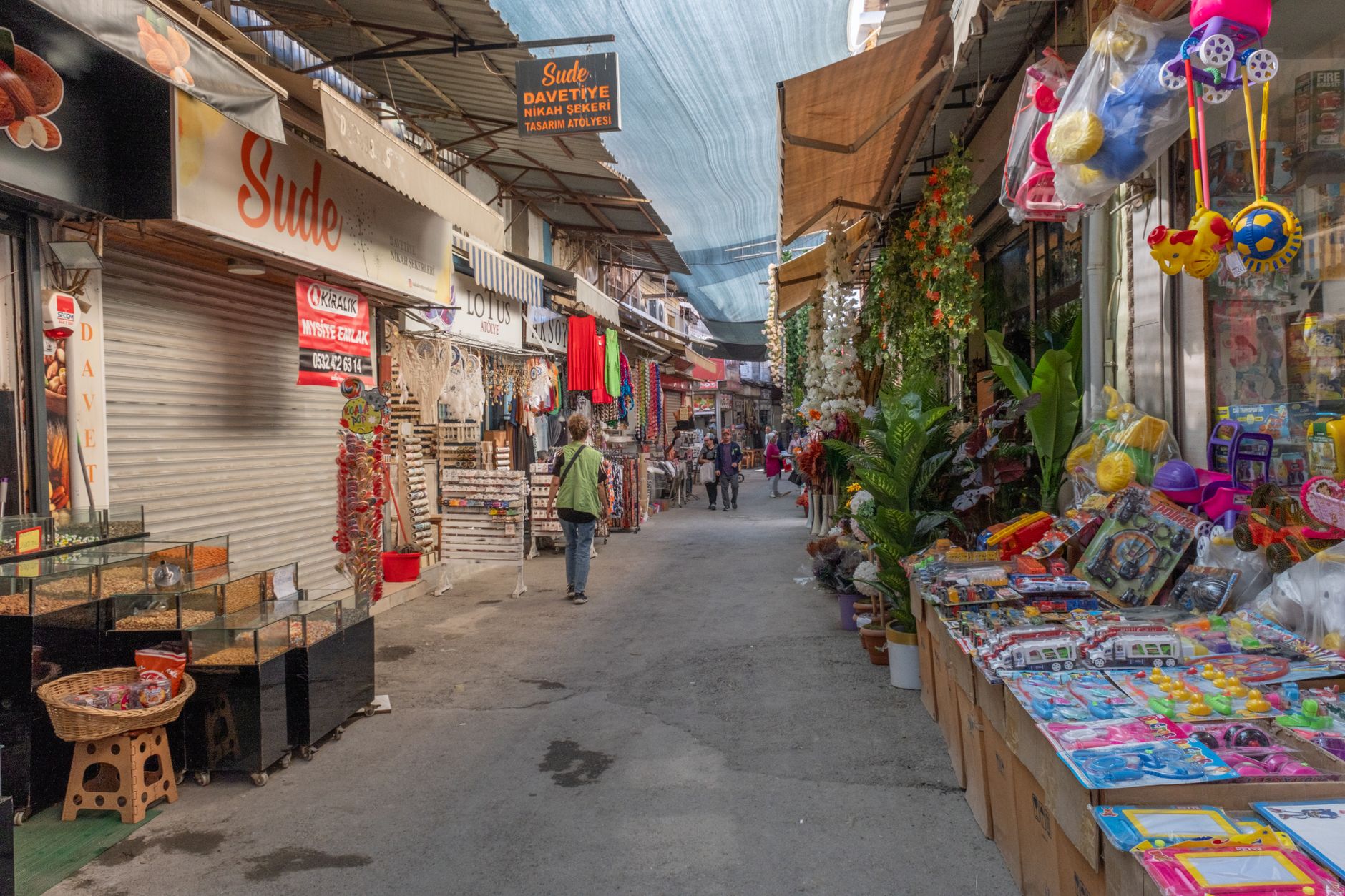
Top Bazaar Breakfast Destinations Across Türkiye
Istanbul: Kadıköy Market and Beşiktaş Bazaar
In Istanbul, the Asian side's Kadıköy Market is legendary. On Tuesdays and Fridays, the streets around the market fill with stalls selling everything from kaymak (clotted cream) to fresh bal kaymak (honey and cream). Arrive by 8 AM to snag a seat at one of the small eateries that set up tables right next to the vendors. The Beşiktaş Bazaar on Saturdays is another gem—smaller but equally authentic, with a strong local following.
For a classic experience, head to the Kadıköy fish market area, where you'll find vendors selling midye dolma (stuffed mussels) alongside breakfast items. It's a bit chaotic, but that's part of the charm. Don't miss the chance to try sucuklu yumurta (eggs with spicy sausage) cooked on a portable grill.
Izmir: Kemeraltı Bazaar
Izmir's Kemeraltı Bazaar is a labyrinthine market that dates back to the 17th century. On weekday mornings, the area around the Hisar Mosque transforms into a breakfast haven. Look for boyoz—a flaky, spiral-shaped pastry that's a Izmir specialty—and kumru, a sandwich filled with cheese, tomato, and sausage. The market is also famous for its gevrek (similar to simit) and fresh sütlü kahve (milk coffee).
Kemeraltı is vast, so wear comfortable shoes and bring a refillable water bottle. The breakfast stalls are concentrated near the entrance on Anafartalar Street. A word of caution: it gets crowded after 9 AM, so go early.
Gaziantep: Bakırcılar Çarşısı
Gaziantep, a UNESCO City of Gastronomy, takes breakfast seriously. The Bakırcılar Çarşısı (Coppersmiths' Bazaar) hosts a morning market where you can sample katmer—a thin, crispy pastry filled with clotted cream and pistachios—and beyran çorbası, a spicy lamb soup often eaten for breakfast. The bazaar is also known for its fıstıklı kebap (pistachio kebab), but save that for lunch.
Gaziantep's breakfast culture is influenced by its proximity to Syria, so expect bold flavors and generous portions. The market operates daily, but Sundays are the busiest.
Other Notable Markets
- Antalya: The Old Town (Kaleiçi) market on Saturdays offers a scenic breakfast with sea views.
- Bursa: The Cumalıkızık village market on Sundays is famous for its homemade jams and cheeses.
- Şanlıurfa: The historic Gümrük Hanı courtyard serves a traditional breakfast with isot pepper and local cheeses.
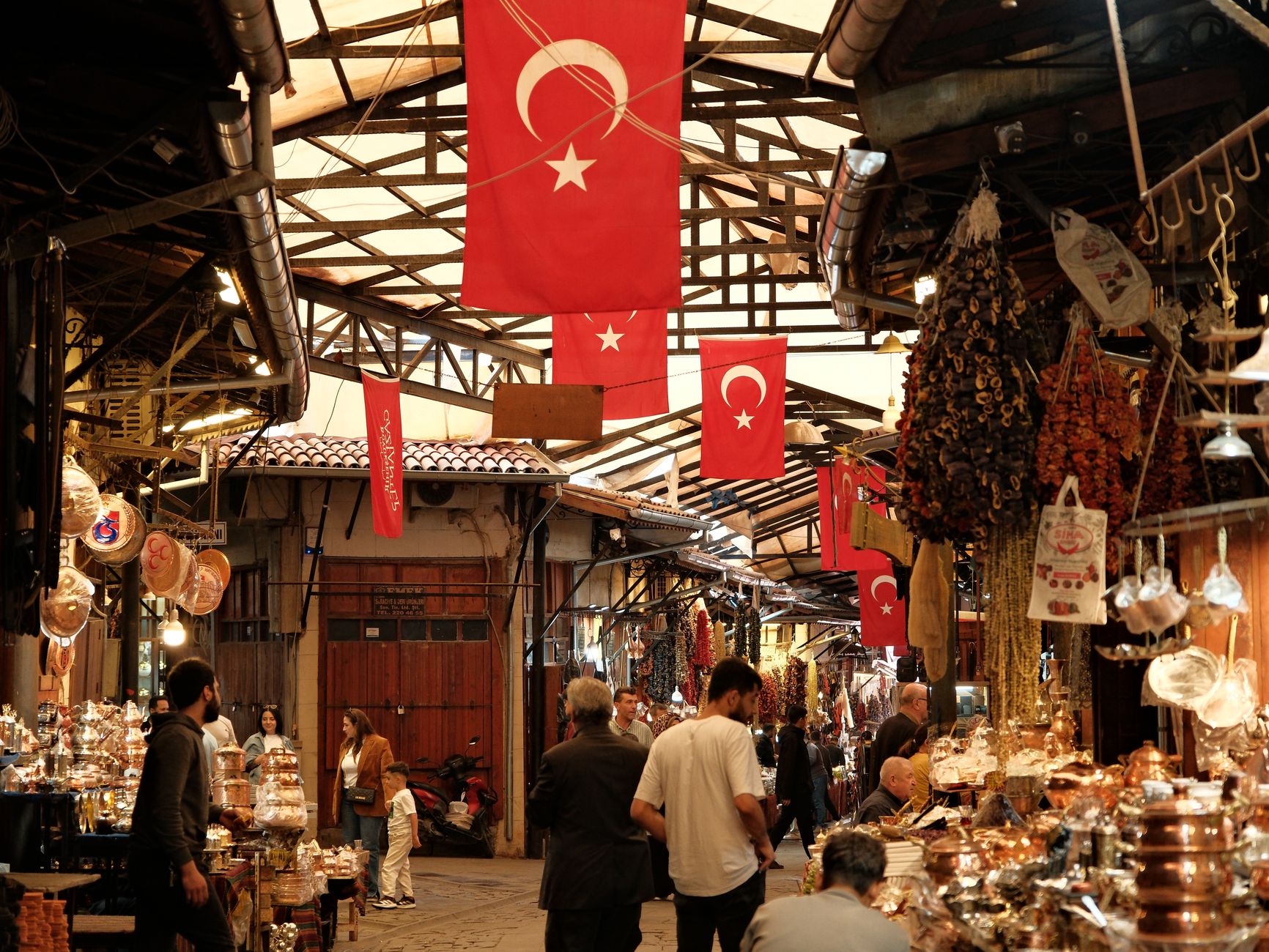
Practical Tips: Market Days, What to Bring, and How to Shop
Market days: Most bazaars operate on specific days. In Istanbul, Kadıköy is Tuesday and Friday; Beşiktaş is Saturday. Izmir's Kemeraltı is daily but best on weekdays. Gaziantep's Bakırcılar is daily. Always check locally or ask your hotel—days can change seasonally.
What to bring: Cash is essential, as many vendors don't accept cards. Bring small bills and coins. A reusable water bottle is handy, and a tote bag for any purchases. Wear comfortable shoes and clothes that can handle a bit of mess—you'll be eating with your hands. A pack of wet wipes is also a good idea.
How to shop: Don't be shy. Point at what you want, use simple Turkish phrases like "Bir tane, lütfen" (one, please) or "Ne kadar?" (how much?). It's okay to ask for a taste before buying. Vendors are usually happy to let you sample. If you're unsure, watch what locals are buying—that's always the best indicator of quality.
How to eat respectfully: Bazaar breakfasts are communal. Don't hog a table during peak hours; eat, enjoy, and move on. Tipping is not expected but appreciated—round up to the nearest lira. Avoid wasting food; take only what you can finish. And always say "Afiyet olsun" (enjoy your meal) to those around you—it's a warm gesture that locals appreciate.
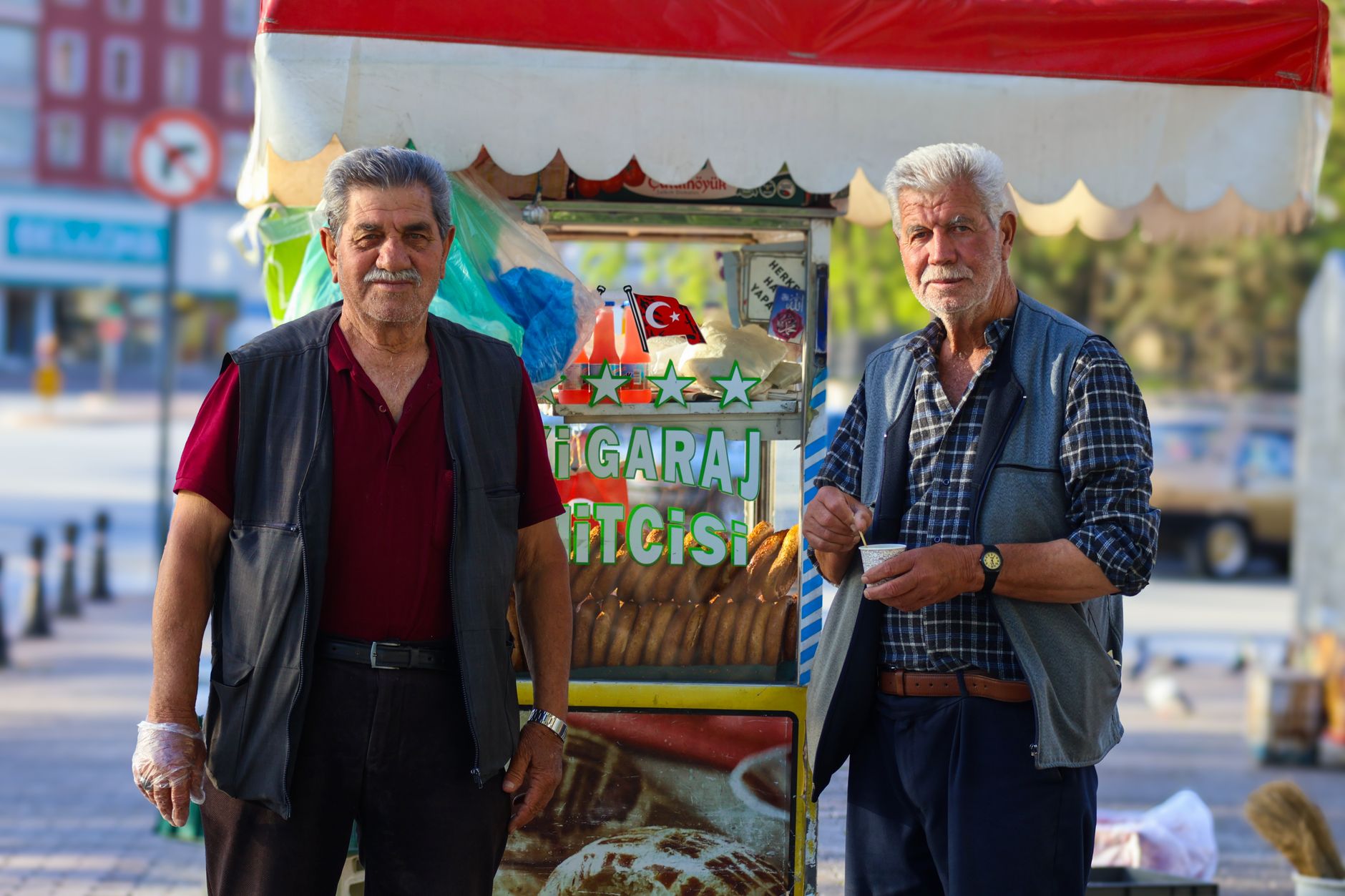
Beyond Breakfast: The Joy of Market Shopping
After breakfast, don't rush off. The bazaar is a treasure trove of spices, dried fruits, textiles, and handicrafts. In Kadıköy, you can buy fresh produce, olives, and Turkish delight. In Kemeraltı, look for leather goods and traditional peshtemal towels. Gaziantep's Bakırcılar is perfect for copperware and pistachios.
Shopping at the bazaar is an experience in itself. Haggling is expected but should be done with a smile. Start by asking the price, then offer about 20–30% less. If the vendor doesn't budge, you can walk away—but often they'll call you back with a compromise. Remember, it's not just about the deal; it's about the interaction.
Also, keep an eye out for seasonal specialties. In spring, you'll find fresh herbs like semizotu (purslane) and nane (mint). In autumn, look for quince, pomegranates, and chestnuts. Each season brings new flavors to the breakfast table.
Making the Most of Your Bazaar Breakfast
To truly eat like a local, embrace the pace. Bazaar breakfast is not a quick meal; it's a leisurely affair. Sit down, order a tea, and watch the world go by. Strike up a conversation with the vendor—many speak a little English and are curious about travelers. You might learn a family recipe or get a recommendation for the best börek in town.
If you're traveling with dietary restrictions, be aware that many breakfast items contain gluten, dairy, and meat. However, you can always find fresh fruit, olives, and eggs. Vegetarians will love the variety of cheeses, jams, and salads. Vegans should stick to olives, bread, and fresh produce, and ask for tea without milk.
Finally, don't forget to document your experience. A few photos of the colorful stalls and your breakfast spread will be cherished memories. But also take a moment to put the phone away and simply savor the chaos, the aromas, and the warmth of Turkish hospitality. That's the real bazaar breakfast.
Thinking about a trip to Turkey?
Share your contact details and a vetted local expert will follow up with a plan built around you — free, no obligation.