

Why a Hammam Is the Coziest Winter Ritual in Türkiye
When the wind off the Bosphorus turns sharp and the Anatolian plateau dusts over with snow, locals don't retreat indoors—they head to the hammam. The Turkish bath is the original wellness center, a place where hot marble, rising steam and the steady rhythm of splashing water have been warming travelers for centuries. In winter, the experience feels less like a spa treatment and more like a full-body reset, a slow unwinding from cold toes to relaxed shoulders.
There is a practical reason too. Hammams were built as public bathhouses, often attached to mosques and funded by charitable endowments. For hundreds of years they served as the neighborhood's cleaning, social and therapeutic hub, heated by a wood-fired system under the floor. Today they remain remarkably unchanged—an architectural embrace of heat that no modern radiator can quite replicate.
Whether you seek the grand, cinematic hammams of Istanbul or a small-town hamam where the same family has welcomed guests for generations, a winter soak offers a genuine slice of Turkish hospitality. Pair your visit with our guide to the best time to visit Türkiye to plan a cold-weather trip that leans into cozy, indoor delights.
Istanbul's Grand Baths: Ottoman Splendor in Every Tile
Istanbul is the undisputed capital of the Turkish bath, with historic hammams scattered from Sultanahmet to Beyoğlu and Üsküdar. These are not timid spas—they are marble cathedrals of steam, domed ceilings dotted with star-shaped skylights that beam shafts of light through the mist. On a chilly morning, entering one feels like stepping into a warmed-up jewel box.
On the European side, the Ayasofya Hürrem Sultan Hamamı near Hagia Sophia is the polished, high-end option, offering traditional scrub and foam treatments in a restored 16th-century complex. For something more old-world and unpretentious, the nearby Çemberlitaş Hamamı, designed by the great Ottoman architect Mimar Sinan in the 1580s, combines authentic atmosphere with a welcoming tourist desk. Across the water in Üsküdar, the Tarihi Şakirin Hamamı and smaller neighborhood baths serve a more local crowd, especially on women's and men's hours.
Reserve ahead in high season and consider booking a scrub and foam ritual—the kese and soap massage that leaves skin glowing. The experience is warm, unhurried and surprisingly social. If you're building a winter city itinerary, weave a bath between visits to mosques and museums; our itinerary planners can help you slot it in without rushing.
Small-Town Hamams: Where History Meets Everyday Hospitality
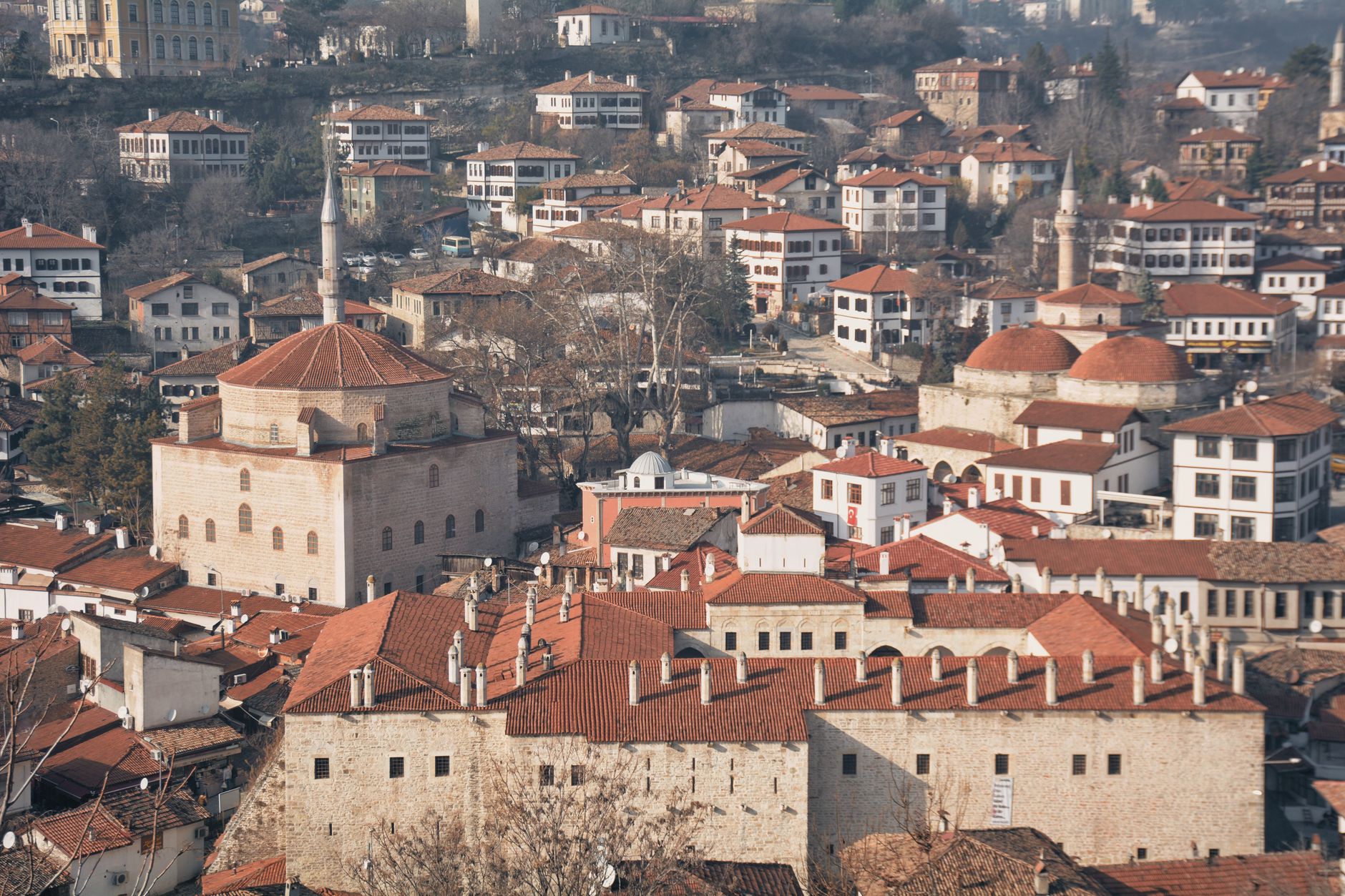
Leave the big city and the hammam becomes something more intimate. In towns like Safranbolu, Kastamonu, Amasya, Konya and Erzurum, historic hamams sit beside bazaars and caravanserais, many still heated with timeworn methods and run by families who have lived through generations of winters. The architecture is often older and humbler, but the warmth is authentic.
In Safranbolu, the 19th-century Çeşme Hamamı and the Eski Hamam offer a glimpse into Ottoman daily life, with separate sections for men and women and a calm that feels meditative. In Erzurum, where winters are genuinely brutal, the Tarihi Şeyhler Hamamı and Murat Paşa Hamamı provide deep, bone-warming heat—perfect after a day exploring the snowy streets and nearby ski slopes. In Konya, a city known for its spiritual calm, an afternoon bath before a Whirling Dervish ceremony is a beautiful pairing.
These smaller baths are also more affordable and often less crowded. The trade-off is fewer English signs and less hand-holding, but that's part of the charm. Come with curiosity, follow your host's lead, and you'll leave feeling like a local. For more regional inspiration, browse our destinations guide and look for towns with a historic hamam at their center.
Hammam Etiquette for First-Timers: A Simple Guide
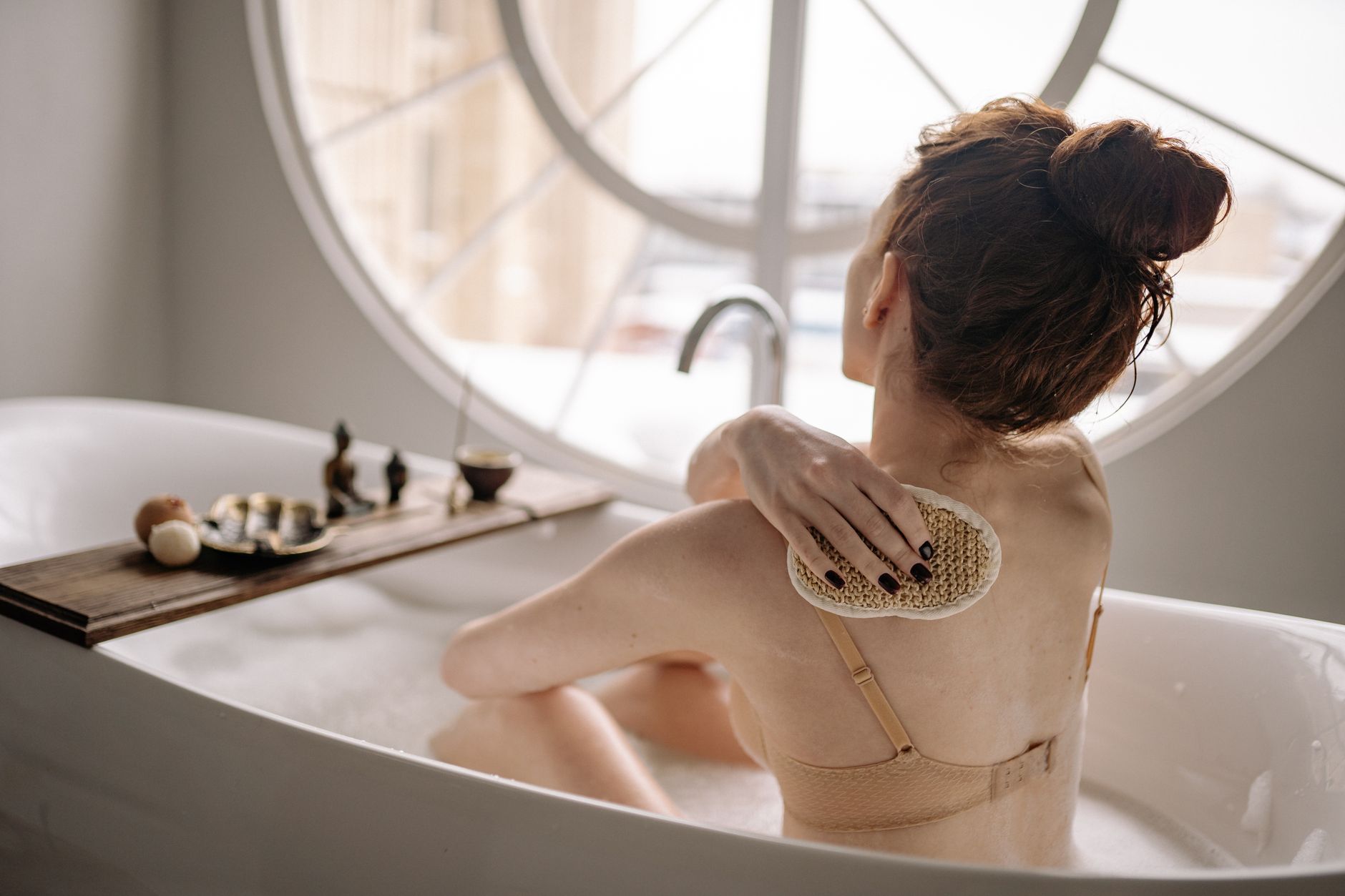
First, the basics. You'll be given a pestemal—a thin cotton wrap—and usually a pair of slippers. Most hammams have separate men's and women's sections or separate hours; some tourist-oriented Istanbul baths offer mixed sessions on the main floor. Attendants will guide you through the sequence: change, rinse, steam, scrub, foam, rinse, rest.
In the hot room (hararet), you'll lie on the heated marble platform, the göbektaşı, and let the heat do its work. Don't be shy about asking for help—if you've booked a scrub, a natır (female attendant) or tellak (male attendant) will come to exfoliate and rinse you. This can feel surprisingly brisk, but it's gentle compared to the intense scraping it might sound like. Communicate pressure preferences in advance; a simple "yumuşak lütfen" (soft please) works wonders.
Keep noise to a murmur, respect others' space, and avoid taking photos in the bathing areas. If you're unsure about anything, our FAQ section covers common questions about Turkish baths and travel logistics, or you can ask a local expert to clarify customs before you go.
What to Bring (and What Not To)
You don't need much. Bring a swimsuit if you prefer extra cover under the pestemal, especially in mixed or tourist-focused hammams. A small waterproof bag for your phone and valuables is handy; most baths provide lockers, but not always locks. Flip-flops with good grip are a smart addition—marble floors are slick when wet. If you have long hair, a hair tie and a comb will help after your rinse.
Leave behind jewelry, heavy clothing, and anything you'd worry about getting damp. Some hammams provide shampoo, soap, and towels; others rent or sell them, so check ahead. A small tip for attendants is customary (roughly 10–20% of the treatment price).
The golden rule: don't rush. A proper winter hammam visit takes two to three hours including rest. Bring a book or simply close your eyes and let the warmth soak in. When you're ready to plan the rest of your trip, our travel tools can help you map out each stop.
After the Steam: Tea, Relaxation and Turkish Hospitality
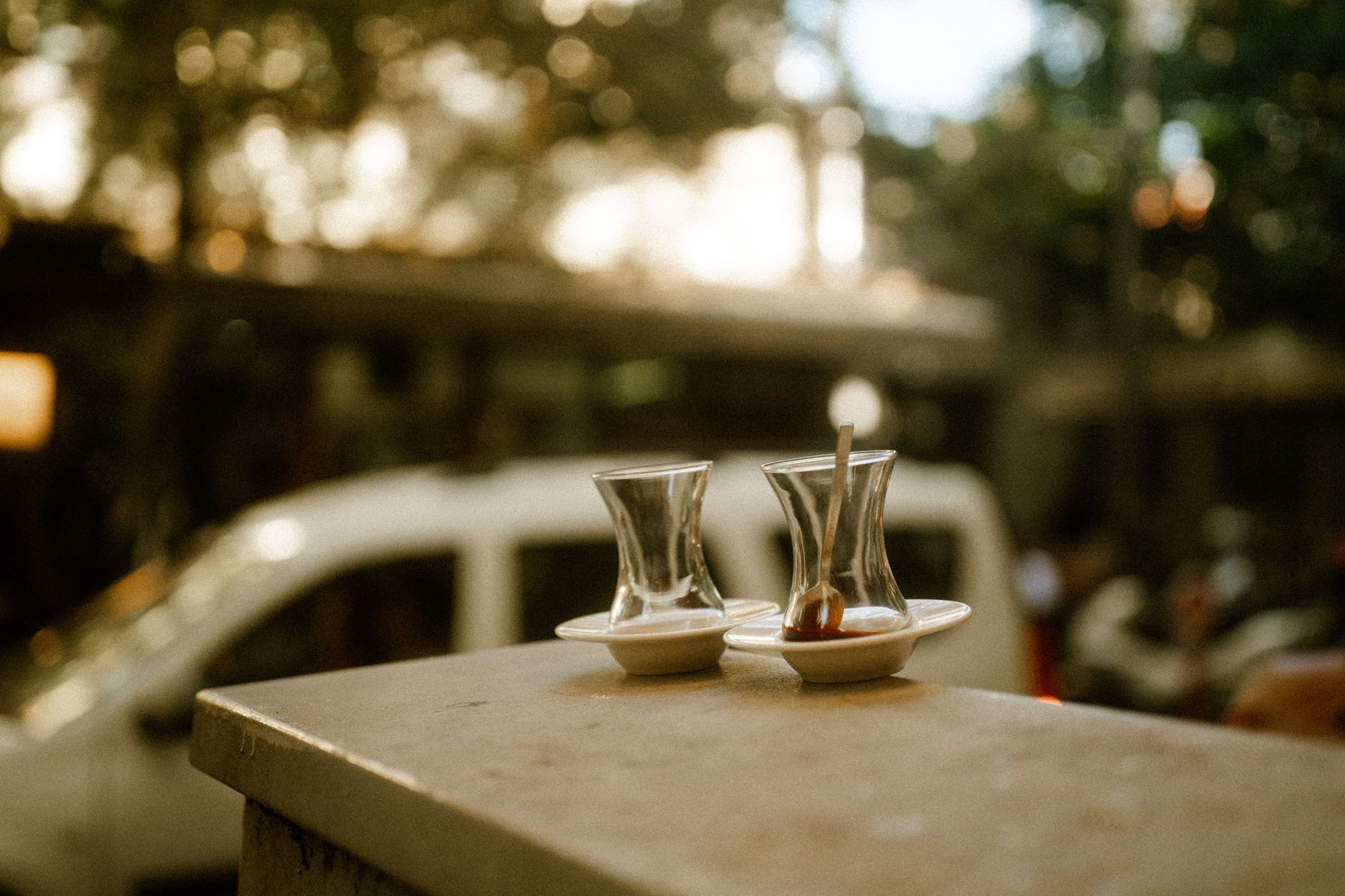
Part of the magic of a hammam is what comes after. In traditional baths, you'll be wrapped in towels and led to a cool room to rest, often with a glass of Turkish tea or a cold glass of şerbet. Some places offer a small plate of dried fruit and nuts. The contrast of cool room and warm body is deeply soothing—most travelers say this is when the stress truly melts away.
Locals often pair a bath with a lazy afternoon: a cup of tea, a light snack, a quiet conversation. In Istanbul, try a hammam followed by lunch at a nearby lokanta; in Erzurum, head for a warm bowl of lentil soup; in Safranbolu, wander the old bazaar afterward. The rhythm is timeless—heat, water, rest, tea—and it's one of the easiest ways to feel the warmth of Turkish hospitality.
If you're traveling in winter, build a hammam day into your plans as a highlight, not an afterthought. You'll leave with softer skin, looser muscles, and a story about steam, marble and kindness. For more cultural experiences to round out your journey, explore our culture guides and blog.
Final Tips for Choosing the Right Hammam
Match the bath to your mood. Want grandeur and convenience? Choose a historic Istanbul hamam. Want authenticity and a peek into local life? Head to a small-town bath. Want affordability and a truly local crowd? Ask your guesthouse host for their neighborhood hamam—some of the best experiences are unlisted.
In winter, go at quieter times (mid-morning or late afternoon) for a more serene experience. Check whether you need to book ahead, and confirm men's/women's hours if that's important to you. Most importantly, arrive with an open mind. The hammam is not just a wash—it's a centuries-old ritual of warmth and welcome, and in Türkiye, it's one of the greatest gifts of the cold season.
Thinking about a trip to Turkey?
Share your contact details and a vetted local expert will follow up with a plan built around you — free, no obligation.