

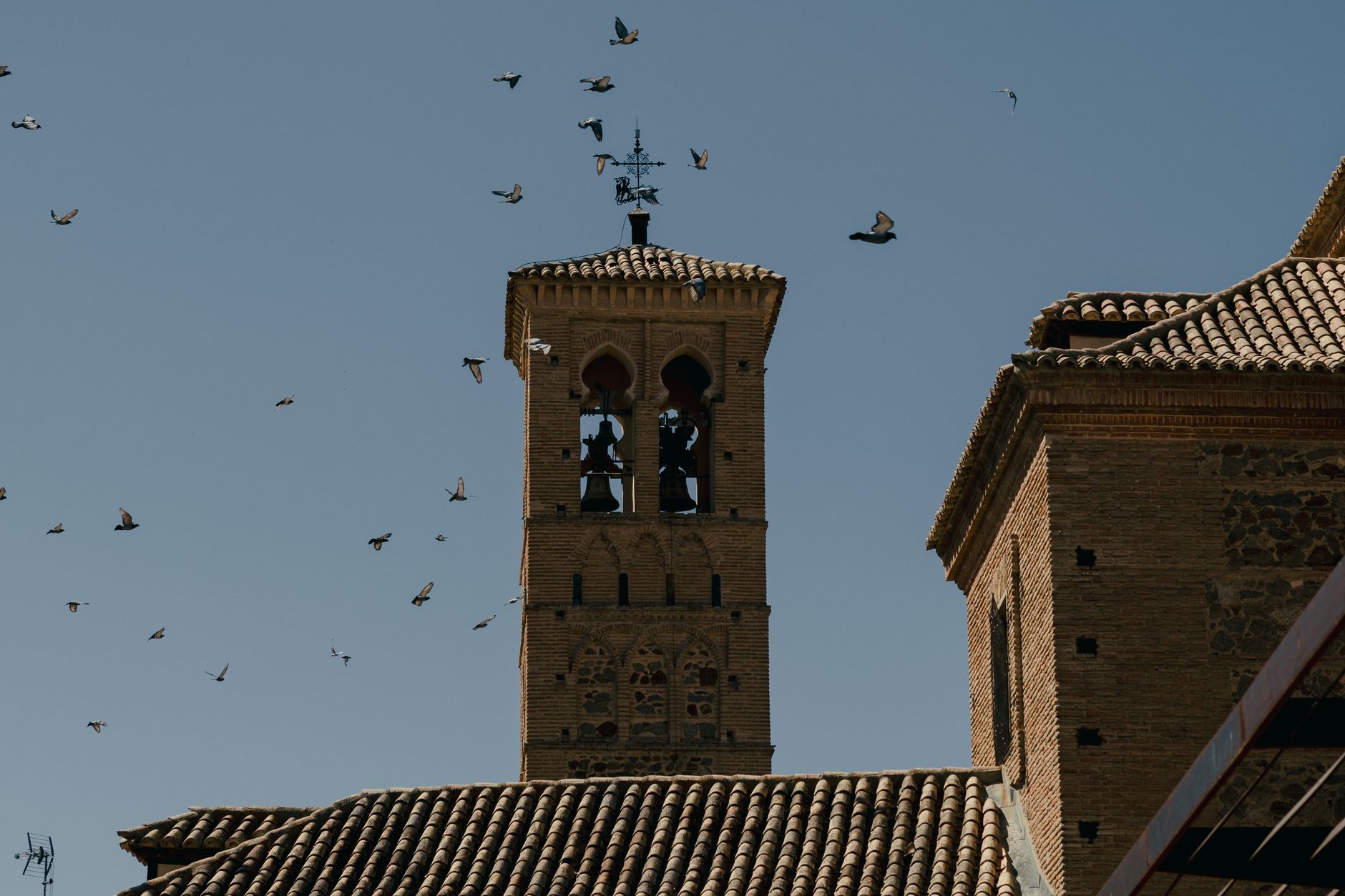
Travelers to Türkiye often come for the mosques, the bazaars and the coast. But wander into almost any town square in the east on a summer evening and you will notice something else: flocks of pigeons wheeling in tight circles above the rooftops, guided by a man whistling softly on a nearby terrace. Pigeon keeping — güvercin yetiştiriciliği — is one of Türkiye's most quietly beloved pastimes, and in the towns of eastern and southeastern Anatolia it becomes public theater. Here is how to experience it with curiosity and respect.
A Flight of History: Why Pigeons Matter in Anatolia
Pigeons have been part of Anatolian life for millennia. Hittite and Ottoman records mention messenger birds, and the güvercinlik — a pigeon tower built into the facade of a house — is a recognized element of Ottoman vernacular architecture. In the east, where distances are long and the climate is harsh, pigeons also served a practical role: they were a source of fertilizer for orchards and a humble supplement to the table.
Today the practice has shifted almost entirely to sport and companionship. Fanciers breed for specific traits — wing span, tail spread, the distinctive takla tumble of certain roller breeds, or the flamboyant feathering of ornamental birds. A prized pigeon can cost more than a used car, and its owner will tell you so with a grin.
The culture is not uniform. In Kurdish-majority towns you will hear the hobby discussed in Kurmanji as often as in Turkish, and the vocabulary of the trade — the names of breeds, the calls used to summon a bird home — shifts from valley to valley. That regional texture is exactly what makes a pigeon loft such an authentic window into local life.
Bird Markets: Feathers, Cages and Conversation
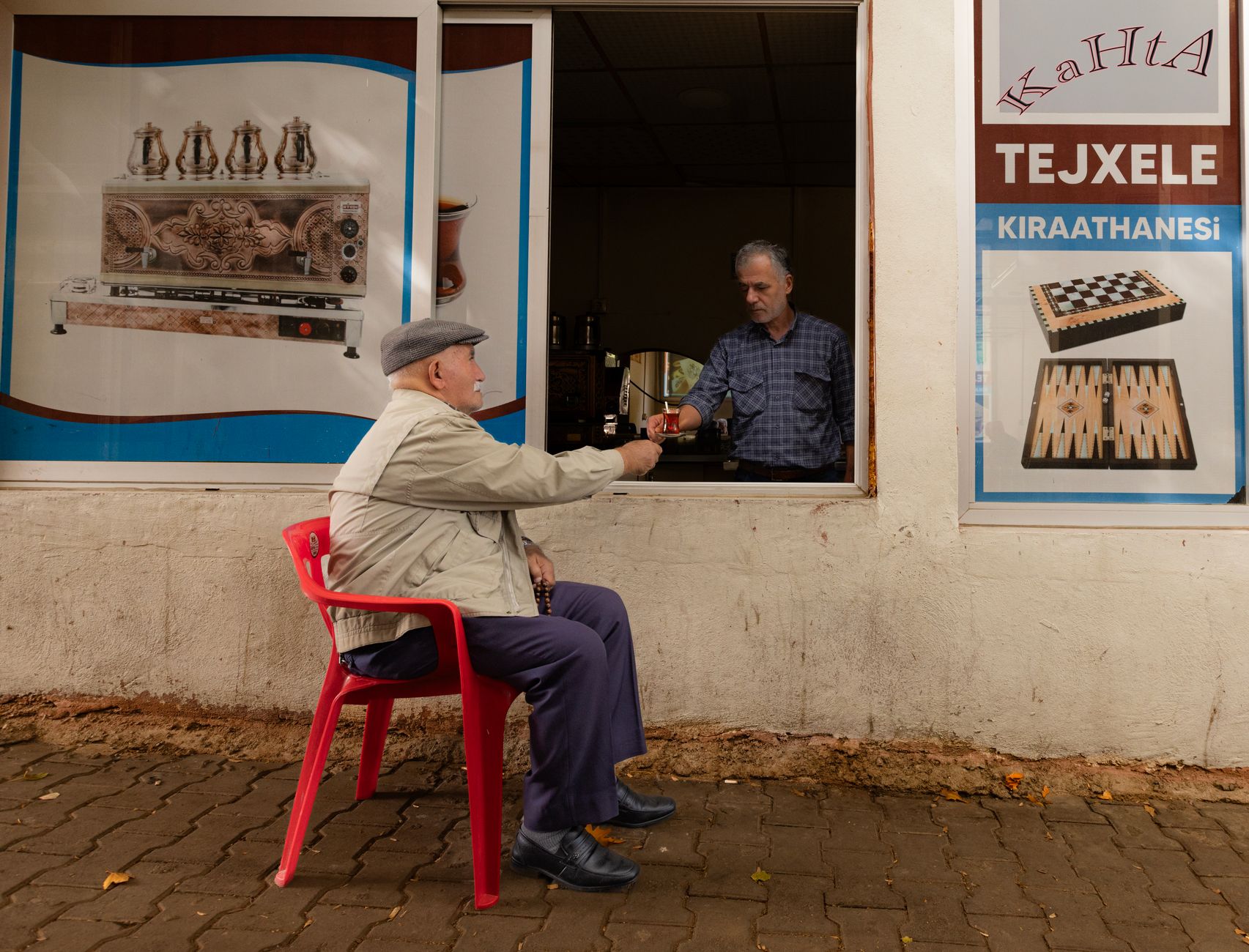
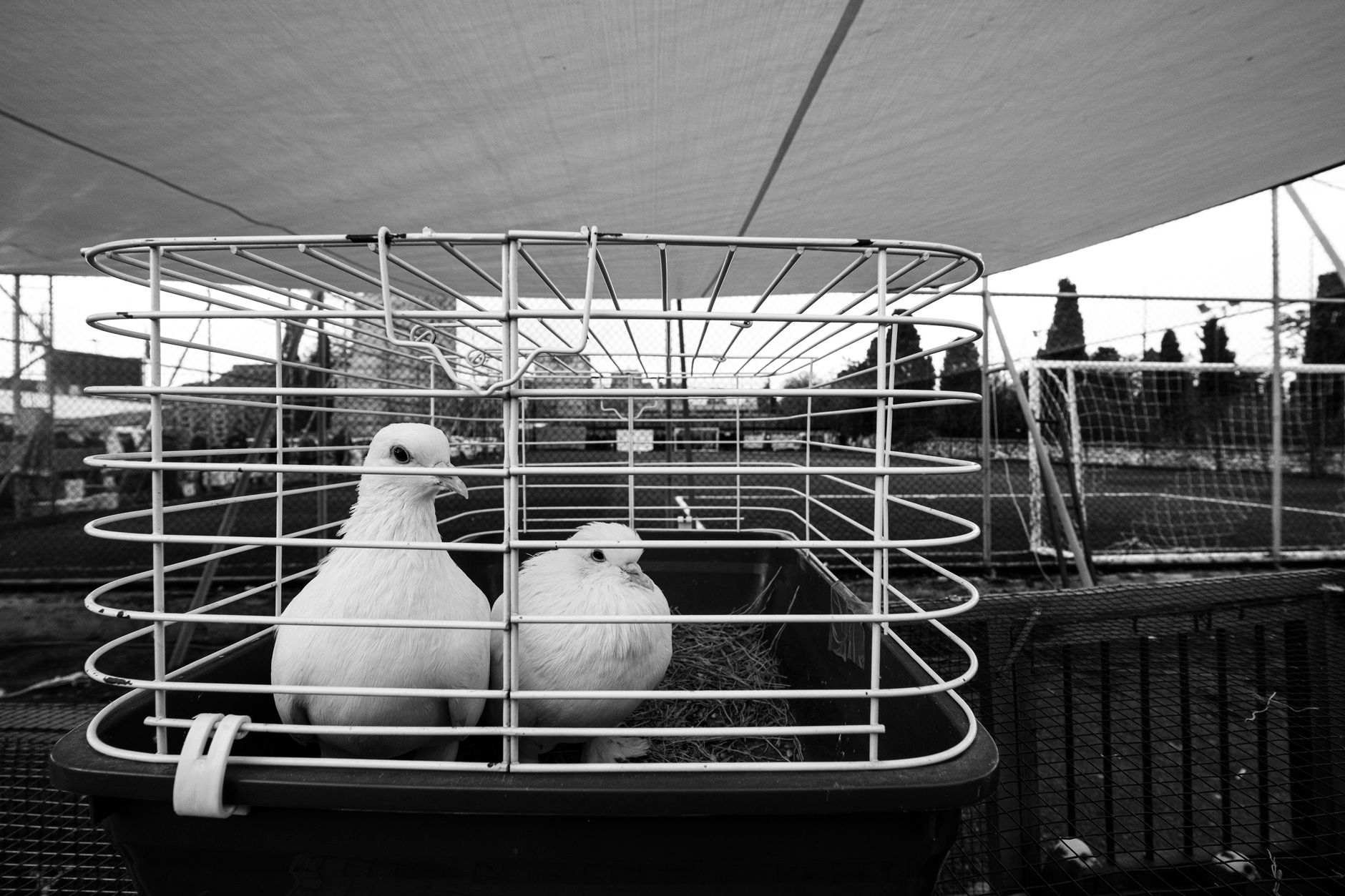
The classic entry point for visitors is a bird market, known locally as a kuş pazarı. In larger eastern cities such as Gaziantep, Şanlıurfa, Diyarbakır and Van, weekly or bi-weekly markets set aside a corner for pigeons, canaries, finches and the occasional hawk. Stalls are stacked with handmade wooden cages, clay water dishes, seed sacks and the small mirrors that fanciers hang inside lofts to entertain their birds.
Go early. Markets open around dawn, and the best birds are inspected and negotiated long before the tea vendors get busy. Expect a slow, ritualized exchange: the seller hands over a bird, the buyer opens a wing, blows gently on the breast feathers, holds the bird at arm's length to watch its posture — and then hands it back without a word. The bargaining comes later, over tea.
Do not treat the market as a pet shop or a photo set. Birds here are working animals with devoted owners, and the market is a social institution. Ask before photographing, keep your hands out of cages, and never handle a bird without an invitation. A polite Kolay gelsin ("may it be easy for you") opens more doors than any camera.
Rooftop Lofts: Color, Whistles and Banter
The heart of the culture is the rooftop loft. Walk through the older neighborhoods of towns like Mardin, Şanlıurfa, Bitlis or Erzurum and you will spot them: wooden or wire-mesh structures painted in bright blues, greens and reds, sometimes draped with scarves or decorated with religious charms and old mirrors. These are not hidden away; they are a proud part of the skyline.
Late afternoon is the golden hour. Owners release their flocks in shifts so the birds can exercise, and the sky fills with tight formations. The whistling you hear is purposeful: each fancier uses a distinct call to bring their birds down, and the sound carries across the rooftops like a code. If you are invited up, you may be taught the basic whistle — usually badly, and to great amusement.
The banter is the point. Lofts function as informal men's clubs (increasingly mixed, though still male-dominated), where politics, football, harvest prices and the merits of rival birds are debated over endless glasses of tea. Turn up with genuine curiosity, accept the tea, and listen. You will learn more about the town from a rooftop than from any museum.
How to Visit Respectfully: Photo Advice and Etiquette
Pigeon keeping is a private passion, not a tourist attraction. The difference matters. Always ask permission before climbing to a rooftop or photographing inside a loft, and accept a refusal gracefully. A local guide or your hotel owner can be an invaluable bridge — many towns have a fancier who is known for welcoming visitors.
When you do have permission, follow a few simple rules:
- Ask before touching birds. A bird that will not rise for its owner is a financial loss, and handling technique matters.
- Keep your voice low and movements slow. Lofts are designed to keep birds calm; sudden gestures or flash photography scatter them and frustrate the owner.
- Avoid flash and avoid photographing at release time unless the owner explicitly offers to stage a flight.
- Offer to share the photos afterward — a common courtesy that often leads to an invitation back for dinner.
- Dress modestly and remember that many lofts sit on flat roofs reached by steep, unrailed ladders. Wear sensible shoes.
Never pay for access to a private loft, and be cautious of anyone who offers "pigeon experiences" for a fee in touristy areas. The real thing is free and offered out of hospitality, not commerce.
Best Towns to See the Tradition
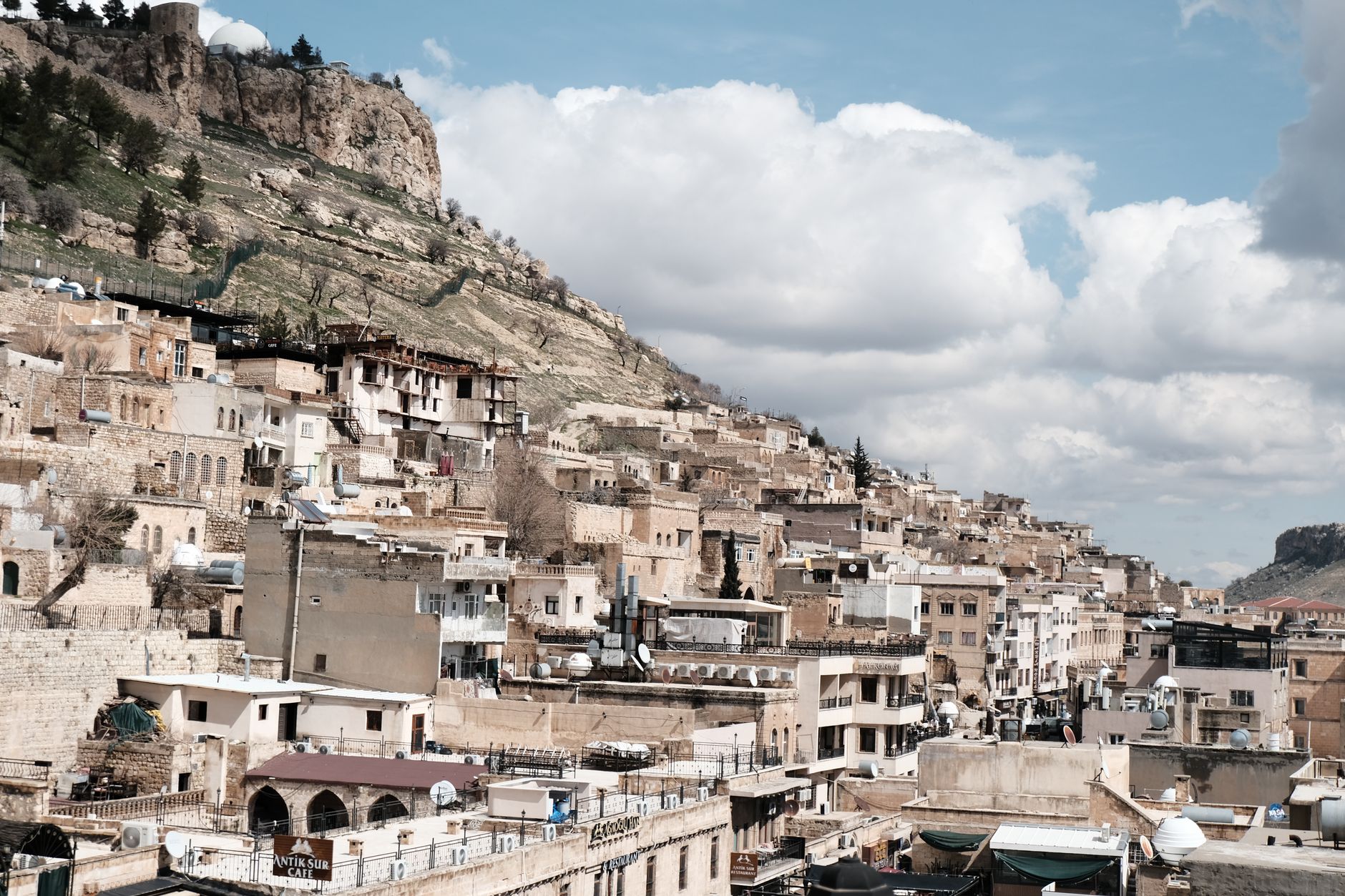
Şanlıurfa is one of the strongest choices: a lively weekly bird market, a dense old town of stone courtyards, and long evenings that begin with tea and end with flocks circling the minarets. Diyarbakır combines imposing black basalt walls with active rooftop culture in the surrounding neighborhoods. Mardin's honey-colored terraces make for some of the most photogenic lofts in Türkiye, though access is vertiginous.
Farther north, Erzurum and Van have long-standing fancier communities with breeds adapted to cold winters, and Gaziantep — already a heavyweight for food lovers — pairs its bird market with the chance to spend the afternoon in the old bazaars. In smaller towns such as Bitlis, Siirt or Muş the culture feels more intimate, and a single conversation at the tea garden can turn into an entire afternoon of introductions.
Timing helps. Spring and autumn are the main release and competition seasons, and summer evenings are the most social. Our best-time guide covers regional conditions in detail, while our destinations hub has town-by-town orientation for the east.
Pairing the Pigeons: Bazaars, Tea Gardens and More
Bird markets usually sit close to the old commercial core, which makes for a natural day: birds at dawn, breakfast of ciğer or katmer, then a slow drift through the bazaar for copper, pistachios and textiles. By mid-afternoon, move to a tea garden — many in the east are shaded by mulberry trees and overlook a river or a courtyard fountain — where the same fanciers you met that morning will likely reappear for a rematch of the previous evening's argument.
Bird markets are also excellent for the other small economies that cluster around them: cage makers, seed sellers, and the men who repair the tiny leg bands and whistles. This is slow travel at its best — small, human and entirely unplanned.
If you want to build a larger route around this theme, our itineraries can be adapted to include eastern towns, and our guides cover the etiquette and practicalities of everyday Turkish social life. For travelers who prefer a structured plan, the trip planner can slot a bird-market morning into a broader Anatolia loop. And if you would rather gather more quirky ideas than you can possibly fit in one trip, the blog is full of them.
In Türkiye's east, hospitality is a competitive sport. Refuse the tea and you insult the host; accept it and you are family for an hour, and sometimes much longer.
Pigeon keeping will never headline a glossy travel brochure, and that is precisely its charm. It is a living, local, unpolished tradition — and the invitation to witness it comes not from a ticket window but from a stranger on a rooftop who hands you a glass of tea and asks, with genuine interest, where you are from and why on earth you wanted to see his birds.
Thinking about a trip to Turkey?
Share your contact details and a vetted local expert will follow up with a plan built around you — free, no obligation.