

Why Türkiye Is a Birdwatcher's Dream
Türkiye sits at the crossroads of three continents and two major bird migration flyways, making it one of the most exciting birding destinations on Earth. Every spring and autumn, millions of birds pour through the country's wetlands, deltas, mountains, and coastlines, turning the skies into a living river of wings. Whether you're a seasoned birder with a life list or a curious nature lover with a pair of binoculars, Türkiye's migration spectacles will leave you breathless.
What makes Türkiye so special? Its geography. The country acts as a natural bridge between Europe, Asia, and Africa. Birds traveling between their breeding grounds in northern Europe and Asia and their wintering grounds in Africa funnel through strategic corridors like the Bosphorus, the Çukurova Delta, and the Gediz Delta. Add to that an incredible variety of habitats—from high-altitude steppes to Mediterranean lagoons—and you have a recipe for unparalleled bird diversity.
But the birds are only part of the story. Türkiye's wetlands are havens of tranquility, often watched over by local communities and conservation groups who greet visiting nature lovers with genuine warmth. Here, birding isn't just a hobby—it's a way to connect with a country that treasures its natural heritage.
Autumn Migration: Raptors, Storks, and the Great Bosphorus Flyway
Autumn in Türkiye is nothing short of spectacular. From late August through October, the skies above Istanbul's Bosphorus Strait become a superhighway for raptors. Thousands of buzzards, sparrowhawks, kites, and eagles ride the thermals north to south, crossing from Europe into Asia in a dramatic aerial procession. The most famous spot to witness this is the Sarıyer hills on the European side, where local birders gather each year to count the flocks.
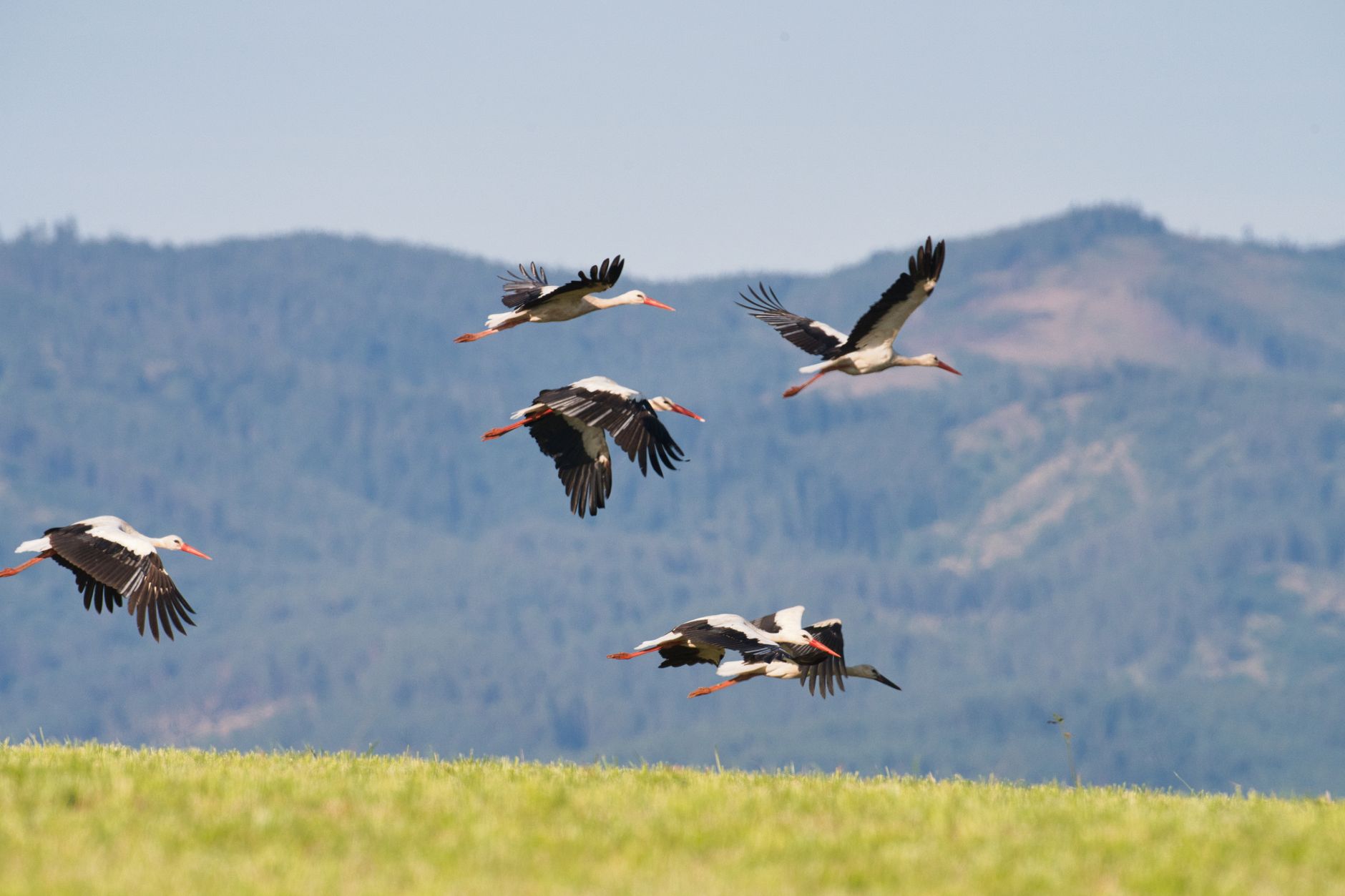
Further south, the Çukurova Delta—a vast mosaic of lagoons, marshes, and mudflats near Adana—hosts one of the largest autumn gatherings of white storks in the Mediterranean. As many as 100,000 storks have been recorded here in a single season, along with pelicans, herons, and glossy ibises. The sight of a stork flock spiraling upward on a thermal is one of nature's great spectacles.
Autumn is also prime time for passerines—warblers, flycatchers, and shrikes—moving through the coastal forests of the Aegean and Mediterranean. The quietly beautiful woodlands around Kuşadası and the Dilek Peninsula offer intimate encounters with these tiny travelers as they refuel before crossing the sea.
Spring Migration: Flamingos, Pelicans, and the Aegean Delights
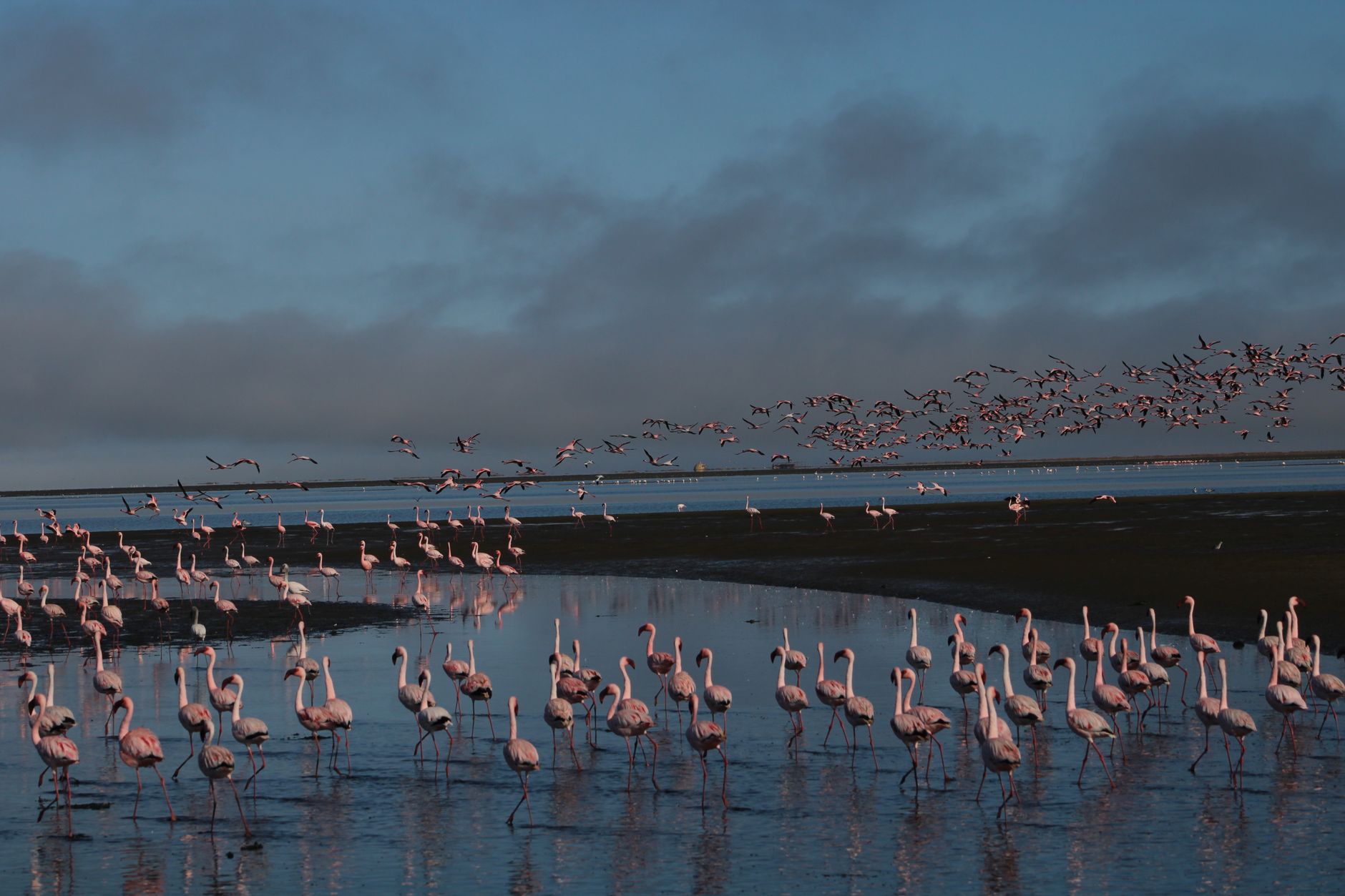
Spring is when Türkiye truly bursts into life. From March to May, the country's wetlands become nursery grounds and staging posts for birds heading north. The Gediz Delta, just north of Izmir, is a crown jewel. This RAMSAR site is home to thousands of greater flamingos that paint the shallow lagoons pink. Watching a flock of flamingos take flight—a blur of rose and black—is a memory you'll carry forever.
Another spring highlight is the Manyas Lake (Kuş Cenneti, literally "Bird Paradise") in the Marmara region. This national park is one of the oldest bird reserves in Europe and hosts breeding colonies of cormorants, herons, and spoonbills. The visitor center and observation towers make it easy for nature lovers of all ages to enjoy the spectacle without disturbing the birds.
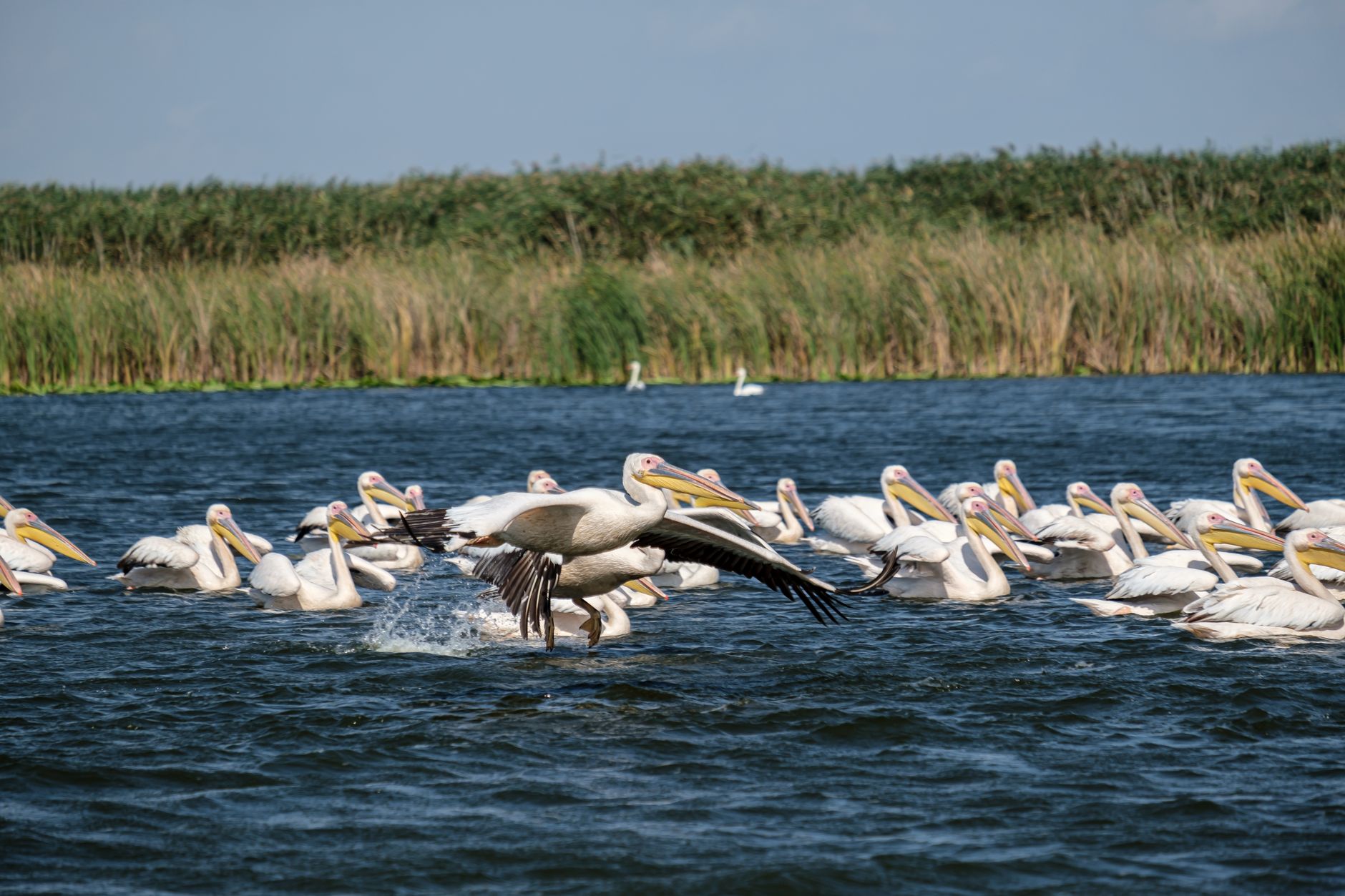
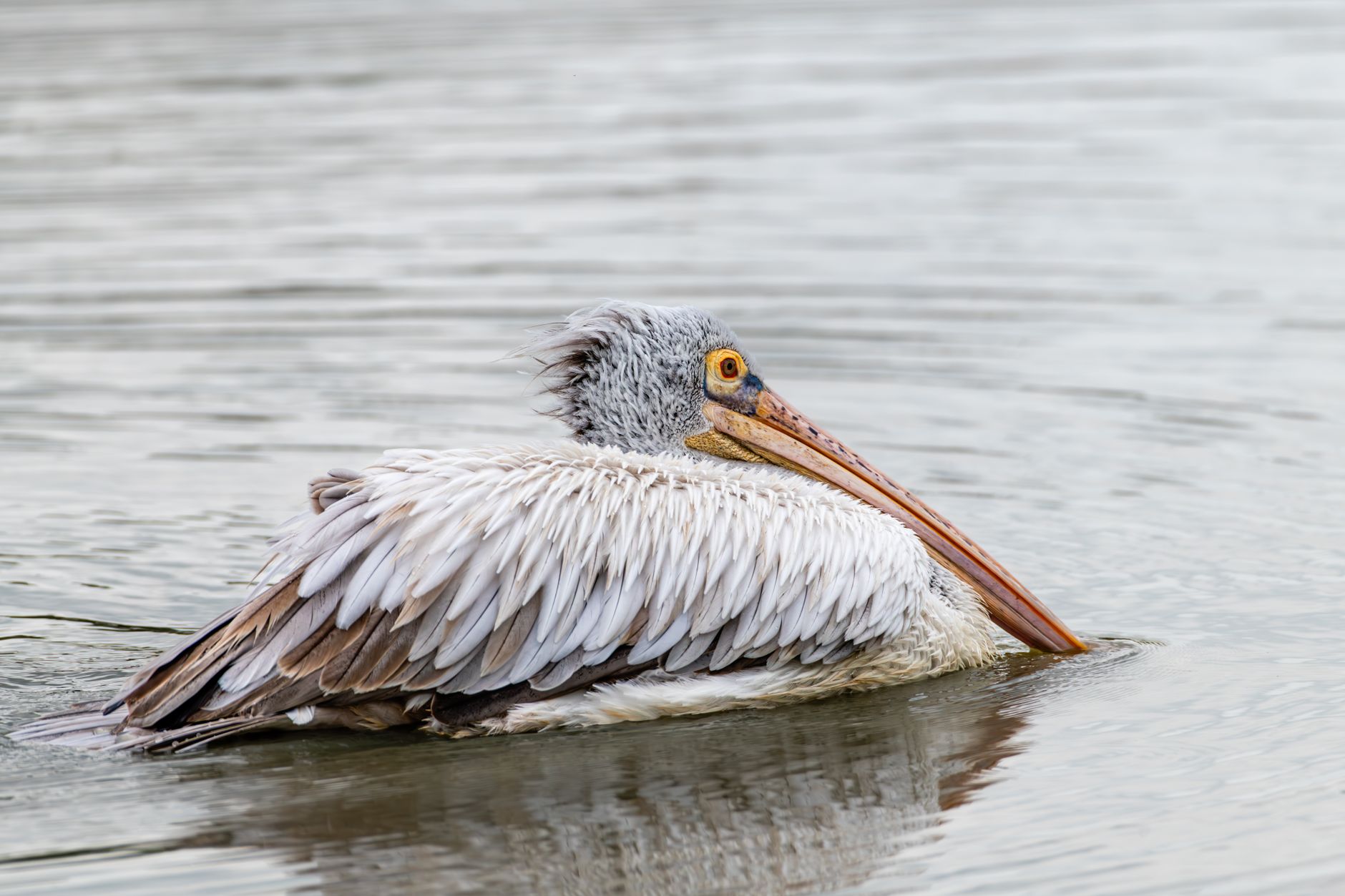
For pelicans, head to the Göksu Delta on the Mediterranean coast. This pristine delta is a critical stopover for the endangered Dalmatian pelican, as well as a nesting site for sea turtles. Spring mornings here are magical: the air fills with the croaks and grunts of herons, the splash of feeding pelicans, and the scent of salt and wildflowers.
Top Hotspots for Nature Lovers: Where to Go and When
Istanbul Bosphorus (Autumn): September and early October are peak for raptor migration. The Sarıyer hills offer the best vantage points. Arrive early—migration often starts within an hour of sunrise.
Gediz Delta, Izmir (Spring & Autumn): Flamingos are present year-round, but spring brings breeding plumage and courtship displays. The delta is best explored with a local guide who knows the hidden lagoons.
Çukurova Delta, Adana (Autumn): Late August to mid-September for storks and pelicans. The delta is vast, so a 4x4 or a knowledgeable local driver is essential.
Manyas Lake (Kuş Cenneti), Bandırma (Spring): April and May for breeding herons and spoonbills. The park's observation towers are perfect for photography.
Göksu Delta, Silifke (Spring & Autumn): April for pelicans and terns; September for waders. The delta's sandy beaches and reed beds are a joy to explore.
Kızılırmak Delta, Samsun (Spring & Autumn): One of Türkiye's largest wetlands, superb for waterfowl, raptors, and even the elusive marsh harrier. Spring is best for breeding species; autumn for passage migrants.
Practical Planning: Timing, Binoculars, and Local Guides
Timing: Spring migration peaks from mid-March to mid-May, while autumn migration runs from late August to late October. Weather matters—northerly winds in autumn push birds south, while southerly winds in spring help them north. Check local birding reports or eBird for real-time updates.
Binoculars: A good pair of 8x42 or 10x42 binoculars is essential. If you're new to birding, consider a lightweight scope for wetlands. Don't forget a field guide—the Collins Bird Guide or a local Turkish guide is invaluable.
Local guides: Hiring a local birding guide isn't just about finding birds—it's about supporting conservation and local communities. Guides know the best times, tides, and hidden spots, and they can help you avoid disturbing sensitive nesting areas. Many speak English and can arrange permits for restricted zones.
Respectful observation: Always keep a safe distance from nests and roosts. Use a hide or stay behind vegetation. Avoid playing bird calls during breeding season, and never feed birds. Pack out all trash, and stick to marked trails. Remember, you're a guest in their home.
Ethical Birding: Protecting the Birds That Welcome Us
Türkiye's birds face many threats—habitat loss, climate change, and illegal hunting. As a visitor, you can be part of the solution. Choose tour operators that follow ethical guidelines, such as keeping a minimum distance from flocks and avoiding flash photography. Report any illegal hunting or disturbance to local authorities or NGOs like Doğa Derneği (BirdLife Turkey).
Conservation efforts are making a difference. The Gediz Delta, for example, is now a protected RAMSAR site thanks to persistent advocacy. By visiting responsibly, you contribute to the local economy and give communities a reason to protect these wetlands. Every birder who travels with respect becomes an ambassador for conservation.
And the welcome you'll receive? It's warm. Local birders often share their scopes, point out hidden species, and invite you for çay (tea) after a morning's watching. That generosity of spirit is as memorable as the birds themselves.
Plan Your Turkish Birding Adventure
Whether you're chasing the autumn raptor streams over the Bosphorus or the spring flamingo ballet of the Gediz Delta, Türkiye offers birding experiences that rival any in the world. The key is to plan around migration peaks, bring the right optics, and travel with guides who prioritize the birds' welfare.
So pack your binoculars, brush up on your raptor identification, and prepare for a journey that will fill your heart and your notebook. Türkiye's birds are waiting—and so is the warm, welcoming community of nature lovers who call these wetlands home.
Thinking about a trip to Turkey?
Share your contact details and a vetted local expert will follow up with a plan built around you — free, no obligation.