

Bird Palaces: Tiny Architectural Gems on Ottoman Facades
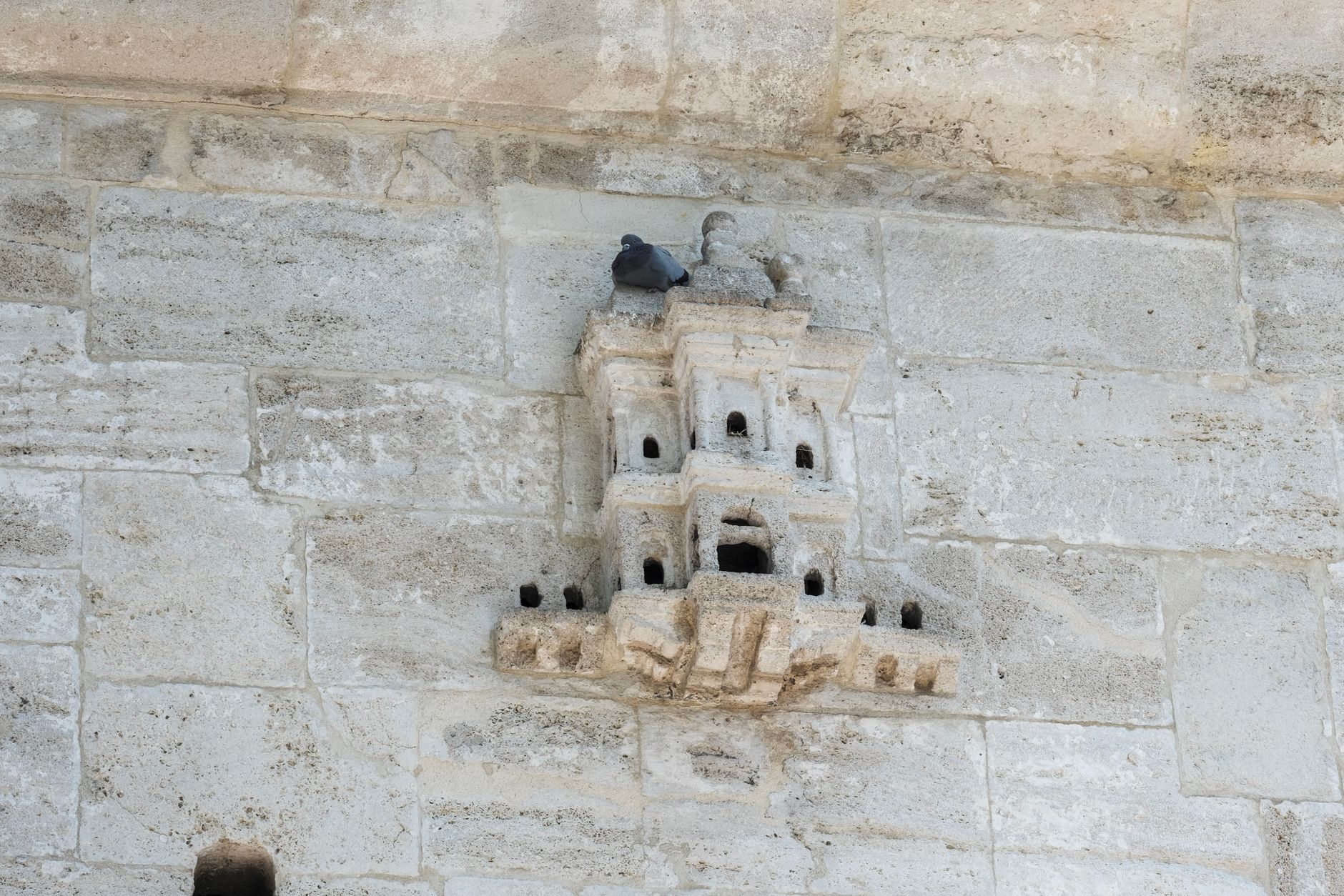
Walk through almost any historic neighborhood in Istanbul, Bursa, or Edirne and look up at the stone facades of old mosques, madrasas, and fountains. Among the carved arches and calligraphy, you may notice something delightfully unexpected: miniature palaces, mosques, and multi-story mansions, some no bigger than your hand, built specifically for birds. These are kuş evleri — literally "bird houses" — and they represent one of the most charming and quietly profound traditions in Ottoman architecture.
Unlike a simple wooden birdhouse hung in a garden, an Ottoman bird palace was a permanent architectural feature, carved from the same stone as the building itself or added as an ornamental element in brick and plaster. Many were designed to resemble the grand buildings around them, complete with tiny domes, arched windows, miniature minarets, and even little balconies. They were status symbols for the benefactor, expressions of religious charity, and elegant solutions for sheltering the sparrows, swallows, pigeons, and starlings that shared Ottoman cities with their human neighbors.
The tradition reached its peak between the 16th and 19th centuries, when charitable foundations — known as vakıf — treated the welfare of animals as a matter of civic and spiritual duty. Building a home for birds on the wall of a mosque was considered an act of sadaka, or voluntary charity, and many donors believed that the chirping of grateful birds would continue to earn them blessings long after their own lives ended.
Where to Spot Türkiye's Most Beautiful Bird Palaces
Travelers who want to photograph these tiny treasures have plenty of options, and the best examples are concentrated in a handful of historic districts. In Istanbul, head to the Büyük Çekmece Bridge and the Yeni Valide Mosque in Üsküdar, whose facades carry some of the most photogenic bird palaces in the city. The Sultan Ahmed (Blue) Mosque area and the outer walls of the Topkapı Palace also reward a slow, upward-looking walk.
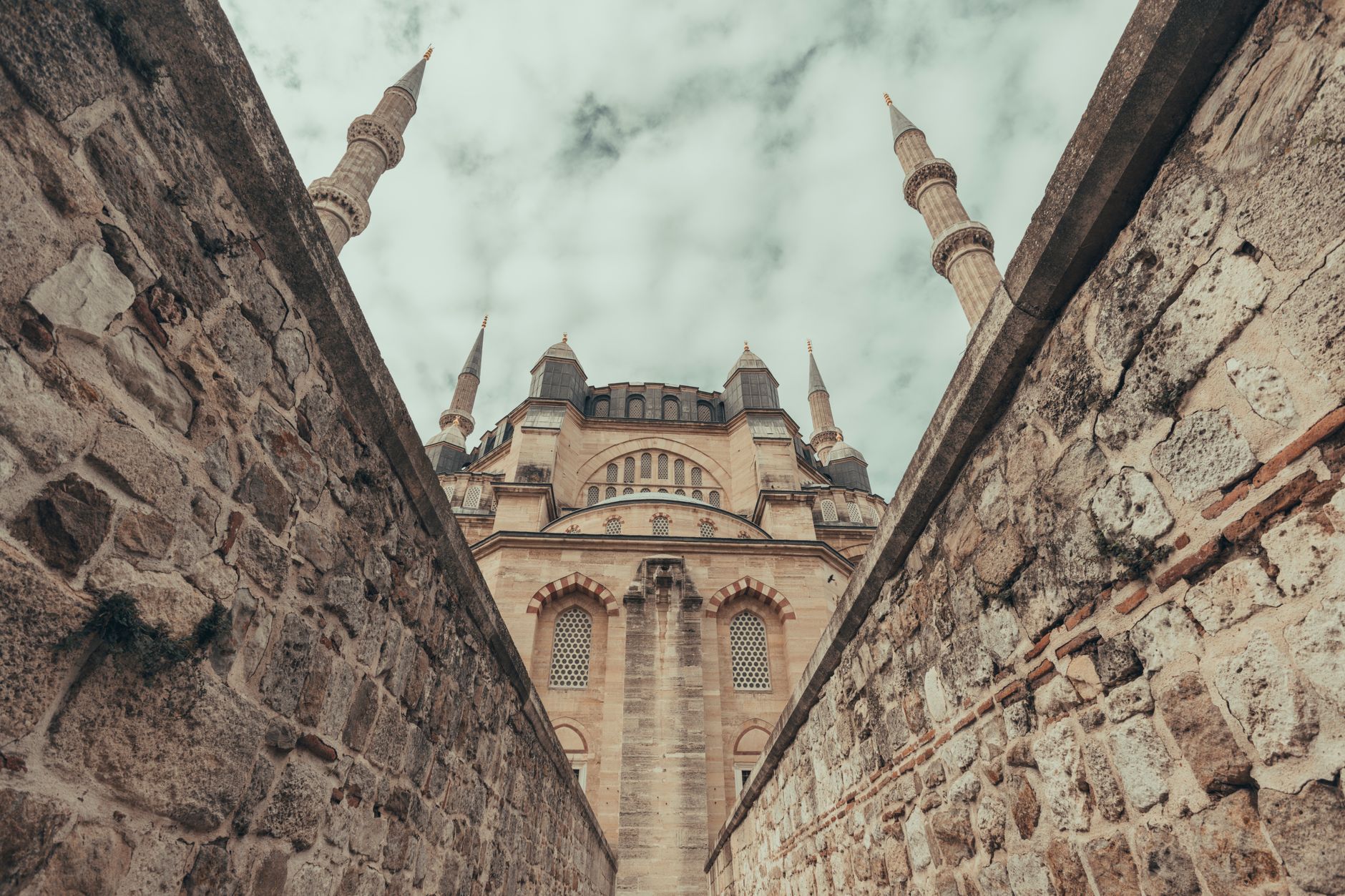
In Bursa, the first Ottoman capital, the Ulu Cami (Grand Mosque) and the Muradiye Complex contain fine bird houses, some shaped like miniature mosques with domes and minarets. In Edirne, the Selimiye Mosque complex, a masterpiece by the architect Mimar Sinan, includes elegant stone bird palaces on its courtyard walls. Further afield, the İshak Pasha Palace near Doğubayazıt and various historic bridges in Anatolia carry similar details.
Photography tip: bird palaces are usually placed several meters above eye level, so bring a zoom lens or a phone with good optical zoom. Morning light on east- and south-facing facades reveals the carving details best. Look for clusters of small arched openings — the entrances — and for the tiny perches and ledges designed for birds to land on.
Because these are active religious buildings, remember to dress modestly, avoid blocking worshippers, and keep your voice low. A quiet visit with a telephoto lens will let you appreciate both the craftsmanship and the living tradition: many of these bird palaces are still used by birds today.
The Philosophy Behind the Stone: Charity as a Civic Duty
The bird palaces are not isolated curiosities; they are part of a broader Ottoman worldview in which kindness to animals was woven into law, religion, and daily life. Ottoman cities had designated officials and charitable endowments for feeding street animals. Wealthy families left money in their wills to provide food and water for cats, dogs, and birds. Mosques and neighborhoods maintained stone water troughs and feeding stations, some of which survive today.
This heritage explains why modern Türkiye is so often described as one of the kindest places in the world for animals. The tradition did not disappear with the empire; it evolved. Today, the streets of Istanbul, Izmir, Ankara, and countless smaller towns are famously shared with well-fed, confident street cats and dogs who are treated as neighborhood residents rather than strays.
In Türkiye, a street cat is not a stray — it is a neighbor with a route, a reputation, and several humans who consider themselves its staff.
Understanding this history transforms a casual encounter with a street animal into something richer. The cat dozing on a mosque carpet or the dog waiting outside a bakery is part of a continuous chain of care that stretches back centuries, linking the stone bird palaces on the wall to the plastic water bowls on the sidewalk.
Türkiye's Beloved Street Cats and Dogs
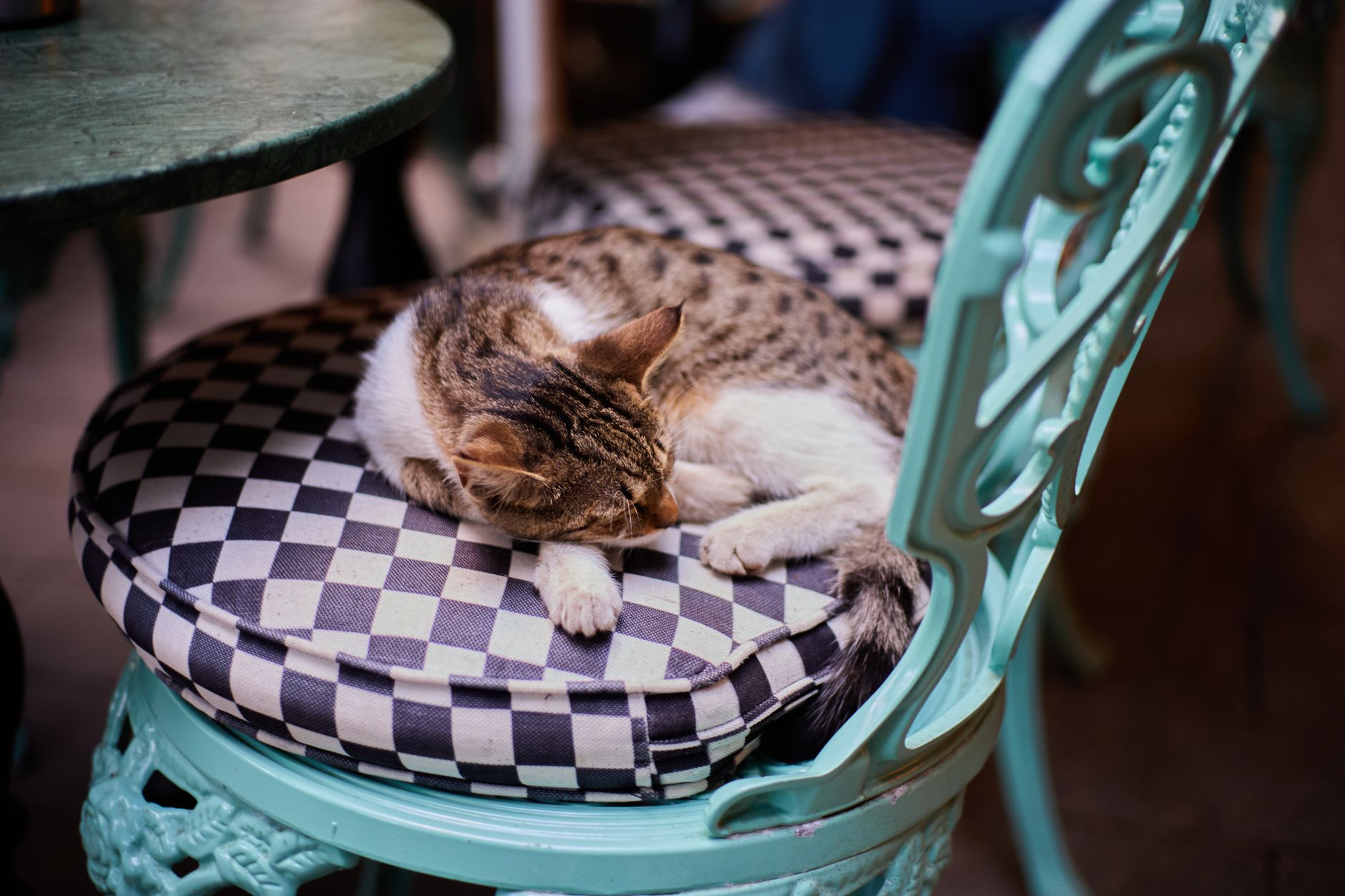
Anyone who has spent time in Istanbul knows the local cats are not shy. They claim café chairs, nap on car roofs, patrol ferry terminals, and greet commuters like old friends. Some become famous: Tombili, a cat photographed lounging on a sidewalk in Istanbul, became an international symbol of the city's relaxed attitude and was honored with a statue in Kadıköy after her death.
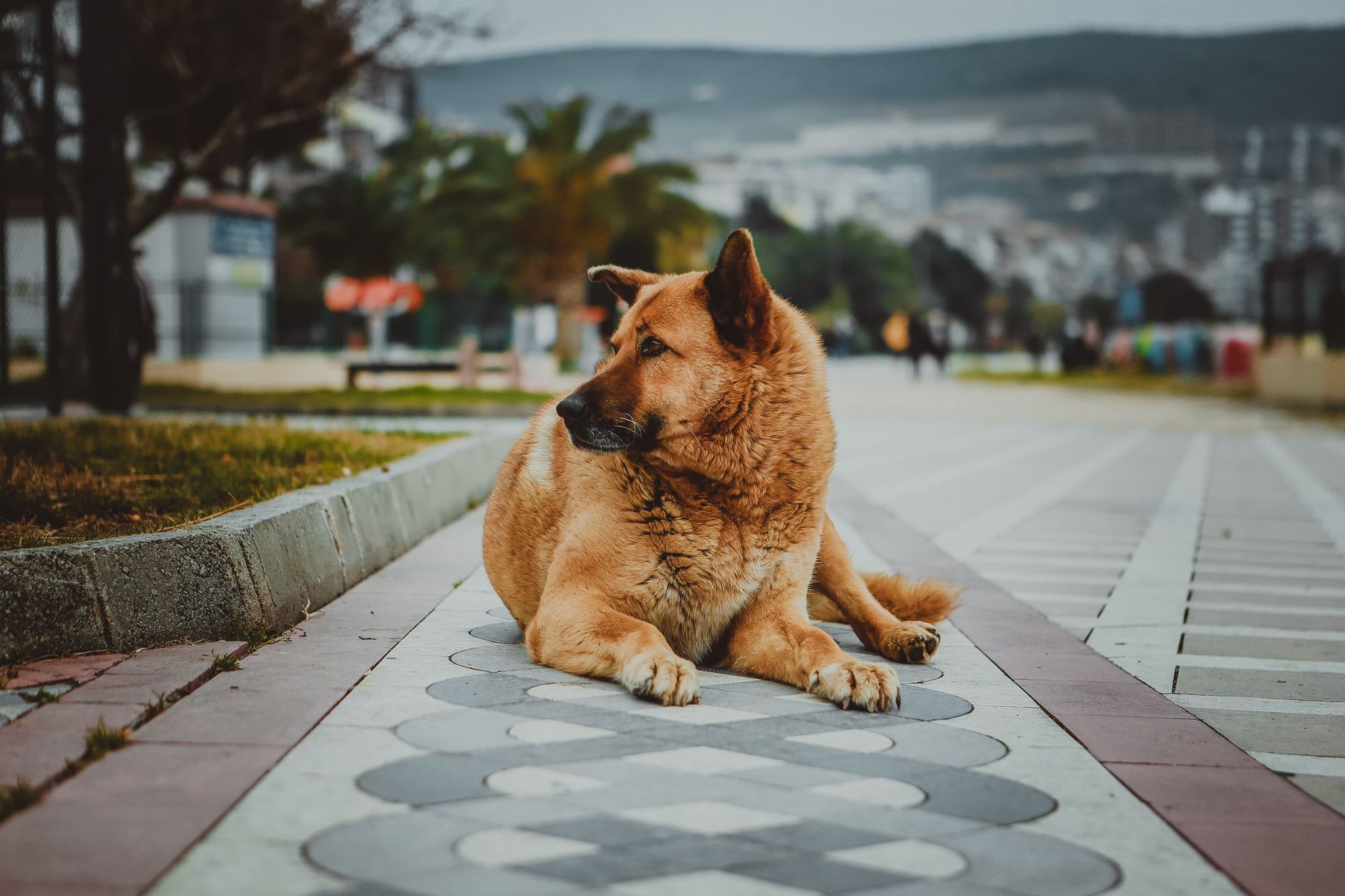
Street dogs are equally part of the fabric. In many neighborhoods, local shopkeepers feed the same dogs every day, and the animals develop routes and routines. Some cities have municipal programs that provide food, water, and veterinary care for street animals, and volunteers often organize feeding rounds. The national animal protection law has been strengthened over the years, though enforcement and treatment of street animals remain topics of active public debate in Türkiye.
For visitors, this culture can feel surprising at first. The cats are healthy, social, and often overweight from generous feeding. The dogs are usually calm and accustomed to people. But it is important to remember that these animals are not tourist attractions; they are community members with their own personalities and boundaries.
How to Interact Respectfully with Street Cats and Dogs
If you want to make animal friends in Türkiye — and you almost certainly will — a few simple guidelines will keep your interactions kind and safe for everyone.
- Let the animal approach you. Crouch down and extend a hand slowly. If the cat or dog walks away, let it go. Never chase or corner an animal for a photo.
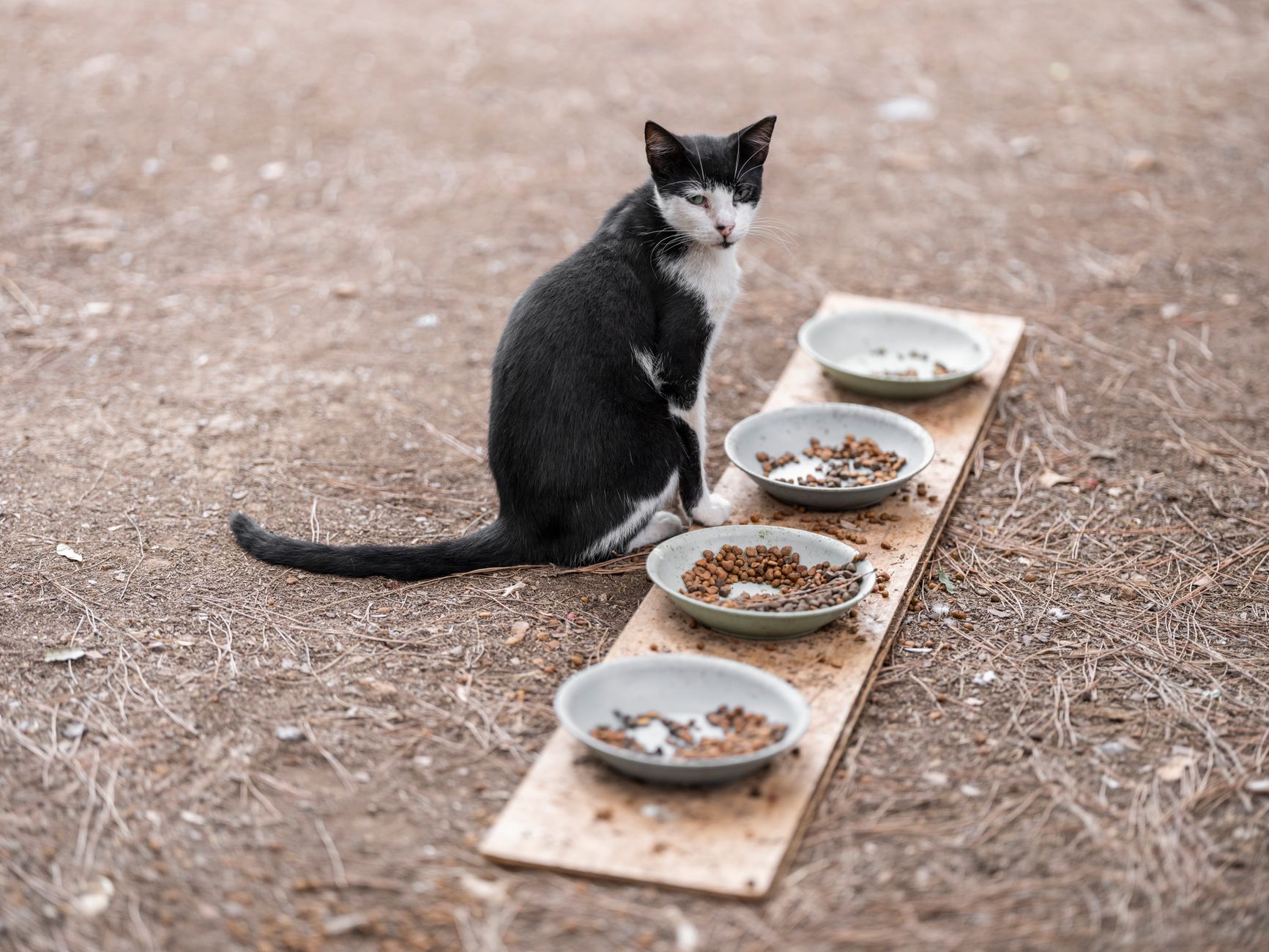
- Ask before feeding. Many street animals have regular caretakers and special diets. If you want to give food, choose plain cooked meat, plain yogurt, or commercially prepared cat or dog food. Avoid chocolate, onions, sweets, and spicy leftovers.
- Carry water, not just food. In hot months, a small bowl of fresh water is often more valuable than snacks. You can buy inexpensive collapsible bowls at local markets.
- Respect sleeping and eating animals. A cat napping on a mosque carpet or a dog finishing a meal should not be disturbed. Keep children calm and supervise interactions.
- Watch for signs of stress. Flattened ears, a tucked tail, growling, or hissing mean "please give me space." Back away calmly.
- Don't relocate animals. Street cats and dogs know their territory. Moving them, even with good intentions, can be disorienting and dangerous.
- Support local rescuers. If you want to help more meaningfully, donate to or volunteer with local animal welfare groups, or simply leave a tip at a café that feeds its resident cats.
Photography etiquette matters too. Avoid flash near animals, especially at night, and never use food to lure an animal into a stressful situation. Candid shots of a cat perched on a stone wall or a dog dozing outside a tea house capture the spirit of Turkish street life without intruding.
Why This Heritage of Kindness Matters for Travelers
Türkiye's bird palaces and street animal culture offer travelers a rare opportunity to see compassion embedded in architecture and everyday life. The same impulse that carved a tiny mosque for sparrows into a 16th-century wall also prompts a shopkeeper in 2026 to set out a bowl of water for the neighborhood cat. Visiting with awareness of this continuity makes your trip more meaningful — and your photographs richer.
Responsible animal tourism in Türkiye is simple: observe, respect, and support. You don't need to rescue anyone. You just need to be a good guest in a country where animals have long been treated as part of the community.
So look up at the mosque facades, and then look down at the sidewalk. In Türkiye, kindness to animals is not a trend — it is a heritage. And it is one of the warmest welcomes a traveler can receive.
Thinking about a trip to Turkey?
Share your contact details and a vetted local expert will follow up with a plan built around you — free, no obligation.