

A Hidden Birdwatcher's Eden Just South of the Marmara Sea
Most travelers speed past the turnoff for Lake Manyas on their way between Istanbul and Izmir, unaware that a few kilometers off the highway lies one of the most important wetlands in the Mediterranean basin. Kuş Cenneti National Park — literally "Bird Paradise" — protects a shallow, reed-fringed lake where more than 260 bird species have been recorded, and where the morning chorus in spring can sound like a symphony performed by thousands of invisible musicians.
This is not a zoo or an aviary. It is a living, breathing wetland on the great migratory flyway between Europe and Africa, and it has been a protected reserve since 1959 — making it one of Türkiye's oldest conservation areas and a quiet triumph of environmental stewardship. For nature-loving travelers, it offers something increasingly rare: world-class wildlife watching with almost no crowds, no queues, and no entrance fees for the birds themselves.
The best part? You can experience it slowly, from a family-run guesthouse in a lakeside village, waking to the smell of fresh bread and the sound of frogs, then walking to a hide before breakfast. This is birding at its most human and unhurried.
Why Lake Manyas Matters — and Why Conservation Here Is Worth Celebrating
Lake Manyas is a shallow, nutrient-rich lake fed by the Simav and Kocaçay rivers. Its mosaic of open water, reed beds, willow groves, and seasonally flooded meadows creates ideal habitat for nesting, feeding, and resting birds. At the height of spring migration in April and May, and again during the return passage in September and October, the reserve becomes a staging post for hundreds of thousands of birds.
The conservation story is genuinely uplifting. When the national park was established, the lake was under pressure from drainage, agriculture, and pollution. Decades of careful management, reed harvesting by local communities, and cooperation between park authorities and villages have restored water quality and bird numbers. Today, Kuş Cenneti is recognized as a Ramsar Wetland of International Importance — a designation that reflects its global significance.
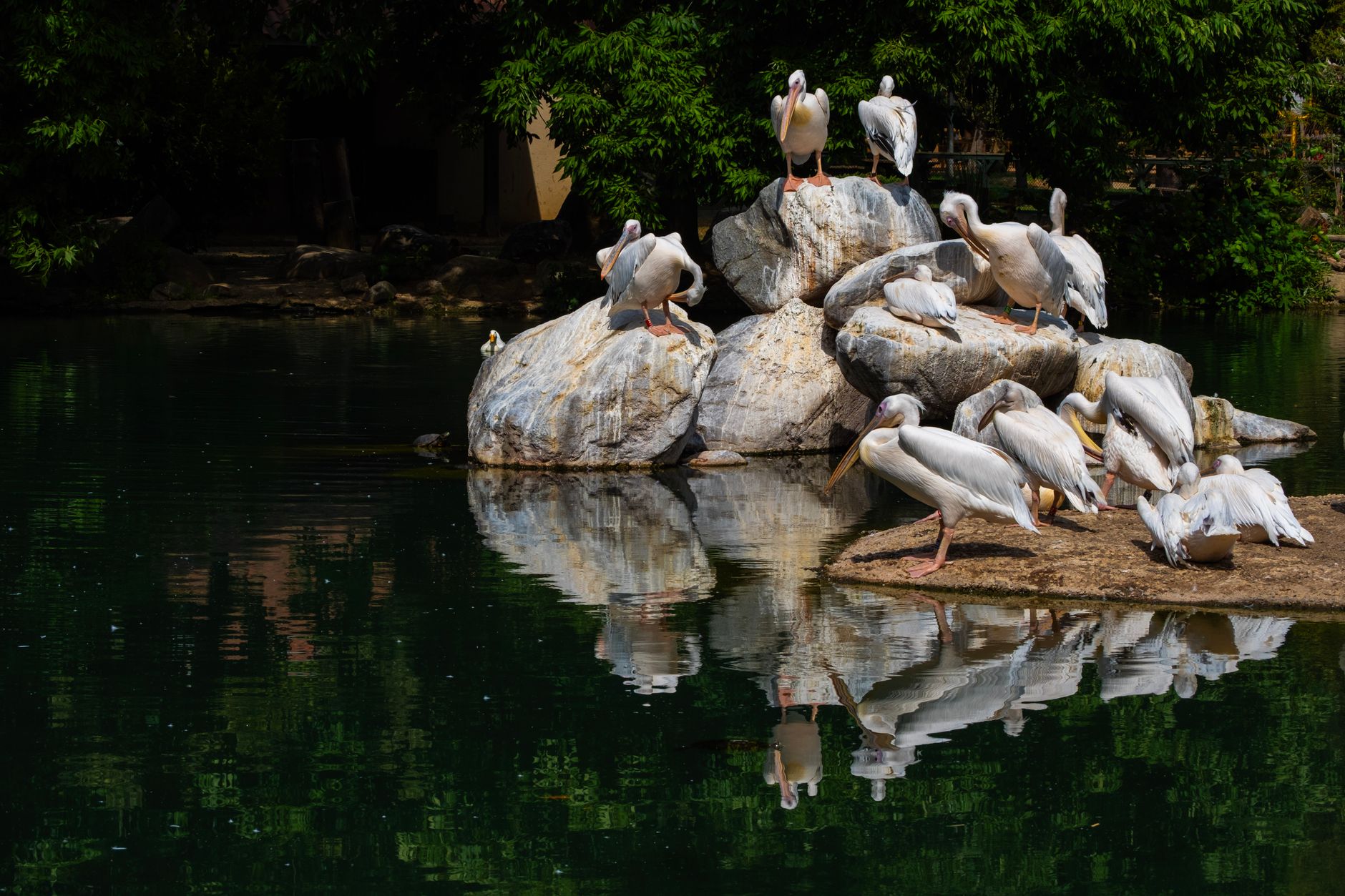
Visitors often remark on how approachable the experience is. A wooden observation tower and a network of low-impact trails and hides let you watch great white pelicans, dalmatian pelicans, pygmy cormorants, squacco herons, purple herons, glossy ibises, and thousands of flamingos without disturbing them. In winter, the lake hosts massive flocks of waterfowl; in summer, it quiets down but remains beautiful.
What You Might See: A Season-by-Season Guide
Spring (March–May): The Great Arrival
Spring is the headline act. As temperatures rise, the lake fills with nesting colonies. Dalmatian pelicans — one of the world's largest flying birds — are a flagship species here, and seeing them glide low over the reeds is unforgettable. You may also spot great white pelicans, spoonbills, glossy ibises, little egrets, and black-crowned night herons. Warblers, shrikes, and bee-eaters flit through the surrounding trees.
Mornings are cool and misty, and the light is soft and golden — perfect for photography. Bring a light jacket, as lakeside dawns can be chilly even in May.
Autumn (September–October): The Return Journey
Autumn is the other peak. Birds that bred in Europe head south, and Manyas is a crucial refueling stop. Flamingo numbers can be spectacular, and mixed flocks of ducks, waders, and terns gather on the mudflats. The light is warm and the crowds are still minimal.
Winter (November–February): The Waterfowl Spectacle
Winter brings thousands of mallards, pochards, tufted ducks, and greylag geese. The lake can be cold and windy, but the birding is excellent and the villages are cozy, with wood stoves and hearty breakfasts.
Summer (June–August): Quiet Beauty
Summer is quieter for birds but lovely for walking, cycling, and enjoying the lake. Herons and egrets still stalk the shallows, and the reed beds hum with insects and amphibians.

How to Birdwatch at Manyas: Practical Tips and Gear
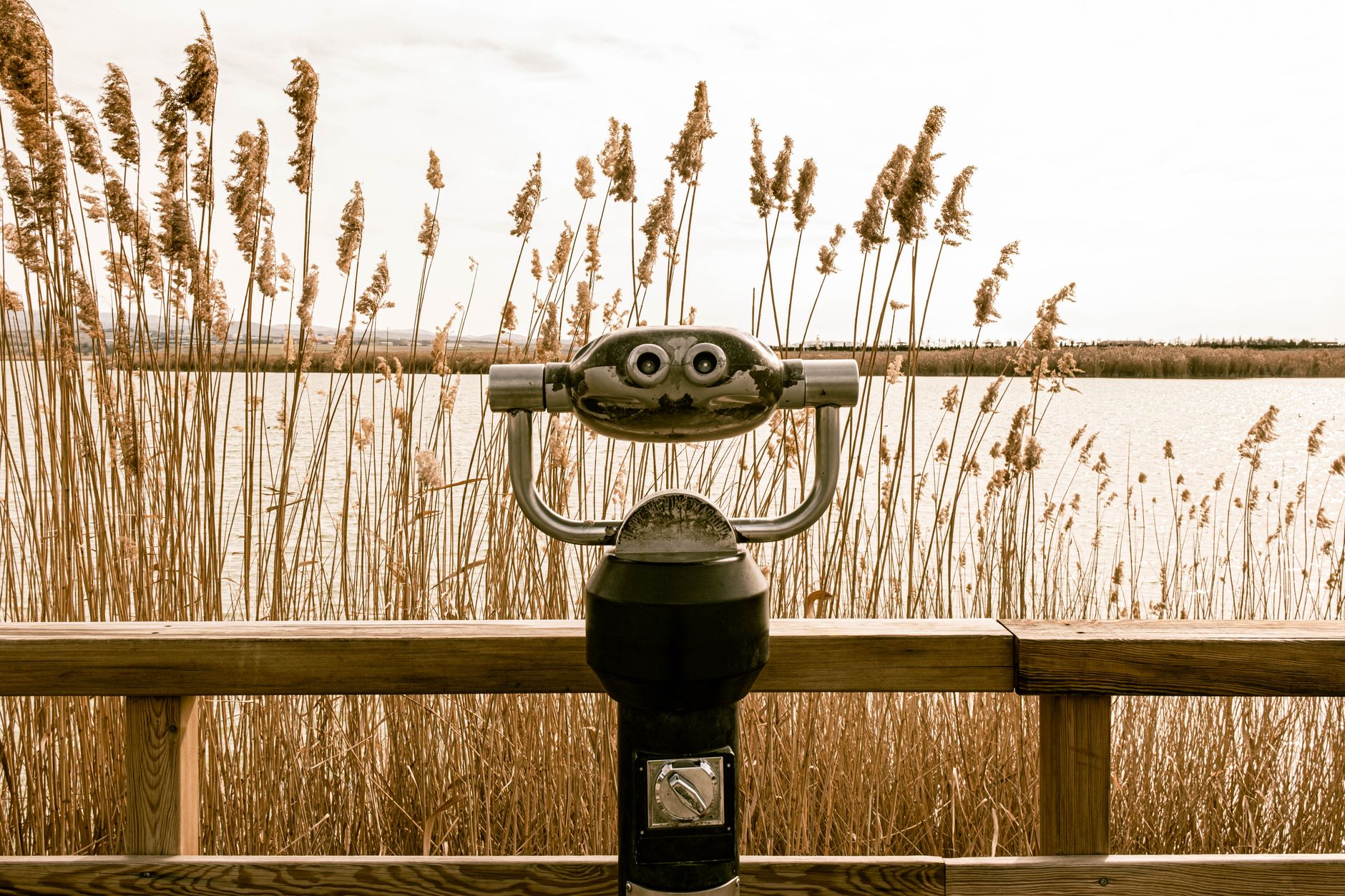
You do not need expensive equipment to enjoy Manyas, but a few basics will transform your experience. Binoculars are essential — even a modest 8x42 pair will bring distant pelicans and flamingos into view. If you have them, bring a spotting scope for the far reed beds; the observation tower is an ideal place to set one up.
Wear muted colors (greens, browns, greys) and move slowly. Early morning is best for both birds and light. A small notebook or a birding app helps you keep track of species. The park's visitor center has informative displays and staff who can point out recent sightings.
Local guides are a wonderful investment. Several villagers and licensed guides around Lake Manyas know the reserve intimately and can take you to the best hides at the right time. They also provide context about conservation and village life. Ask at your guesthouse — many hosts can arrange a guide for a half or full day.
Respect the rules: stay on trails, keep noise low, and never approach nesting colonies. The birds' welfare comes first, and that ethic is why Manyas remains so special.
Sleeping in a Lakeside Village: Guesthouses and Homemade Breakfasts
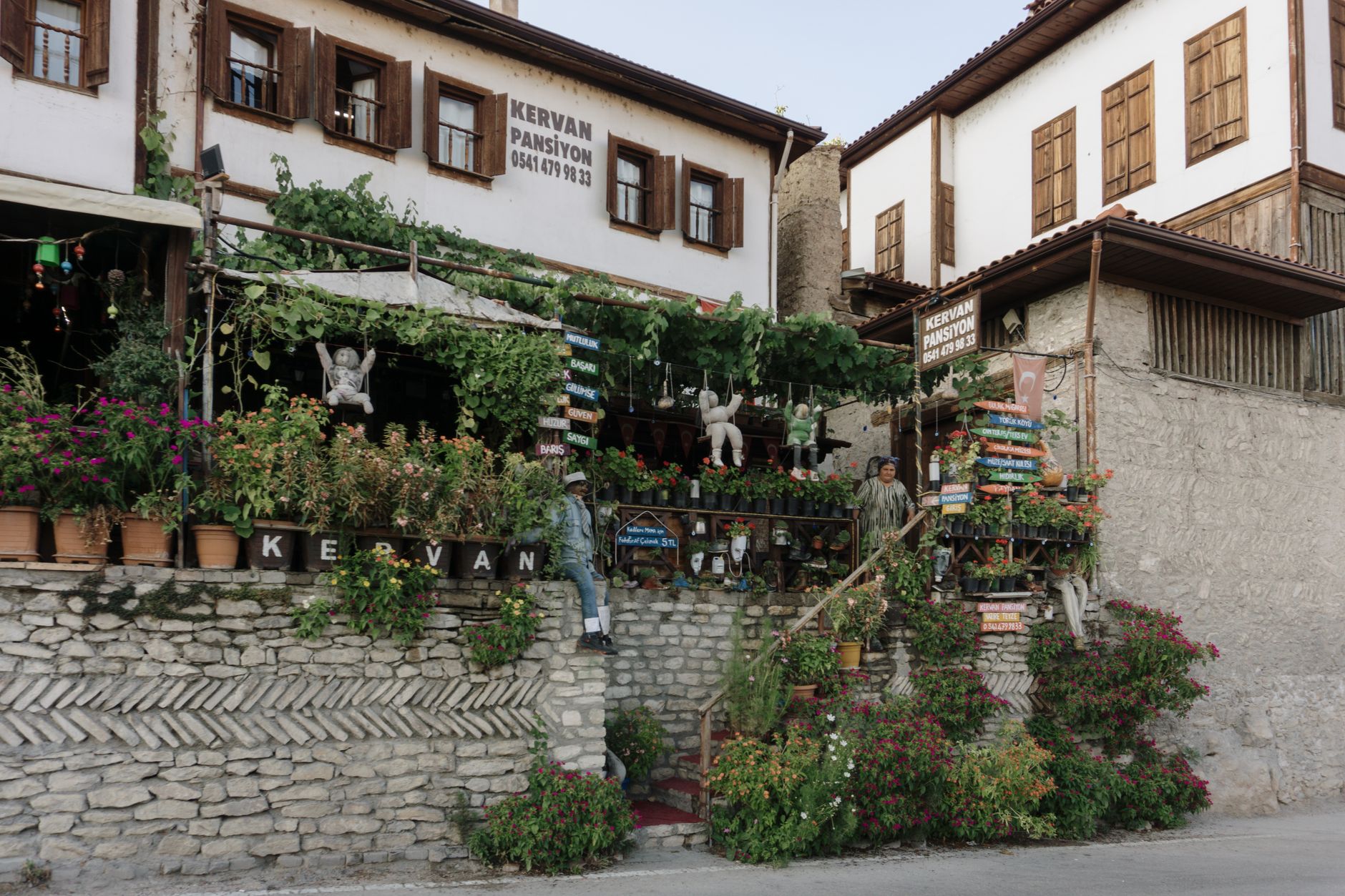
The villages around Lake Manyas — including Manyas, Kuşcenneti, and nearby hamlets — offer a handful of small guesthouses and pansiyons that feel like staying with friends. Rooms are simple but clean, often with balconies overlooking gardens or the lake. The real magic is the hospitality.
Breakfast is a celebration of local produce: homemade jams, village cheese, olives, fresh eggs, tomatoes and cucumbers from the garden, honey from nearby hives, and warm bread. You will likely be offered endless cups of tea. Some hosts pack a picnic lunch for your birding excursion — often including gözleme (stuffed flatbread) and fruit.
Dinners can be arranged on request, featuring lake fish, grilled meats, and seasonal vegetables. Vegetarians are well catered for with dishes like stuffed peppers, beans in olive oil, and bulgur pilaf. Staying here directly supports the community and gives you a stake in the lake's future.
Getting There and Around
Lake Manyas is roughly a 4-hour drive from Istanbul and 2 hours from Izmir, making it feasible as a weekend trip. The nearest town with good connections is Bandırma, which has bus and ferry links. From Bandırma, taxis or local minibuses can take you to the villages; having your own car gives the most flexibility.
Once there, you can walk or cycle between the village and the park entrance. Bicycles may be available at some guesthouses. The park itself is compact and easy to navigate on foot.
Pairing Manyas with Other Turkish Natural Wonders
If you are building a nature-focused itinerary, Manyas combines beautifully with Mount Ida (Kaz Dağı) National Park to the west, known for its oxygen-rich air, waterfalls, and charming villages. Or head south to Izmir's birding spots like the Gediz Delta, another Ramsar site. History lovers can detour to ancient Troy or Pergamon, both within striking distance.
The region is also a food lover's delight — olive oil, wine, and seafood from the Marmara and Aegean coasts are all nearby.
Final Thoughts: A Gentle, Rewarding Escape
Lake Manyas is not a place of grand monuments or crowded attractions. It is a place of quiet wonders: the sudden lift of a thousand flamingos, the patient stance of a heron, the warmth of a village breakfast eaten under a grapevine. It is proof that conservation and community can thrive together, and that the best travel experiences are often the ones that ask you to slow down and listen.
Whether you are a serious birder or simply someone who loves nature, Manyas will leave you refreshed and hopeful. Bring binoculars, a curious mind, and an appetite for homemade jam — and let the birds of paradise welcome you.
Thinking about a trip to Turkey?
Share your contact details and a vetted local expert will follow up with a plan built around you — free, no obligation.