

A Simpler, Safer Way to Book Your Turkish Getaway
If you've been dreaming of a stay in a cave hotel in Cappadocia, a boutique escape in Istanbul's Galata district, or a sun-soaked villa on the Turquoise Coast, there's good news: Türkiye's holiday accommodation sector is becoming clearer and more organized than ever. New permit rules for short-term rentals and hotels — including listings shown on major platforms such as Booking.com, Expedia and Airbnb — are designed to make your booking experience more transparent and your stay more secure.
For travelers, this means less guesswork and more confidence. Instead of sorting through unverified listings, you can increasingly expect that properties displaying an official permit have met basic safety, registration and quality standards. In short: smoother reservations, verified listings and the same warm Turkish hospitality that has made the country a favorite for millions of visitors.
What Exactly Changed? A Quick Breakdown
Türkiye has introduced a permit system requiring many short-term rental properties and hotels to register with authorities and obtain a permit before they can be marketed. This applies to platforms like Airbnb, Booking.com and Expedia, which are expected to display or verify permit information for listings in Türkiye.
Hotels and other licensed accommodation have long operated under Ministry of Culture and Tourism certification, which guarantees certain standards. The new rules extend similar clarity to the short-term rental market, which had grown rapidly and sometimes operated in a gray area. The goal is straightforward: protect guests, ensure fair competition and make the sector more professional.
Visitors won't need to navigate the paperwork themselves. Your role is simply to look for official registration when booking — and to enjoy the peace of mind that comes with it.
Why This Is Good News for Travelers
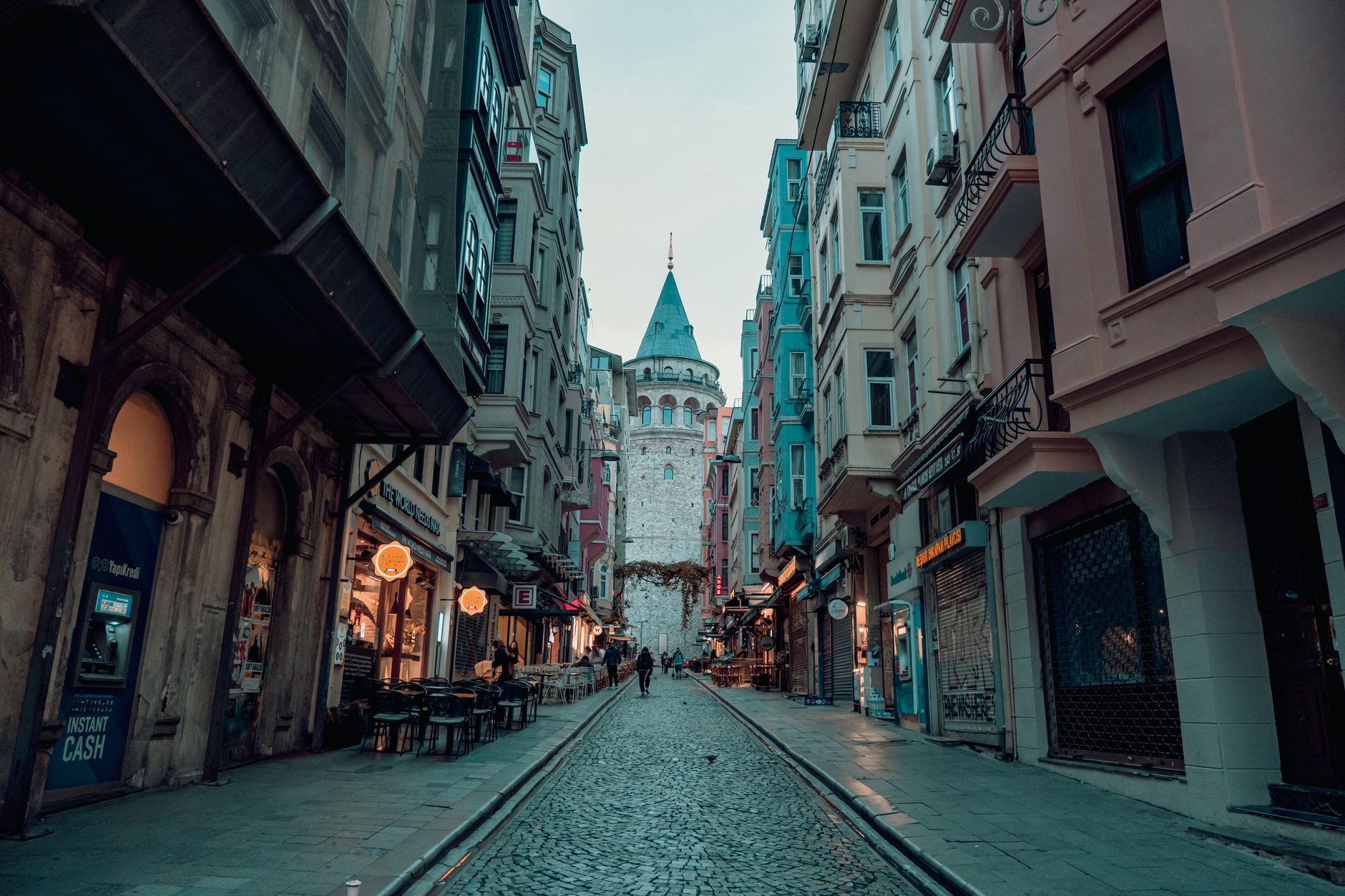
First, safety. Registered properties are more likely to meet fire, health and building safety requirements. That matters whether you're staying in a high-rise Istanbul apartment or a restored stone house in Mardin.
Second, accountability. If something goes wrong — a last-minute cancellation, a misleading listing or a cleanliness issue — a registered property gives you a clearer path to resolution, both through the platform and through Turkish consumer protection channels.
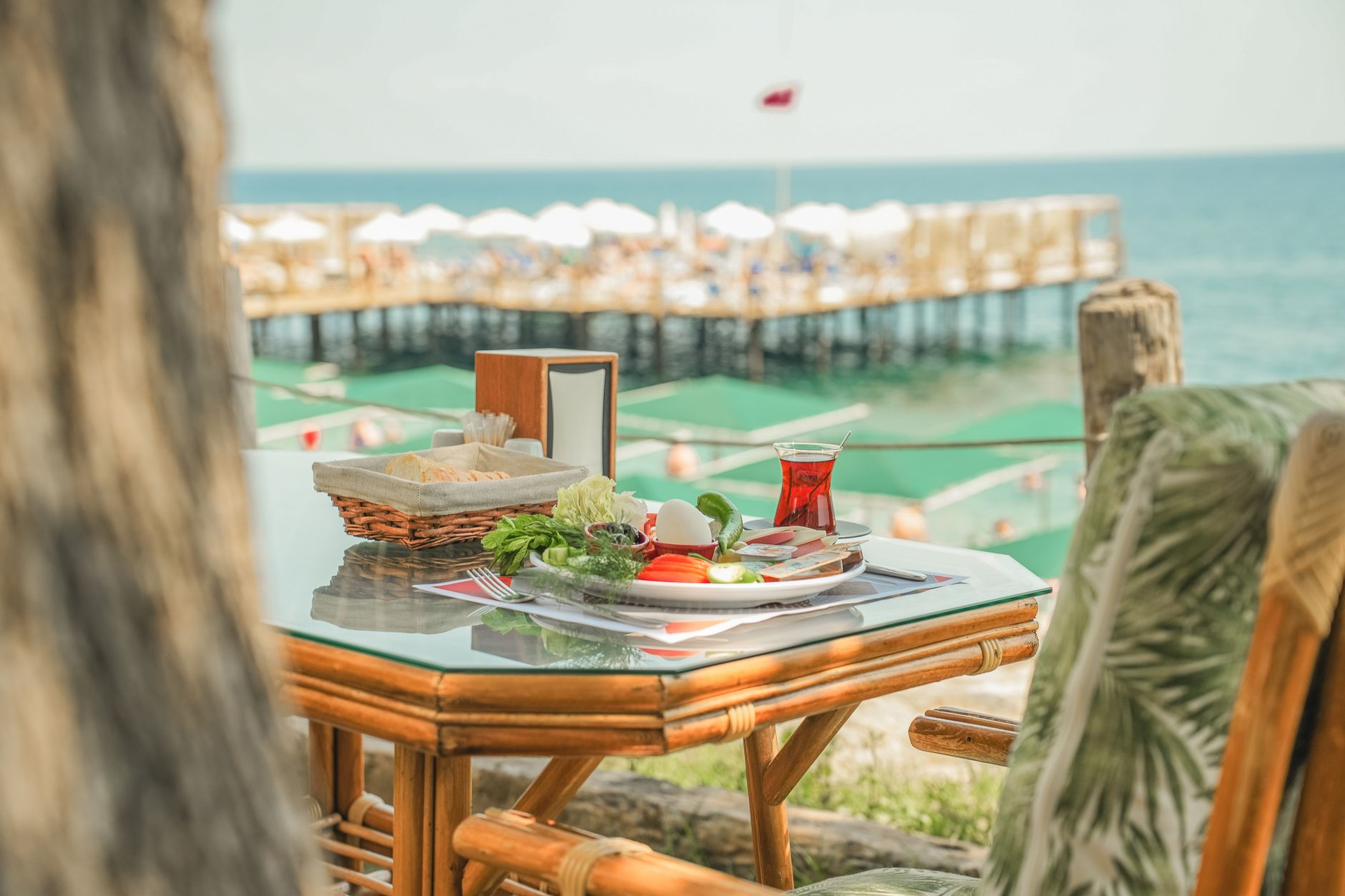
Third, quality consistency. Permits create a baseline that helps travelers distinguish professional, well-managed stays from informal offerings. That means fewer unpleasant surprises and more time enjoying çay on a balcony with a view.
What It Means for Your Booking Process
When you browse Booking.com, Expedia or Airbnb for a stay in Türkiye, expect to see more emphasis on permit or license numbers on listings. Some platforms may require hosts to provide registration details before a property can be advertised. This makes it easier to compare options and choose with confidence.
Practically speaking, here's what you can do:
- Look for the permit or license number in the listing details or photos. Reputable hosts display it proudly.
- Read recent reviews with an eye for consistency — registered properties tend to have more stable guest experiences.
- Book with established platforms that have robust verification and customer support, especially for short-term rentals.
- Ask the host directly if the permit information isn't obvious. Legitimate operators are happy to confirm.
None of this replaces the joy of travel — it simply removes some of the risk. You still get to focus on choosing between a Bosphorus-view suite and a quiet Aegean stone cottage.
Hotels vs. Holiday Rentals: What's the Difference?
Hotels in Türkiye have long been regulated, with star ratings and tourism licenses issued by the Ministry of Culture and Tourism. That system isn't new, but it continues to evolve alongside the rental market.
Holiday rentals — apartments, villas and rooms rented for short stays — are the newer focus. Under the simplified framework, many of these properties now need a permit to operate legally. The result is a more level playing field and clearer expectations for guests.
For you, the distinction matters less than the outcome: whether you choose a five-star resort in Antalya or a cozy studio in Izmir, you can increasingly rely on the fact that the property has been vetted in some way.
What Hasn't Changed: Turkish Hospitality
Rules may evolve, but the essence of a Turkish holiday remains the same. You'll still be greeted with genuine warmth, offered tea before you can say "teşekkürler," and treated to breakfasts that stretch into lazy mornings. From theGrand Bazaar's labyrinth to the fairy chimneys of Göreme, the country's magic is untouched.
If anything, better-regulated accommodation frees hosts to focus on what they do best: making guests feel at home. That's the heart of Türkiye's travel appeal, and it's here to stay.
Planning Your Trip? Here's the Bottom Line
Türkiye's simplified permit rules for Booking.com, Expedia and Airbnb are a step toward a more transparent travel market. For visitors, that translates into safer stays, verified listings and smoother bookings — all without losing the spontaneity and warmth that make a Turkish trip unforgettable.
So go ahead: start planning that Cappadocia balloon ride or Aegean coastal escape. With clearer rules in place, your biggest decision is simply where to watch the sunset.
Travelers can expect continued Turkish hospitality, now backed by clearer, safer and officially registered accommodation options.
Thinking about a trip to Turkey?
Share your contact details and a vetted local expert will follow up with a plan built around you — free, no obligation.