

There is a moment that happens in Istanbul's hidden churches, usually when your eyes adjust to the dim interior and a mosaic of Christ Pantocrator emerges from the gold like a sunrise refusing to fade. It is a moment that has been happening to travelers for nearly fifteen centuries, and it is still waiting for you.
Türkiye is often celebrated for its Ottoman skyline, its bazaars and its Mediterranean coast, but it is also one of the world's great living galleries of Byzantine art. From the monumental mosaics of Hagia Sophia to the intimate fresco cycles of the Chora Church, the city offers a walkable trail through the empire that shaped European art, theology and architecture. This is not a museum visit. It is a pilgrimage through light, stone and gold.
Why Istanbul Is the World's Greatest Byzantine Gallery
For more than a thousand years, Constantinople was the capital of the Byzantine Empire and the richest city in the Christian world. Its churches were not simply places of worship; they were total artworks, where marble, mosaic, fresco, chant and architecture worked together to lift the worshipper toward the divine. When you stand inside one of these buildings today, you are standing inside a surviving fragment of that vision.
What makes Istanbul unique is that these treasures are not confined to a single museum. They are scattered across neighborhoods like Fatih, Edirnekapı and Sultanahmet, often hidden behind modest facades, sometimes converted into mosques, sometimes left in quiet courtyards where cats doze on ancient marble. You can walk from a bustling boulevard into a sixth-century sanctuary in under a minute.
This trail is best experienced slowly, over two or three days, with time to sit, look and let your eyes adjust. The rewards are not just aesthetic. Byzantine mosaics were theology in glass and stone, designed to teach, comfort and overwhelm. Seen in person, they still do all three.
The Chora Church: Where Byzantine Mosaic Art Reaches Its Peak
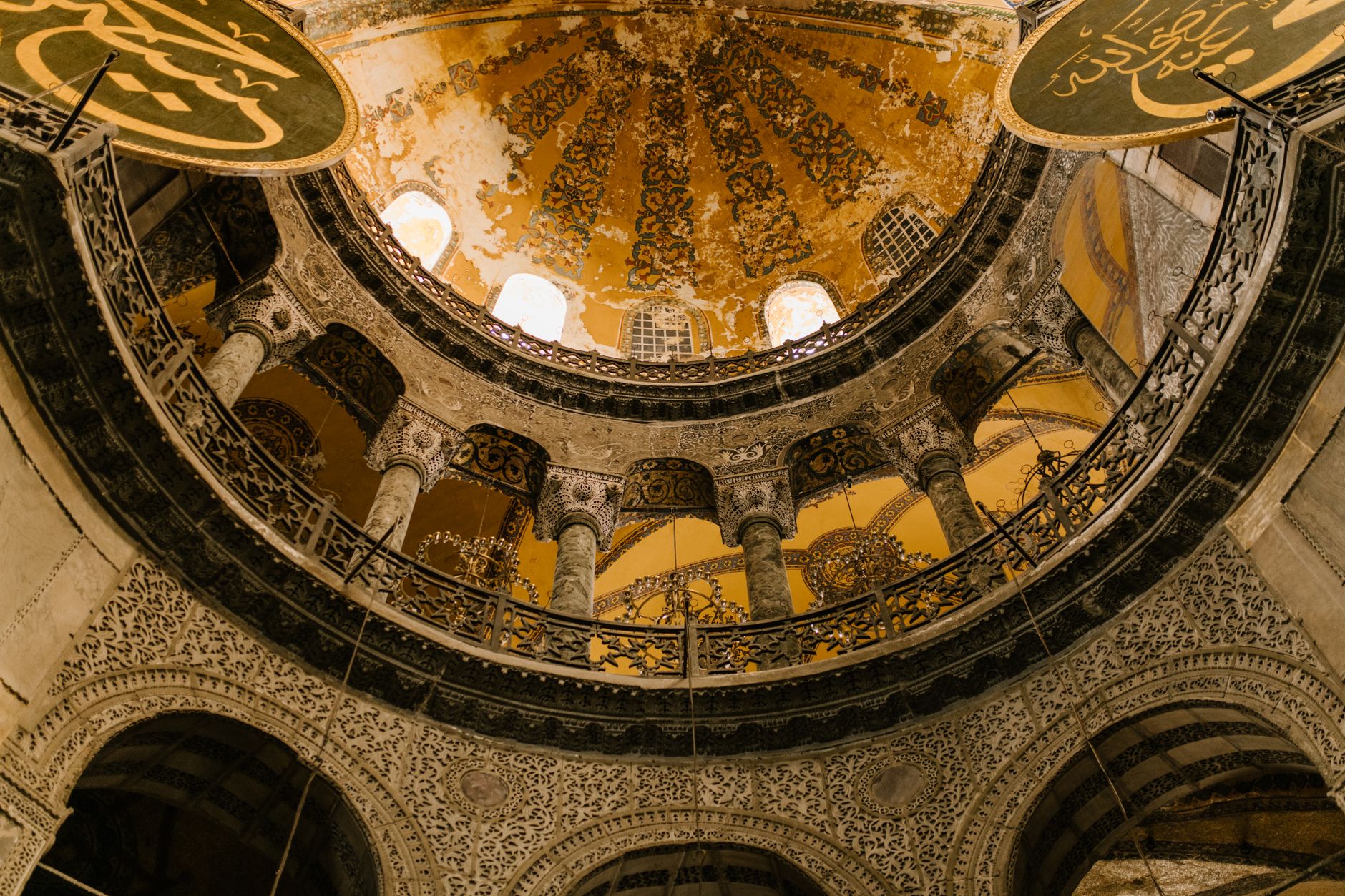
If you see only one Byzantine monument beyond Hagia Sophia, make it the Chora Church, known in Turkish as Kariye. Tucked into the Edirnekapı neighborhood near the old city walls, it preserves what many art historians consider the finest surviving Byzantine mosaics and frescoes anywhere in the world.
The Chora's treasures date largely to the early fourteenth century, when the powerful statesman Theodore Metochites funded a lavish renovation. The result is a cycle of images that feels almost cinematic: the life of the Virgin, the infancy of Christ, the ministry, the miracles, the Passion. The famous Anastasis fresco in the parecclesion, showing Christ pulling Adam and Eve from their tombs, is one of the most powerful images in all of Christian art.
Practical tip: The Chora has undergone extensive restoration in recent years and access to parts of the complex can vary. Check current opening hours before you go, and give yourself at least ninety minutes. The mosaics reward close looking, not a quick circuit. Morning light tends to be softer and crowds thinner on weekdays.
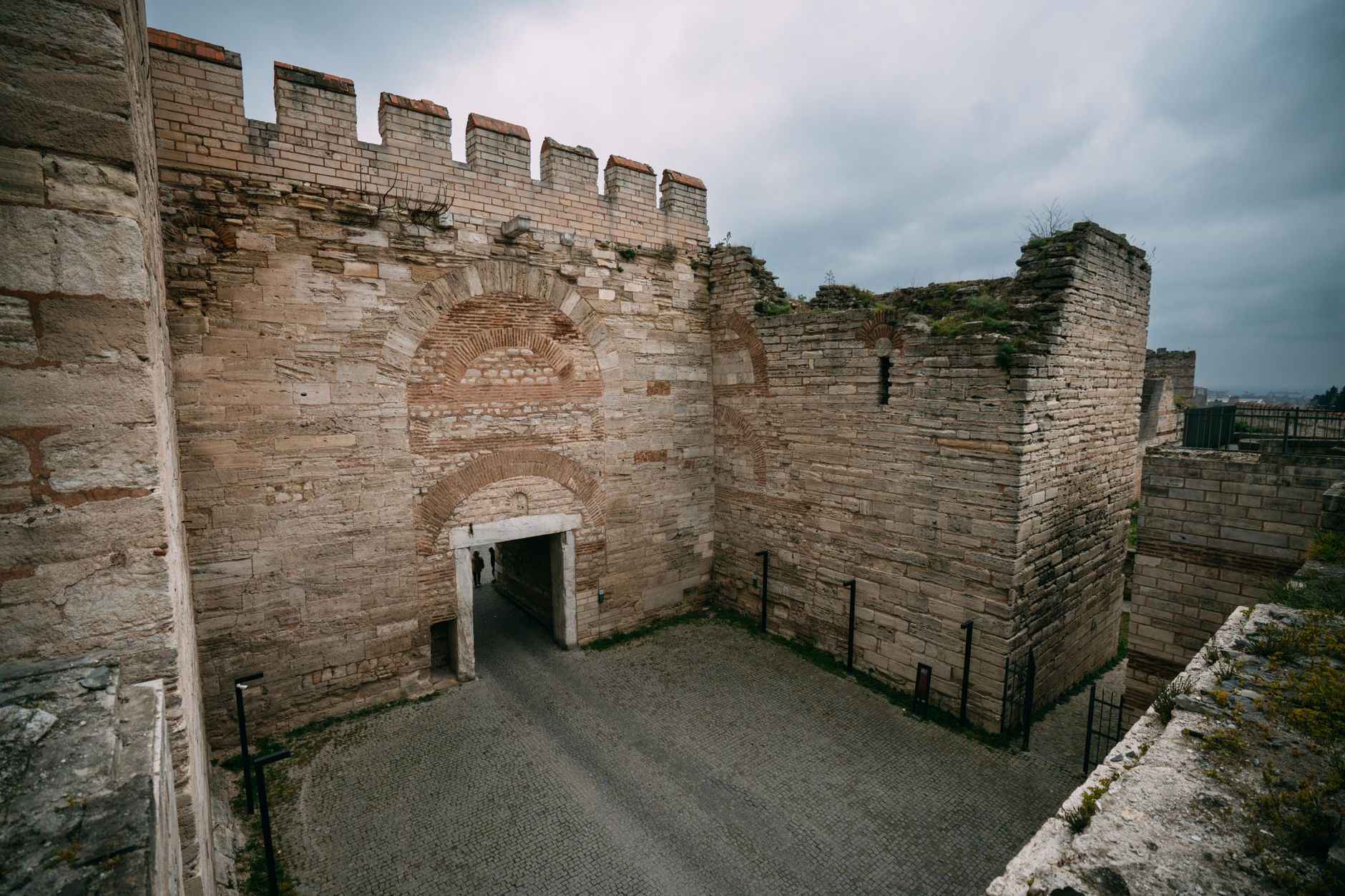
Because the Chora sits a fair distance from the main tourist core, it is easy to combine with the Theodosian Walls and the neighborhood's quiet streets for a half-day of exploration. It is also one of the sites where a museum pass can make a real difference.
Hagia Sophia: The Mosaics That Changed the Course of Art
Hagia Sophia needs no introduction, but its mosaics are often overlooked by visitors dazzled by the sheer scale of the dome. Slow down and look up, and you will find some of the most important images in Byzantine art: the magnificent Deësis mosaic in the south gallery, the Virgin and Child in the apse, the archangels, the imperial portraits of Emperors and Empresses offering gifts to Christ and the Virgin.
These mosaics span centuries, from the sixth-century origins of the church to the eleventh-century Deësis and later additions. Together they tell the story of an empire that saw itself as the earthly mirror of heaven. The Deësis, with its monumental figures of Christ, the Virgin and John the Baptist, is widely considered a masterpiece of world art.
Best light: Mosaics are made of glass tesserae that catch and reflect light. In Hagia Sophia, the upper galleries tend to be less crowded in the early morning and late afternoon. Bring binoculars if you can; the Deësis is high up and the details are extraordinary when magnified.
Hagia Sophia is a working mosque, and visitors should dress modestly and respect prayer times and designated areas. The experience of standing in a space that has been a cathedral, a mosque and now again a mosque is itself a lesson in Istanbul's layered identity.
Lesser-Known Gems: Pammakaristos, St. Saviour in Chora and Beyond
The real joy of the Byzantine mosaic trail is the places most visitors never find. The Pammakaristos Church, now the Fethiye Mosque, hides a stunning mosaic of Christ Pantocrator in its side chapel, along with scenes from the life of the Virgin. It sits in the Çarşamba neighborhood, a short walk from the Chora, and is often nearly empty.
Nearby, the Church of St. Saviour in Chora is the same site as the Chora, but the surrounding area offers other fragments. In the Fatih district you can also find the Church of the Holy Apostles site and various converted structures whose Byzantine bones are still visible beneath later additions. Some of the most moving moments come from these quiet, half-forgotten places where a single mosaic panel glows above a doorway.
Outside Istanbul, Türkiye's Byzantine heritage continues. In Iznik (ancient Nicaea), the Church of Hagia Sophia holds a fine mosaic of Christ in the apse. In Trabzon, the Hagia Sophia museum preserves both mosaics and frescoes. And in Antalya, the Church of St. Nicholas in Demre connects Byzantine art to the legend of Santa Claus.
Which sites need extra time: The Chora and Pammakaristos reward at least an hour each; Hagia Sophia deserves two hours if you want to see the upper gallery mosaics properly. Smaller sites can be seen in thirty minutes, but build in travel time between neighborhoods.
Practical Tips: Light, Timing and the Museum Pass
Byzantine mosaics are best seen in soft, indirect light. Harsh midday sun can create glare through windows, while early morning and late afternoon often produce a gentler, more atmospheric glow. Overcast days can be surprisingly good for photography and viewing, as the light is even and the gold tesserae shimmer without blowing out.
Plan your days around opening hours, which vary seasonally and can change with restoration schedules. The Chora and Pammakaristos are often closed on certain days, so check ahead. Friday mornings can be busy at active mosques due to prayer, so schedule those visits for other times.
The museum pass: Türkiye's official museum pass, available in different regional versions, can cover entry to many sites including Hagia Sophia (when ticketed), the Chora, and other museums. It saves money if you plan to visit several sites and, just as importantly, saves time by letting you skip ticket queues. Passes are sold online and at major museums.
Wear comfortable shoes, carry water, and be prepared for modest dress requirements. A scarf and covered shoulders are useful for mosque visits. Photography is generally allowed, but flash can damage fragile pigments and is often prohibited; always follow posted signs and staff instructions.
A Note on Restoration: Watching History Breathe
Many of Istanbul's Byzantine monuments are undergoing careful restoration. Scaffolding may obscure parts of a building, and some mosaics may be temporarily covered. This is not a disappointment; it is a privilege. You are watching conservators, historians and craftspeople ensure that these images survive for another fifteen centuries.
Restoration is slow, meticulous and often controversial, but it is also a sign of care. When a mosaic is cleaned, colors that had been dulled by centuries of grime suddenly glow again. When a structure is stabilized, future generations will be able to stand where you stand and feel the same wonder.
So come with patience and curiosity. Let the restoration work remind you that these masterpieces are not static relics but living witnesses, tended by human hands. And when you finally stand before a golden Christ Pantocrator, with the light shifting across the tesserae, you will understand why travelers have called Istanbul a city of miracles for a thousand years.
Planning Your Byzantine Mosaic Trail
A simple three-day plan works well. Day one: Hagia Sophia and the Sultanahmet area, including the nearby Mosaic Museum. Day two: the Chora Church and Pammakaristos, with a walk along the Theodosian Walls. Day three: a deeper dive into Fatih's neighborhood churches and, if time allows, a day trip to Iznik or a flight to Trabzon for the Hagia Sophia there.
Stay in Sultanahmet or Fatih for easy access to the main sites, or in Beyoğlu for a more contemporary base with good transport links. Istanbul's tram and metro system makes reaching most of these sites straightforward, though some require a short taxi ride or a walk through historic streets.
Above all, resist the urge to rush. The Byzantine mosaic trail is not a checklist. It is a conversation across time, and the most memorable moments often happen when you least expect them: a shaft of light on a forgotten panel, the quiet of an empty chapel, the sudden realization that you are standing exactly where an emperor once stood.
Thinking about a trip to Turkey?
Share your contact details and a vetted local expert will follow up with a plan built around you — free, no obligation.