

Sleeping in the Footsteps of Silk Road Merchants
Imagine drifting to sleep in the same courtyard where, centuries ago, weary camel caravans halted for the night. The scent of woodsmoke and spice still lingers in the air, and the stones themselves seem to whisper tales of traders and travellers. Across Türkiye, a growing number of historic caravanserais and hans have been lovingly restored into atmospheric hotels and guesthouses, inviting you to become part of a tradition that spans over a thousand years.
These were not merely inns; they were safe havens along the Silk Road, offering food, shelter, and companionship to all who passed—regardless of origin or creed. Today, they continue that mission, welcoming modern wanderers with the same warmth that once greeted merchants from distant lands.
In this guide, we'll explore some of the most captivating caravanserai stays in Türkiye, from the fairy-tale landscapes of Cappadocia to the historic edges of Edirne, and share practical tips for planning your own night in a trader's rest stop.
The Enduring Tradition of the Kervansaray
The kervansaray (caravanserai) was the beating heart of Silk Road commerce. Spaced roughly a day's journey apart—about 30 to 40 kilometres—these fortified complexes provided a secure place for caravans to rest, resupply, and recover. Many were funded by sultans or wealthy merchants as acts of charity, ensuring that travellers could stay free of charge for up to three days.
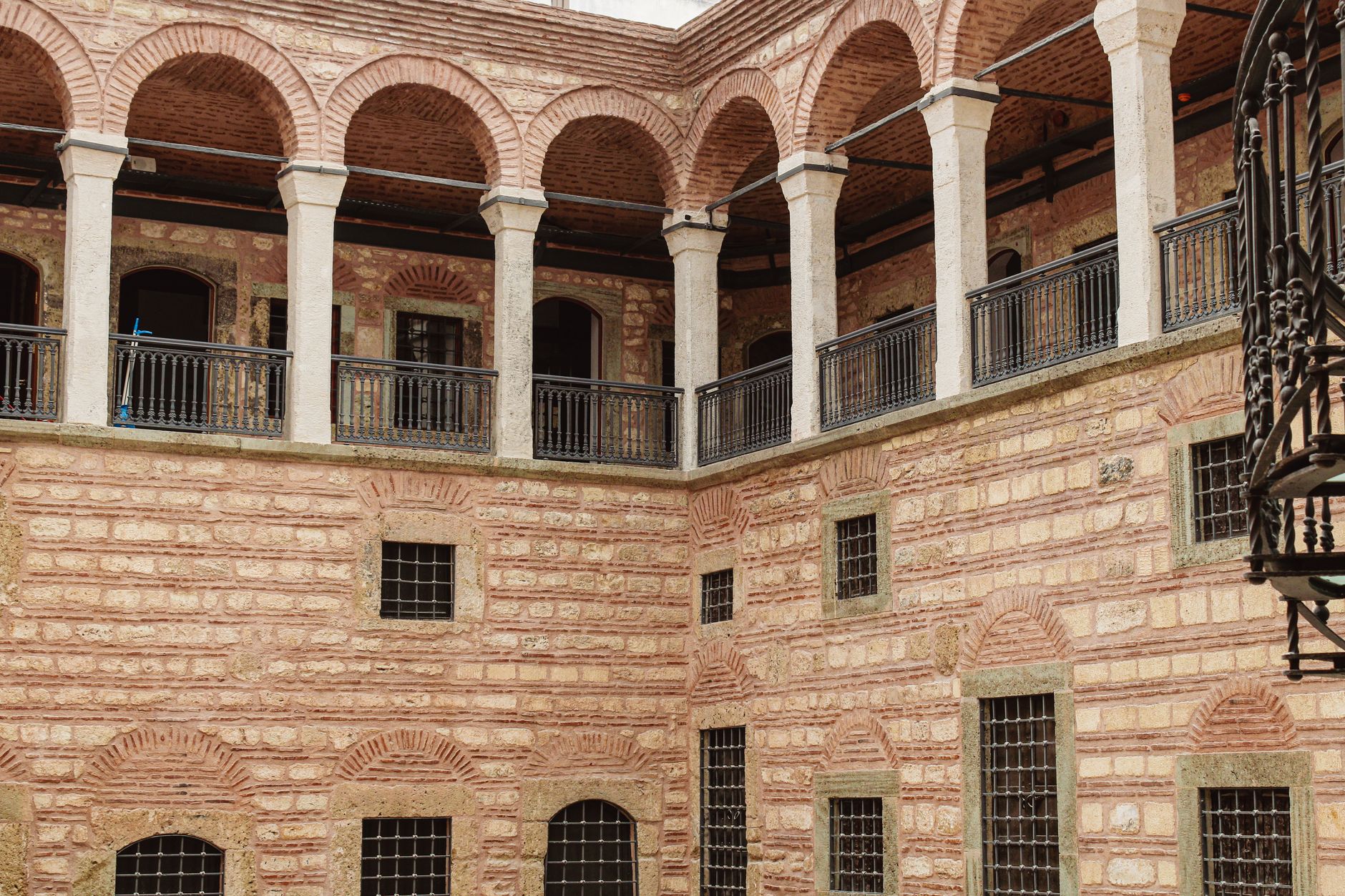
Architecturally, they were marvels of their time: massive stone walls, single fortified entrances, and a central courtyard surrounded by arcades. The courtyard often featured a raised platform for prayer or socialising, while the surrounding rooms served as dormitories, storerooms, and stables. Animals were housed in the covered section, and travellers in the open courtyard rooms, with communal meals shared in the evening.
This spirit of communal hospitality is what makes staying in a restored caravanserai so special today. You're not just booking a room; you're participating in a centuries-old ritual of welcome.
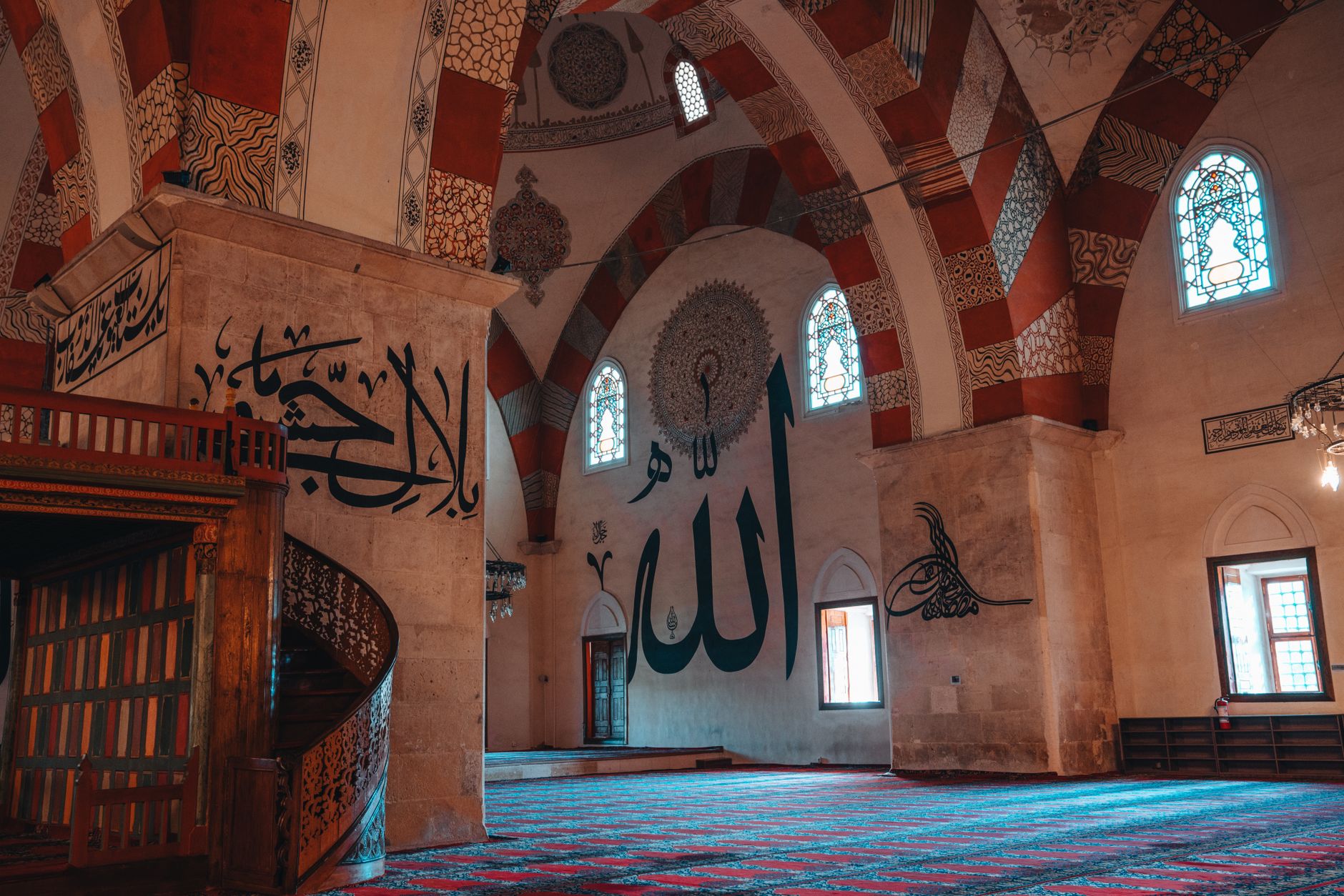
Where to Sleep in a Restored Caravanserai
Cappadocia: Cave Hotels and Caravanserai Charm
Cappadocia is famous for its cave dwellings, but it also harbours several restored caravanserais that offer a unique blend of history and comfort. The Selçuklu Evi in Ürgüp, though not a caravanserai itself, is a restored Ottoman-Greek mansion that captures the same spirit. For a true caravanserai experience, head to Horozlu Han in Konya (just outside Cappadocia) or the Sarıhan Caravanserai near Avanos, which operates as a cultural centre and occasionally hosts overnight guests during special events.
In nearby Aksaray, the Ağzıkarahan Caravanserai is a magnificent example of Seljuk architecture, though it's primarily a museum. However, the nearby Tuz Gölü (Salt Lake) area has boutique hotels that evoke caravanserai style.
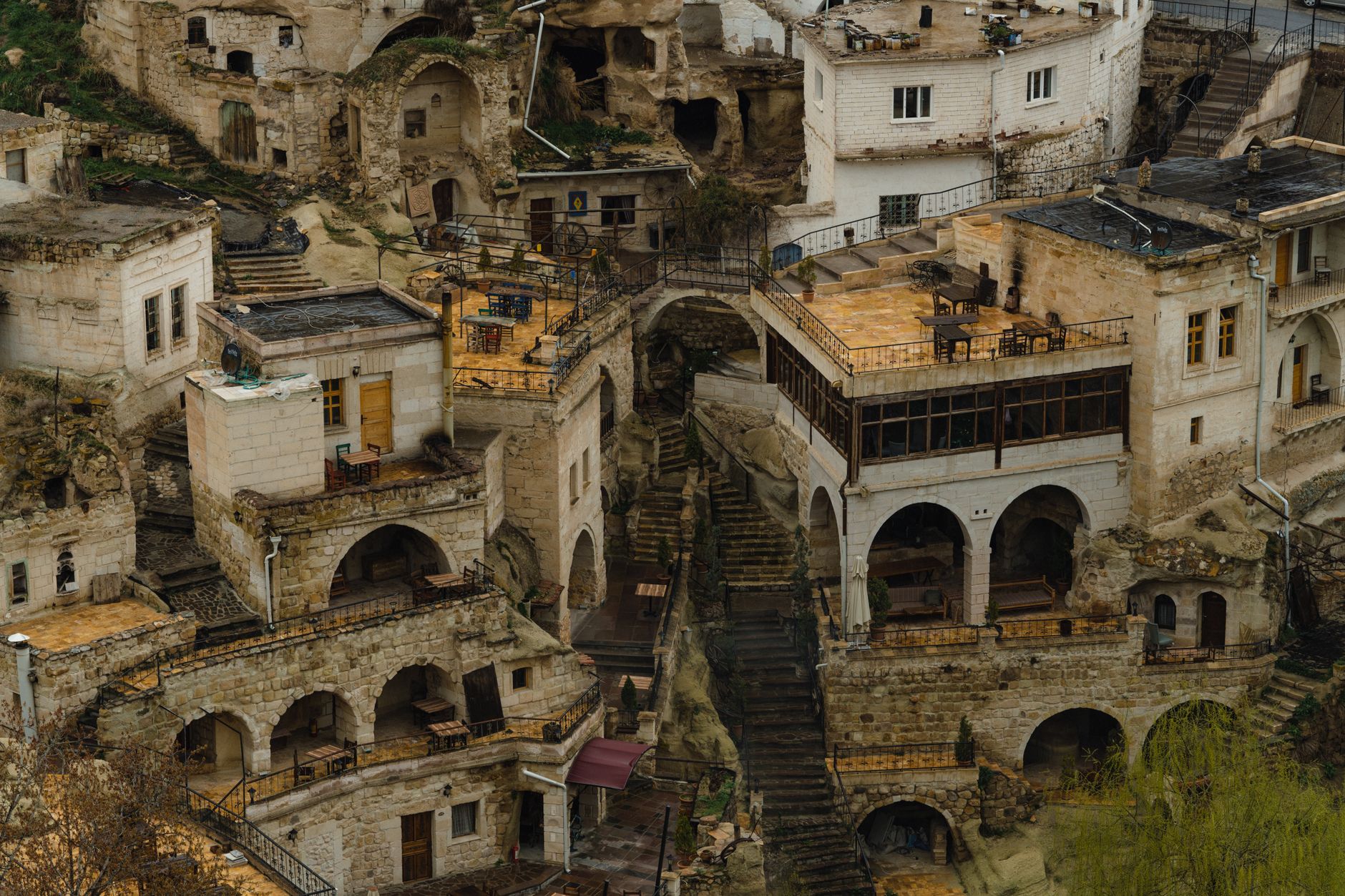
For a night in a genuine caravanserai within Cappadocia, consider the Caravanserai Hotel in Mustafapaşa (formerly Sinasos). This charming property, built around a historic courtyard, offers rooms that blend rustic stone walls with modern comforts. Rates range from €70 to €120 per night, including a hearty Turkish breakfast.
Konya: The Seljuk Heartland
Konya, the capital of the Seljuk Sultanate of Rum, is home to some of the finest caravanserais in Türkiye. While many are museums, a few have been converted into guesthouses. The Obruk Han near Karapınar is a restored 13th-century caravanserai that now functions as a café and cultural venue, with plans for overnight stays. The Zazadin Han, about 20 kilometres north of Konya, is another stunning restoration that occasionally hosts events and dinners.
For accommodation, the Hich Hotel in Konya's old town is set in a restored caravanserai and offers elegant rooms around a courtyard. Doubles start at around €90 per night. The hotel's restaurant serves traditional Konya cuisine, and the courtyard is a magical spot for evening tea.
Edirne: Gateway to the West
Edirne, once the Ottoman capital, boasts the magnificent Rüstem Paşa Kervansarayı, built in 1561 by the legendary architect Mimar Sinan. This caravanserai, located in the city centre, has been restored and now houses a hotel and a row of shops. The Rüstem Paşa Kervansaray Hotel offers comfortable rooms with high ceilings and stone walls, surrounding a peaceful courtyard. Rates are surprisingly affordable, from €50 to €80 per night, making it an excellent value for history lovers.
The courtyard often hosts live music and cultural events, and the on-site restaurant serves Edirne's famous fried liver and other local delicacies. Staying here puts you within walking distance of the Selimiye Mosque, a UNESCO World Heritage Site.
Other Notable Caravanserai Stays
Diyarbakır: The Hasan Paşa Hanı is a 16th-century caravanserai that now operates as a hotel and cultural centre. Its courtyard is a lively spot for breakfast, and rooms are simple but atmospheric. Expect to pay around €40–€60 per night.
Şanlıurfa: The Gümrük Hanı is a restored caravanserai that serves as a café and artisan market, but nearby boutique hotels like Manici Hotel capture the caravanserai aesthetic with vaulted rooms and courtyards. Rates start at €70.
Mardin: While not a caravanserai, the Kasr-ı Nehroz Hotel is a restored Assyrian mansion that offers a similar courtyard experience. Doubles from €100.
Bursa: The Emir Han, a 14th-century caravanserai, now houses a café and shops, but the nearby Kervansaray Termal Hotel offers a modern take on the tradition with thermal pools. Rates from €80.
What to Expect: Amenities and Atmosphere
Staying in a restored caravanserai is not like staying in a standard hotel. Rooms are often smaller, with thick stone walls, vaulted ceilings, and small windows—designed to keep cool in summer and warm in winter. Amenities may be basic: expect comfortable beds, private bathrooms (sometimes compact), and Wi-Fi that varies in strength.
What you gain is an unforgettable atmosphere. Courtyards are the heart of these properties, where you can enjoy breakfast under the shade of ancient trees, sip tea as the sun sets, and chat with fellow travellers from around the world. Many caravanserais also host cultural evenings with live music, whirling dervish performances, or storytelling sessions.
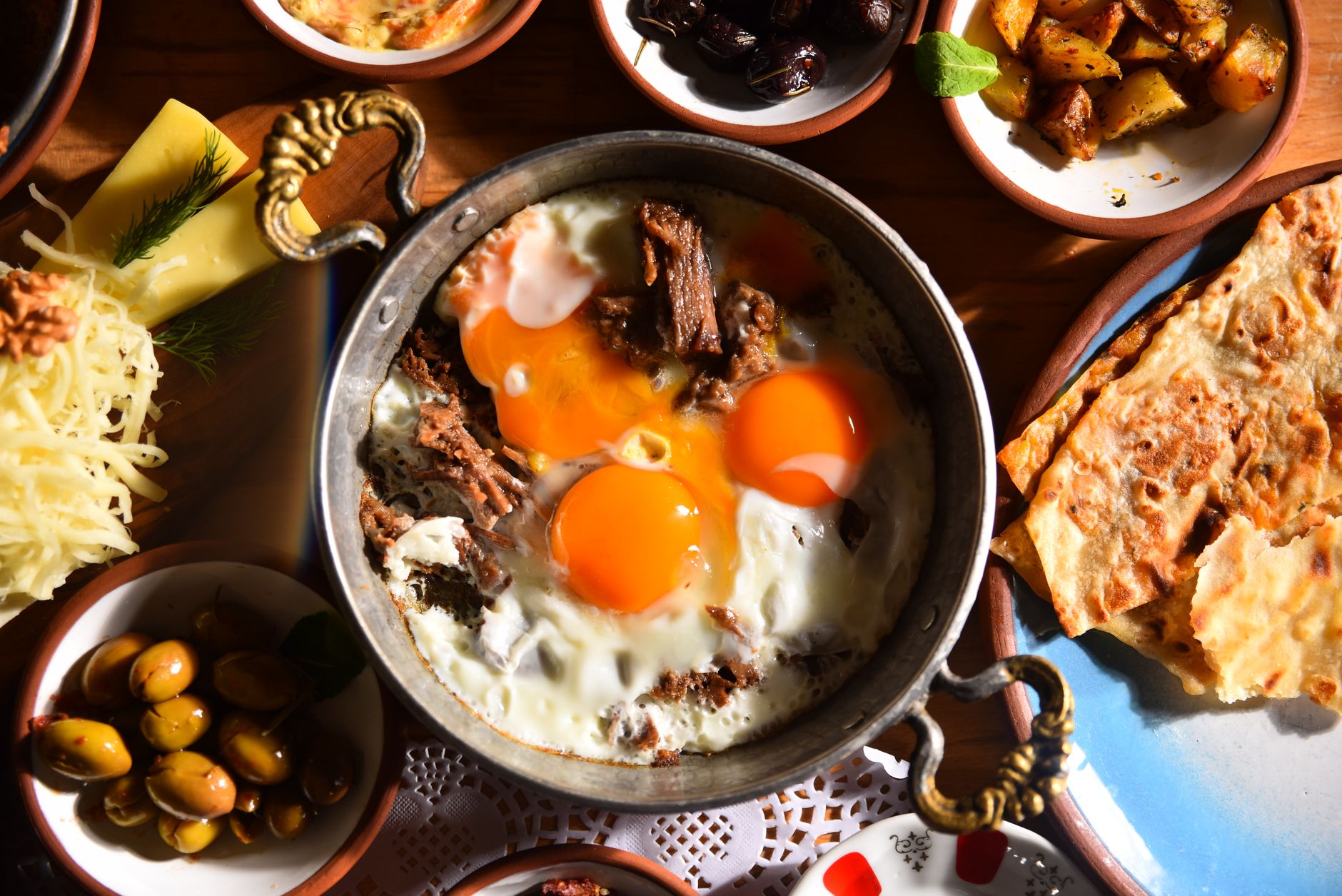
Breakfast is typically included and is a lavish Turkish spread: cheeses, olives, jams, honey, fresh bread, and endless cups of tea. Some properties also offer dinner, often featuring regional recipes passed down through generations.
Practical Tips for Your Caravanserai Stay
Book ahead: These unique properties are popular, especially in high season (April–October). Reserve at least a few weeks in advance.
Check accessibility: Historic buildings may have steep stairs, uneven floors, and no elevators. If you have mobility concerns, inquire directly.
Embrace the simplicity: Don't expect five-star luxury. The charm lies in the authenticity, not in modern frills.
Learn a few words of Turkish: A simple merhaba (hello) and teşekkürler (thank you) go a long way in connecting with hosts.
Respect the heritage: These are living monuments. Treat them with care and curiosity.
Budget: Prices range from €40 for a simple room in a lesser-known han to €150 for a more polished caravanserai hotel. On average, expect to pay €60–€100 per night for a double room with breakfast.
Why This Tradition Matters Today
In a world of chain hotels and anonymous stays, Türkiye's caravanserais offer something profound: a sense of continuity, of belonging to a story that stretches back centuries. When you sleep in a caravanserai, you're not just a tourist; you're a traveller in the oldest sense of the word—seeking shelter, connection, and a glimpse of the wider world.
The Turkish word for hospitality, misafirperverlik, is more than a concept; it's a way of life. In these courtyards, you'll feel it in the way your host offers you tea before you even ask, in the extra blanket they bring without being prompted, in the smile that says, "You are welcome here."
So come, rest your head where merchants once did. Let the stones tell you their stories. And discover for yourself why Türkiye remains the world's most gracious host.
Thinking about a trip to Turkey?
Share your contact details and a vetted local expert will follow up with a plan built around you — free, no obligation.