

Introduction: A Living Gallery in the Rocks
Cappadocia is often celebrated for its fairy chimneys and underground cities, but its true artistic soul lies hidden within the soft volcanic tuff: hundreds of rock-cut churches adorned with Byzantine frescoes. Carved between the 9th and 13th centuries, these sanctuaries transform raw stone into luminous canvases of faith, colour, and storytelling. To stand beneath a ceiling painted with the Ascension or to meet the calm gaze of a 1,000-year-old Christ Pantocrator is to touch the living memory of early Christian Anatolia.
This guide invites you to admire three of the region's most rewarding sites: the Göreme Open Air Museum, the remote Zelve Valley, and the secluded Soğanlı Valley. We'll cover opening hours, the best light for photography, and how to visit with respect. Above all, we'll show how a knowledgeable local guide turns these painted caves into gripping narratives—tales of monastic communities, imperial patronage, and a cultural crossroads where East and West once met.
Göreme Open Air Museum: The Crown Jewel
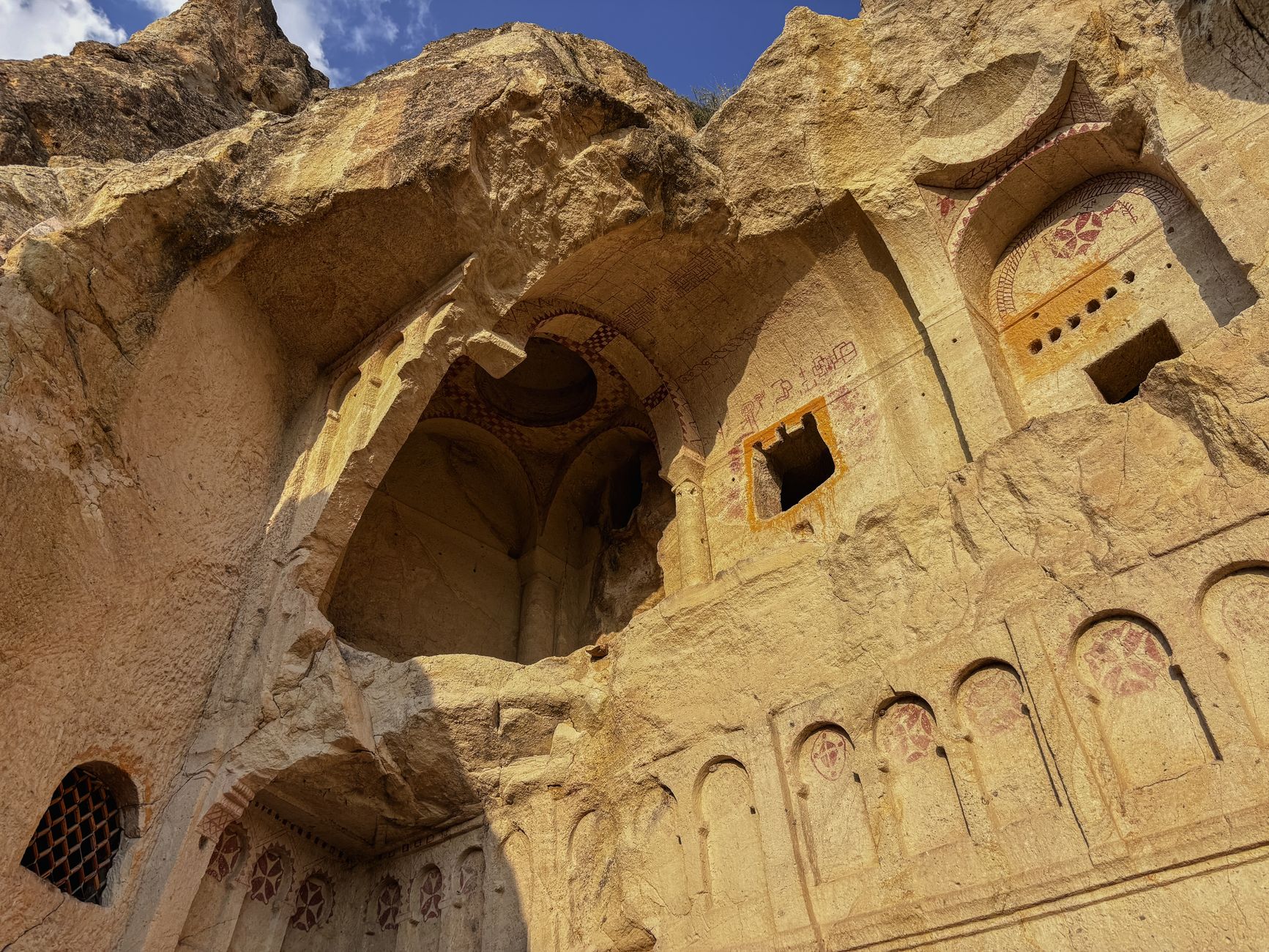
A UNESCO World Heritage Site since 1985, the Göreme Open Air Museum is the essential first stop. Here, a cluster of rock-cut monasteries, refectories, and churches reveals the sophistication of Byzantine Cappadocia. The jewel is the Dark Church (Karanlık Kilise), whose near-black interior has preserved frescoes of astonishing vibrancy—scenes of the Nativity, the Last Supper, and the Crucifixion rendered in rich reds, blues, and golds. Because the church receives almost no direct sunlight, the colours remain as vivid as the day they were painted in the 11th century.
Other must-sees include the Buckle Church (Tokalı Kilise), with its narrative cycle of the New Testament, and the Elmali Church (Elmalı Kilise), distinguished by its domed, cross-in-square plan and frescoes of saints and angels. The Snake Church (Yılanlı Kilise) offers moral tales—look for the depiction of St. George slaying the dragon and the punishment of sinners.
Opening hours & tickets: The museum is generally open daily from 8:00 AM to 7:00 PM in summer (April–October) and 8:00 AM to 5:00 PM in winter (November–March). Tickets are priced around 700 TL (as of 2026), with the Dark Church requiring an additional fee. Consider buying the Museum Pass Cappadocia if you plan to visit multiple sites.
Best light for photos: Morning light is ideal for exterior shots, but interiors are dim. The Dark Church forbids photography, so carry a small notebook. Elsewhere, a fast lens (f/1.8 or f/2.8) and high ISO (1600–3200) will help you capture details without flash, which is prohibited to protect the pigments. Mid-morning (9–11 AM) offers a good balance of soft light and fewer crowds.
Zelve Valley: Where Frescoes Meet Fairy Chimneys
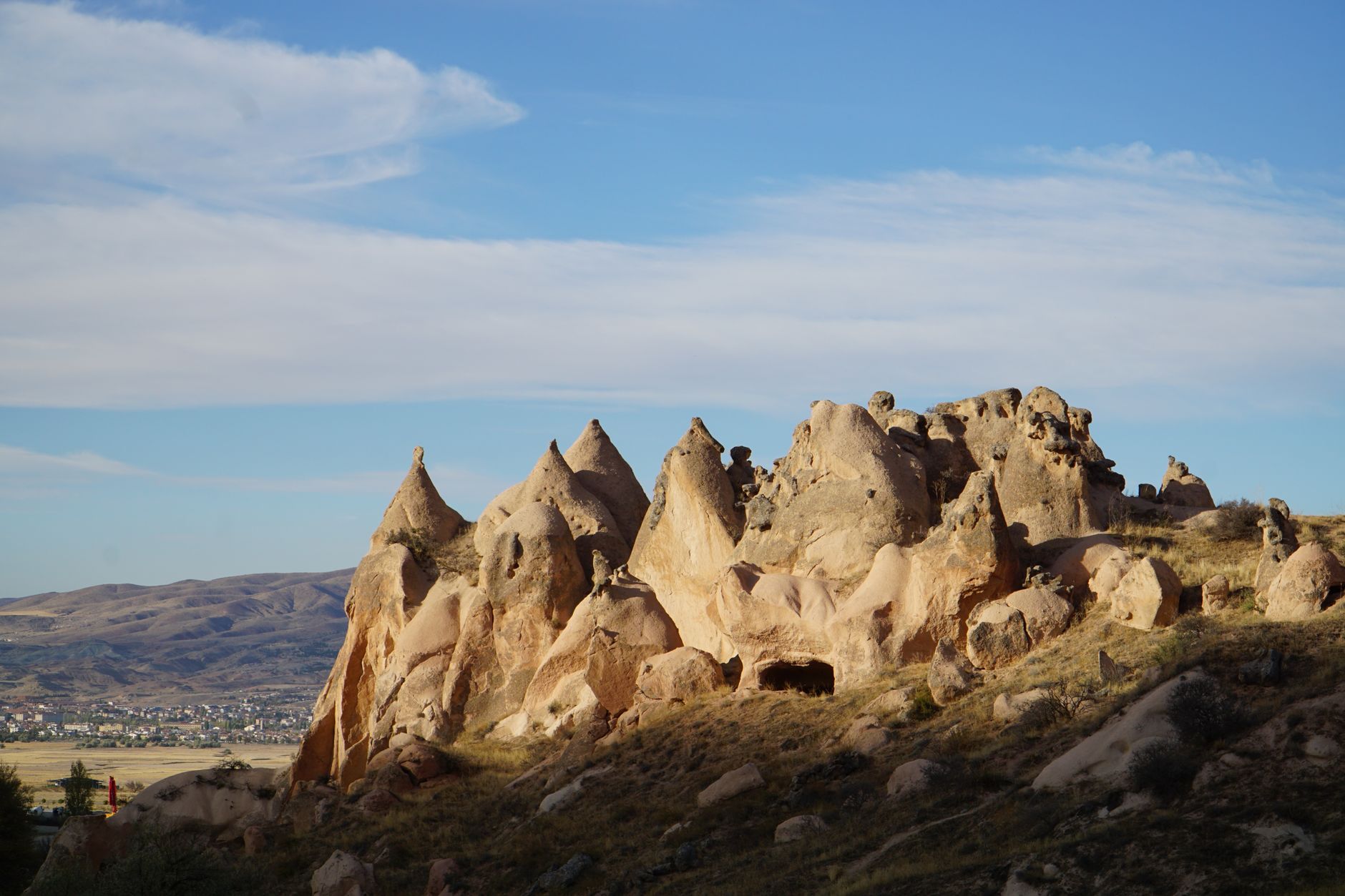
Less crowded than Göreme, Zelve Valley is a dramatic landscape of pointed cones and cave dwellings once home to a thriving Christian community. The valley's churches are smaller and more intimate, often carved directly into the fairy chimneys. The Church of the Cross (Haçlı Kilise) and the Fish Church (Balıklı Kilise) feature simple but evocative frescoes, including a rare depiction of Christ's baptism with a fish—a symbol of early Christian faith.
Zelve was inhabited until 1952, when erosion forced residents to relocate. Walking its paths, you can almost hear the echoes of liturgical chants. The site is open daily from 8:00 AM to 6:00 PM (summer) and 8:00 AM to 4:30 PM (winter). Entry is around 300 TL. The terrain is uneven, so wear sturdy shoes.
Photography tips: The best light in Zelve is in the late afternoon, when the sun bathes the cones in golden hues. For interior frescoes, use a wide-angle lens to capture the cramped spaces. A tripod is allowed but must not block pathways. Avoid flash to preserve the art.
Soğanlı Valley: The Hidden Gem of Byzantine Art
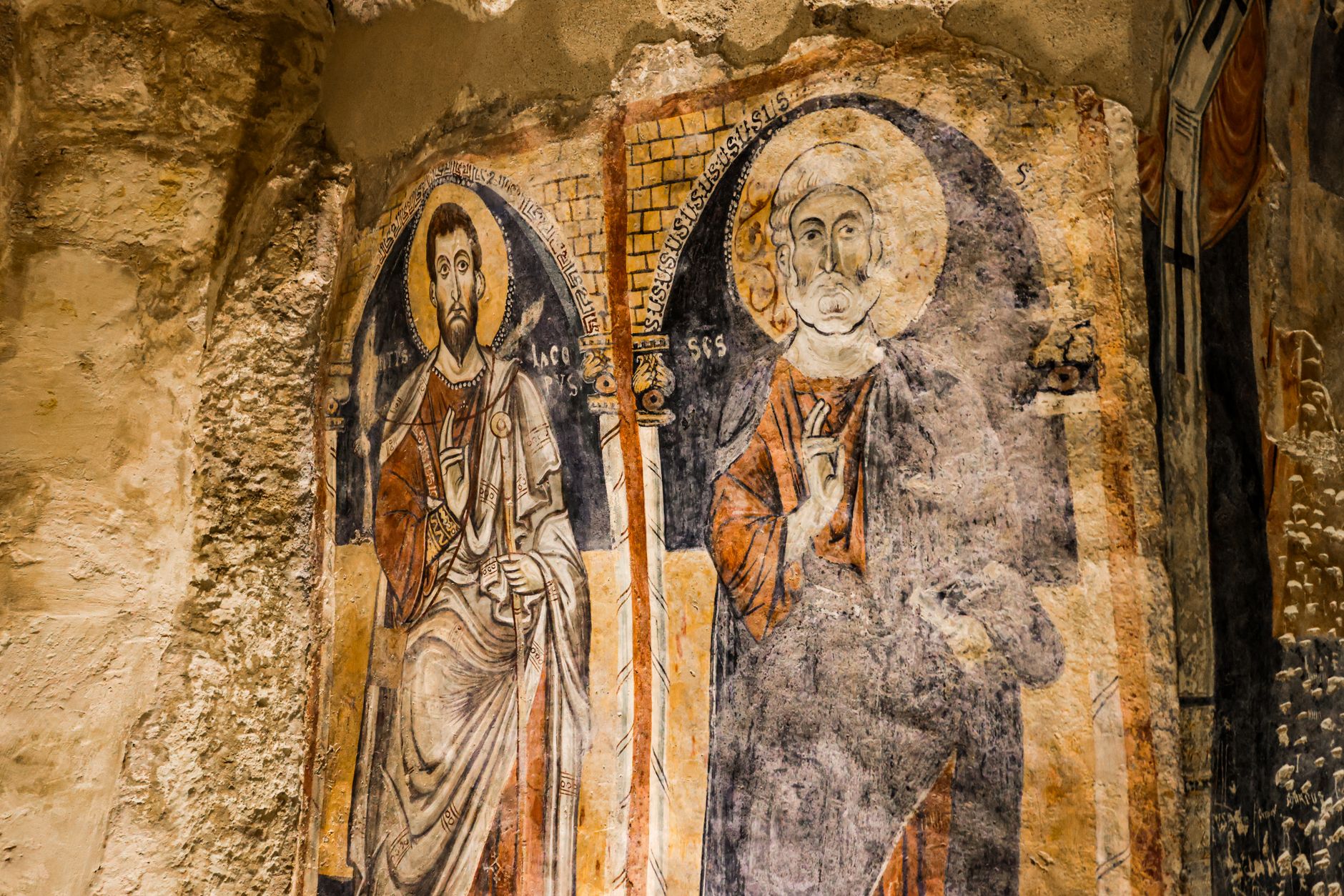
About 80 km south of Göreme, Soğanlı Valley is a tranquil oasis of rock-cut churches and pigeon houses. Its relative isolation has kept it off the main tourist trail, making it perfect for unhurried appreciation. The valley boasts over 30 churches, but the highlights are the Church of the Buckle (Tokalı Kilise)—not to be confused with the one in Göreme—and the Church of the Cross (Haç Kilise), with its stunning 13th-century frescoes of the Deesis and the Last Judgment.
Soğanlı's frescoes show a blend of Byzantine and Seljuk influences, reflecting the region's cultural diversity. The Church of St. Barbara is another treasure, with geometric motifs and scenes from the life of Christ. The valley is open daily from 8:00 AM to 5:00 PM (summer) and 8:00 AM to 4:00 PM (winter). Entry is about 200 TL. There are few facilities, so bring water and snacks.
Best morning light: Arrive early (8–10 AM) to catch soft, angled light that illuminates the frescoes without harsh shadows. The lower churches receive direct morning sun, making their colours glow. Afternoon light is better for the upper churches. Photography is allowed in most churches, but look for posted signs—some may restrict it.
The Role of Guides: Bringing Stories to Life
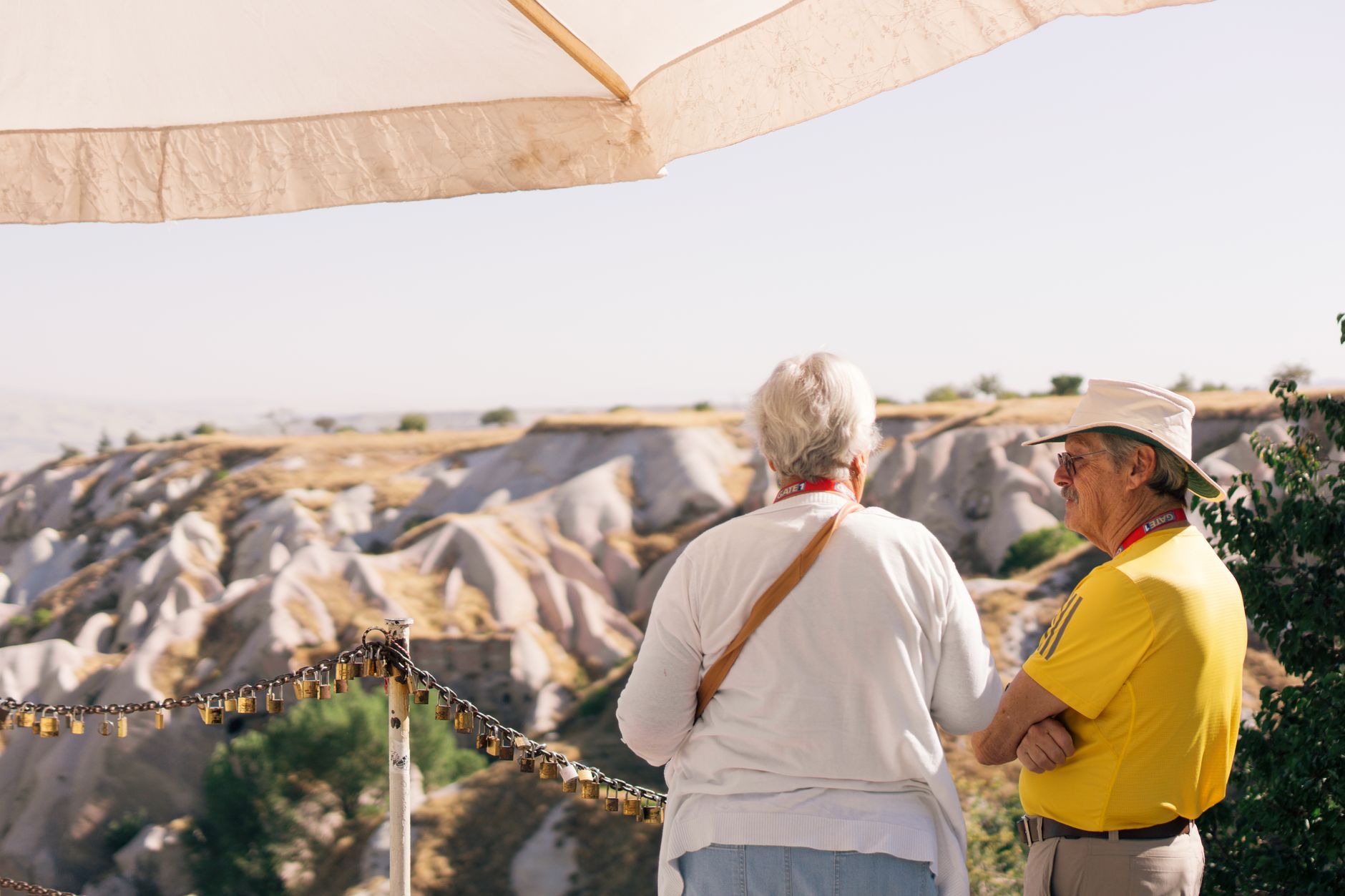
While you can admire the frescoes on your own, a licensed guide transforms the experience. They decode the iconography: why Christ is shown with a cross-halo, what the placement of saints signifies, and how the stories of the Bible were visual sermons for a largely illiterate congregation. Guides also share the history of the Byzantine Empire, the Seljuk conquest, and the eventual abandonment of these communities.
Many guides are locals whose families have lived in Cappadocia for generations. They know the hidden churches not on the standard tour and can arrange access to locked sites. They also ensure respectful behaviour—lowering voices, not touching the walls, and avoiding flash. For art lovers, a guide's commentary deepens appreciation of the theological and artistic nuances, making the frescoes not just paintings but windows into a lost world.
Consider hiring a guide for a half-day or full-day tour. Prices vary, but expect around 1,500–2,500 TL per group. Ask your hotel or a reputable agency to recommend a certified guide.
Respectful Visiting and Preservation
These churches are fragile monuments. Frescoes are susceptible to damage from flash photography, touching, and even breathing. Follow these guidelines:
- No flash photography. Use high ISO and steady hands.
- Do not touch the walls or frescoes. Oils from skin cause irreversible damage.
- Keep voices low. These are sacred spaces, even if no longer active.
- Stay on marked paths. Erosion is a constant threat.
- Do not bring food or drinks inside.
- Respect any barriers or locked doors. Some areas are closed for conservation.
By visiting mindfully, you help preserve this heritage for future generations.
Practical Tips for Planning Your Visit
When to go: Spring (April–May) and autumn (September–October) offer mild weather and fewer crowds. Summer can be hot, especially midday, so start early.
Getting there: Göreme is easily accessible from Nevşehir or Kayseri airports. Zelve is a short drive from Göreme, while Soğanlı requires a car or taxi (about 1.5 hours). Public transport is limited, so renting a car or joining a tour is best.
What to bring: Comfortable shoes, a hat, sunscreen, water, and a small flashlight (for dark interiors). A camera with manual settings is a plus.
Combining sites: You can visit Göreme and Zelve in one day, but Soğanlı deserves a separate trip. Many tours combine Göreme with the Underground City of Kaymaklı or Derinkuyu.
Language: English is widely spoken in tourist areas, but learning a few Turkish phrases ("teşekkürler" for thank you) is appreciated.
Conclusion: A Journey Through Time and Art
Cappadocia's cave churches are more than ancient monuments; they are a testament to the enduring power of art and faith. The frescoes of Göreme, Zelve, and Soğanlı offer a rare chance to connect with the people who carved, painted, and prayed in these hidden sanctuaries. With careful planning, a respectful approach, and the insight of a good guide, your visit becomes a profound encounter with early Christian Anatolia. So pack your camera, lace up your shoes, and prepare to be amazed by the luminous stories painted on stone.
Thinking about a trip to Turkey?
Share your contact details and a vetted local expert will follow up with a plan built around you — free, no obligation.