

Why Türkiye Is a Cheese Lover's Best-Kept Secret
When people dream of Turkish food, they usually picture kebabs, baklava, and endless glasses of tea. But travel a few miles off the tourist trail and you'll discover something even more delicious: a living, breathing cheese culture that stretches from the Aegean coast to the high plateaus of Eastern Anatolia. Türkiye produces more than 130 registered varieties of cheese, and most of them never leave the village where they're made.
On a recent journey along what I affectionately call the Türkiye Cheese Trail, I ate white cheese in a sun-drenched courtyard in Ayvalık, watched a shepherd's wife press tulum into a goat-skin sack in the Taurus Mountains, and learned that the best way to understand a Turkish village is to sit down at its table with a slab of cheese and a tulip-shaped glass of çay.
This isn't a trip for the faint of appetite. It's for travelers who want to meet producers, get their hands salty in brine, and bring home a vacuum-sealed treasure. Let's hit the road.
The Big Three: Beyaz Peynir, Tulum, and Kaşar
Beyaz Peynir: The Brined White Cheese
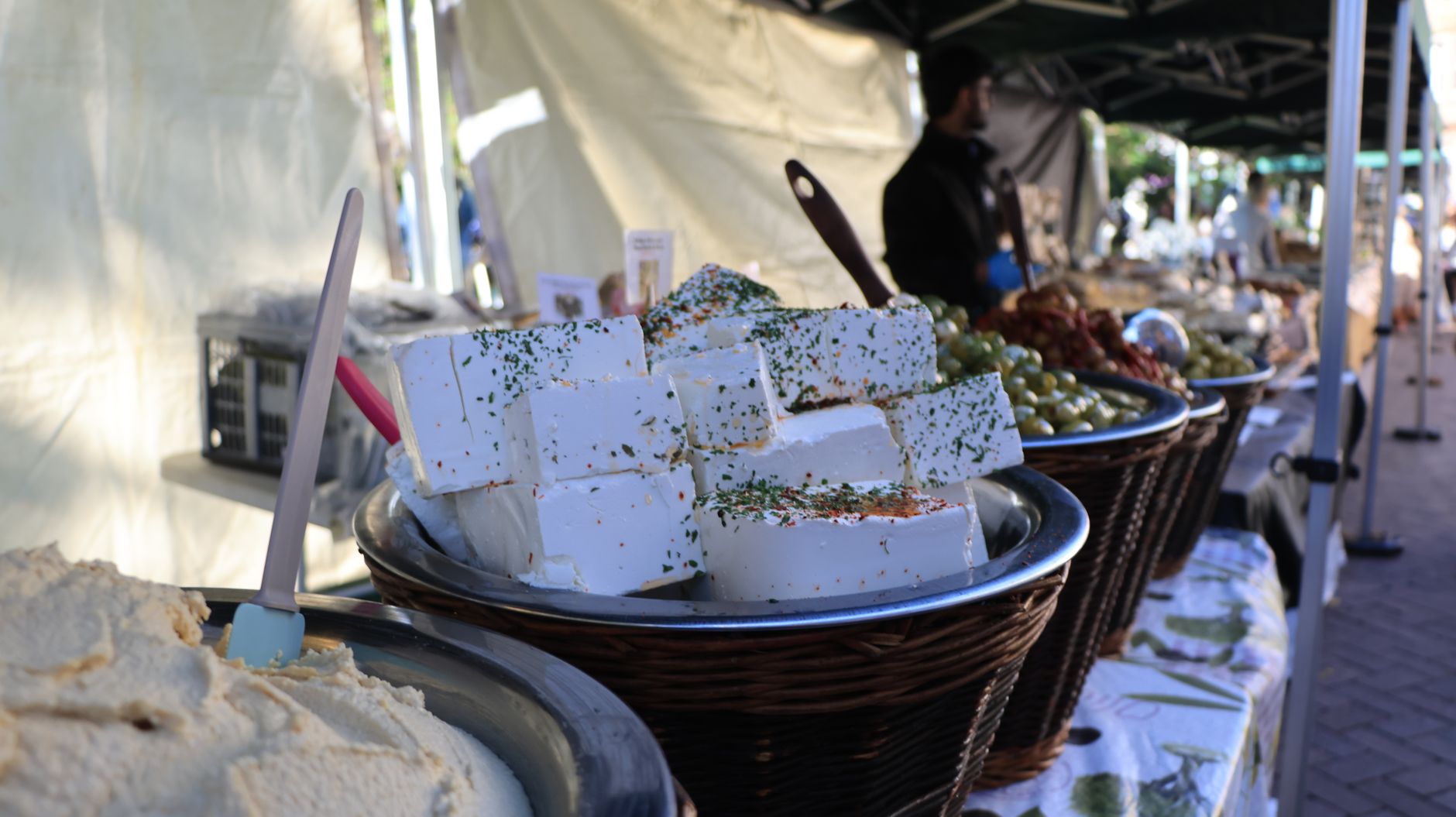
Beyaz peynir ("white cheese") is the cornerstone of every Turkish breakfast. It's a brined cheese, similar to feta but with its own personality—sometimes creamy, sometimes crumbly, always salty and tangy. It can be made from cow, sheep, or goat milk, and each region stamps its own character on it. In the Aegean, it's often softer and milder; in the Marmara region around Balıkesir, it's firmer and sharper.
You'll find it cubed in salads, stuffed into pastries, or simply sliced alongside tomatoes, cucumbers, and olives. For a true taste of place, look for köy peyniri (village cheese)—unpasteurized, handmade, and sold from open-air markets or directly from farmhouse doors.
Tulum: The Mountain Cheese
Tulum peyniri is a different beast entirely. Traditionally made in the Taurus Mountains and throughout Eastern Anatolia, tulum is a semi-hard, crumbly cheese with a sharp, salty, and slightly gamey flavor. It's aged in goatskin bags (tulum means "skin" in Turkish), though today plastic or cloth casings are also common. The result is a cheese that's dense, intense, and absolutely unforgettable.
Erzincan tulum is perhaps the most famous—made from sheep's milk and aged for months, it has a pungent aroma and a crumbly texture that pairs beautifully with fresh bread and strong tea. In Izmir and the Aegean, you'll find a milder tulum, often sliced and grilled.
Kaşar: The Melting Star
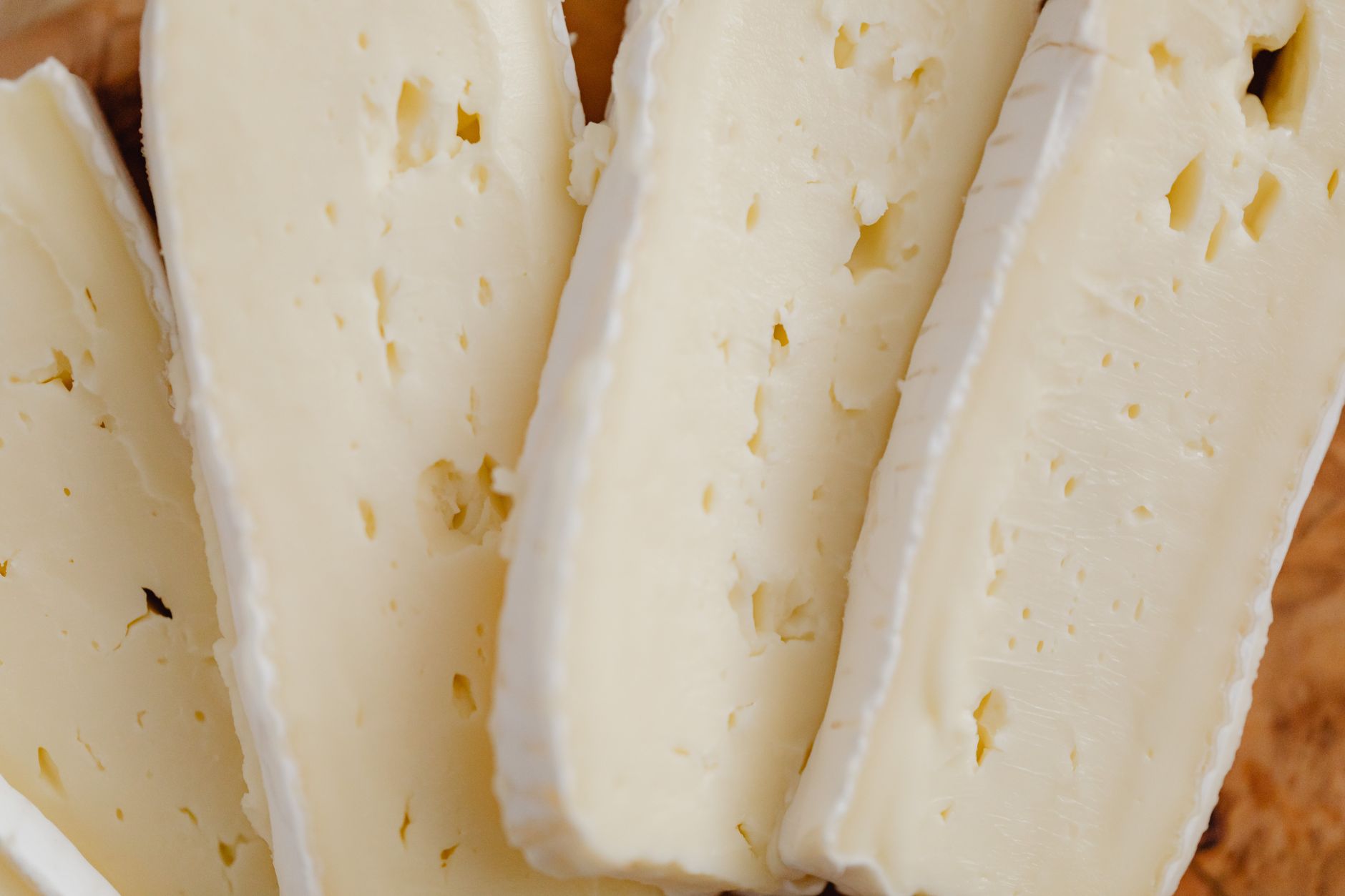
No Turkish cheese plate is complete without kaşar, a yellow, semi-hard cheese similar to cheddar or kashkaval. Fresh kaşar is mild and sliceable; aged eski kaşar is sharper, nuttier, and perfect for grating over pasta or melting in a sandwich. It's the cheese that makes kuşbaşılı pide sing.
Regional Stars Along the Cheese Trail
Aegean and Marmara: Beyaz Peynir Heartland
The Aegean coast is white cheese paradise. In Ayvalık, you'll find small dairies producing creamy, sheep-milk beyaz peynir with a lemony tang. Further north, Balıkesir and Çanakkale are known for their firm, salty white cheeses, often enjoyed with a drizzle of olive oil and a sprinkle of pul biber.
Don't miss Ezine, a town famous for its beyaz peynir made from a mix of sheep and goat milk. The local market is a treasure trove of cheese stalls where producers offer tastes from wooden boards.
Central Anatolia: Tulum and Divle
In Konya and Karaman, tulum rules the roost. But the region also gives us Divle Obruk peyniri, a rare cheese aged in a natural cave in Karaman. It's made from sheep's milk, wrapped in cloth, and left to mature in the cool, humid darkness. The result is a blue-veined, pungent cheese that's a true delicacy.
Further east, in Erzincan and Erzurum, tulum is produced in massive quantities and sold in weekly markets. The Erzurum tulumu is particularly prized for its sharp, salty profile.
Eastern Anatolia: The Wild East of Cheese
Travel to Kars and you'll encounter Kars kaşarı, a firm, yellow cheese aged for months in cellars. It's nutty, slightly sweet, and absolutely addictive. In Van, the local specialty is otlu peynir—a white cheese mixed with wild herbs like thyme, garlic, and mountain greens. It's herbaceous, tangy, and unlike anything you've tasted.
In Diyarbakır, look for örgü peyniri, a braided cheese that's stretched and shaped by hand. It's mild, stringy, and perfect for snacking.
Village Dairy Stops: Where to Meet the Makers
The soul of the Turkish cheese trail isn't in supermarkets—it's in village dairies, known as mandıra or peynirci. These are often family-run operations where you can watch the cheese being made, taste it fresh from the vat, and buy it directly from the producer.
Here are a few unforgettable stops:
- Ayvalık, Balıkesir: Visit the weekly market on Thursday to meet small-scale producers selling sheep-milk beyaz peynir. Ask for tuzlu (salty) or az tuzlu (low-salt) versions.
- Ezine, Çanakkale: The Tuesday market is legendary for its cheese stalls. Look for Ezine peyniri with a protected geographical indication.
- Erzincan: Head to the Kemah district for tulum made in traditional goat-skin bags. Many producers welcome visitors for a impromptu tasting.
- Kars: The Boğatepe village is home to a cheese museum and several dairies producing organic kaşar and tulum. It's a must for serious cheese lovers.
- Diyarbakır: In the historic Sur district, small shops sell braided örgü peyniri and fresh beyaz peynir. Ask for a taste before you buy.
When visiting, always greet the producer with a friendly "Merhaba" and ask about their milk source. Most are proud to share their craft and may offer you tea while you chat.
Market Day Wisdom: How to Buy Cheese Like a Local
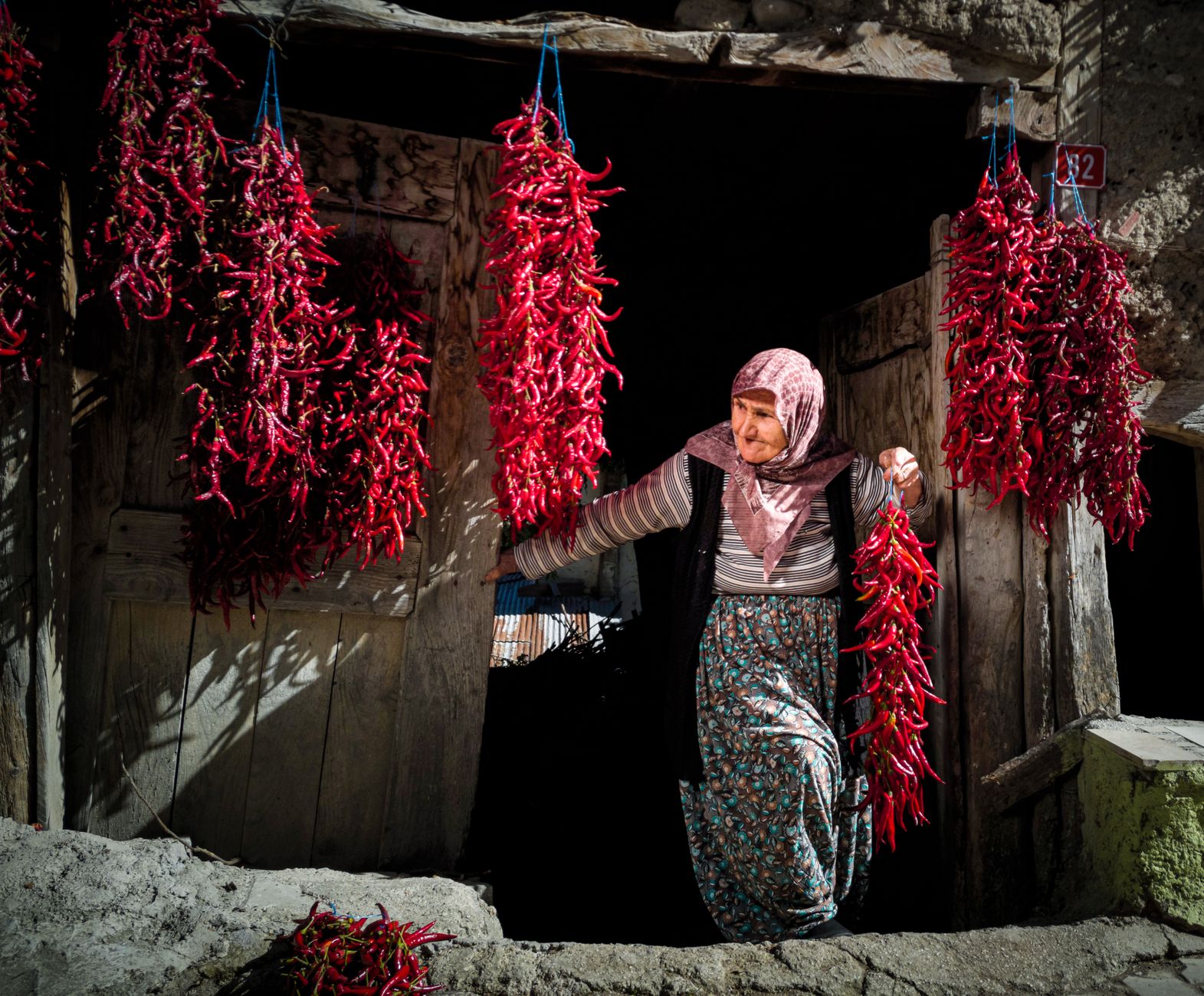
Turkish markets are sensory overload in the best way. To make the most of your cheese shopping, follow these tips:
- Go early: The best cheeses sell out by mid-morning. Arrive when the stalls open for the freshest selection.
- Taste before you buy: It's perfectly normal to ask for a small sample. Say "Tadabilir miyim?" (May I taste it?).
- Bring your own container: Many vendors will wrap cheese in paper, but a reusable container helps keep it intact.
- Ask about milk type: İnek (cow), koyun (sheep), keçi (goat), or karışık (mixed). Sheep and goat cheeses tend to be tangier and richer.
- Check the brine: For beyaz peynir, the brine should be clear, not cloudy. Cloudy brine can indicate spoilage.
- Know your salt levels: Tuzlu means salty, az tuzlu means less salty. If you're watching sodium, ask for the latter.
Payment is usually cash, though some larger stalls accept cards. Bring small bills and a smile.
Storage and Travel Tips: Getting Your Cheese Home
Bringing Turkish cheese home is easier than you think, but it requires a bit of planning.
- Vacuum-seal everything: Ask the producer or a local shop to vacuum-seal your cheese. This prevents leaks and keeps it fresh for weeks.
- Keep it cool: If you're traveling for more than a few hours, invest in a small cooler bag with a gel pack. Most cheese can survive a day of travel if kept cool.
- Check customs rules: Many countries allow hard cheeses but restrict soft, unpasteurized ones. Tulum and kaşar are usually fine; beyaz peynir may be subject to scrutiny. Always declare your food items.
- Store properly at home: Keep beyaz peynir in its brine in the refrigerator. Tulum should be wrapped in wax paper and stored in a cool, dark place or fridge. Kaşar can be wrapped in plastic and refrigerated.
- Freeze if needed: Hard cheeses like kaşar and tulum freeze well for up to three months. Thaw in the fridge before eating.
Remember: the best cheese is shared. Buy a little extra to gift to friends—they'll thank you forever.
How to Taste a Proper Turkish Cheese Plate with Tea
A Turkish cheese plate is a ritual, not just a snack. Here's how to build and enjoy one:
- Choose 3-5 cheeses: Include a white cheese (beyaz peynir), a tulum, a kaşar, and perhaps a flavored cheese like otlu peynir or a braided örgü.
- Add accompaniments: Fresh tomatoes, cucumbers, olives, walnuts, and a drizzle of olive oil. A sprinkle of pul biber (red pepper flakes) adds a gentle kick.
- Serve with bread: A crusty sourdough or fresh pide is essential. Tear, don't cut—it's more authentic.
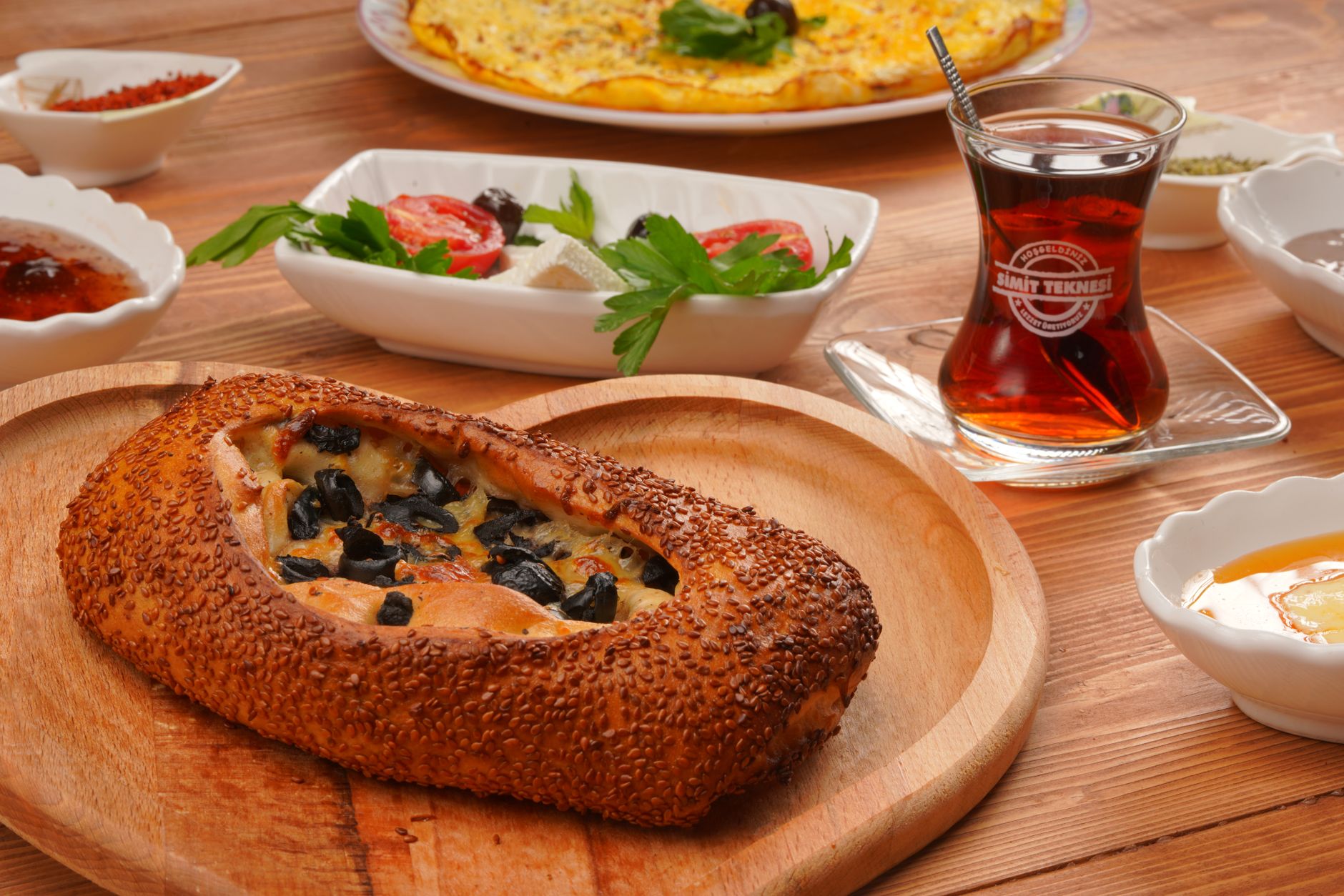
- Brew strong tea: Turkish çay is served in small tulip glasses. It should be strong, hot, and slightly bitter to cut through the saltiness of the cheese.
- Taste in order: Start with the mildest cheese (kaşar), move to the white cheese, then the tulum, and finish with the most pungent one. Sip tea between bites.
- Take your time: A proper cheese plate is meant to be lingered over, ideally with good conversation and a view of the sea or mountains.
In villages, you'll often be offered cheese with reçel (jam) or pekmez (grape molasses)—a sweet-savory combination that's surprisingly delicious.
Final Bites: A Journey Worth Taking
Türkiye's cheese trail is more than a culinary adventure—it's a way to connect with the land and its people. Every cheese tells a story of migration, tradition, and the simple joy of sharing food. Whether you're haggling at a bustling market in Ezine or sitting on a wooden stool in a mountain village, you'll leave with a fuller stomach and a warmer heart.
So pack your appetite, bring a cooler bag, and set off. The cheeses of Türkiye are waiting—and they're eager to meet you.
Thinking about a trip to Turkey?
Share your contact details and a vetted local expert will follow up with a plan built around you — free, no obligation.