

Why Türkiye's Aegean Coast Is a Camper's Dream
Türkiye's Aegean coastline stretches for hundreds of kilometres, from the wind-swept shores near Çanakkale down past İzmir, Kuşadası, and the Bodrum Peninsula. What makes it so special for campers is the sheer variety: pine forests rolling right down to pebble coves, hidden bays accessible only by boat, and long sandy beaches backed by family-run campgrounds. The sea here is famously clean and calm, warming up nicely by late May and staying swimmable well into October.
Unlike the crowded resort strips of the Mediterranean, the Aegean often feels more laid-back and local. You'll find campsites where the owner brings you fresh figs in the morning, and glamping spots where the linen sheets and espresso machine would rival a boutique hotel. The region also enjoys a reliable breeze in summer, which keeps even the hottest afternoons comfortable under canvas or an awning.
Thanks to Türkiye's excellent intercity bus network and affordable car rentals, reaching these coastal camps is easier than you might think. Most are within a two-hour drive of an airport, and many sit directly on the shoreline, so you can roll out of your tent and into the sea before breakfast.
What Is Glamping in Türkiye Really Like?
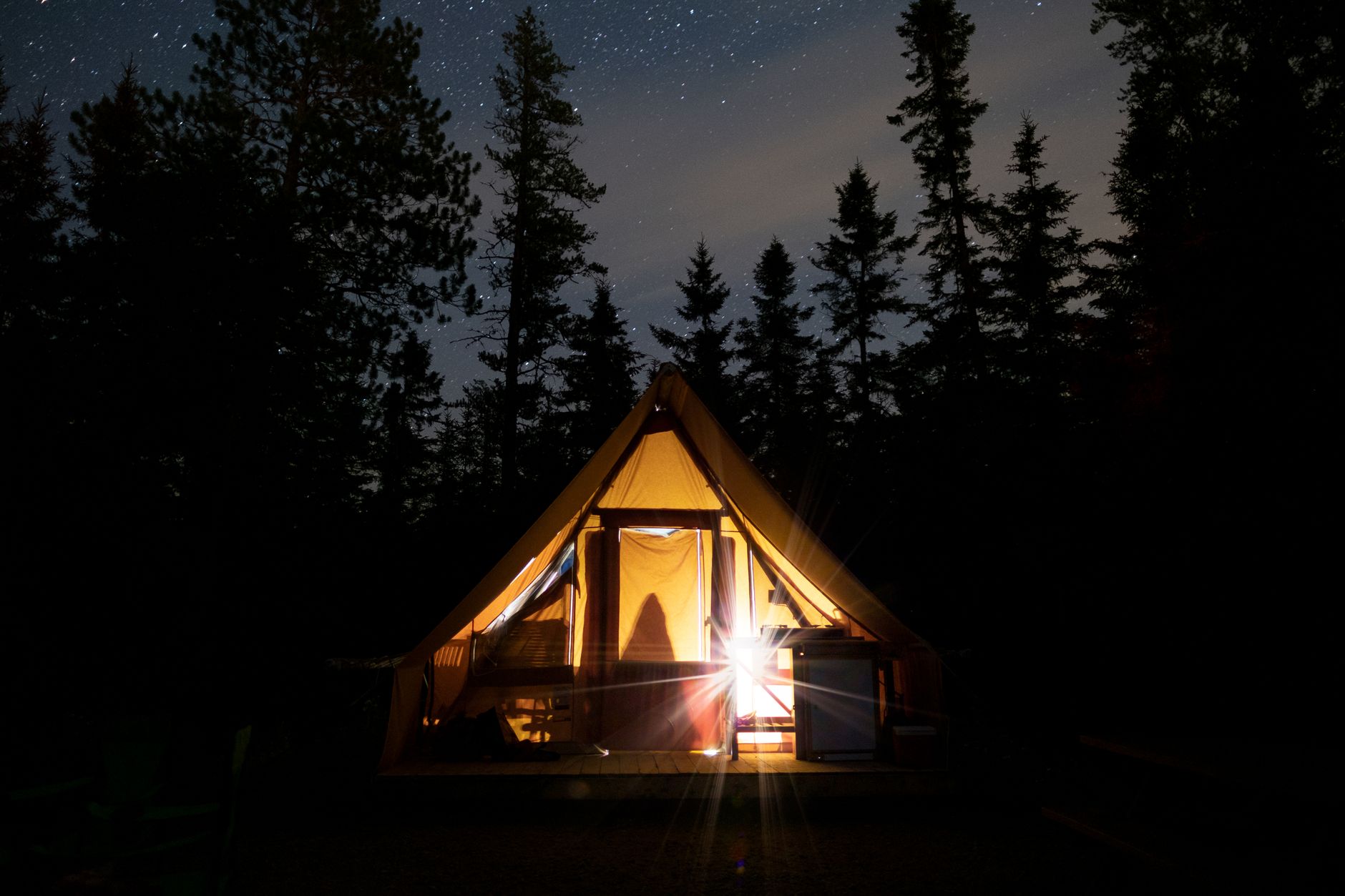
Glamping has exploded in popularity across Türkiye over the past few years, especially along the Aegean and Mediterranean. The term covers everything from luxurious safari tents with real beds and en-suite bathrooms to stylish wooden bungalows and geodesic domes perched on cliffs. At the higher end, you'll find air conditioning, private plunge pools, and chef-prepared meals. At the more modest end, expect a comfortable bed, electricity, and a shared but spotless bathroom block.
It's honest to say that glamping in Türkiye is not always the polished, Instagram-perfect experience you might see online. Some family-run operations are still finding their feet, and amenities can be simpler than advertised. But that's part of the charm. The best places make up for any rough edges with warm hospitality, stunning locations, and a genuine sense of escape.
Most glamping sites operate seasonally, roughly from April to October, with peak prices in July and August. Booking ahead is essential in high season, especially for weekends when locals flock to the coast. If you're flexible, late September and early October offer the sweet spot: warm sea, quiet beaches, and lower rates.
Top Aegean Glamping and Camping Spots
One of the most beloved areas is the Datça Peninsula, a pine-covered finger of land between the Aegean and Mediterranean. Here you'll find eco-friendly campsites tucked into olive groves, some with direct access to quiet bays. The vibe is bohemian and relaxed, popular with Turkish families and independent travellers alike.
Further north, the Çeşme and Alaçatı region offers a mix of upscale glamping resorts and simple beach camps. Alaçatı itself is a charming town of stone houses and bougainvillea, and many campsites are just a short drive from its famous windsurfing beaches. If you want to combine camping with a bit of culture, this is a great base.
For something wilder, head to the Gulf of Gökova, where boat-access-only camps and glampsites cling to the mountainside. The water here is impossibly clear, and the sunsets are legendary. On the Mediterranean side, the area around Fethiye and Ölüdeniz has a huge range of options, from busy family campgrounds to secluded treehouse-style glamping.
Amenities: What to Expect at Turkish Coastal Camps
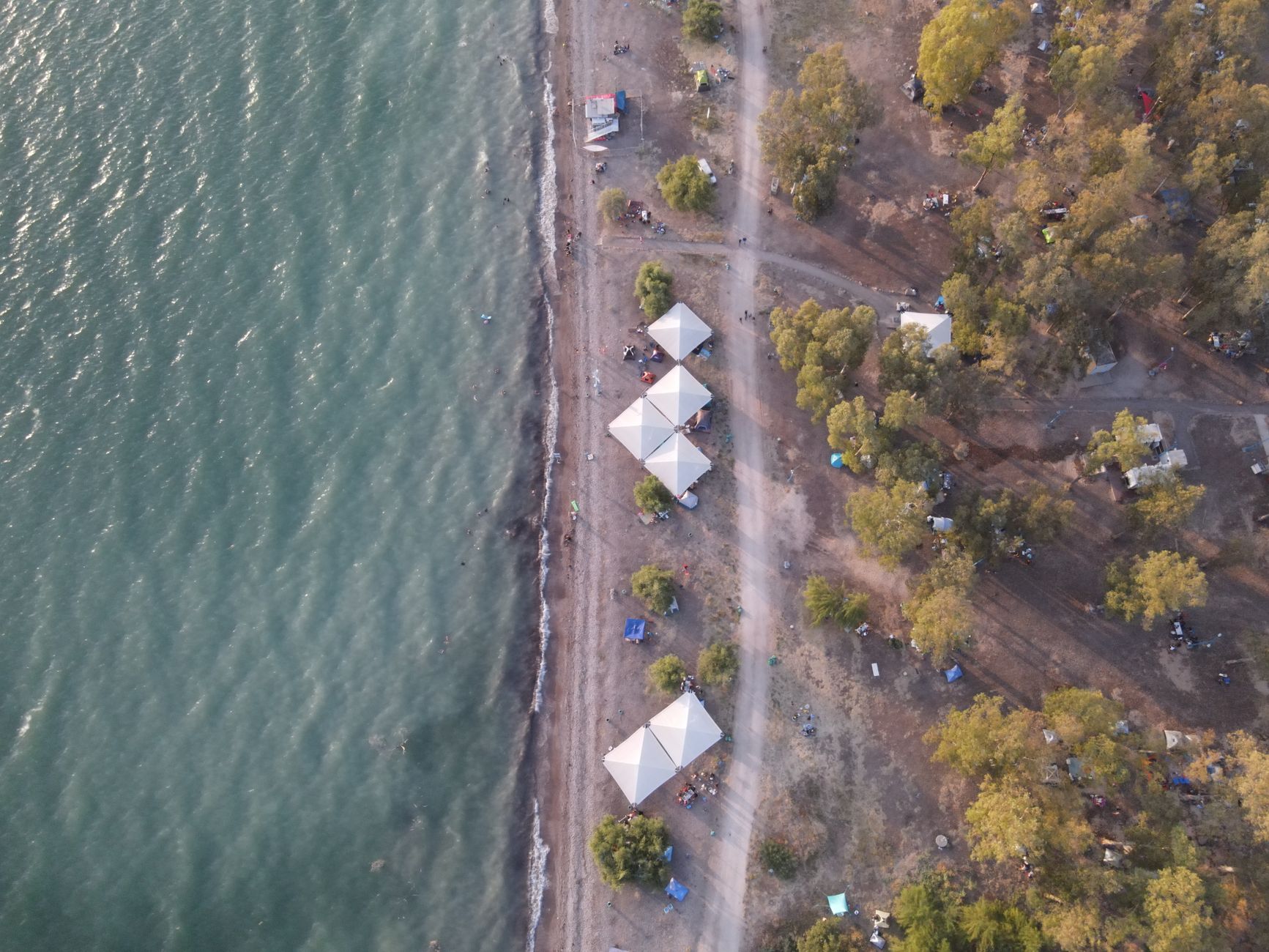
Standards vary widely, so it pays to check the details before you book. Basic campgrounds typically offer shared toilets and showers (often with hot water), a communal washing-up area, and electricity points. Many have a small market, a café, and direct beach access. Some also rent out tents, caravans, or simple bungalows if you don't have your own gear.
Glamping sites generally step things up with private bathrooms, comfortable beds, air conditioning or fans, and sometimes a minibar or breakfast basket. Pools are common at mid-range and higher-end places, as are yoga decks, kids' play areas, and evening bonfires. Wi-Fi is usually available but can be patchy in remote locations—embrace the digital detox.
It's worth noting that not all campsites accept credit cards, so carry some cash for extras. Also, while many places speak some English, learning a few Turkish phrases goes a long way and is always appreciated.
Family-Friendliness: Is It a Good Choice for Kids?
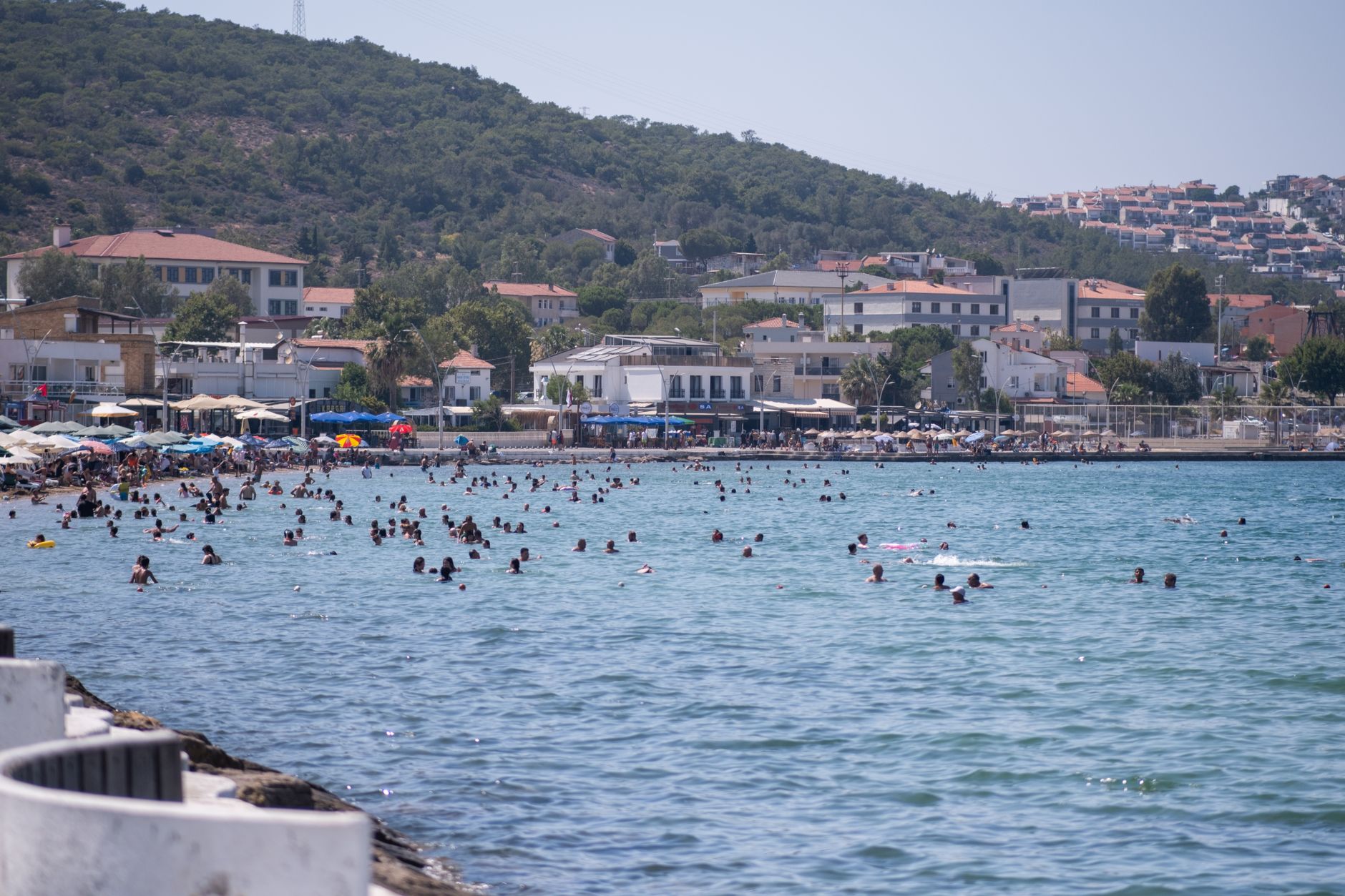
Absolutely. Turkish coastal camps are wonderfully family-oriented. Kids can roam freely, make friends, and spend entire days in the sea. Many campsites have shallow-entry beaches, playgrounds, and organised activities like movie nights or nature walks. The laid-back atmosphere means no one minds a bit of noise or sand tracked into the tent.
That said, parents should keep an eye on little ones near rocky coves and strong currents, especially on windier days. Lifeguards are not guaranteed at smaller camps, so swim with your children. For babies and toddlers, glamping with a private bathroom and air conditioning can make life much easier than a traditional tent.
Teenagers tend to love the water sports on offer—windsurfing, kayaking, paddleboarding—and the social scene at larger camps. Many places also offer shaded areas and quiet zones for those who want to nap or read.
Pricing: How Much Does It Cost?
Prices vary by location, season, and level of comfort. As a rough guide, a pitch for a tent or campervan at a basic Aegean campsite costs around 300–600 TL per night in high season, often including two adults and a vehicle. Electricity and extra guests may cost a little more. Glamping tents or bungalows typically range from 1,500 TL to 4,000 TL per night, with luxury options going higher.
In shoulder season (May, June, September, October), you can often find discounts of 20–40%. Many campsites also offer weekly rates. It's always worth asking directly—especially if you're staying multiple nights—as deals are common.
Food and drinks at campsite restaurants are usually reasonably priced, but cooking your own meals can save a lot. Local markets in nearby towns sell excellent fresh produce, cheese, and olives, perfect for a seaside picnic.
Practical Tips for Sleeping Near the Sea
First, consider the wind. The Aegean is famous for its summer meltemi winds, which can be refreshing but also strong enough to flatten a poorly pitched tent. Choose a sheltered spot and use good-quality pegs. A shade tarp or awning is essential for daytime relaxation.
Second, book ahead for July and August, and always confirm the cancellation policy. Some campsites require a deposit via bank transfer, which can be tricky from abroad—ask if they accept payment on arrival.
Third, pack for comfort: reef shoes for rocky beaches, a good torch, insect repellent, and layers for cooler evenings. And don't forget a reusable water bottle—tap water isn't always drinkable, but refill stations are increasingly common.
Finally, respect the environment. Many of these beautiful spots are fragile, so take your rubbish with you, avoid single-use plastics, and follow any local rules about fires. By doing so, you'll help keep Türkiye's coastline magical for years to come.
Thinking about a trip to Turkey?
Share your contact details and a vetted local expert will follow up with a plan built around you — free, no obligation.