
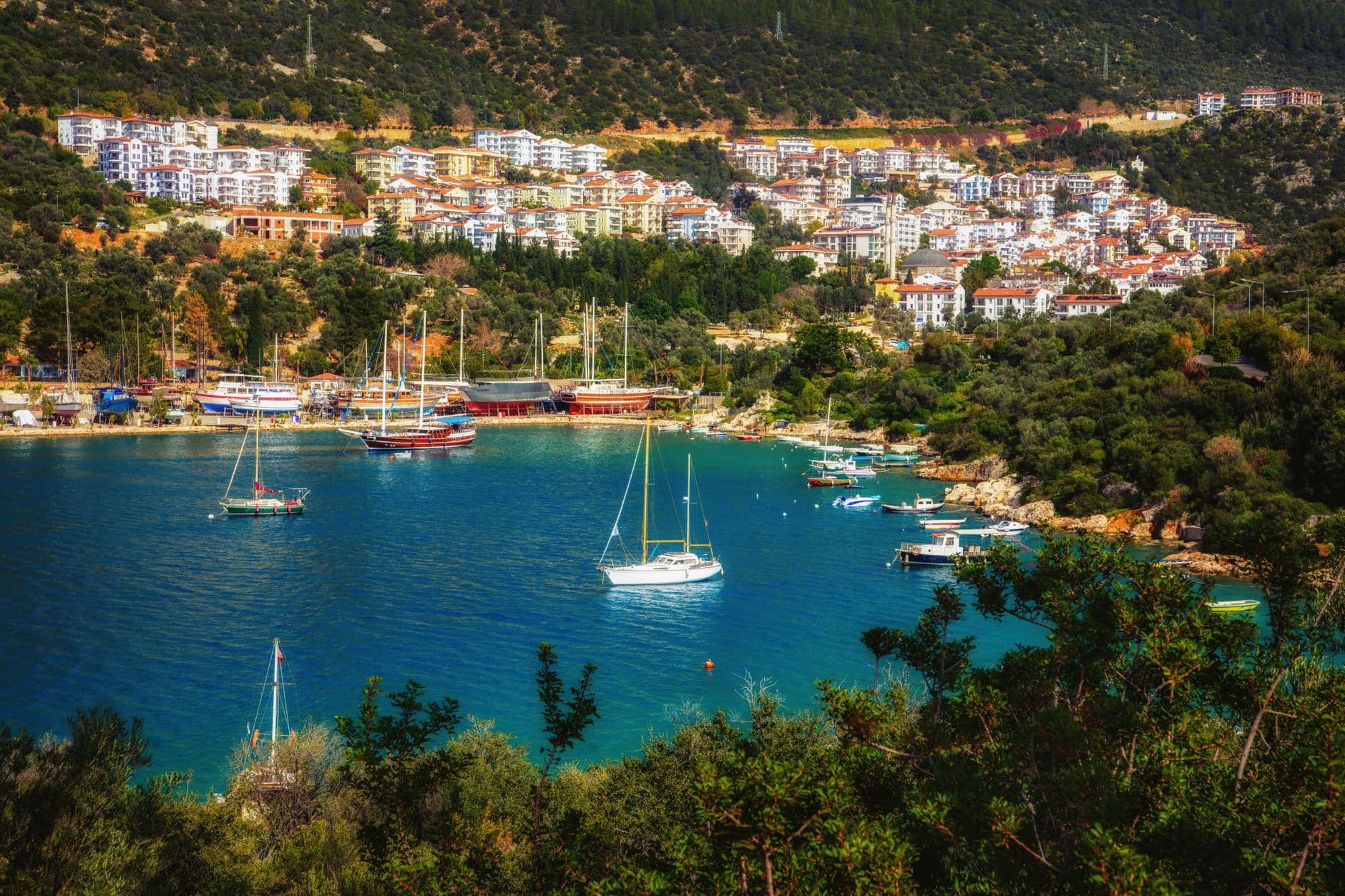
Why Türkiye Is a Secret Paradise for Casual Cyclists
Mention cycling holidays and most people picture steep Alpine passes or gruelling mountain-bike trails. Türkiye quietly offers the opposite: hundreds of kilometres of gentle shoreline where the road or path hugs the Aegean and Mediterranean coast, the gradient rarely troubles anyone, and a swim or a glass of çay is never more than a few minutes away. For families with children, weekend riders and anyone who simply wants to pedal at talking pace, this is a genuinely underrated destination.
The appeal is not just the terrain. Turkish coastal towns are compact and welcoming, cafés spill onto pavements, and drivers in resort areas are used to seeing visitors on two wheels. Rental shops in the main holiday towns have grown used to foreign cyclists and can usually supply helmets, child seats and well-maintained city bikes. And because Türkiye's tourist season is long, you can ride comfortably from April through October, with May, June, September and October offering the sweetest combination of warm sunshine and gentle temperatures.
What follows is a practical guide to the easiest, most scenic coastal cycling paths — the kind you can enjoy in trainers and cotton shorts, with a picnic in a handlebar basket. For broader seasonal planning, our guide to the best time to visit Türkiye will help you choose your window.
The Route Network at a Glance: Short, Flat and Family-Friendly
Unlike long-distance touring routes that demand panniers and logistics, the rides below are designed around day trips: mostly 10–25 kilometres of flat or gently rolling coastline, with a town at each end and regular places to stop. Many sections are shared promenades closed to cars, while others follow quiet back roads or purpose-built cycle lanes alongside beaches.
- Kaş to Limanağzı peninsula loop — around 8–12 km of low-traffic lanes and coastal track with swimming coves en route.
- Fethiye's Çalış Beach promenade to the lagoon — a flat 6–10 km each way, ideal with children, with ice-cream stops at both ends.
- Side to Manavgat riverside — roughly 12 km of level riding through ancient streets and citrus groves.
- Alanya's harbour and Mahmutlar waterfront — 20 km of mostly flat seafront path with a cable-car option for tired legs.
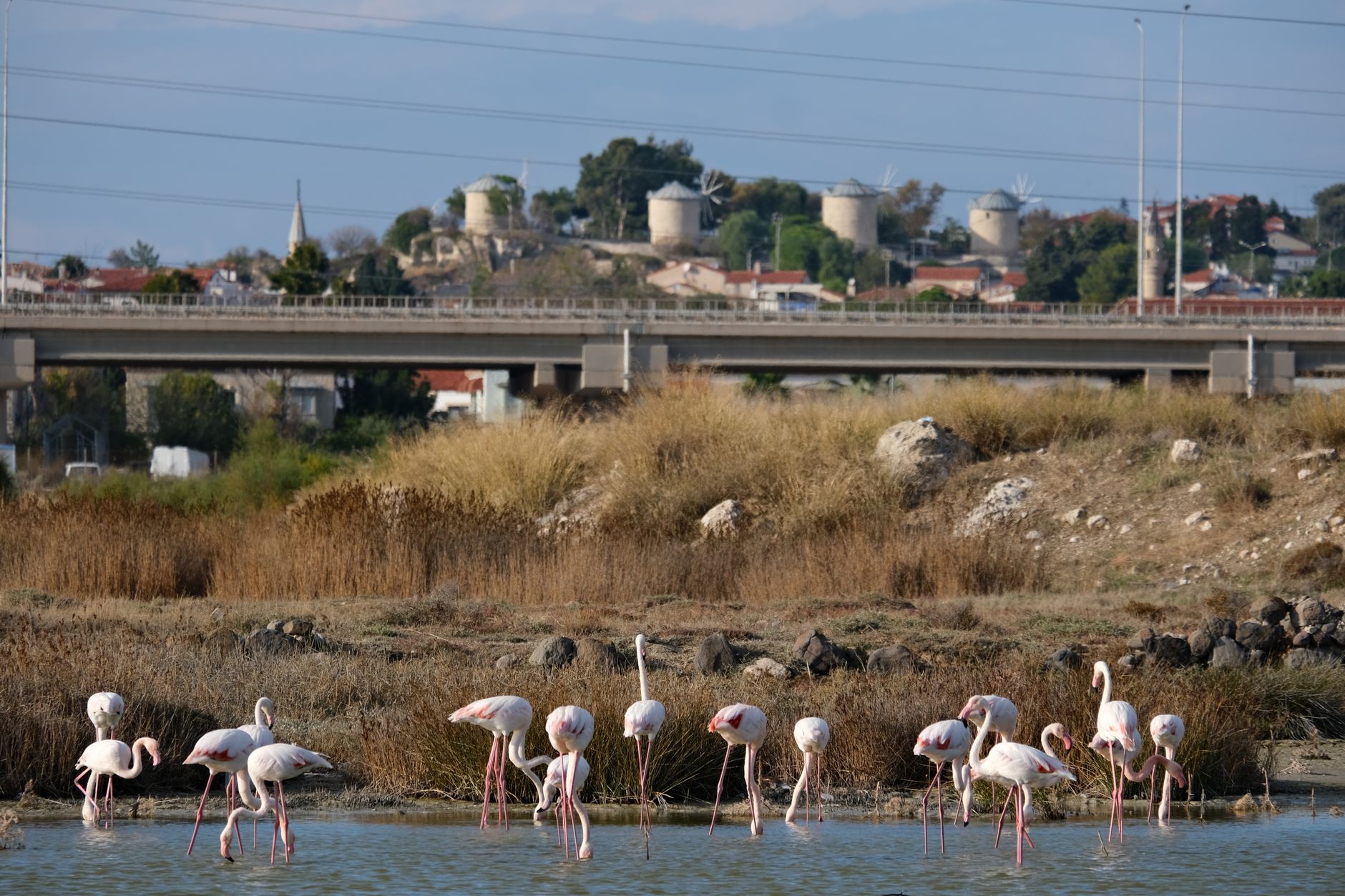
- Çeşme peninsula's Alaçatı loop — 15–20 km of quiet lanes past windmills, vineyards and beaches.
- Bodrum to Gümüşlük — approximately 20 km one way, rolling but never steep, ending in a famous sunset.
These aren't the only options, of course. Wherever you base yourself on the Aegean or Mediterranean, locals can point you to a promenade or a farm road that fits the bill. Our destination guides cover the coastal towns where these rides begin.
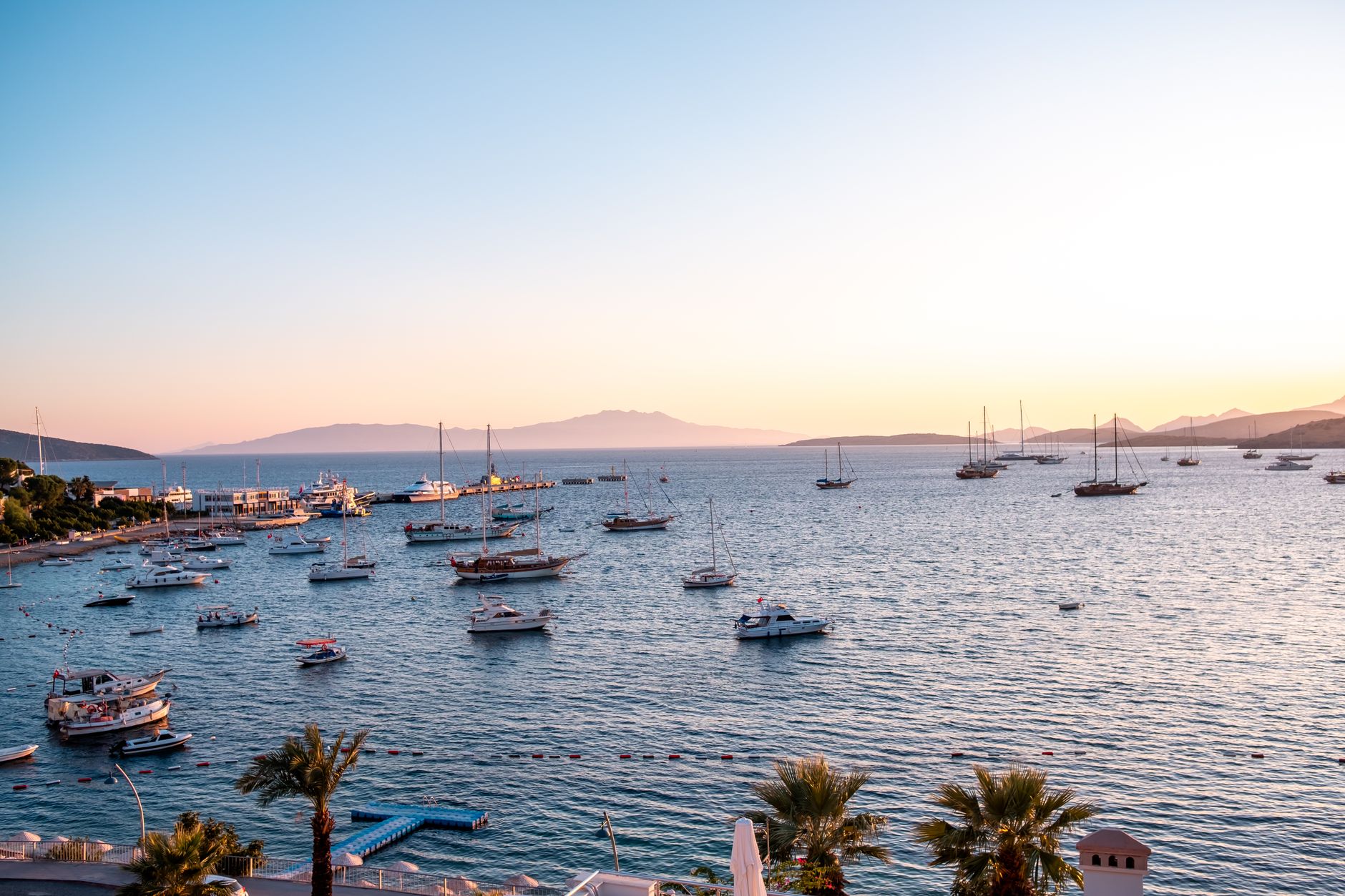
Bodrum to Gümüşlük: Fishing Villages and Sunset Views
This is the classic Turkish coastal day ride, and despite a few gentle rises it remains entirely manageable for a modest fitness level. You leave Bodrum's marina behind, follow the shoreline past Gümbet and Ortakent, and roll through low hills dotted with bougainvillea and olive trees. The road undulates rather than climbs, so an easy gear and a relaxed pace are all you need.
The reward at the end is Gümüşlük, a fishing village where the ruins of ancient Myndos lie half-submerged in the shallows and simple restaurants serve grilled fish a few metres from the water. Plan to arrive in the late afternoon, swim from the small beach, and stay for the sunset — one of the most celebrated on the Aegean. Return by the same road at dusk with lights, or arrange a taxi transfer for the bikes if you'd rather not ride back.
Bike rental in Bodrum and Gümbet is easy to find in summer, with city bikes and hybrid models from around 200–400 Turkish lira per day; book ahead in high season and insist on a helmet and working lights if you'll be out after dark. The full distance of roughly 20 km one way is best treated as a half-day outing with long pauses.
Kaş and the Turquoise Coast: Coves, Swimming and Tiny Lanes
Kaş is arguably the friendliest small cycling base on the Mediterranean. The town itself is compact and flat, and the peninsula road toward Limanağzı offers a loop of about 8–12 km with almost no traffic once you leave the centre. Along the way you pass small coves where the water is startlingly clear, and the views across to the Greek island of Meis accompany much of the ride.
The beauty of this area for leisure riders is that you can make the ride as short as you like. Pedal 20 minutes to the first cove, swim, ride 20 minutes further, eat lunch, and turn back whenever the children have had enough. There is no pressure to complete a set distance, and the terrain never punishes you for extending the outing. For families, this flexibility is worth more than any dedicated cycle route.
Rental shops around the harbour rent sturdy city bikes and e-bikes, often with child seats. Given the heat in July and August, set out before 10 a.m. or after 4 p.m., carry at least two litres of water per person, and remember that the limestone paths reflect sunlight strongly — hats and high-factor sunscreen are essential rather than optional.
Fethiye, Side and Alanya: Promenades Made for Families
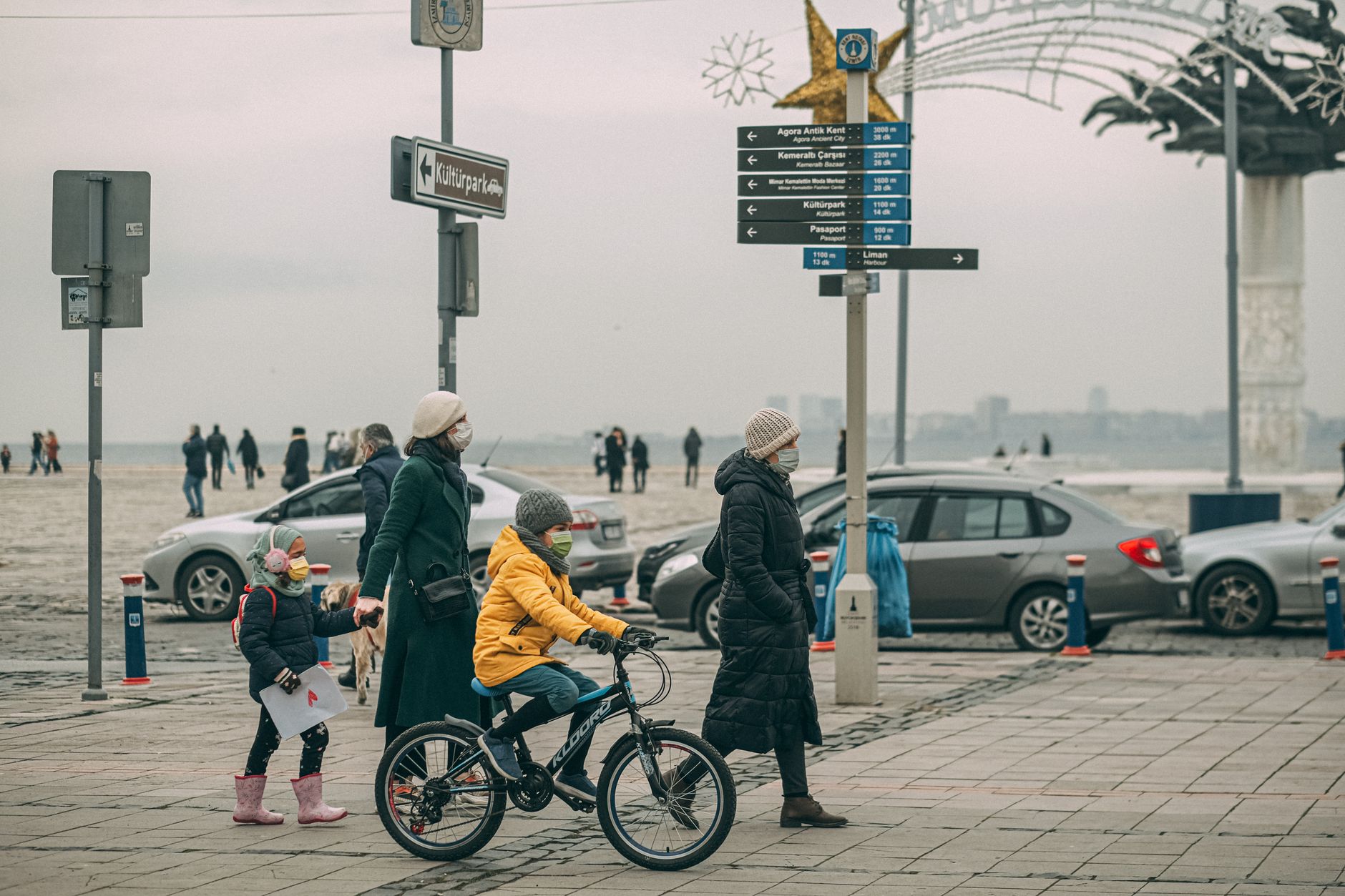
Fethiye's Çalış Beach promenade is perhaps the easiest introduction to Turkish coastal cycling you could ask for: a flat, paved path running behind the beach for several kilometres, with playgrounds, cafés and shallow water along the way. Children can ride confidently, and the lagoon at the northern end is a lovely reward. A round trip of 12–20 km is well within reach of most families.
On the southern coast, Side offers a very different but equally gentle experience. Riding away from the ancient theatre and colonnaded streets, you cross level ground toward the Manavgat river, passing citrus groves and pomegranate gardens. The route is short — around 12 km — and the reward is a riverside tea garden where you can watch boats and turtles.
Alanya's seafront path stretches east toward Mahmutlar for roughly 20 km, almost entirely flat, with beach access and regular refreshment stands. Because it is a popular promenade, speeds are low and the atmosphere is social rather than sporty, which is exactly the point. If the return leg feels long, the cable car or a short taxi ride solves the problem.
Çeşme and Alaçatı: Windmills, Vineyards and Quiet Lanes
The Çeşme peninsula west of Izmir has become synonymous with stylish summer holidays, but it also hides some of the region's loveliest easy cycling. Quiet lanes lead between Alaçatı's stone houses, old windmills and a string of beaches, forming loops of 15–20 km that feel miles away from traffic. The terrain is gently rolling, and the constant sea breeze — the reason windsurfers flock here — keeps riders cool even in midsummer.
Base yourself in Alaçatı or Çeşme and rent a bike locally; several shops offer hybrids and e-bikes with delivery to your hotel. Plan a loop that takes in a beach stop at Ilıca, a coffee in Alaçatı's old town, and a detour to one of the small fishing harbours. The ride is short enough to combine with a leisurely lunch, which is how coastal cycling in Türkiye is meant to be enjoyed.
Winds matter here: a stiff afternoon meltemi can turn an easy ride into hard work. Check the forecast, ride out into the wind and return with it at your back, and choose e-bikes for less confident members of the group.
Renting a Bike: What to Expect and How to Choose
Bike rental is widespread in holiday areas, with typical rates of 150–400 Turkish lira per day for a city or hybrid bike, more for e-bikes and child trailers. Quality varies enormously. Before you pay, check brakes, tyres, gears and bell, and make sure the saddle height is adjusted to your leg length — a badly fitted bike turns a flat ride into an unnecessarily tiring one. Ask for a helmet and, for families, a properly fitted child seat or trailer.
Where possible, rent from a shop that offers roadside assistance or a replacement bike, and take a photo of the rental agreement and the bike's condition. Carry a small pump, a spare tube and a basic repair kit if you are heading beyond town, and note the shop's phone number. If you're travelling with your own bikes, our travel tools section covers practical logistics for trips like this.
E-bikes are transforming coastal cycling for mixed-ability groups: a single battery-assisted machine lets a grandparent or a teenager keep pace effortlessly, and many Turkish rental shops now stock them in family-friendly models.
Safety, Sun and Local Etiquette
Turkish coastal roads are generally calm, but they are not car-free outside the promenades. Ride on the right, use lights at dusk, and be visible; where there is no designated lane, ride single file on busy stretches and make eye contact with drivers at junctions. Watch for scooters, stray cats and sudden potholes in older towns, and give way to pedestrians on shared promenades, where a friendly bell is appreciated.
The sun is the biggest hazard. Ride early or late, drink water before you feel thirsty, and remember that shade is scarce on open shoreline. A light long-sleeved layer protects shoulders better than sunscreen alone, and children should wear hats and take frequent breaks.
Hospitality is part of the experience: a shopkeeper may wave you down for tea, a farmer may point out a shortcut, and a beach café will happily fill your water bottle. Accept these kindnesses, learn a few words of Turkish, and ride with the relaxed rhythm the coast invites. To plan your days around these routes, browse our itineraries and consider a tailored plan through our trip planner. Above all, ride slowly, swim often, and let the sea views do the rest.
Thinking about a trip to Turkey?
Share your contact details and a vetted local expert will follow up with a plan built around you — free, no obligation.