

There is a particular kind of magic in Türkiye's old cities that never makes it onto a postcard. It waits behind an unassuming door, at the end of a narrow alley, or through an archway you might walk past a hundred times without noticing. It is the quiet courtyard garden—a shaded pocket of green where a fountain drips, cats doze on warm stone, and someone inevitably offers you a glass of çay. These spaces are free, unhurried, and gloriously uncommercial, and they reward the traveler who is willing to wander without a map.
This guide celebrates those secret green corners and atmospheric passageways. It is written for the curious: the traveler who would rather sit under a fig tree in a hidden han than queue for a museum ticket. In Türkiye, hospitality is not a service—it is a reflex. Step into a courtyard, and you are a guest. The rest unfolds on its own.
Why Türkiye's Hidden Courtyards Matter
Turkish urban life has always been oriented inward. In the traditional Ottoman house, the street facade was modest, even plain, while the interior opened onto a private garden—a hayat or avlu—where family life, cooking, and conversation took place under the sky. This inward-facing logic shaped entire neighborhoods. Mosques, hans (inns), medreses, and hamams all wrapped themselves around courtyards, creating a rhythm of cool shade and sudden quiet behind busy streets.
For the modern traveler, this means that some of the most beautiful places in a Turkish city are invisible from the road. A carved stone doorway in Beyoğlu might open onto a vine-draped tea garden. A crumbling passage off a Gaziantep bazaar might lead to a restored courtyard with copper workshops and a fountain. The best discoveries cost nothing at all.
There is also a deeper pleasure here: these spaces invite you to slow down. Türkiye's old cities are loud, generous, and full of life—but their courtyards are where the country keeps its stillness. Sit for twenty minutes, order a tea, and you will begin to understand a rhythm of life that predates tourism by centuries.
Istanbul: Wandering Beyoğlu's Hidden Passages
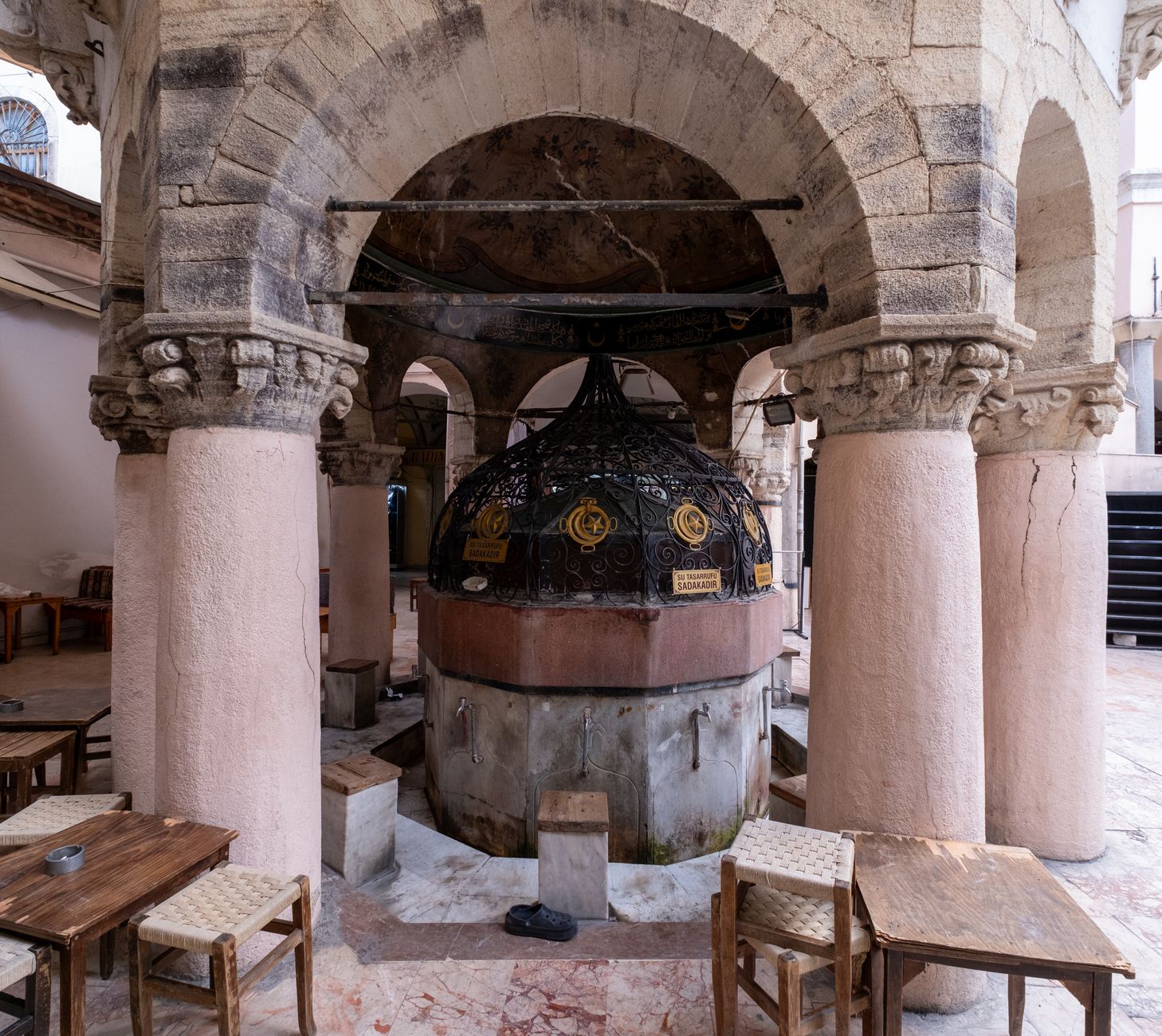
Beyoğlu is the classic starting point for anyone who loves urban secrets. Behind the noise of İstiklal Caddesi lies a labyrinth of pasajlar—19th-century passageways lined with bookshops, stamp dealers, tiny cafés, and ateliers. Look for the ornate entrances; a few steps in, the crowd noise fades as if a door had closed.
Some passages—like the famous Çiçek Pasajı and Hazzopulo Pasajı—are well known, but dozens more remain quiet. Hazzopulo, in particular, hides a leafy courtyard tea garden where you can sit beneath a canopy of vines with students, retirees, and chess players. Order a Turkish coffee and watch the afternoon drift by. It is one of the city's great free pleasures.
Beyond the passages, keep an eye out for mosque courtyards. The courtyard of the Süleymaniye Mosque, with its arcades and old trees, offers shade, benches, and one of the finest views over the Golden Horn—all for free. Smaller neighborhood mosques, tucked into the fabric of districts like Balat and Fener, often have tiny gardens where locals sit and chat between prayers.
A tip for wanderers: follow the cats. In Istanbul, cats know where the quiet, shaded, and kindly places are. If you see several cats lounging contentedly in an alley, there is usually a courtyard garden just around the corner.
Gaziantep's Old Town: Courtyards, Hans, and Copper Alleys
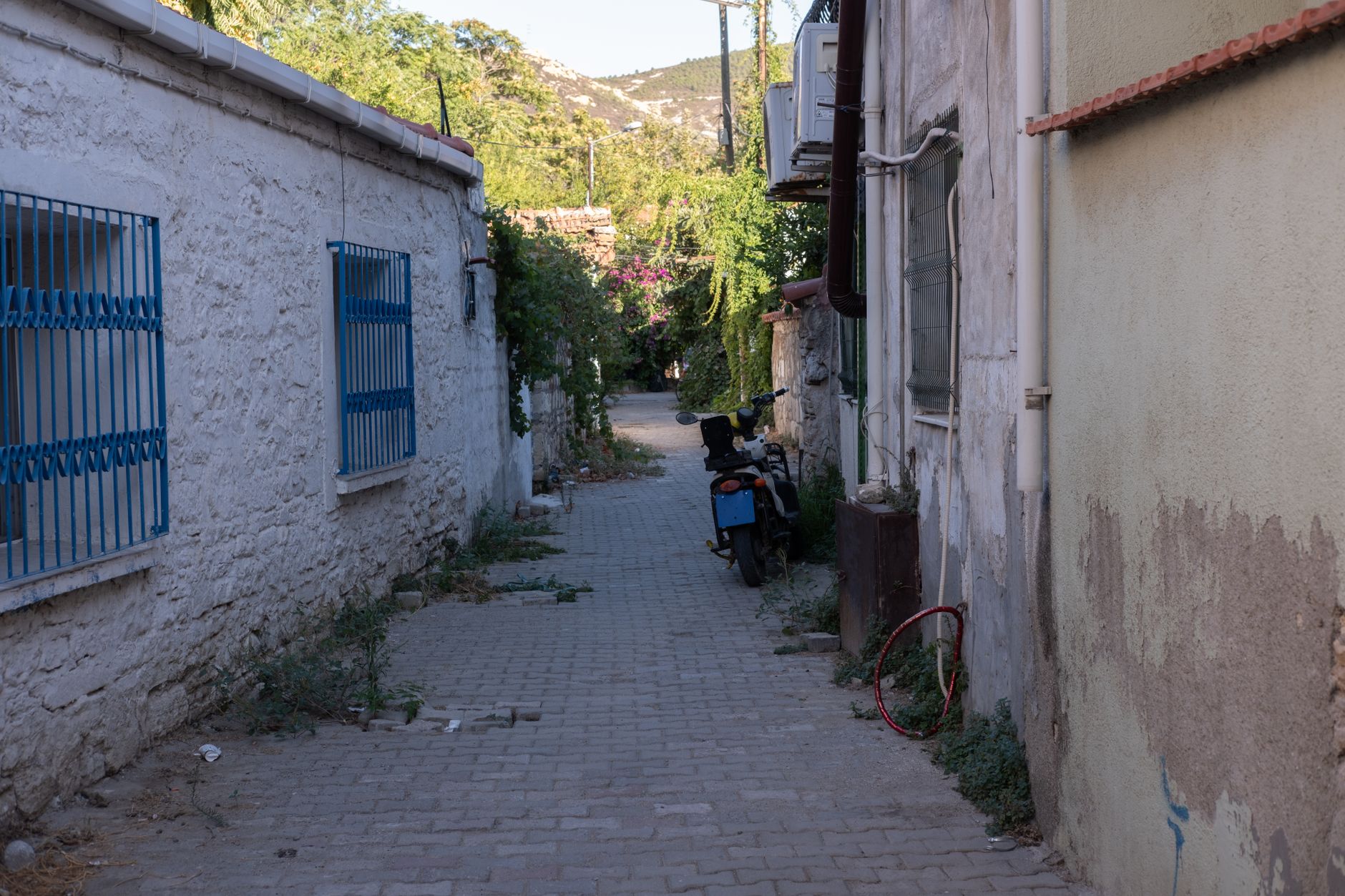
Gaziantep, in southeastern Türkiye, is famous for its cuisine, but its old town hides another treasure: a dense network of restored hans and courtyard buildings where you can wander for hours. The historic Zincirli Han and neighboring hans once sheltered caravans; today their courtyards host tea gardens, artisan workshops, and the occasional impromptu conversation with a copper smith.
Walk through the old bazaar district behind the Emine Göğüş Mutfak Müzesi and you will find alleys lined with stone walls, wooden shutters, and doors that open onto greenery. Many courtyards are open to the public without charge—you are welcome to sit, sip tea, and simply exist.
Gaziantep's courtyard culture is strongly tied to hospitality. It is not unusual for a shopkeeper to invite you into an inner courtyard, pour you tea, and ask where you are from. Accept graciously. These are the moments travelers remember long after the landmarks blur together.
If you are hungry—and in Gaziantep you should be—many of these hidden courtyards conceal small restaurants serving lahmacun, kebabs, and baklava. Eating in a shaded courtyard, surrounded by stone and greenery, transforms a simple meal into something memorable.
Antakya: A Historic Quarter of Gardens and Stone
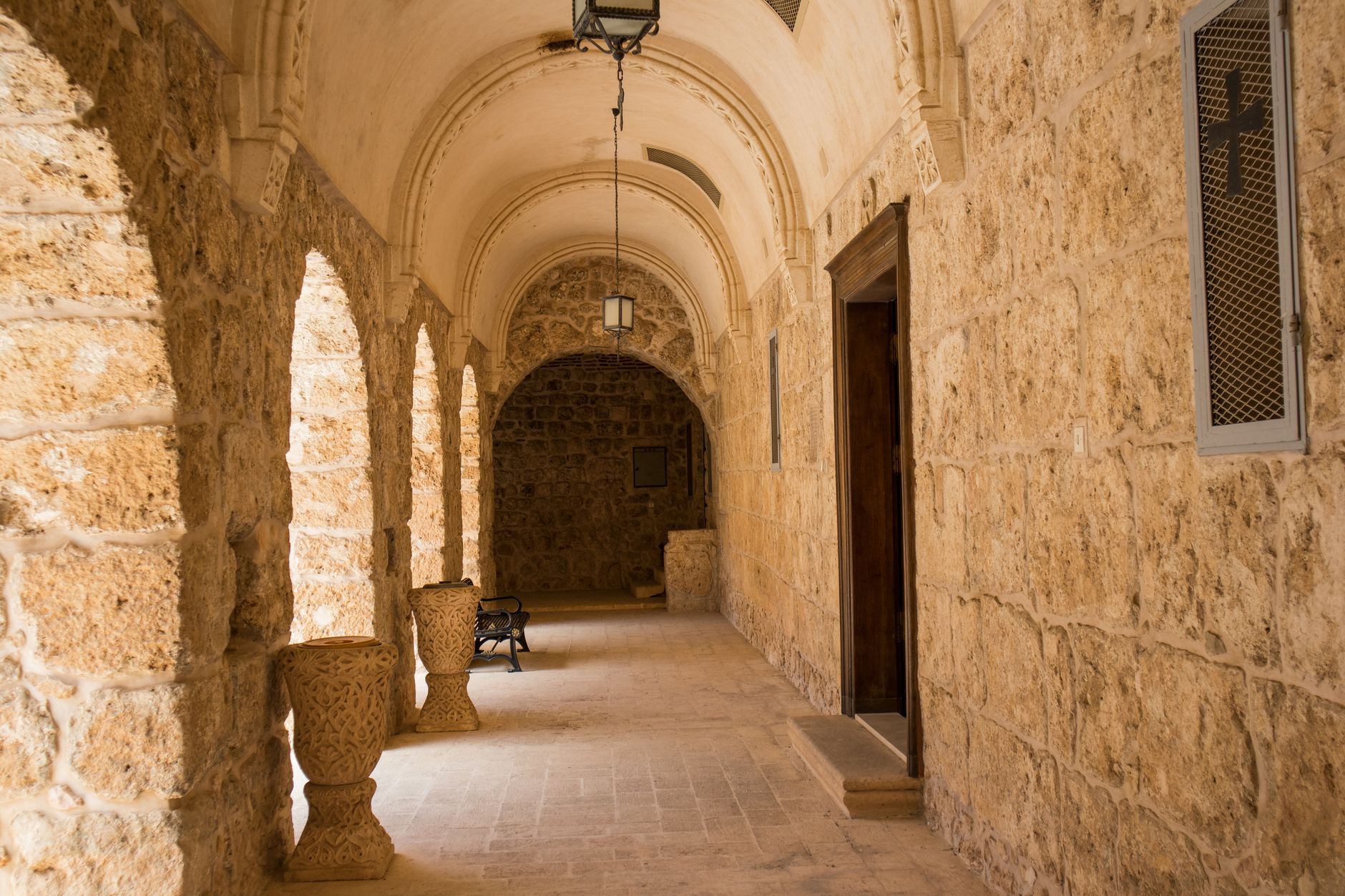
Antakya, ancient Antioch, has long been a city of layered cultures—Roman, Byzantine, Arab, Ottoman—and its old quarters reflect that richness. Narrow streets wind between stone houses, and behind many facades lie courtyard gardens planted with citrus, pomegranate, and jasmine. The scent alone is worth the walk.
The Küçük Dalyan area and the old streets around the Habib-i Neccar Mosque reward slow exploration. You will find shaded tea gardens by the Orontes River, modest courtyards where neighbors gather, and passageways that seem to belong to another century. As Antakya rebuilds and heals after recent earthquakes, visiting its old quarters is also an act of solidarity—every cup of tea you drink supports local life.
Antakya's famous cuisine—think künefe, spicy olive salads, and stuffed vegetables—is best enjoyed in these intimate settings. A courtyard table under a grapevine, with a plate of local mezze, is a perfect afternoon.
Hospitality in Türkiye is not a performance; it is a habit of the heart. In a courtyard, you are never a stranger for long.
Other Cities Where Wandering Pays Off
Türkiye is full of cities where stepping off the main street leads to green calm. In Şanlıurfa, the courtyards around the Balıklıgöl complex and the old bazaar offer shaded tea gardens and quiet corners. In Mardin, the stone passageways of the old town open onto terraces with views over the Mesopotamian plain.
In Konya, the courtyards around the Mevlana Museum and the old bazaar district are serene places to pause. In Kayseri, the restored Hunat Hatun complex and its surroundings reward a leisurely walk. Even in Ankara, the old quarter of Hamamönü has restored Ottoman houses with courtyard cafés.
Each city has its own version of the same pleasure: a hidden garden, a passageway, a cup of tea, and time. The pattern is consistent across Türkiye—look for stone arches, wooden doors, and the smell of jasmine or rosewater.
Practical Tips for Courtyard Wanderers
Go slowly and look up. The most beautiful entrances are often above eye level—carved stone, ironwork, or a sign you would miss at street level. Walk without a destination for at least an hour a day.
Respect the space. Many courtyards are semi-private, belonging to a mosque, a family, or a business. If a door is open and people are inside, a polite greeting—merhaba—goes a long way. If it feels private, ask before entering.
Support with small purchases. Ordering a tea or coffee is the easiest way to thank a courtyard for its shade. Prices are usually modest, and the gesture matters.
- Best times: Early morning and late afternoon, when light is soft and locals are out.
- What to bring: Comfortable shoes, a small bottle of water, and patience.
- Language: A few words of Turkish—merhaba (hello), teşekkürler (thanks)—open doors.
- Etiquette: Remove shoes when entering a mosque courtyard or home; dress modestly.
Türkiye's courtyard gardens and hidden passageways are not attractions to be ticked off a list. They are invitations to slow down, to notice, and to accept the hospitality that defines this country. Wander, sit, sip, and let the city reveal itself—one quiet green corner at a time.
Thinking about a trip to Turkey?
Share your contact details and a vetted local expert will follow up with a plan built around you — free, no obligation.