

A Table Worth Crossing the World For
Turkish cooking has always been generous — a table that fills itself with meze before you have even ordered, a tea glass refilled without asking, a baker who slips an extra simit into your bag. Now the world's guides are catching up with what Turkish families have known for generations. Michelin's inspectors and a growing wave of regional and local dining guides have been turning their attention across Anatolia, shining a light on kitchens from the southeast to the Aegean coast.
The result is a map of Türkiye that reads like a menu: smoky kebabs in Gaziantep, green olive oil and wild herbs around Izmir and the Aegean, intricate tasting menus in Istanbul, and humble esnaf lokantası (tradesmen's canteens) finally getting the credit they deserve. For travelers, this is a joyful moment — the country's food culture is more visible, more bookable, and easier to build a whole itinerary around than ever before.
What makes it special is the spirit behind it. Turkish hospitality rarely separates the kitchen from the guest. A starred restaurant in Istanbul may still send out a plate of stuffed vine leaves "on the house," and a village breakfast spread can run to twenty small dishes. Recognition has raised the profile, not the distance between chef and diner.
Gaziantep: The Southeast's Kebab and Baklava Capital
Gaziantep has long been the beating heart of southeastern Turkish cuisine, and its UNESCO Creative City status in gastronomy was only the beginning. The city's kebab houses — some run by families for four or five generations — are now joined by a new generation of chefs plating Antep classics with precision, while the baklava workshops on every other corner remain gloriously, unapologetically traditional.
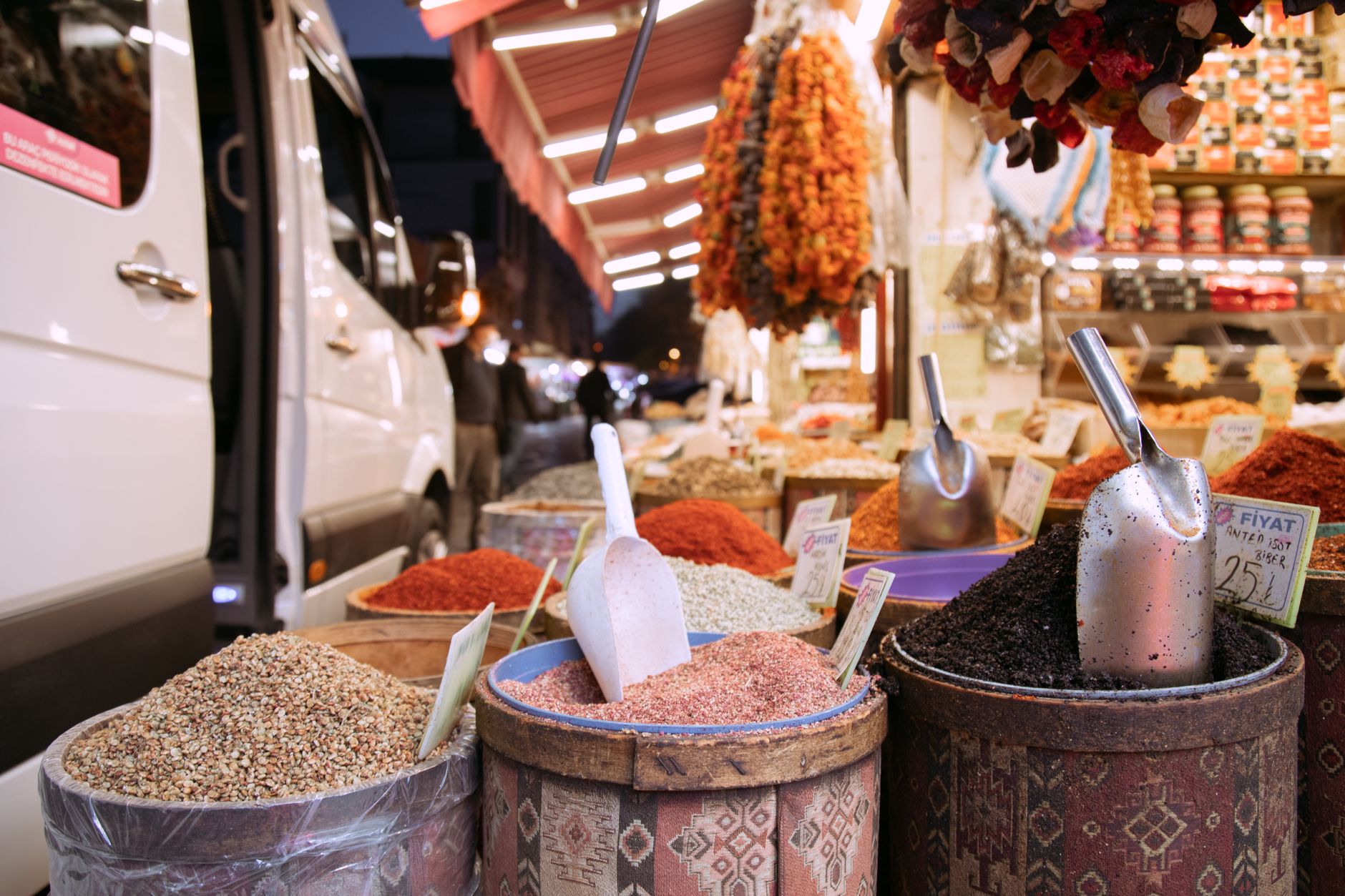
A food-first visit here is best organized around markets. Start at the spice bazaar for isot pepper and dried vegetables, then move to the copperware and pistachio stalls before sitting down for a lunch of lahmacun and kebabs. Many of the city's best-known kitchens sit within walking distance of the old bazaar district, making a market-to-table day effortless.
Practical tip: book dinner reservations for the weekend well ahead, and keep lunch flexible — the smaller, unlisted kebab shops are often the most memorable stop of the trip. If you are combining Gaziantep with other regions, our route ideas can help you stitch together a sensible loop.
Istanbul: Tasting Menus and Old City Flavor
Istanbul remains the country's culinary stage. Michelin-starred and listed restaurants cluster around Karaköy, Beyoğlu and the Bosphorus, where young chefs reimagine Ottoman palace cooking, Aegean herbs and Anatolian grains into multi-course menus. Yet the city's soul still lives in its neighborhood lokantas and meyhanes, where dinner stretches for hours and the raki flows as freely as conversation.
For travelers, the smart play is to pair one splurge tasting menu with several market mornings. The Kadıköy produce market on the Asian side and the spice bazaar in Eminönü on the European side are ideal starting points: wander, taste, buy olives and cheese, then let lunch follow naturally. Many modern Istanbul chefs source directly from these same stalls, so the market visit becomes a behind-the-scenes look at the menu you will eat that evening.
If your schedule is tight, build the food stops around your sightseeing with our sample itineraries — a morning at the bazaar, an afternoon of ferries, and an evening reservation is a near-perfect Istanbul day.
The Aegean: Olive Oil, Herbs and Slow Kitchens
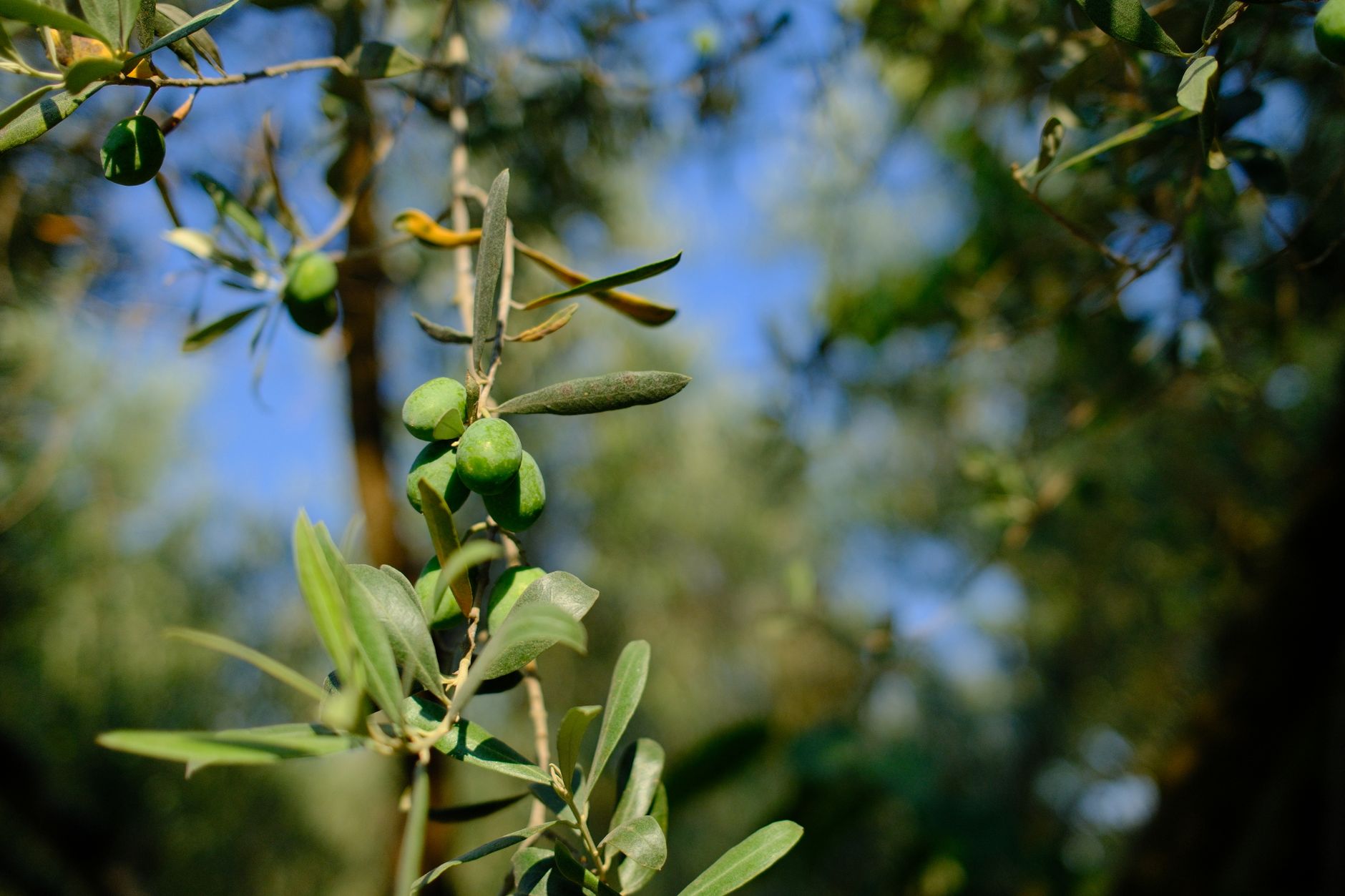
Along the Aegean coast, the story is written in olive oil. From Ayvalık down through Urla, Çeşme and the Bodrum peninsula, restaurants and small producers are earning spots in local and national guides for vegetable-forward cooking: artichokes, wild greens, stuffed zucchini flowers and fish simply grilled over charcoal. Urla in particular has become a food destination in its own right, with vineyard restaurants and olive-oil farms welcoming visitors for tastings.
The best experiences here are often half-day affairs. Visit an olive-oil press in the morning, learn how early-harvest oil is judged, then eat a long lunch of mezes dressed with the same oil. Local markets in coastal towns — many held on specific weekdays — are where chefs shop alongside home cooks, and they are wonderful places to assemble a picnic for the beach.
For guidance on the best months to visit for harvest season and market days, see our timing guide.
How to Build a Market-and-Restaurant Itinerary
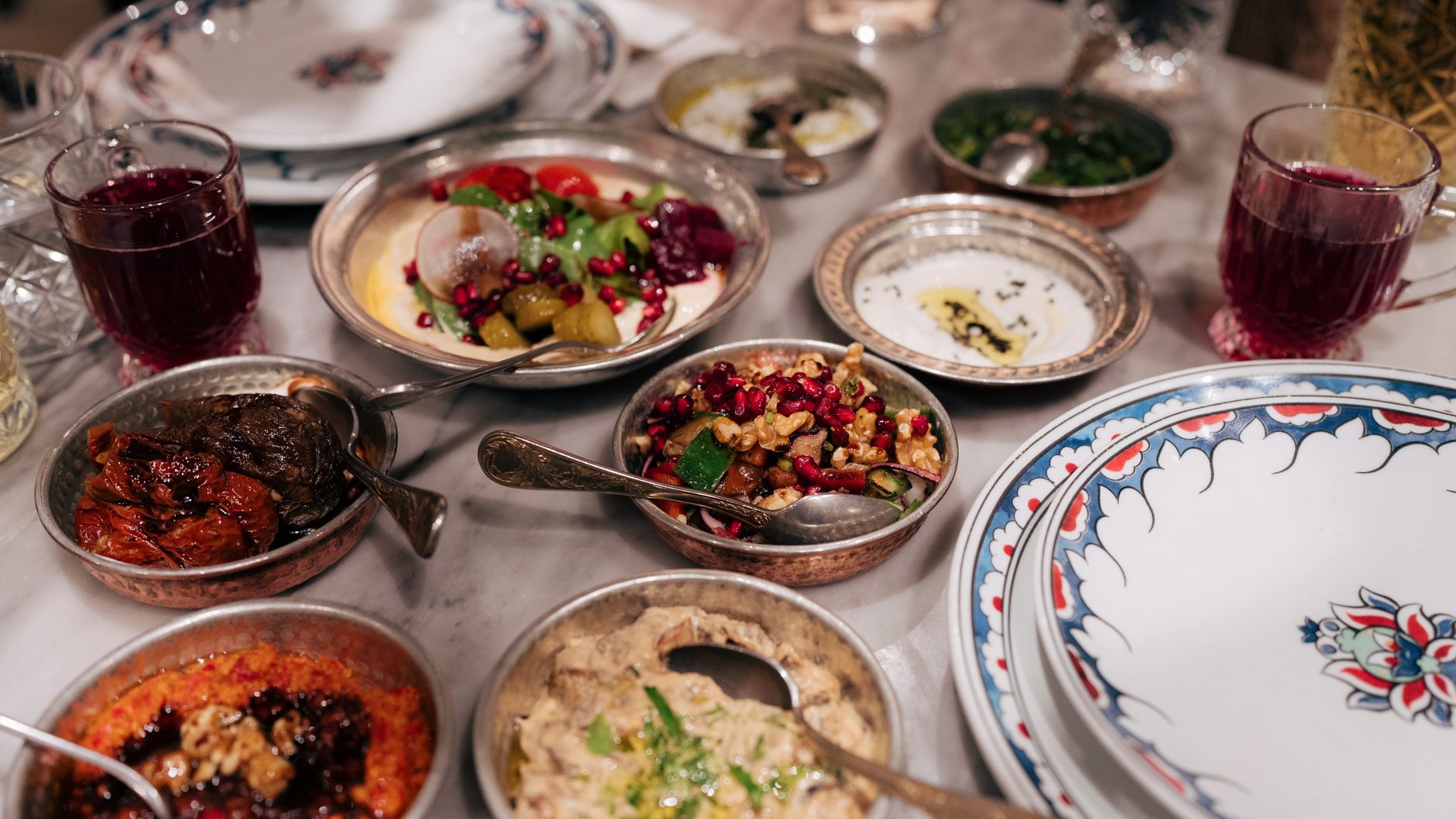
The pleasure of eating across Türkiye comes from rhythm: a market in the morning, a long lunch, a light dinner, and always room for tea. A workable pattern for a one-week food trip is to base yourself in two cities — Istanbul for modern menus and bazaar culture, and either Gaziantep or the Aegean coast for regional depth — rather than rushing between four.
- Morning: arrive at the local market early, when produce is freshest and stallholders have time to talk.
- Lunch: eat where the market hands off to the kitchen — lokantas and kebab shops near the bazaar are usually excellent value.
- Afternoon: visit a producer — olive oil, pistachios, cheese, or coffee — to connect ingredients to the plate.
- Evening: reserve the starred or listed table, and order the meze spread rather than a single main.
Our trip planner can help you lay these days out, and the destination guides give regional context for each stop.
The Generosity Is the Point
It would be easy to frame Türkiye's culinary recognition as a rise in prestige, but the deeper story is one of continuity. The kebab master in Gaziantep and the tasting-menu chef in Istanbul draw from the same pantry and share the same instinct: feed people well, and feed them plenty. Guides and stars simply help travelers find these tables with more confidence.
So come hungry, book a few reservations, and leave space for the unplanned — the roadside gözleme, the baklava offered with tea, the fisherman who insists you try his catch. Ask questions, taste widely, and let the country's famous hospitality set the pace. For more food-focused reporting and practical tips, browse the travel blog.
Thinking about a trip to Turkey?
Share your contact details and a vetted local expert will follow up with a plan built around you — free, no obligation.