

A New Chapter for Anatolia's Ancient Treasures
Türkiye's Cultural Heritage Fund has announced the successful completion of a new wave of restoration projects at some of the country's most iconic ancient sites. These efforts, part of a broader initiative to preserve and promote Türkiye's rich cultural legacy, have now opened these treasures to the public, offering travelers a chance to witness history in its full glory.
From the Roman theater of Aspendos to the intricate mosaics of Zeugma, these restored sites promise an immersive journey through millennia. The fund's work not only safeguards these monuments but also enhances visitor experiences with improved infrastructure and interpretive materials.
As Türkiye continues to position itself as a top destination for cultural tourism, these reopened sites are set to draw history enthusiasts and curious travelers alike. Here's a closer look at what's new and how to experience it.
Restoration Highlights: Where to Go
The latest phase of restorations includes several marquee sites. In Antalya's Aspendos, the ancient theater—one of the best-preserved in the world—has undergone meticulous cleaning and structural reinforcement, ensuring its legendary acoustics remain for future generations.
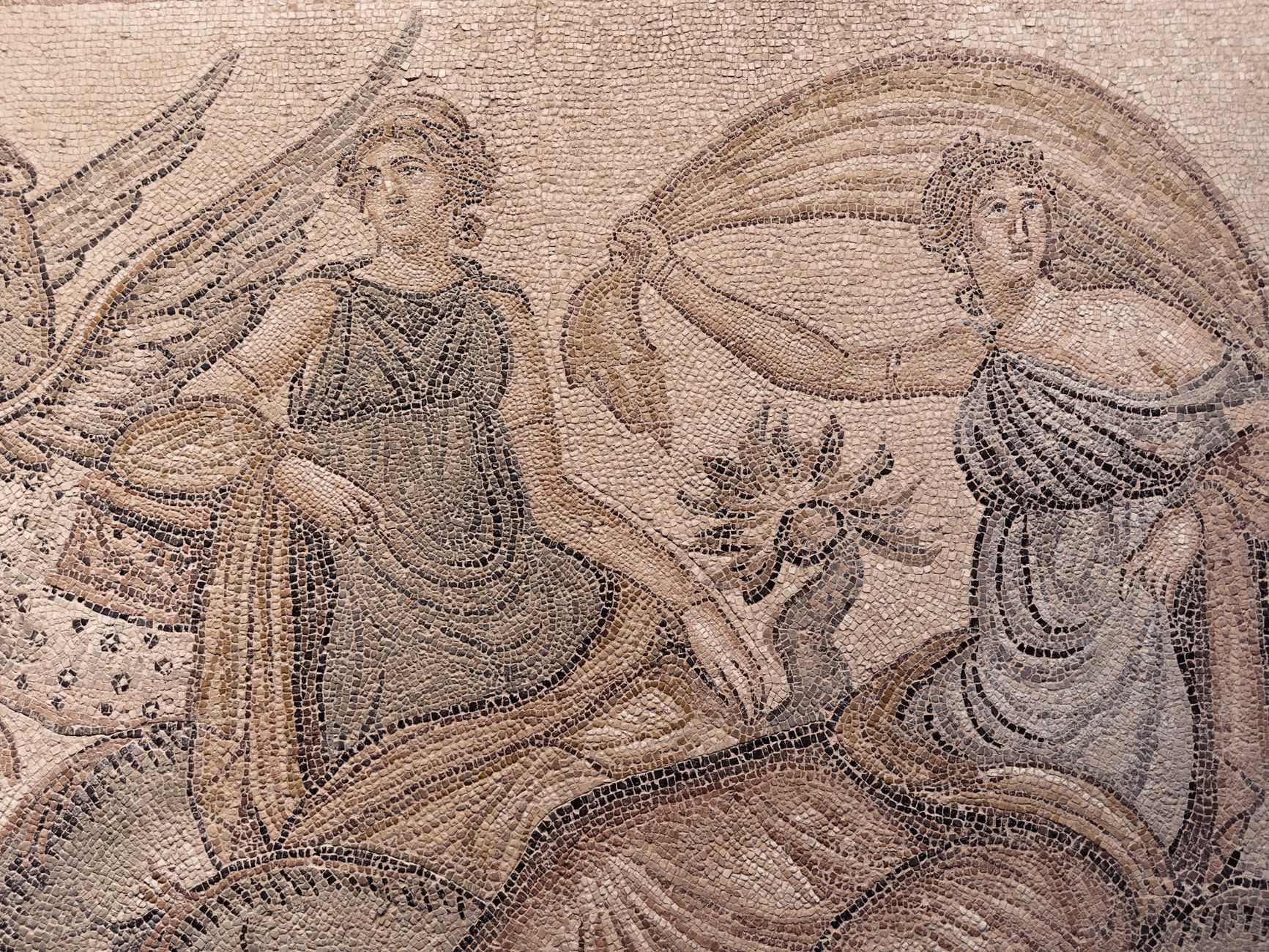
At the Zeugma Mosaic Museum in Gaziantep, newly restored mosaics from the Roman city of Zeugma are now on display, showcasing vibrant scenes that had been hidden for centuries. The museum itself has been upgraded with climate-controlled galleries to protect these masterpieces.
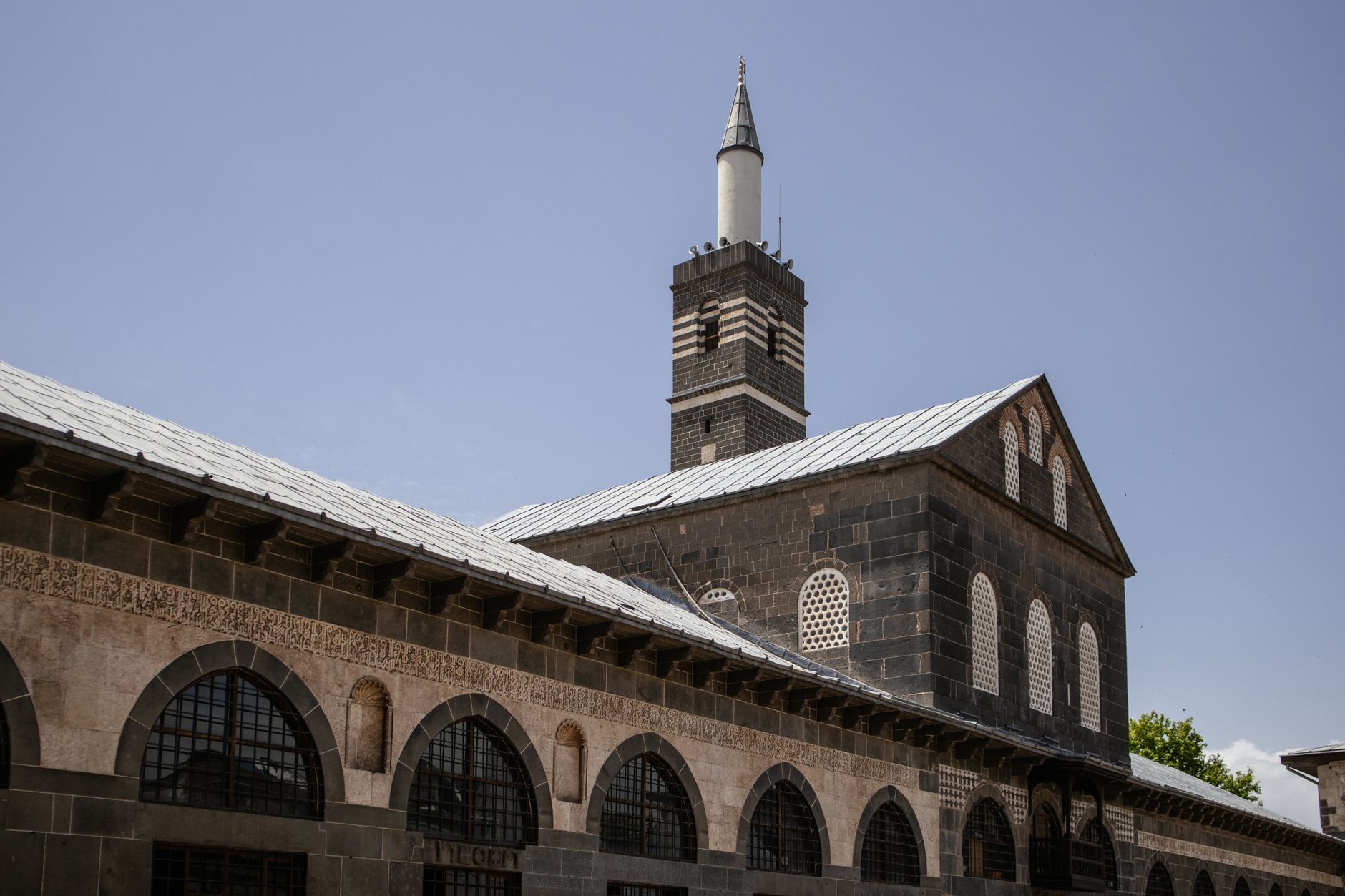
In the eastern province of Sivas, the Great Mosque and Hospital of Divriği, a UNESCO World Heritage Site, has seen comprehensive restoration of its intricate stone carvings and portal. The project has also improved accessibility for visitors.
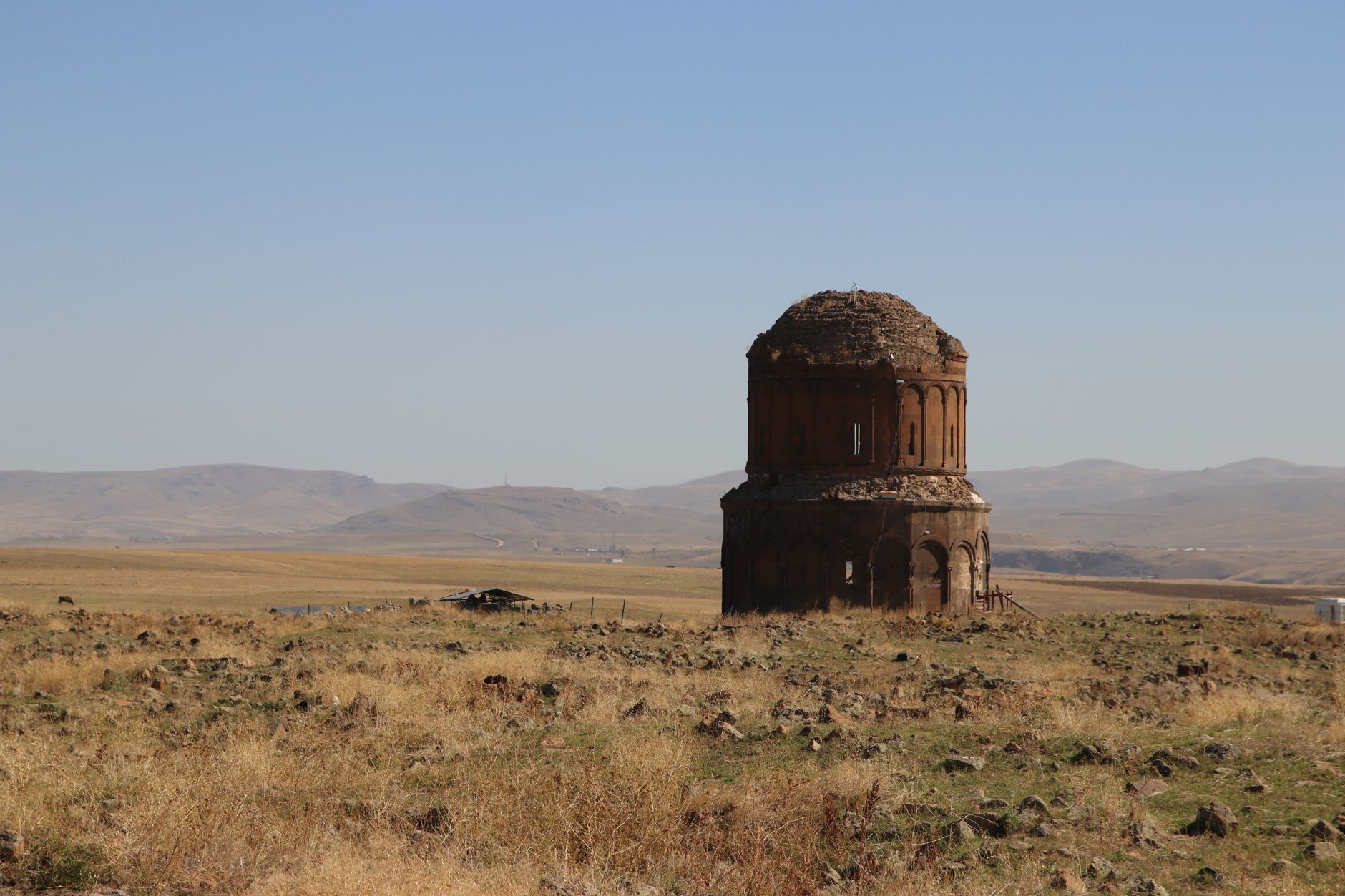
Other notable reopenings include the ancient city of Ani in Kars, where restored churches and city walls now welcome tourists, and the archaeological site of Hattusa in Çorum, with newly stabilized gates and temples.
Practical Itineraries: Pairing Sites with Local Flavor
To make the most of these reopened treasures, consider a multi-day itinerary that combines history with regional cuisine. Start in Antalya: explore Aspendos in the morning, then head to the nearby town of Side for a lunch of fresh seafood and local mezes. In the afternoon, visit the Side Museum and enjoy the sunset at the Temple of Apollo.
For a taste of the east, fly to Gaziantep. After immersing yourself in the Zeugma Mosaic Museum, savor the city's famous baklava and kebabs. Don't miss the Gaziantep Castle and the bustling markets. A day trip to the ancient city of Yesemek, an open-air sculpture workshop, adds another layer to your journey.
In Sivas, after visiting the Divriği Mosque, enjoy a meal of Sivas köfte and kadayıf. The town of Divriği itself offers charming streets and a chance to experience authentic Anatolian hospitality. Combine this with a trip to the nearby Kangal district, known for its thermal springs and the iconic Kangal dogs.
For those heading east, Kars is your base for Ani. Taste the local honey and cheese, and take a day to explore the hauntingly beautiful ruins of Ani, once a thriving medieval city. The nearby Lake Çıldır offers serene landscapes and seasonal activities.
What Travelers Can Expect
Visitors to these restored sites will find enhanced facilities, including informative signage, guided tours, and in some cases, augmented reality experiences that bring the past to life. The Cultural Heritage Fund has prioritized sustainable tourism, ensuring that increased visitor numbers do not compromise the integrity of the sites.
Many locations now offer evening openings during peak season, allowing travelers to experience these monuments under the stars. Accessibility has also been improved, with ramps and pathways for those with mobility challenges.
It's advisable to check official websites for opening hours and ticket information, as some sites may have limited capacity. Booking tours in advance is recommended, especially for popular destinations like Aspendos and Zeugma.
Preserving the Past, Boosting the Future
The Cultural Heritage Fund's work is not just about preservation; it's about economic revitalization. Local communities around these sites benefit from increased tourism, with new opportunities for artisans, guides, and hospitality businesses.
The fund collaborates with international experts and local universities, ensuring that restoration techniques meet global standards. This has also led to training programs for local conservators, creating a skilled workforce for future projects.
As Türkiye continues to invest in its cultural heritage, these restored sites stand as a testament to the country's commitment to sharing its history with the world. For travelers, there has never been a better time to explore the depths of Anatolia's past.
Plan Your Visit
With so many sites now open, planning is key. Consider purchasing a Museum Pass, which offers access to multiple sites and can save you time and money. Domestic flights connect major cities like Istanbul, Antalya, and Gaziantep, while rental cars provide flexibility for exploring rural areas.
Spring and autumn are ideal seasons for visiting, with mild weather and fewer crowds. Regardless of when you go, you'll be treated to breathtaking sights and warm hospitality.
For more information, visit the official website of the Cultural Heritage Fund or contact local tourism offices. Start your journey into Türkiye's ancient wonders today.
Thinking about a trip to Turkey?
Share your contact details and a vetted local expert will follow up with a plan built around you — free, no obligation.