
Why Türkiye Feels Like a Second Home for Dogs and Their People
Travelers are often surprised by how naturally animals fit into daily life in Türkiye. In towns along the Aegean and Mediterranean, it is entirely normal to see a bowl of water set out on the pavement outside a bakery, a cat curled up on a shop counter, or a dog sleeping in the shade of a mosque wall while locals step politely around it. The country's Islamic culture and long village traditions both place a high value on caring for animals, and visitors with pets quickly notice the warmth that comes with it.
This has a practical upside for anyone traveling with a dog. Turkey is a country where a leashed dog on a town promenade, at an outdoor café or on a ferry deck attracts curiosity and friendly comments rather than disapproval. People will offer your dog water, ask its name, and point you toward the shadiest bench in the square. That everyday kindness makes Türkiye a genuinely welcoming destination for pet travelers, provided you arrive prepared.
It also means you should arrive as a respectful guest. The same culture that cares for animals also has unwritten rules about where dogs belong, how to behave around street animals, and how to keep shared spaces pleasant for everyone. Learning those rules is part of the pleasure of the trip.
Planning Your Route: From Aegean Bays to the Lycian Coast
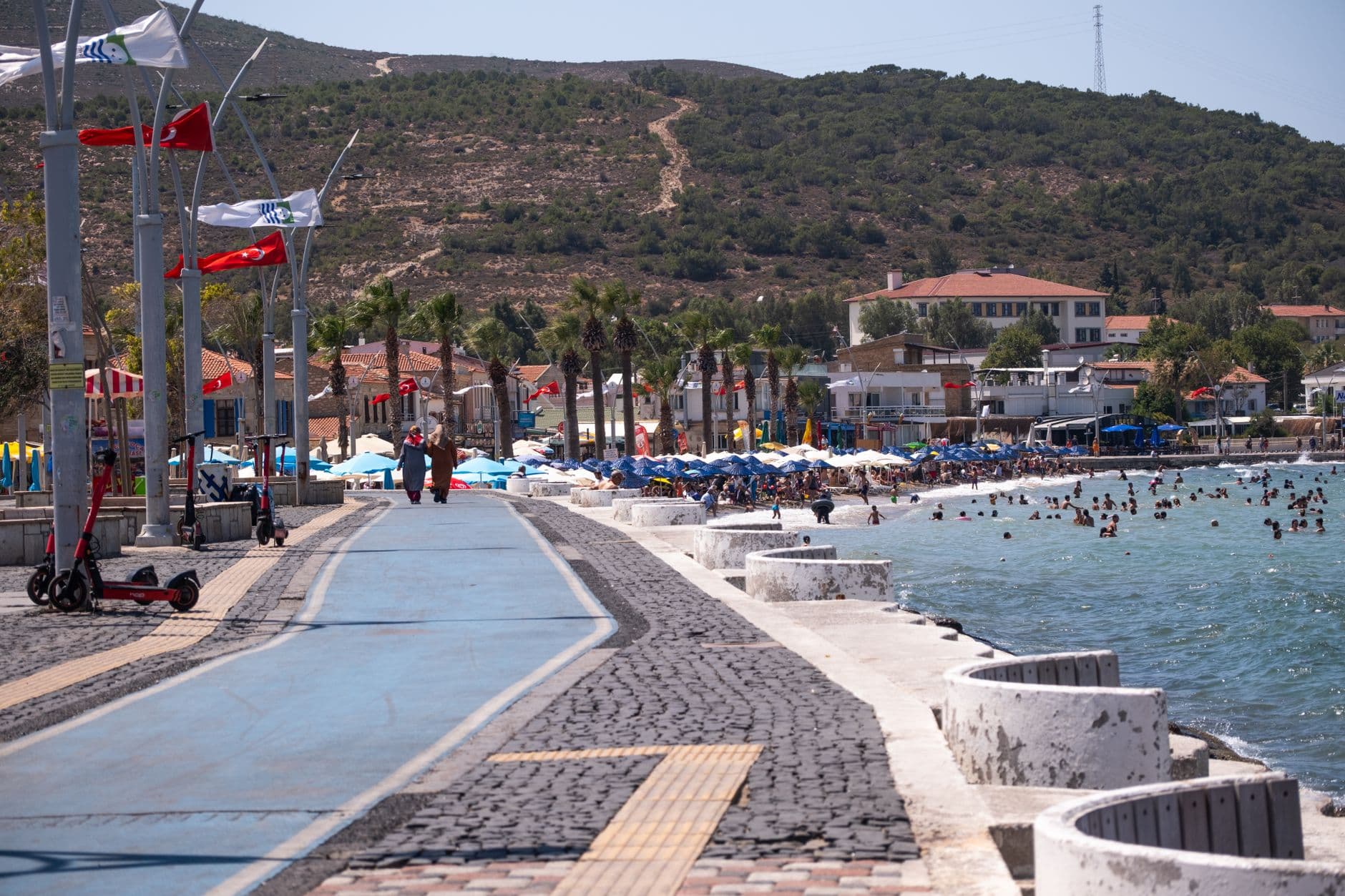
The most rewarding pet-friendly itineraries in Türkiye tend to hug the coast. The Aegean shore around Çeşme, Alaçatı, Kuşadası and Bodrum offers short, shaded walks, calm morning swims and towns small enough that your dog can join you for most of the day. Farther south, the stretch from Dalyan through Göcek to Kaş and the Lycian Way is a classic for hikers with dogs: pine forests, cliffside paths and stone villages where guesthouse owners are often happy to meet a well-behaved four-legged guest.
Try to build your route around a slower rhythm. A dog adjusting to heat, new smells and long car journeys will do far better with two or three nights in each place than with a new location every day. Morning walks before the heat builds and evening strolls along the harbor are the most comfortable, and they are also when Turkish towns are at their liveliest and most sociable.
If you want to combine coastal time with inland sights, plan the driving days carefully and always check the season. Mid-summer in the south is genuinely hot for dogs, so late spring and early autumn are kinder. Our guide to the best time to visit Türkiye and our route ideas are useful starting points for shaping a pet-friendly itinerary.
Booking Dog-Friendly Inns, Pensions and Guesthouses
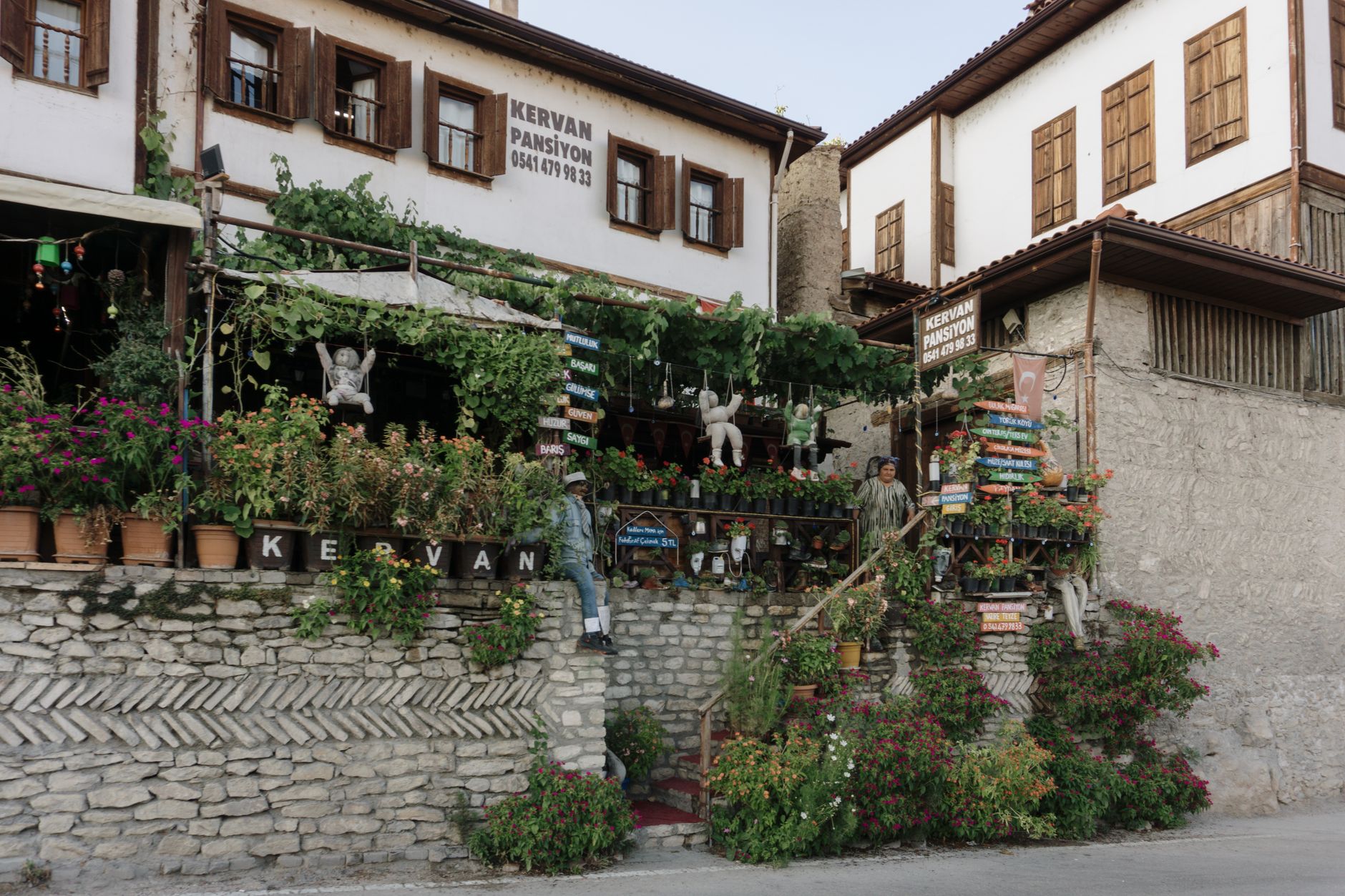
Türkiye has a wonderful supply of small inns, family pensions and boutique guesthouses where the owners live on site and are often relaxed about pets. These are usually your best bet. Large resort hotels tend to have blanket no-pet policies, while a village guesthouse with a garden may welcome your dog as a matter of course. The key is to ask clearly and early, and to confirm in writing.
Useful Turkish phrases go a long way: evcil hayvan kabul ediyor musunuz? means “do you accept pets?”, and küçük bir köpeğim var means “I have a small dog.” Mention the size and temperament of your dog, whether it will be left alone in the room (ideally never), and whether you need a ground-floor room with garden access. Booking platforms increasingly list pet policies, but a direct message to the property is more reliable.
Expect some sensible rules: dogs may not be allowed in breakfast areas or by the pool, and owners may ask you to keep your dog off the furniture. Respect these without negotiation, and you will find that many hosts go out of their way to help, sometimes bringing a bowl of water or a blanket before you have even asked. For more on arranging a trip that suits your pace and priorities, see our trip planner and pricing overview.
Coastal Walks Worth the Journey
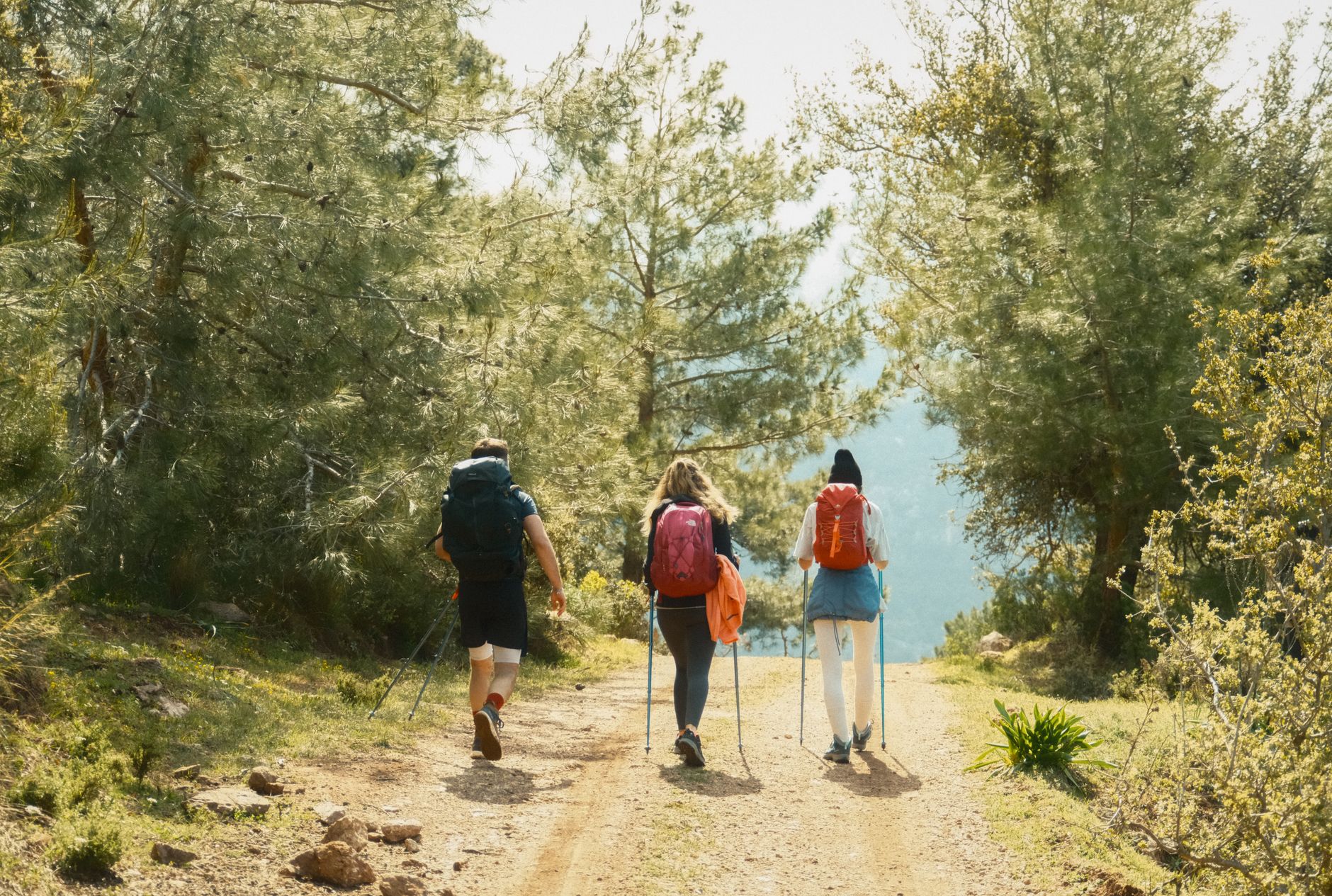
The Lycian Way is the headline act: a long-distance trail of around 500 kilometers between Fethiye and Antalya, passing through pine forest, ancient ruins and tiny villages. You do not need to thru-hike it with a dog. Short sections such as the stretch near Faralya above Butterfly Valley, or the path from Kaş toward Limanağzı, give you the scenery and the swimming without the logistical strain. Expect rocky ground, so bring booties or be ready to check paws after each walk.
Elsewhere, the promenades at Çeşme, Kuşadası and Marmaris are easy, flat and shaded in places, with water fountains and cafés every few hundred meters. The Datça peninsula offers quieter coastal tracks, and the paths around Assos on the northern Aegean are wonderfully cool in early summer. On any coastal walk, carry water for your dog, avoid the midday sun, and watch for sea urchins and hot sand on beaches.
Remember that some beaches are protected for sea turtles, notably around Dalyan and İztuzu, and dogs are rightly kept off them. There are plenty of other coves where a leashed dog is welcome. Ask locally rather than assuming, and you will be pointed to the right spot.
Etiquette: Street Animals, Leashes and Shared Spaces
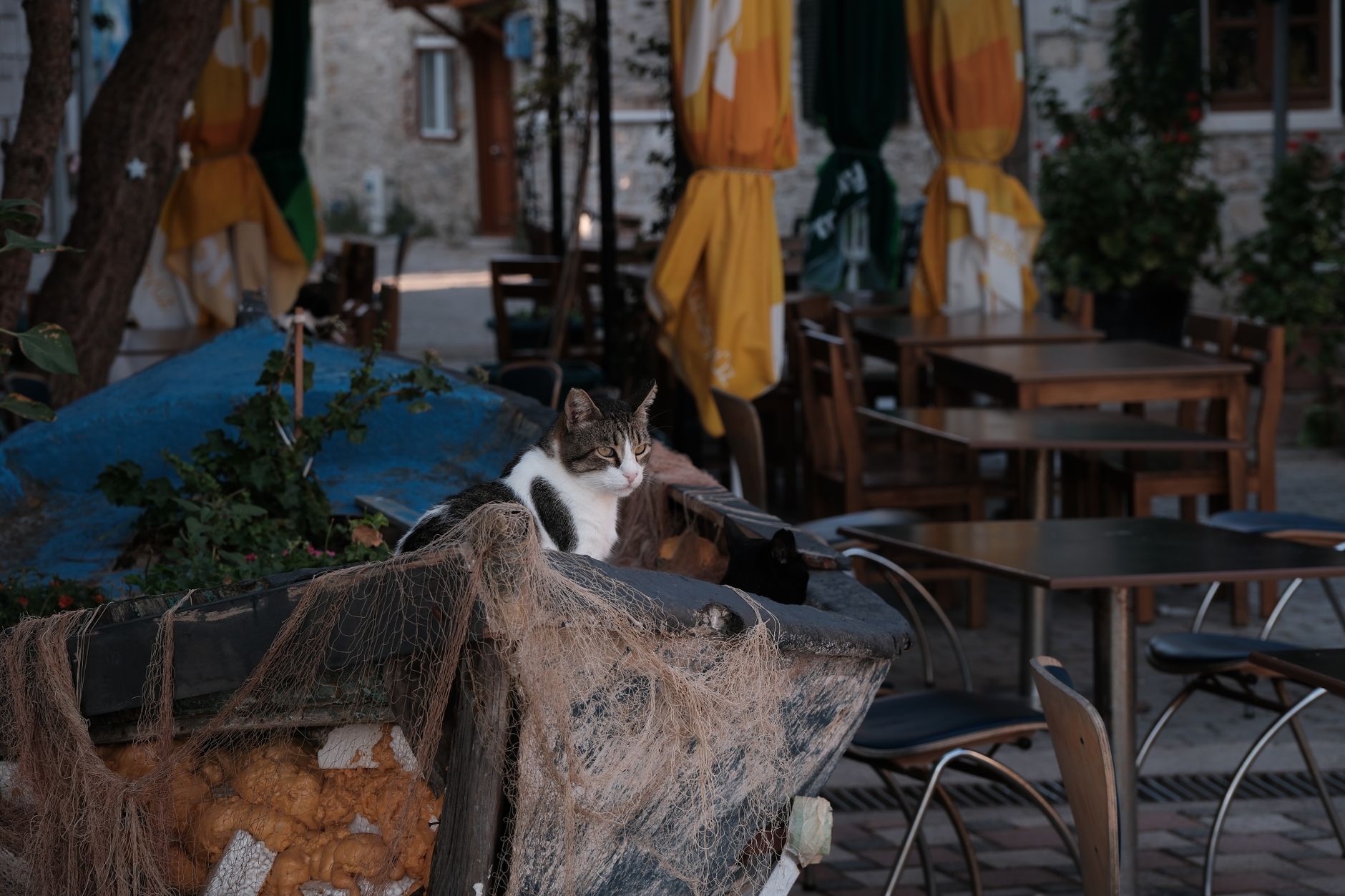
Turkish towns have their own resident street dogs and cats, many of them well known to locals, vaccinated and fed daily. Your dog should not be allowed to chase them. Keep a short leash in narrow streets, markets and around food stalls, and give resident animals space. If a street dog approaches in a friendly way, stay calm and move on; locals generally know which dogs are gentle.
Do not feed street animals your dog's food or leftovers without checking with locals, and never leave food out that could cause conflict between animals. If you want to be kind, buying a little cat or dog food and giving it to a shopkeeper who feeds the neighborhood animals is a welcome gesture.
In cafés and restaurants, dogs are usually welcome at outdoor tables, but ask before sitting down. Carry a mat so your dog has somewhere to settle, keep it close and quiet, and always clean up after it. Bags are sold everywhere, but bring your own supply. On public transport, ferries are generally relaxed about leashed dogs, while buses and dolmuş vary; always ask the driver first.
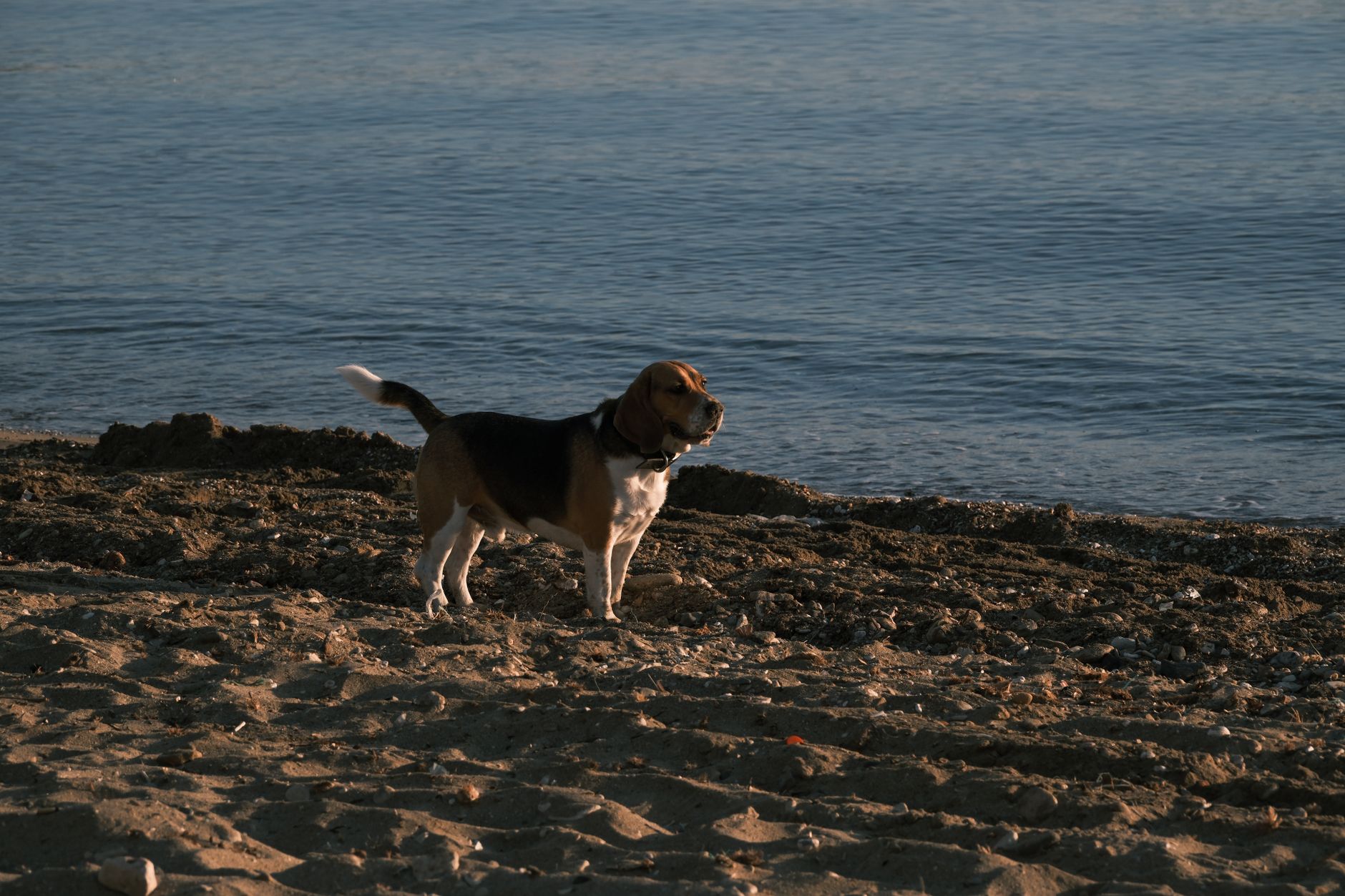
Practical Preparations for Traveling to Türkiye With a Dog
Check the current entry requirements for your country well in advance. In general, travelers arrive with a pet passport or veterinary health certificate, a valid rabies vaccination record and, for some routes, a microchip. Rules can change, so confirm with your vet and the nearest Turkish consulate before booking.
Pack for the climate and terrain: a collapsible water bowl, a cooling mat for summer, tick protection, paw balm for rocky trails and a light rain jacket for spring. Vets are widely available in Turkish towns and cities, and pharmacies are common, but bring any prescription medication your dog needs.
Finally, slow down. The great pleasure of traveling in Türkiye with a dog is that it invites you into ordinary life: the morning walk to the bakery, the tea garden where the owner brings a bowl of water, the fisherman who shares a scrap of fish. That is the kind of trip people remember. Browse our travel guides and frequently asked questions for more help, and if you are still deciding where to go, our destinations page is a good place to start dreaming.
Thinking about a trip to Turkey?
Share your contact details and a vetted local expert will follow up with a plan built around you — free, no obligation.