

Why Türkiye's Wine Scene Deserves Your Attention
Türkiye is one of the world's oldest wine-producing regions, with a winemaking history spanning more than 6,000 years. Yet for decades, its wines remained largely unknown beyond its borders. That's changing fast. Today, a new generation of family winemakers is earning international acclaim, breathing new life into native grape varieties like Öküzgözü, Boğazkere, Kalecik Karası, Narince, and Emir. Small, family-run vineyards are at the heart of this revival, offering visitors not just exceptional wines but a heartfelt welcome that defines Anatolian hospitality.
Unlike large commercial estates, these boutique wineries are often run by the same family for generations. You'll likely meet the winemaker personally, hear stories about their grandfather's vines, and taste wines that reflect the terroir of a specific hillside. In Thrace, the Aegean, and Cappadocia, these intimate experiences are within easy reach of major tourist routes, making wine tasting a rewarding addition to any Turkish itinerary.
This guide will walk you through the best regions for family-run vineyard visits, what to expect during a tasting, how to behave respectfully, and practical tips for shipping bottles home. Whether you're a seasoned oenophile or simply curious about Turkish wine, you'll find that the warmth of the hosts is as memorable as the wine itself.
Thrace: The Gateway to Turkish Wine Country
Just a couple of hours' drive from Istanbul, the Thrace region offers rolling hills, sunflower fields, and a growing number of family wineries. This is where modern Turkish winemaking took root, thanks to its proximity to Europe and a climate similar to Bordeaux. The area around Tekirdağ and Şarköy is particularly rich in small estates that welcome visitors by appointment.
Many Thracian wineries are run by families who have been farming the land for generations. You'll find vineyards specializing in both international varieties like Cabernet Sauvignon and Syrah, as well as local gems such as Papazkarası. A typical visit includes a tour of the vineyard and cellar, followed by a seated tasting, often accompanied by homemade cheese, olives, and fresh bread. The hosts are usually happy to share stories about their harvest traditions and the challenges of recent climate shifts.
Don't miss a stop at a family winery in the village of Mürefte, where you can sip wines on a terrace overlooking the Sea of Marmara. The combination of sea breeze, sunset, and a plate of local meze makes for an unforgettable afternoon. Many wineries here are small enough that you'll feel like a guest in someone's home rather than a customer.
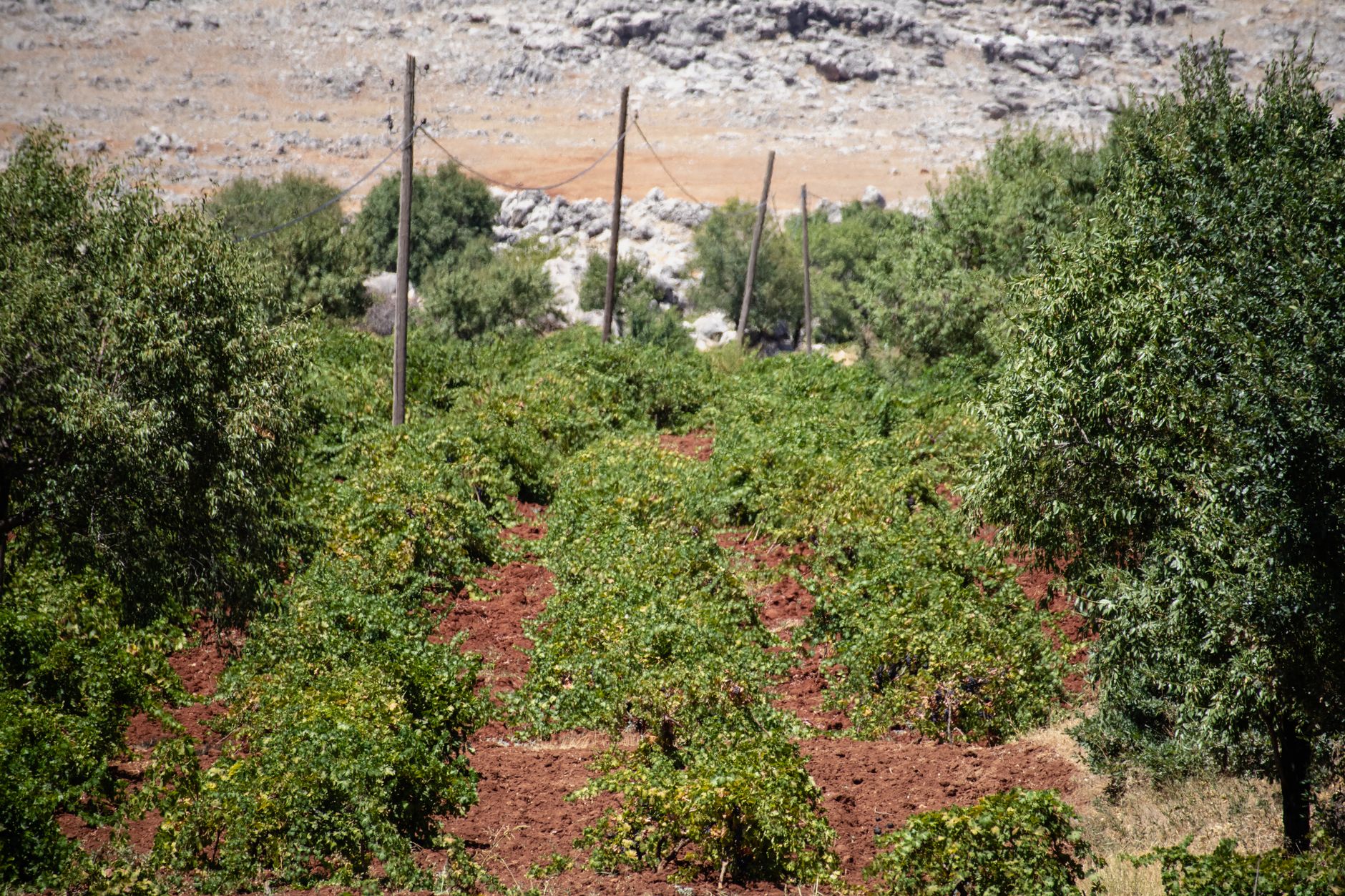
The Aegean: Vineyards Between Olive Groves and Ancient Ruins
The Aegean coast is synonymous with sun-drenched landscapes, olive groves, and ancient cities. It's also home to some of Türkiye's most charming family-run wineries. Around İzmir, Urla, and the Çeşme peninsula, boutique estates produce elegant whites from Narince and Sultaniye, and robust reds from Boğazkere and Kalecik Karası. The region's mineral-rich soils and cooling sea breezes yield wines with vibrant acidity and fresh fruit character.
Many Aegean wineries are family affairs where the owner still prunes the vines and the grandmother makes the jams and preserves served alongside the tasting. A visit often includes a walk through the vineyards, where you'll learn about organic farming and the revival of forgotten grape varieties. Some estates offer vineyard lunches: a table set under a fig tree, laden with seasonal vegetables, grilled fish, and homemade olive oil. These meals are a celebration of the land and the family's heritage.
For a truly personal experience, seek out smaller wineries in the Urla Bağ Yolu (Urla Vineyard Route). Here, you can cycle between family estates, each with its own personality. Many hosts speak some English and are eager to share their passion. Be sure to ask about their limited-production bottles, often only available at the cellar door.
Cappadocia: Wine in a Fairy-Tale Landscape
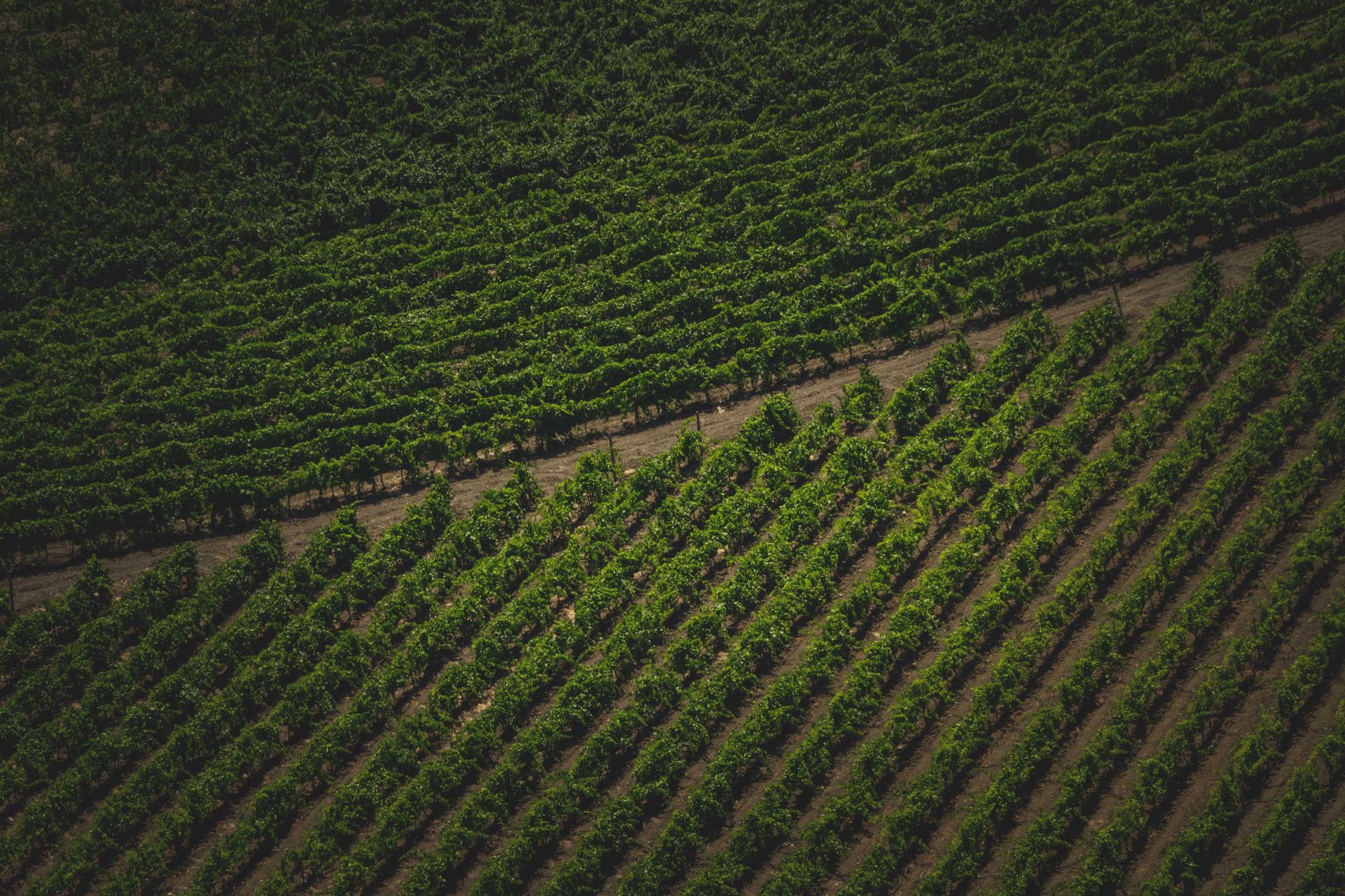
Cappadocia's surreal rock formations and cave dwellings are world-famous, but its wine culture is a hidden treasure. Winemaking here dates back to the Hittites and early Christian communities who carved cellars into the soft volcanic tuff. Today, family-run wineries in towns like Ürgüp, Göreme, and Çavuşin are reviving ancient techniques while embracing modern precision.
The region's volcanic soil is perfect for grapes like Emir, Keten Gömlek, and Dimrit. Many vineyards are small plots scattered among the fairy chimneys, and harvest is still done by hand. Visiting a family winery in Cappadocia often includes a tour of a cave cellar, where wines age in oak barrels or amphorae. The hosts, often third- or fourth-generation vintners, will guide you through a tasting paired with local cheeses, dried fruits, and nuts.
One of the most magical experiences is a sunset tasting on a terrace overlooking the valleys. As the sky turns pink and orange, you'll sip crisp whites and smooth reds while your host shares legends of the region. Some families also offer home-cooked dinners in their cave homes, an intimate way to connect with Cappadocian culture. Note that many wineries are small and require reservations, especially during peak season.
Tasting Etiquette: How to Be a Gracious Guest
Turkish hospitality is legendary, and wine tastings at family wineries are no exception. To make the most of your visit, keep a few etiquette tips in mind. First, always book in advance. These are private homes and small businesses, not large tasting rooms, so a quick email or phone call is appreciated. Arrive on time and greet your hosts with a warm "Merhaba" (hello).
During the tasting, let the host guide you. They may have a specific order they prefer, typically from white to red, light to full-bodied. It's polite to taste everything offered, but you don't have to finish every glass. If you don't care for a wine, simply leave it; no one will be offended. When toasting, make eye contact and say "Şerefe" (cheers). Compliment the wine and ask questions—hosts love to share their knowledge.
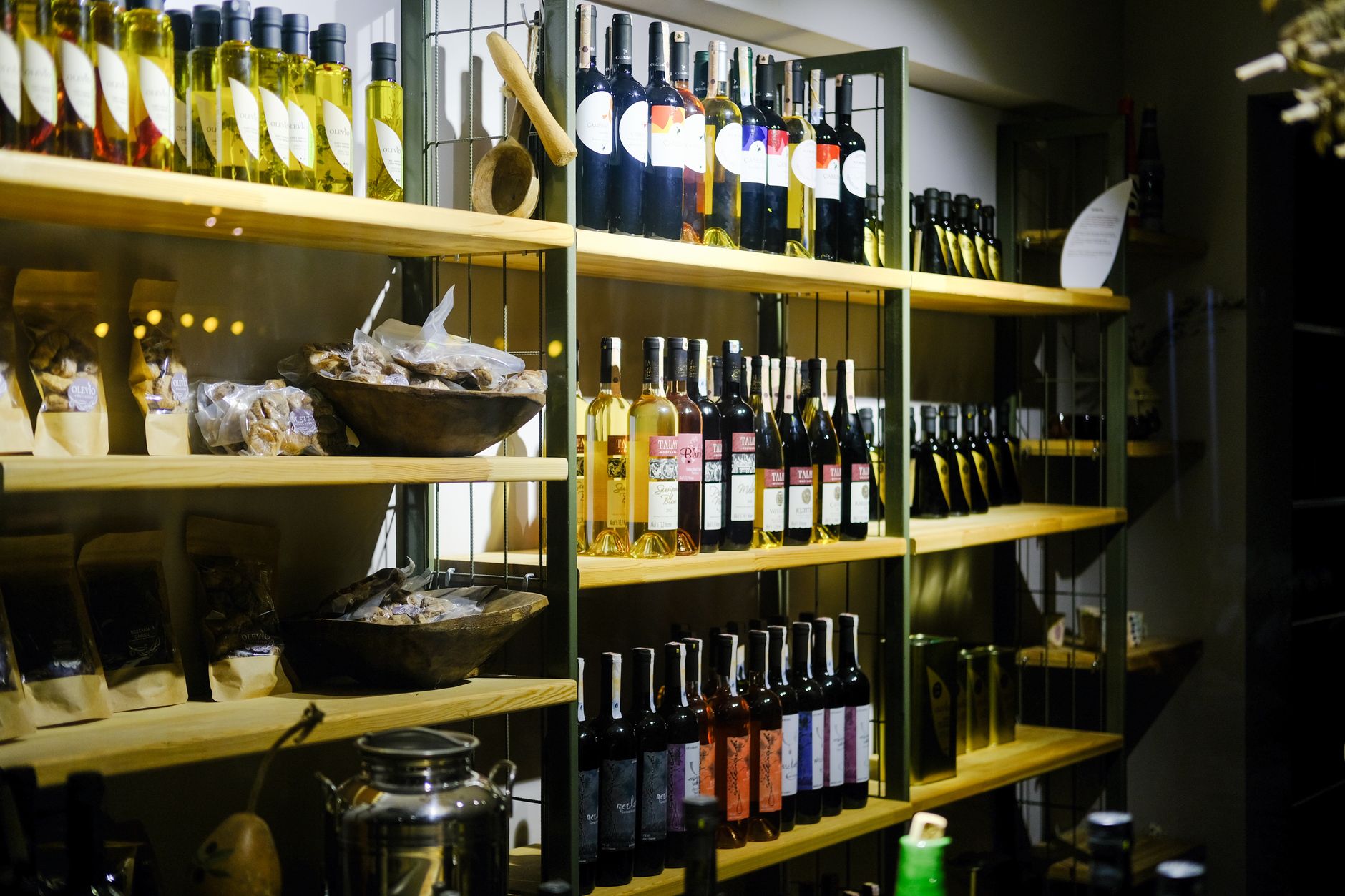
If a meal is served, wait for the host to invite you to start. Try everything, even if it's unfamiliar. It's also customary to bring a small gift, such as chocolates or a souvenir from your home country, though it's not required. After the tasting, if you enjoyed the experience, consider buying a bottle or two directly from the winery. This supports the family and gives you a tangible memory to take home.
Shipping Bottles Home: Practical Advice
You've found a wine you love and want to share it with friends back home. Shipping from Türkiye is possible but requires planning. First, check your home country's customs regulations for alcohol imports. Many countries allow a limited number of liters duty-free, but you'll need to declare anything beyond that. Some wineries can arrange international shipping through specialized couriers, though this can be expensive.
A simpler option is to transport bottles in your checked luggage. Use a wine suitcase or protective sleeves, and pack bottles in the center of your bag, surrounded by soft clothing. Remember that some airlines have restrictions on alcohol in checked baggage, so confirm with your carrier. Also, be aware that customs may inspect your luggage upon arrival, and you may need to pay duties.
If you prefer not to carry bottles, ask the winery if they have a distributor in your country. Some family estates export small quantities, and you might be able to order online later. Alternatively, many wineries sell gift boxes that are sturdy enough for travel. Always declare alcohol when required—failing to do so can result in fines. With a little preparation, you can safely bring a taste of Türkiye home.
Plan Your Visit: When to Go and What to Expect
Spring and autumn are the best seasons for wine touring in Türkiye. In April and May, the vineyards are lush and wildflowers bloom; in September and October, you can witness the harvest and even participate in picking. Summer can be hot, especially in the Aegean and Cappadocia, but early mornings and evenings are pleasant. Winter is quiet, and some wineries close, but those that remain open offer cozy tastings by the fire.
Most family wineries are open by appointment only, so plan your route in advance. A rental car gives you the flexibility to explore at your own pace, but you can also join guided wine tours from Istanbul, İzmir, or Nevşehir. Expect tasting fees ranging from 100 to 300 Turkish Lira, often waived if you purchase bottles. Meals, when offered, are usually priced separately and are excellent value.
Finally, come with an open mind and a spirit of curiosity. The wines of Türkiye are diverse and improving every year, and the families behind them are proud to share their craft. Whether you're sipping a crisp Narince in Thrace or a bold Boğazkere in Cappadocia, the genuine warmth of your hosts will make your visit unforgettable. Raise a glass to Türkiye's winemaking renaissance—Şerefe!
Thinking about a trip to Turkey?
Share your contact details and a vetted local expert will follow up with a plan built around you — free, no obligation.