
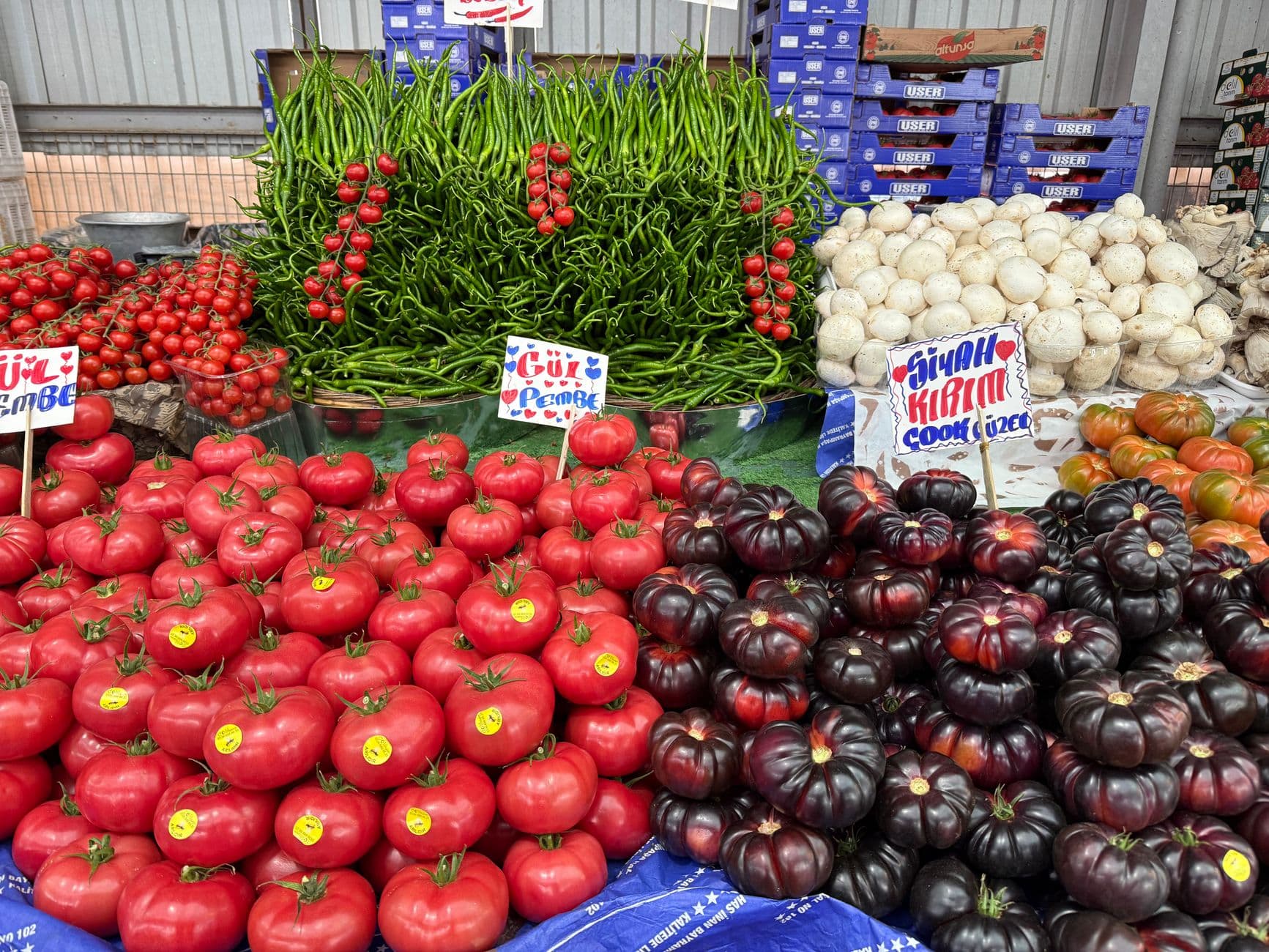
The Heartbeat of Türkiye: Weekly Pazar Culture
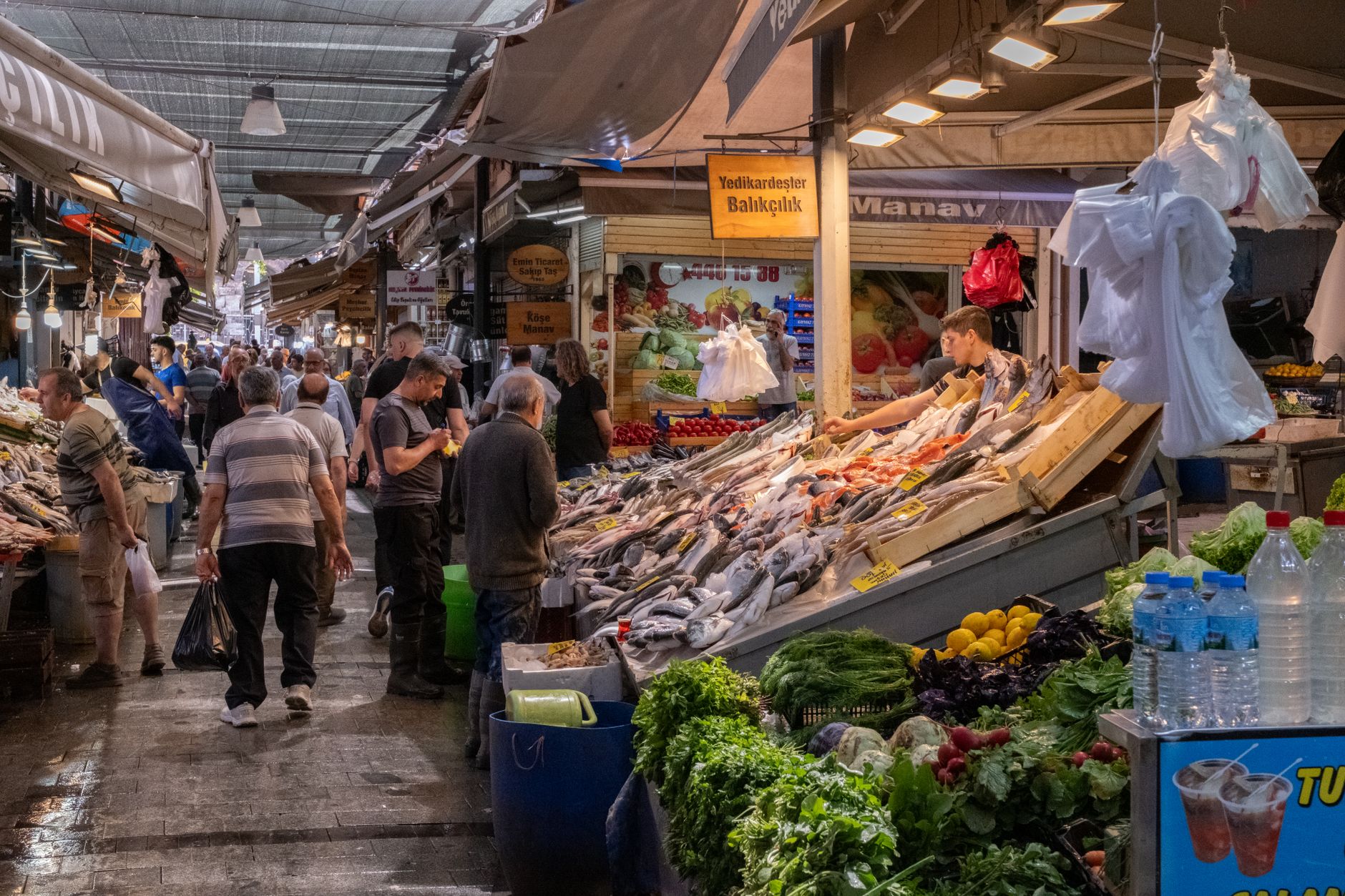
Every week, in every city, town, and village across Türkiye, the local pazar (farmer's market) springs to life. These aren't just places to buy groceries—they're social hubs, culinary classrooms, and living museums of regional culture. For travelers, visiting a pazar is one of the most authentic experiences you can have, offering a direct line to the rhythms of daily life and the freshest flavors of the season.
The pazar operates on a rotating schedule, with each neighborhood or town hosting its market on a specific day of the week. This centuries-old system ensures that vendors can travel between locations and that residents always have access to fresh produce. Knowing which market happens on which day can transform your trip, allowing you to plan around these vibrant events.
In this guide, we'll explore the pazar scene in Istanbul, Izmir, Antalya, and smaller towns, with practical tips on haggling, seasonal shopping, and enjoying market food like a true local. Whether you're a foodie, a photographer, or simply curious, a day at the pazar will be one of your most memorable Turkish experiences.
Istanbul: A Market for Every Day
Istanbul, a city of 16 million, has a pazar somewhere every day of the week. Each neighborhood has its own character, and the markets reflect the diverse communities that call this city home. Here's a day-by-day guide to some of the most notable ones:
- Monday: Kadıköy's Salı Pazarı (actually on Tuesday, but Monday sees smaller markets like Üsküdar's) – check local listings. A more reliable Monday option is the Fatih Çarşamba Pazarı (Wednesday market) which starts setting up on Tuesday evening. For simplicity, we'll focus on the main days.
- Tuesday: Kadıköy Salı Pazarı – one of the largest and most famous markets on the Asian side. You'll find everything from organic produce to clothing and household goods.
- Wednesday: Fatih Çarşamba Pazarı – a historic market in the conservative Fatih district, known for its excellent produce and lively atmosphere. Also, Beşiktaş Pazarı on Wednesdays offers a more upscale experience.
- Thursday: Beşiktaş Pazarı (some sources say Wednesday) – verify locally. A safe bet is the Üsküdar Pazarı on Thursdays, a smaller but authentic market.
- Friday: Ortaköy Pazarı – a smaller market with a view of the Bosphorus, perfect for combining shopping with sightseeing.
- Saturday: The Grand Bazaar of farmers' markets: Küçükçekmece Pazarı is massive, but for travelers, the Yeşilköy Pazarı (Saturdays) is more accessible and offers a mix of locals and expats.
- Sunday: The most famous Sunday market is in Kadıköy: the Kadıköy Pazarı (also known as the Kadıköy Salı Pazarı on Tuesdays, but Sunday has a different vibe). Actually, the big Sunday market is in Bakırköy – Bakırköy Pazarı is a sprawling market with everything from fresh fish to spices.
Note: Market days can change, so always double-check with your hotel or a local before heading out. The best approach is to ask, "Bugün hangi pazar var?" (Which market is today?).
For a deeper dive into Istanbul's neighborhoods and markets, see our destinations page.
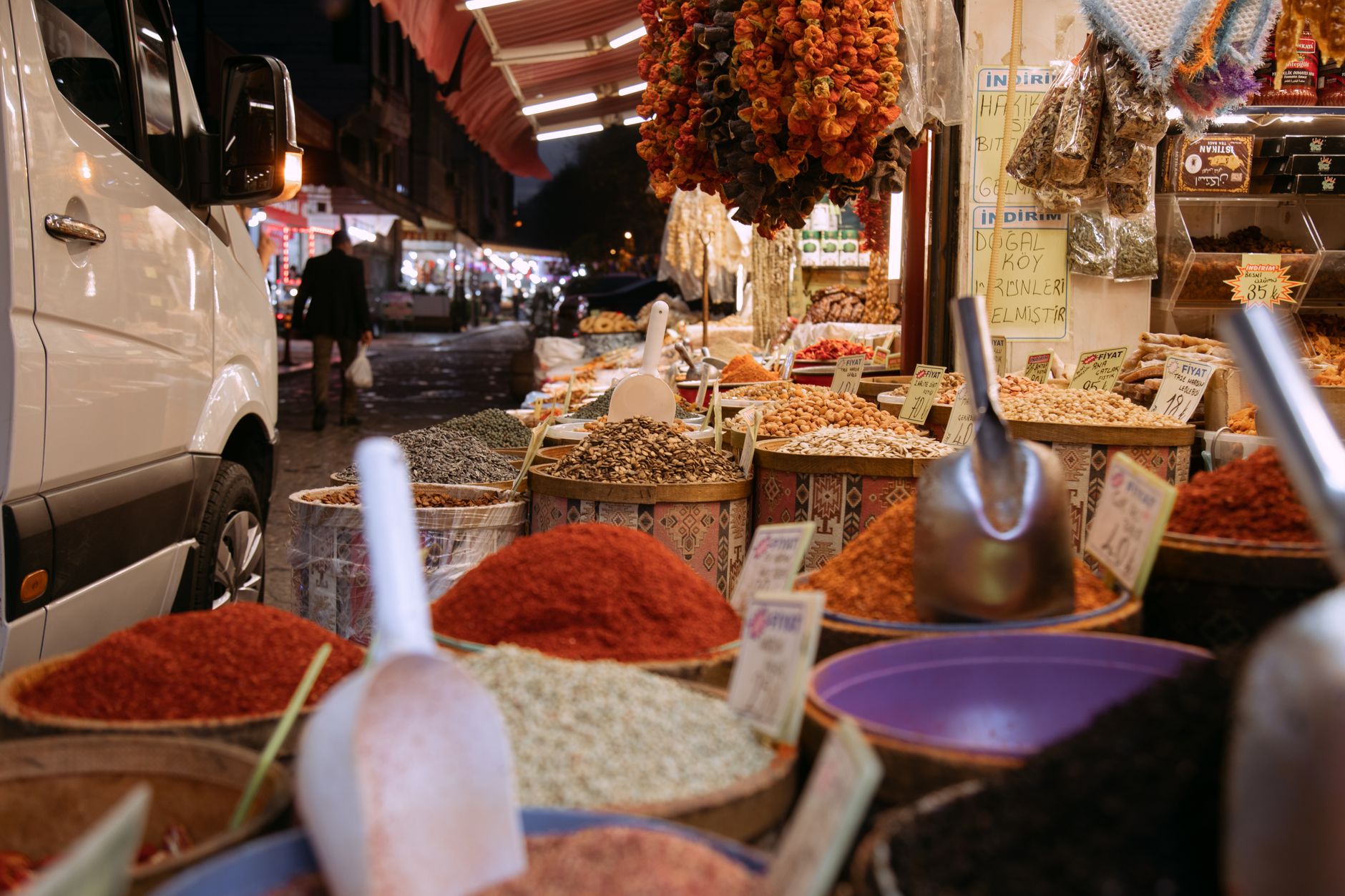
Izmir and the Aegean Coast: Seaside Markets and Fresh Herbs
Izmir, Türkiye's third-largest city, boasts a rich market culture influenced by its Aegean location. The city is famous for its kordon (seaside promenade) and its numerous pazars, which often feature an abundance of herbs, greens, and seafood.
In Izmir, the day-of-week system is strong. The historic Kemeraltı Bazaar is open daily, but for a true weekly pazar, head to:
- Monday: Buca Pazarı – a large market in the Buca district, popular with locals for its fresh produce and affordable prices.
- Tuesday: Karşıyaka Pazarı – on the northern side of the bay, this market is known for its friendly vendors and excellent street food.
- Wednesday: Bornova Pazarı – a big market near Ege University, attracting students and families alike.
- Thursday: Gaziemir Pazarı – a more local affair, great for experiencing everyday life.
- Friday: Çiğli Pazarı – another neighborhood market with a wide selection.
- Saturday: The Alsancak Pazarı (actually a street market) is more of a boutique affair, but the big Saturday market is in Hatay. Also, the Kemeraltı area has a lively Saturday market.
- Sunday: The famous Urla Pazarı (in nearby Urla) is a must-visit for food lovers. This market specializes in organic produce, artisanal products, and local wines. It's a bit outside the city but worth the trip.
Along the Aegean coast, smaller towns like Çeşme, Alaçatı, and Foça have their own market days. Alaçatı's Saturday market is particularly charming, set in the town's narrow streets.
For more on Izmir and the Aegean, visit our guides page.
Antalya and the Mediterranean: Citrus, Spices, and Sun
Antalya's markets reflect the Mediterranean climate—think juicy tomatoes, fragrant citrus, and an abundance of herbs. The city's pazar scene is less touristy than Istanbul's but equally vibrant.
Key markets by day:
- Monday: Konyaaltı Pazarı – a modern market in the Konyaaltı district, popular with expats and locals.
- Tuesday: Lara Pazarı – in the Lara area, known for its fresh produce and clothing stalls.
- Wednesday: The Old Town (Kaleiçi) has a small market, but the main Wednesday market is in Kepez.
- Thursday: Muratpaşa Pazarı – a central market with a good mix of food and goods.
- Friday: The big one: Antalya's Friday Market (Cuma Pazarı) in the city center. This is the largest and most diverse market in Antalya, with everything from spices to textiles.
- Saturday: Döşemealtı Pazarı – a rural market on the outskirts, great for seeing village life.
- Sunday: Aksu Pazarı – a smaller market, but lively.
In smaller towns along the coast, like Kaş and Kalkan, market days are often Thursdays or Fridays. Ask your hotel for the exact day.
Smaller Towns: Where the Pazar Is the Event of the Week
In rural Türkiye, the weekly pazar is a major social event. Farmers come from surrounding villages to sell their goods, and the whole town turns out. These markets are smaller but offer a more intimate experience.
For example, in the Aegean village of Şirince (near Selçuk), the market is on Saturdays and features homemade wines, soaps, and handicrafts. In the Black Sea region, the pazar often focuses on hazelnuts, tea, and corn.
If you're traveling through smaller towns, check our routes page for suggested itineraries that include market visits.
Haggling Etiquette: How to Bargain with Grace
Haggling in Turkish markets is expected, but it's important to do it respectfully. Here are some tips:
- Know the going rate: Observe prices at a few stalls before bargaining. Prices for produce are often fixed, but for clothing, souvenirs, and handicrafts, negotiation is common.
- Start with a smile: Begin with a friendly "Merhaba" (hello) and ask how they are. Building rapport is key.
- Offer a reasonable price: A common tactic is to counteroffer about 20-30% below the asking price. Don't lowball—it's disrespectful.
- Walk away if needed: If the vendor won't budge and you're not happy, politely thank them and walk away. They might call you back with a better offer.
- Buy multiple items: Vendors are more likely to give a discount if you buy several things.
- Respect the vendor's livelihood: Remember that for many, this is their daily income. A fair deal benefits both.
For more cultural tips, see our FAQ page.
Seasonal Shopping: What to Buy When
The pazar is a reflection of the seasons. Here's a rough guide to what's fresh and when:
- Spring (March-May): Artichokes, fresh herbs (mint, parsley, dill), green almonds, strawberries, and early apricots.
- Summer (June-August): Tomatoes, cucumbers, peppers, eggplant, peaches, melons, watermelons, and cherries. This is the peak season for berries.
- Autumn (September-November): Figs, grapes, pomegranates, quinces, pumpkins, and mushrooms. Also the time for preserving (making jams and pickles).
- Winter (December-February): Citrus fruits (oranges, mandarins, grapefruits), cauliflower, broccoli, leeks, spinach, and root vegetables.
Beyond produce, look for regional specialties: olive oil from the Aegean, honey from the Black Sea, and dried fruits from the southeast.
For more on seasonal travel, check our best time to visit page.
Market Snacks and Tea: Eating Like a Local
No pazar visit is complete without sampling the food. Here's how to enjoy market snacks and tea like a local:
- Simit: A sesame-crusted bagel, sold at stalls or from vendors walking around. Pair it with a glass of tea.
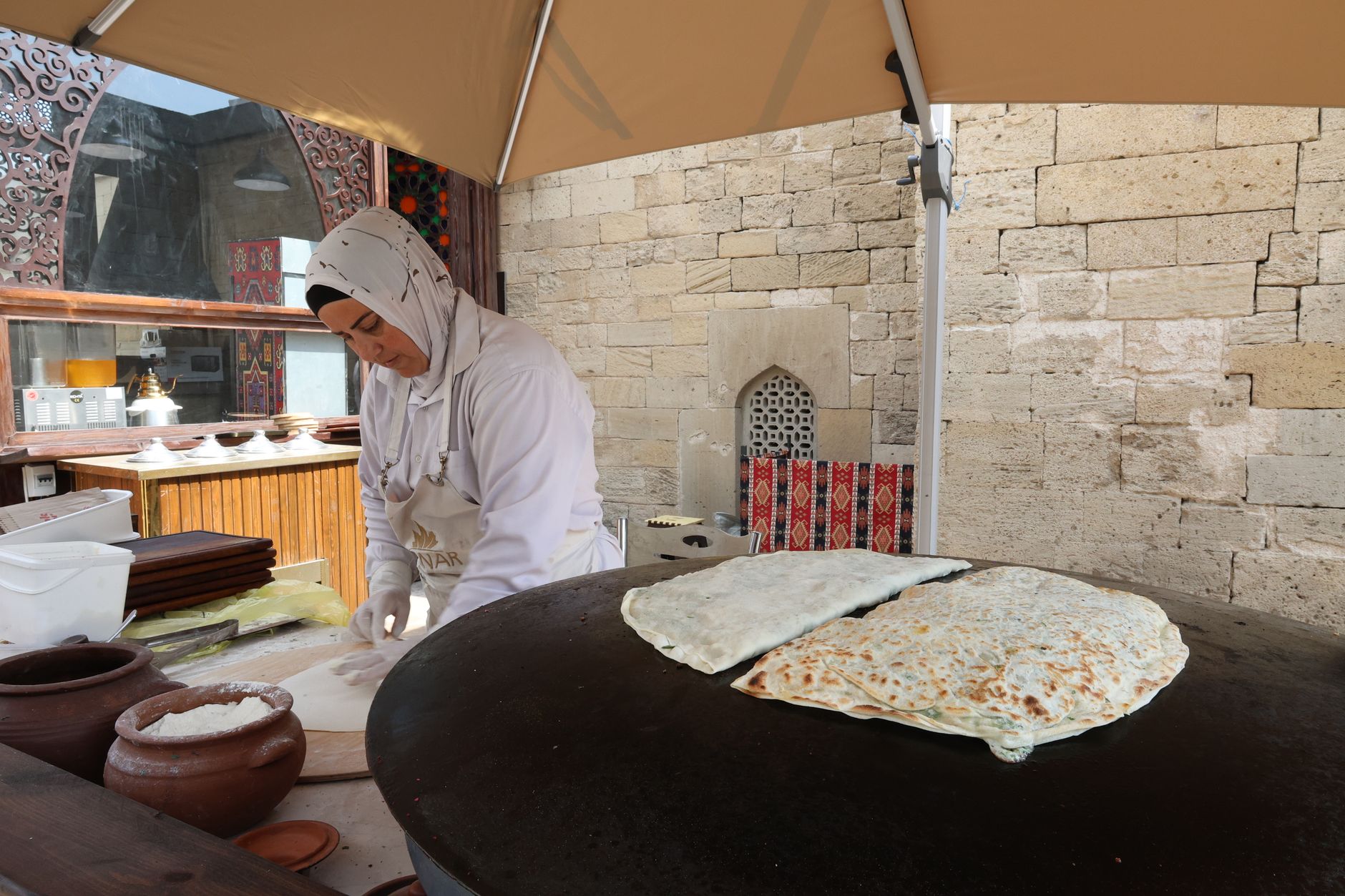
- Gözleme: A savory flatbread filled with cheese, spinach, or meat, cooked on a griddle. Look for women making it fresh.
- Fresh juice: Pomegranate, orange, or mixed fruit juices are squeezed to order.
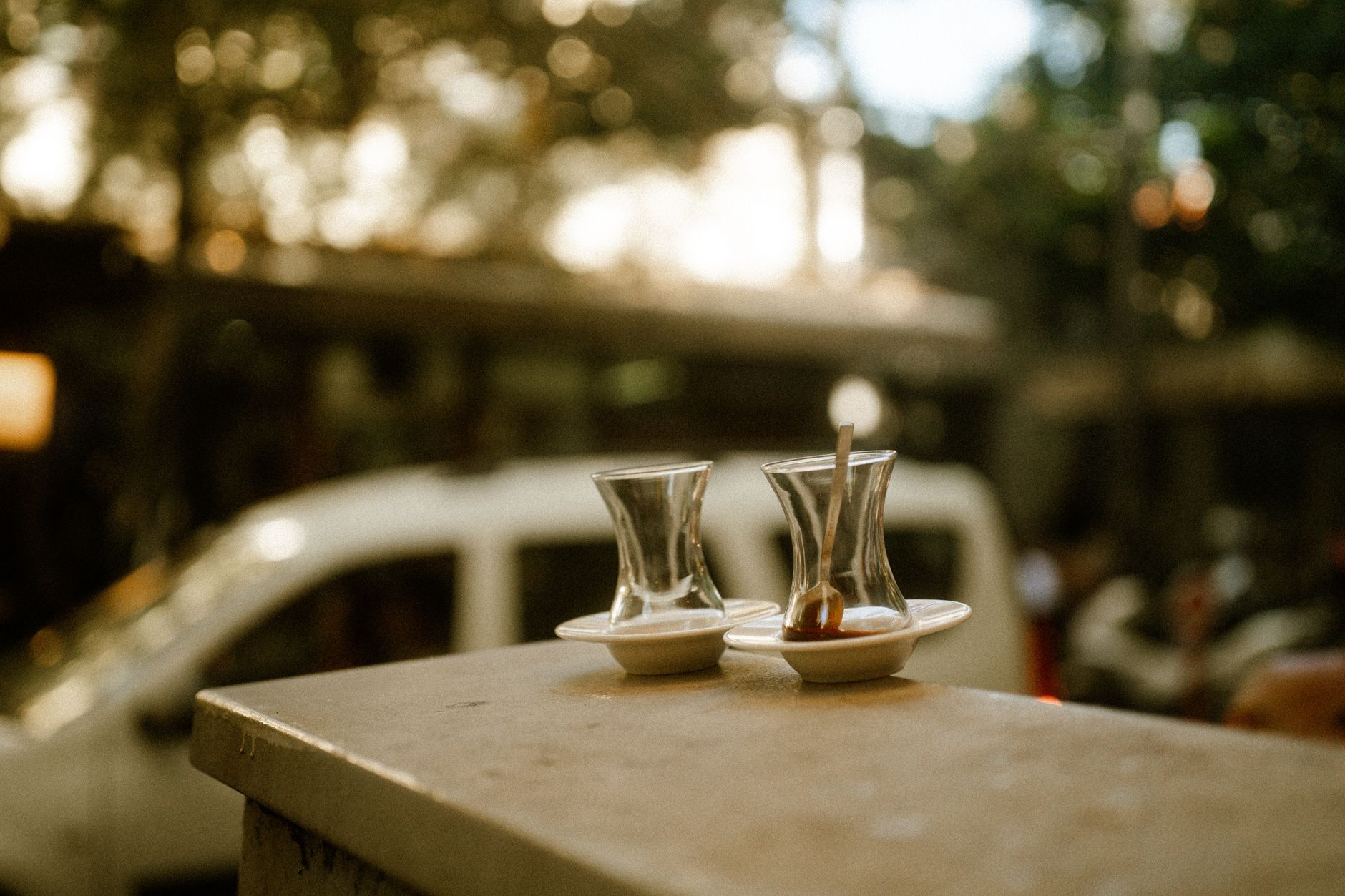
- Tea: Vendors often offer small glasses of çay (tea) as a gesture of hospitality. Accept it—it's part of the experience. You can also order tea from a nearby çaycı (tea seller) who will bring it to you.
- Pickles: Try turşu (pickled vegetables) from a pickle stall—they're a tangy delight.
- Cheese and olives: Sample beyaz peynir (white cheese) and black olives from the olive stalls.
Remember to say "Afiyet olsun" (enjoy your meal) when you see someone eating, and they'll likely respond with "Sağ ol" (thanks).
Practical Tips for Visiting Markets
- Go early: The best produce and the most lively atmosphere are in the morning. By afternoon, things wind down.
- Bring cash: Most vendors prefer cash, though some accept credit cards. Small bills are handy.
- Bring your own bags: Plastic bags are often provided, but it's more sustainable to bring a reusable bag.
- Wear comfortable shoes: Markets can be muddy or uneven.
- Learn a few Turkish phrases: "Ne kadar?" (How much?), "Çok güzel" (Very nice), "Teşekkürler" (Thanks).
- Check market days: As mentioned, days can vary, so confirm locally.
For a personalized itinerary that includes market visits, try our trip planner.
Final Thoughts: Embracing the Pazar Experience
Visiting a Turkish pazar is more than a shopping trip—it's an immersion into the sights, sounds, and flavors of Türkiye. The colors of the produce, the calls of the vendors, the taste of fresh gözleme, and the warmth of a shared glass of tea all combine to create an unforgettable experience. Whether you're in a bustling Istanbul neighborhood or a quiet Aegean village, the weekly market is where life happens. So check the day, bring your curiosity, and dive in.
Thinking about a trip to Turkey?
Share your contact details and a vetted local expert will follow up with a plan built around you — free, no obligation.