

Why Autumn Is the Sweetest Season on the Aegean
As summer's fierce heat softens into golden light, Türkiye's Aegean coast enters its most generous season. From late August through November, the region's orchards and groves bow under the weight of figs, almonds, citrus, and pomegranates. This is the harvest season — a time when village squares fill with drying fruit, the air smells of citrus blossom and woodsmoke, and farmers welcome visitors with çay and a basket of freshly picked produce.
Unlike the crowded beaches of July and August, autumn invites you to slow down. The sea is still warm enough for a swim, the markets overflow with just-picked flavor, and the harvest calendar offers a hands-on way to connect with rural Türkiye. Whether you're a food lover, a photographer, or a family looking for an authentic experience, the Aegean harvest trails promise joy, learning, and delicious memories.
In this guide, we'll trace the routes of three iconic autumn crops — figs, almonds, and citrus — and show you how to join the harvest, where to go, and how to bring a taste of Türkiye home.
Fig Trails: Aydın, the World Capital of Dried Figs
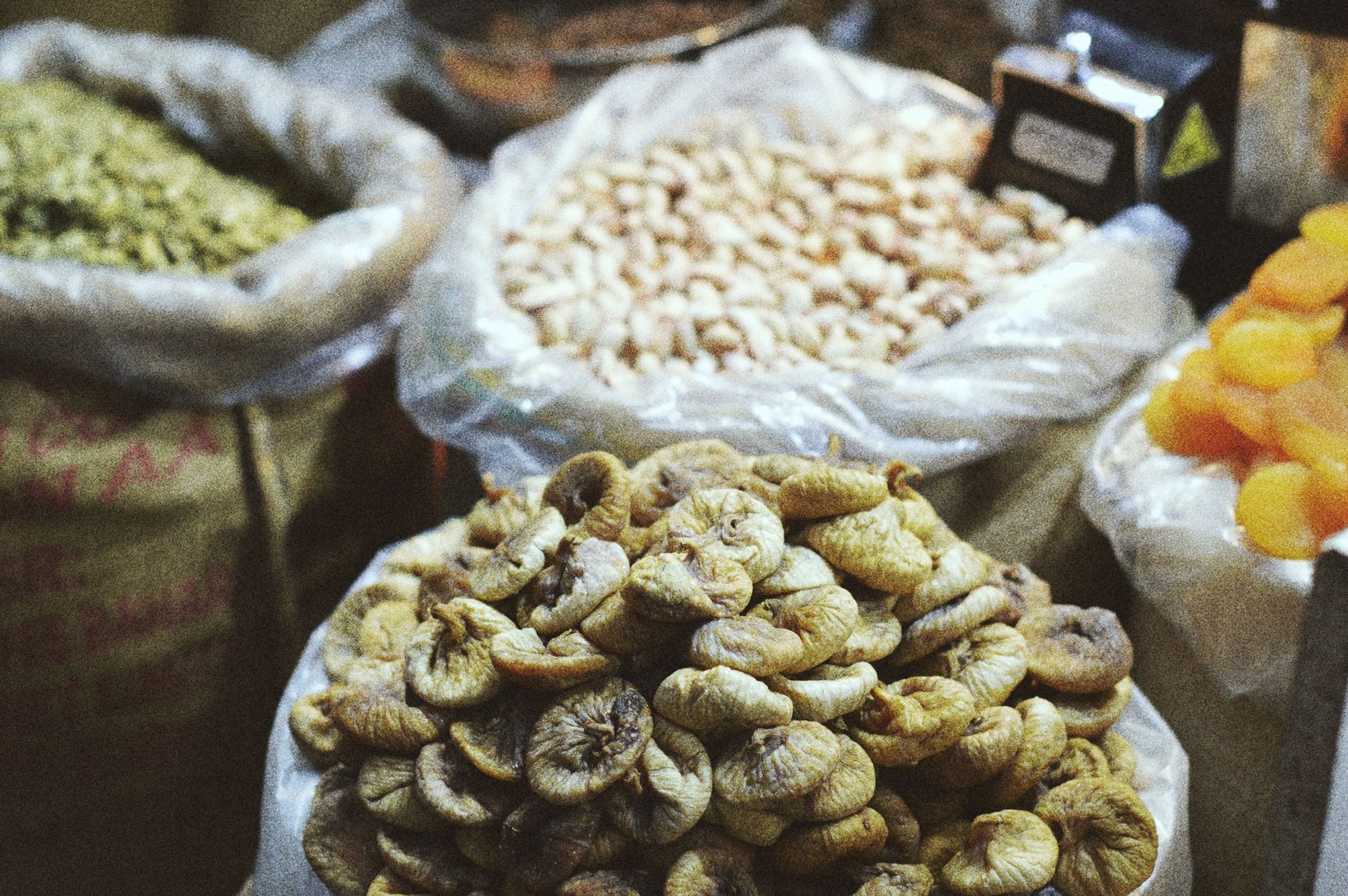
No fruit defines the Aegean autumn quite like the fig. Türkiye is the world's largest producer of figs, and the province of Aydın, especially the valleys around Nazilli, Sultanhisar, and Kuyucak, grows the lion's share. Here, the famous Sarılop variety is prized for its honeyed sweetness and thin skin, perfect for drying under the sun.
Harvest season for figs runs from mid-August to early October, with the peak in September. During this time, you can visit family-run orchards and join the picking. The work is gentle but rhythmic: figs are harvested by hand, often early in the morning when the fruit is cool and the milky sap is less irritating. You'll learn to twist the fig gently from the branch, leaving the stem intact — a skill that takes a few tries but becomes meditative.
Many farms, such as those around the village of Çiftlikköy, offer agritourism experiences. You can help spread figs on wooden drying racks, a traditional method that has been used for centuries. The figs dry in the sun for several days, turning golden and chewy. Afterward, a farm breakfast of village cheeses, olives, and fresh bread awaits.
"The fig is a gift from the sun," says Mehmet, a third-generation grower near Nazilli. "When you pick one warm from the tree, you taste the whole summer."
Almond Groves: Datça Peninsula and the Bademli Orchards
While figs dominate the northern Aegean, the southern coast around Datça and the village of Bademli (near Ödemiş) is almond country. Almonds are harvested from late August to mid-September, when the green outer hull splits open to reveal the shell inside. The Datça peninsula, with its dry, sunny climate, produces some of the most flavorful almonds in Türkiye.
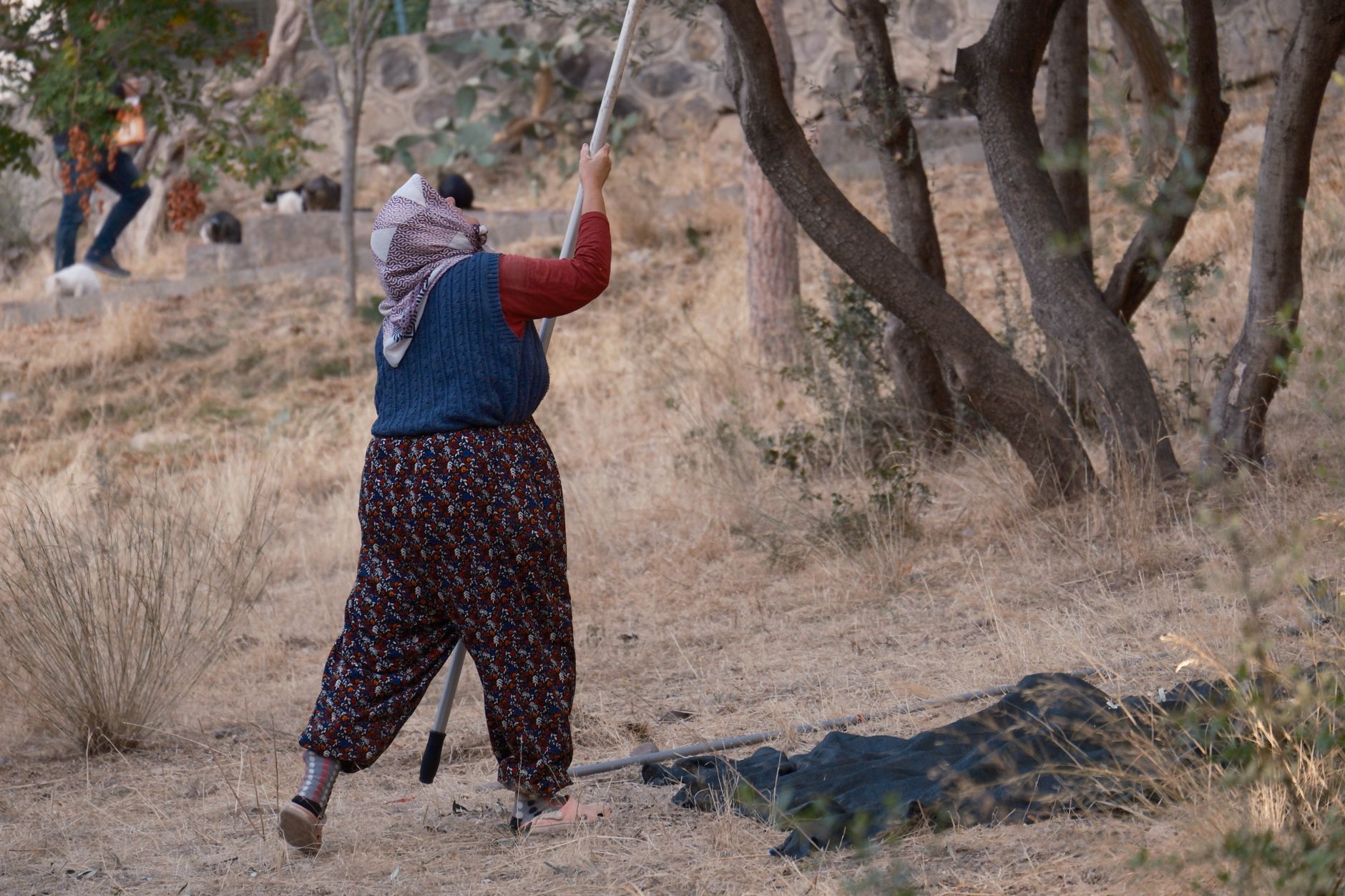
Visiting an almond grove is a sensory delight. You'll see farmers beating the branches with long poles to knock the nuts onto tarps below — a traditional method that requires skill and precision. Many small farms invite visitors to join the harvest for a day. You can help gather the fallen almonds, remove the hulls, and lay them out to dry. The work is satisfying and the conversation flows easily over glasses of homemade lemonade.
In Bademli, the annual Almond Festival in late August celebrates the harvest with music, dancing, and, of course, almond-based treats: almond cookies, almond milk, and green almonds pickled in brine. It's a wonderful way to immerse yourself in local culture.
Citrus Season: Oranges, Mandarins, and Lemons on the Bosphorus and Beyond
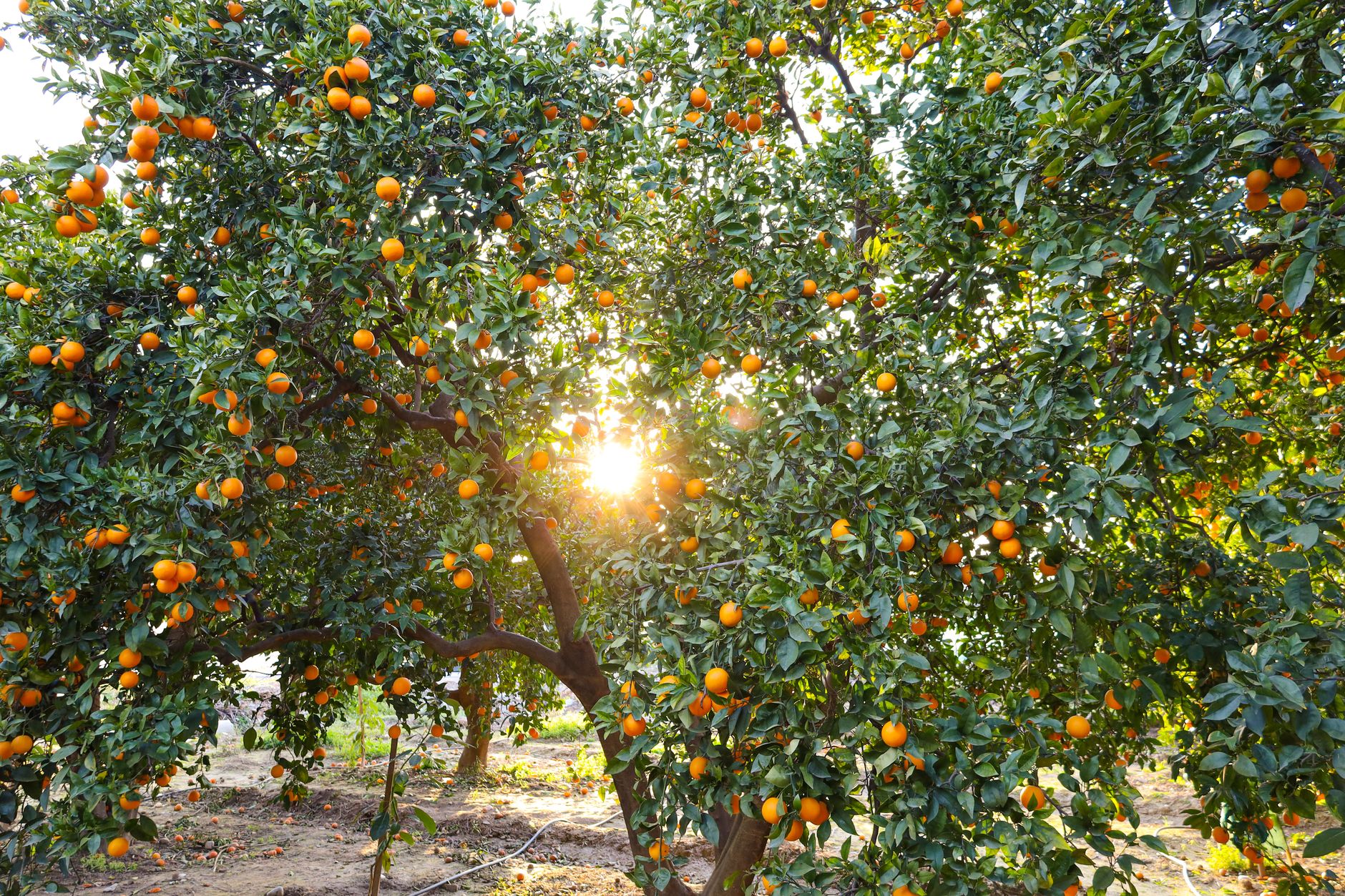
As autumn turns to early winter, the citrus harvest begins. Along the Aegean and Mediterranean coasts — from Bodrum to Antalya — and even in the sheltered valleys near Istanbul's Bosphorus villages like Zekeriyaköy and Çekmeköy, citrus orchards come alive with color. The season runs from November through February, with mandarins and oranges peaking in December and January.
The Aegean region, particularly around İzmir and Aydın, is famous for its Satsuma mandarins, which are easy to peel and bursting with juice. Visiting a citrus farm in late autumn offers a warm escape from cooler weather elsewhere in Türkiye. You can wander through rows of trees laden with fruit, pick your own mandarins, and learn about the different varieties — from the tangy Eureka lemons to the sweet Washington oranges.
Many citrus farms offer tours that include a tasting of fresh-squeezed juices and homemade marmalades. In the village of Şirince, near Ephesus, you can combine citrus picking with a visit to a traditional wine house, as the area is also known for fruit wines made from mandarin and fig.
Practical Tips for Joining the Harvest
Best Time to Go: Plan your trip according to the crop. Figs peak in September, almonds in late August to early September, and citrus from November to January. The weather is mild and pleasant, with daytime temperatures between 20–28°C (68–82°F) in autumn.
How to Find Farm Visits: Many farms along the Aegean welcome visitors, but it's best to arrange in advance. Look for "agritourism" or "tarım turizmi" signs, or ask at local tourist offices in İzmir, Aydın, or Muğla. Platforms like WWOOF Türkiye and HelpX list organic farms seeking volunteers, often in exchange for accommodation and meals. Alternatively, join a guided harvest tour — several operators in İzmir and Bodrum offer day trips to fig and citrus orchards.
What to Bring: Comfortable closed-toe shoes, a hat, sunscreen, and a reusable water bottle. For fig picking, long sleeves are recommended to protect against the sap. A camera is essential — the orchards are incredibly photogenic.
Etiquette: Always ask before picking. Farmers are generous but appreciate respect for their land. A small purchase of their products is a gracious way to say thank you.
Markets and Festivals: Where to Taste the Harvest
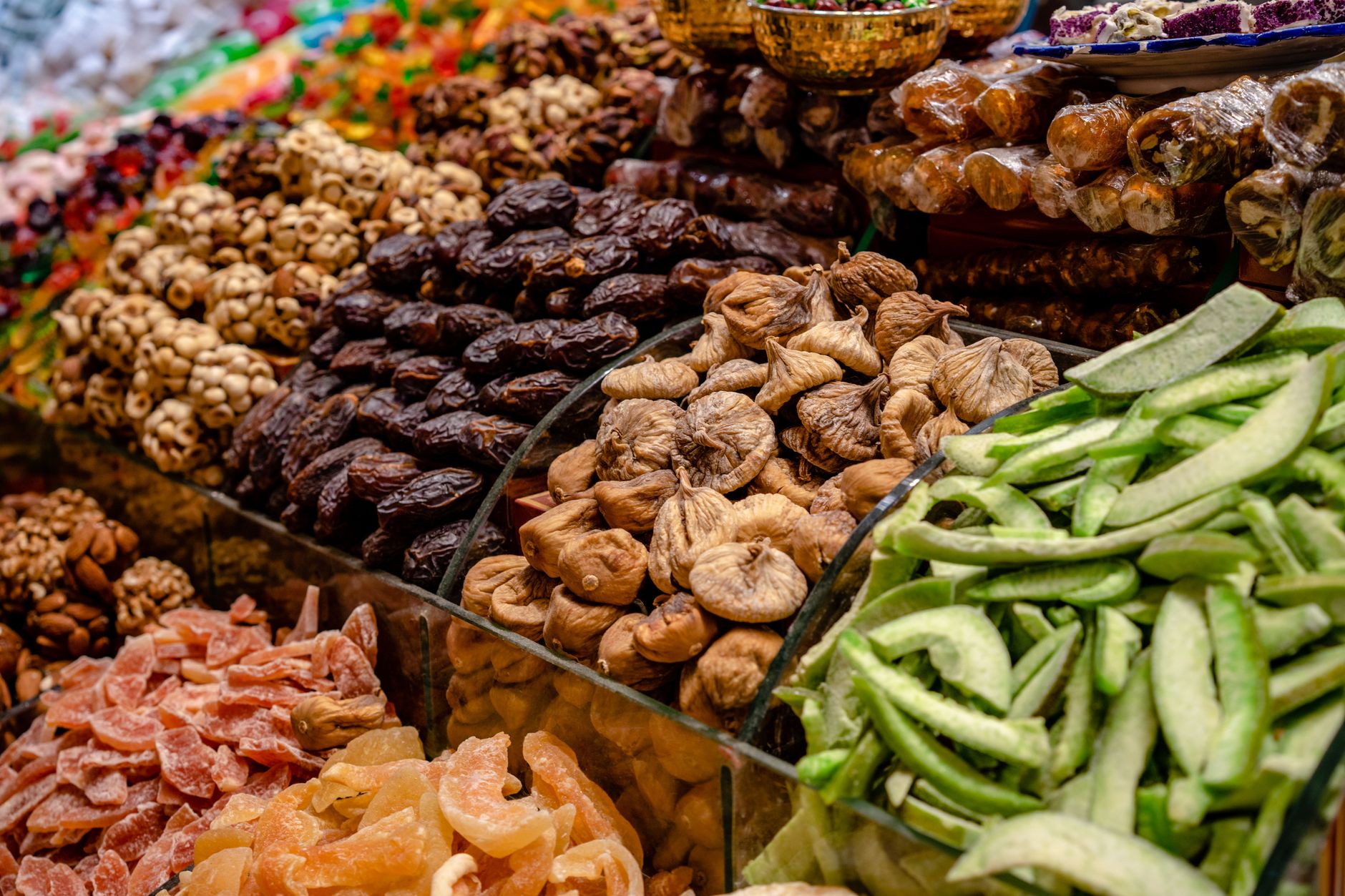
To truly experience the autumn harvest, visit the local markets (pazar) that pop up in every town. In İzmir, the Kemeraltı Market is a labyrinth of stalls selling fresh figs, almonds, and citrus, along with olives, cheeses, and spices. The Aydın Saturday Market is famous for its fig vendors, where you can buy dried figs, fig jam, and fig coffee.
Harvest festivals are another highlight. The International Fig Festival in Aydın (usually held in September) features concerts, food stalls, and fig-themed competitions. The Datça Almond Festival in August is a lively celebration with folk dancing and almond delicacies. And in December, the Mandarin Festival in Bodrum attracts crowds with mandarin-picking contests and freshly squeezed juice stands.
These events are perfect for families and offer a chance to interact with locals in a festive atmosphere.
Bringing the Harvest Home: Shipping and Customs
You'll likely want to bring some of this deliciousness back with you. Dried figs and almonds are easy to pack and generally allowed in most countries, but always check your destination's customs regulations. Fresh fruit, however, is often restricted due to agricultural protection laws. For example, the US and EU prohibit most fresh fruits from entering.
If you want to ship products home, many farms and markets offer vacuum-sealed packaging and international shipping. Dried figs, fig paste, almond candies, and citrus marmalades are safe bets. In Turkey, you can use cargo services like PTT or private couriers like UPS and DHL. Expect shipping costs to vary by weight and destination; a 2 kg package to Europe might cost around 300–500 TL.
Alternatively, carry them in your checked luggage. Dried fruits and nuts are usually fine, but declare them if required. Vacuum sealing helps preserve freshness and prevents customs issues. For citrus, consider bringing home a bottle of olive oil infused with lemon or a jar of mandarin marmalade — liquid gold that captures the season.
Remember, the joy of the harvest isn't just in the produce — it's in the memories you make. So pick a fig, crack an almond, and raise a glass of fresh orange juice to Türkiye's autumn bounty.
Thinking about a trip to Turkey?
Share your contact details and a vetted local expert will follow up with a plan built around you — free, no obligation.