
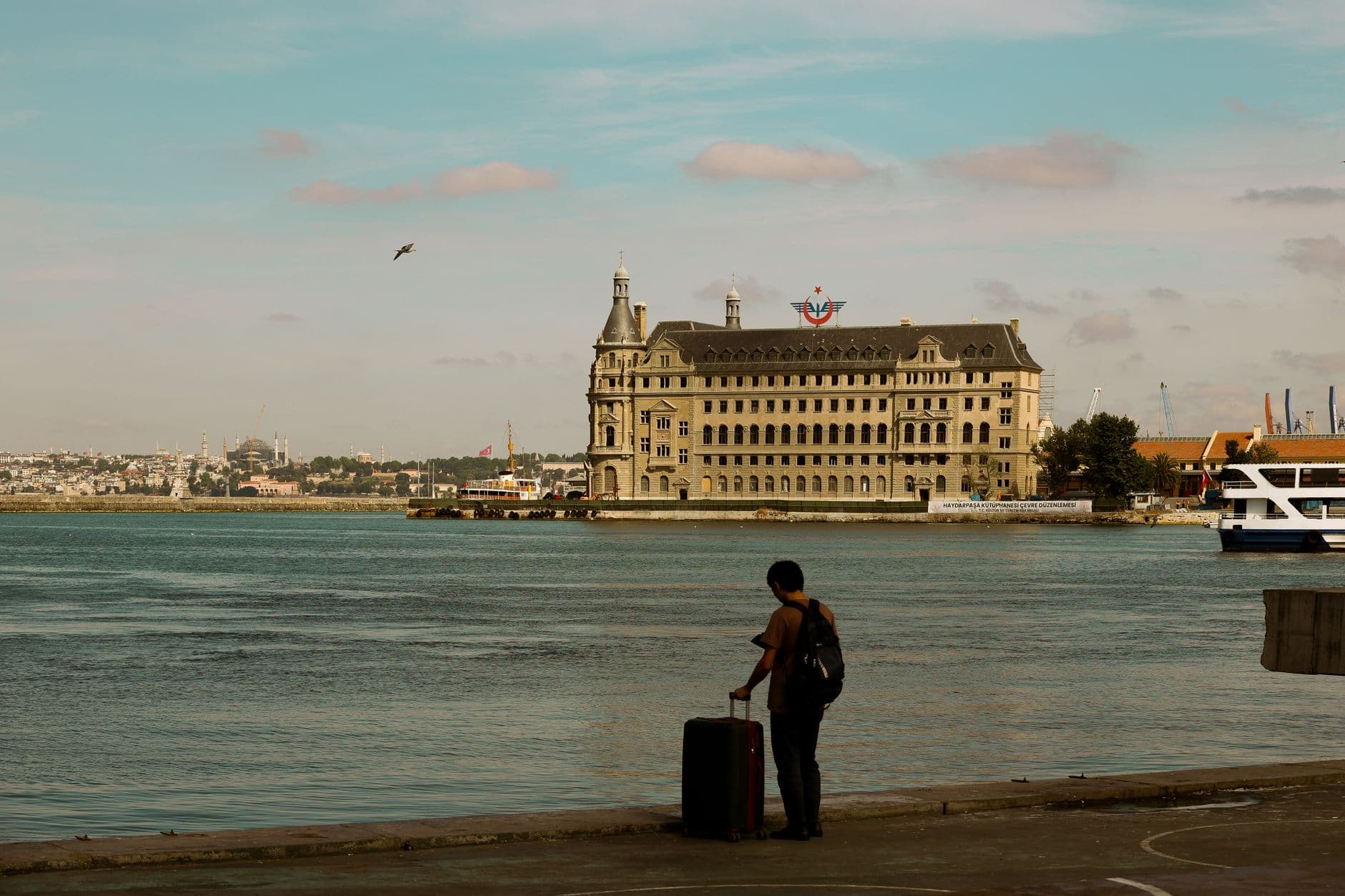
Why Packing for Türkiye Is Easier Than You Think
First-timers often over-pack for Türkiye. The good news is that everyday essentials are genuinely easy to find here. From Istanbul's corner shops and supermarket chains to the small bakkal grocery on almost every street, you can pick up sunscreen, shampoo, phone chargers, adapters and umbrellas within minutes of landing. Larger cities have malls, pharmacies on nearly every block, and familiar international brands alongside excellent local ones.
That means your suitcase should focus on the things that are personal, specific or hard to replace: comfortable shoes, medication you rely on, modest layers you actually like, and a few items that make long travel days easier. Everything else you can buy locally, often for less than you'd expect, and often with a friendly chat thrown in.
This guide walks through Türkiye's regional climates, a season-by-season packing plan, the practical details (plug types, footwear, modest layers) and what's genuinely worth buying on the ground. For timing your trip around the weather, our best time to visit guide pairs nicely with this list.
Türkiye's Climate Varies Far More Than You'd Guess
Türkiye is not one climate. Istanbul and the Marmara coast are temperate, with humid summers and cool, damp winters. The Aegean and Mediterranean coasts (İzmir, Bodrum, Antalya) have hot, dry summers and mild, rainy winters. Central Anatolia (Cappadocia, Ankara, Konya) is continental: hot summer days, cold nights, and genuinely snowy winters. The Black Sea region is famously lush and wet year-round, while the southeast (Gaziantep, Mardin, Şanlıurfa) bakes in summer and stays relatively mild in winter.
The practical upshot is that a two-week trip can span several climate zones. You might swim in Antalya and need a light jacket in Cappadocia the same week. Layering is your best friend, and flexibility beats over-planning. For a sense of how to string regions together, our routes page is a good starting point.
Season also shifts what you need. Coastal summer is about sun protection and breathable fabrics; spring and autumn reward you with warm days and cool evenings; winter in Istanbul or Anatolia calls for rain gear and a real coat. Checking a forecast a few days before departure is far more useful than packing for the country's average.
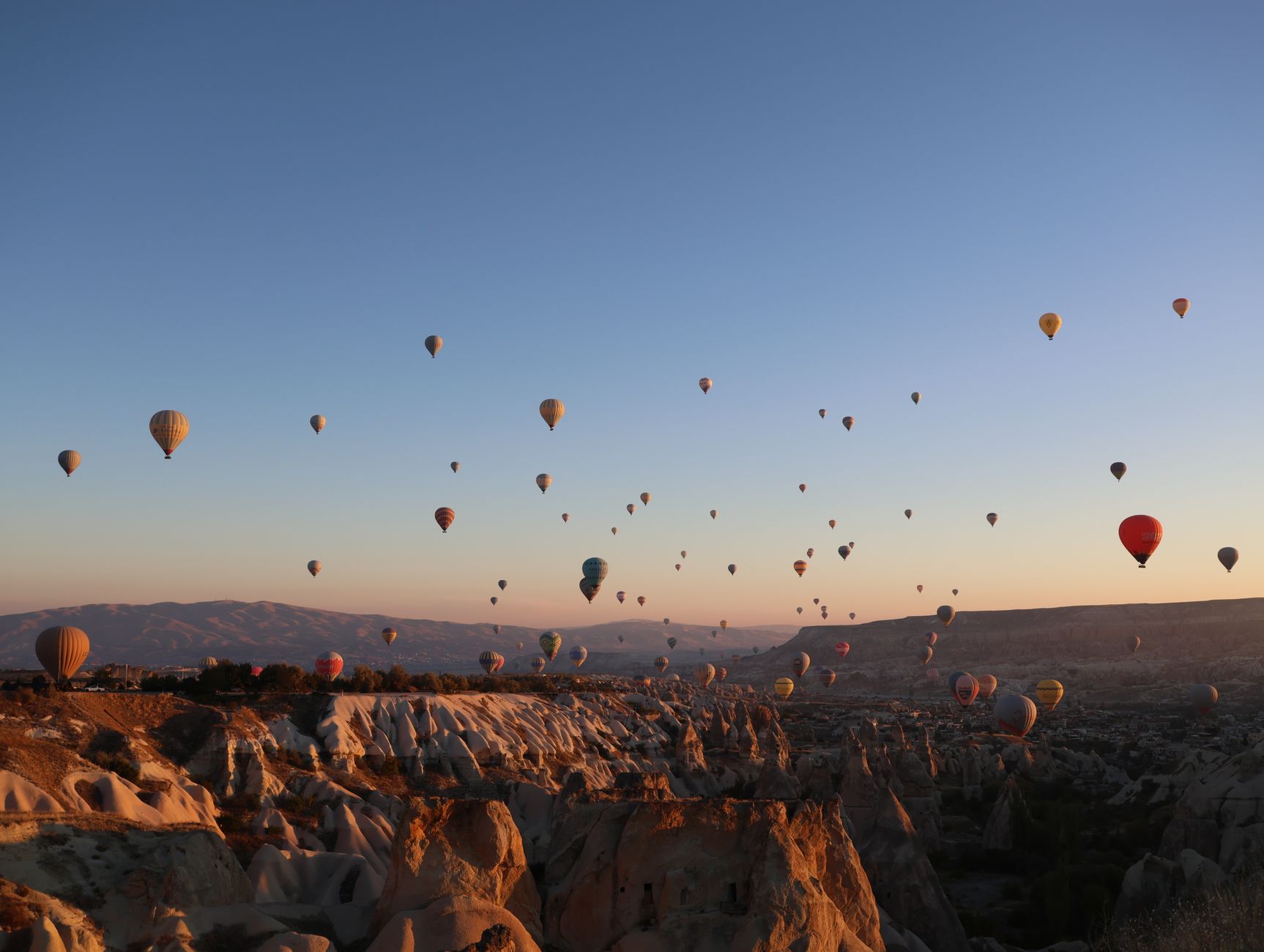
A Season-by-Season Packing Plan
Spring (March–May)
Spring is one of the loveliest times to travel, with wildflowers, mild temperatures and fewer crowds. Pack a light waterproof layer, a warm mid-layer for cool evenings in Cappadocia, and walking shoes that handle wet cobblestones. Istanbul in March can still feel chilly and damp.
Summer (June–August)
Expect heat, especially on the Mediterranean and Aegean coasts and in the southeast. Choose loose, breathable clothing in light colors, a wide-brimmed hat, sunglasses and high-factor sunscreen. A light long-sleeved shirt helps with sun and with visiting mosques. Coastal evenings can be breezy, so a thin cardigan or shawl is welcome.
Autumn (September–November)
Autumn is arguably the sweetest season: warm seas, comfortable sightseeing weather, and golden light. Bring layers, a light rain jacket for Istanbul and the Black Sea, and one warmer option for Anatolian evenings. Our travel guides cover regional highlights in more depth.
Winter (December–February)
Winter varies dramatically. Istanbul is cool and often wet, with occasional snow. Cappadocia and eastern Anatolia get real cold and snow. The Mediterranean coast stays mild but rainier. Pack a warm coat, waterproof boots or shoes, and thermal layers for the interior. A compact umbrella earns its place.
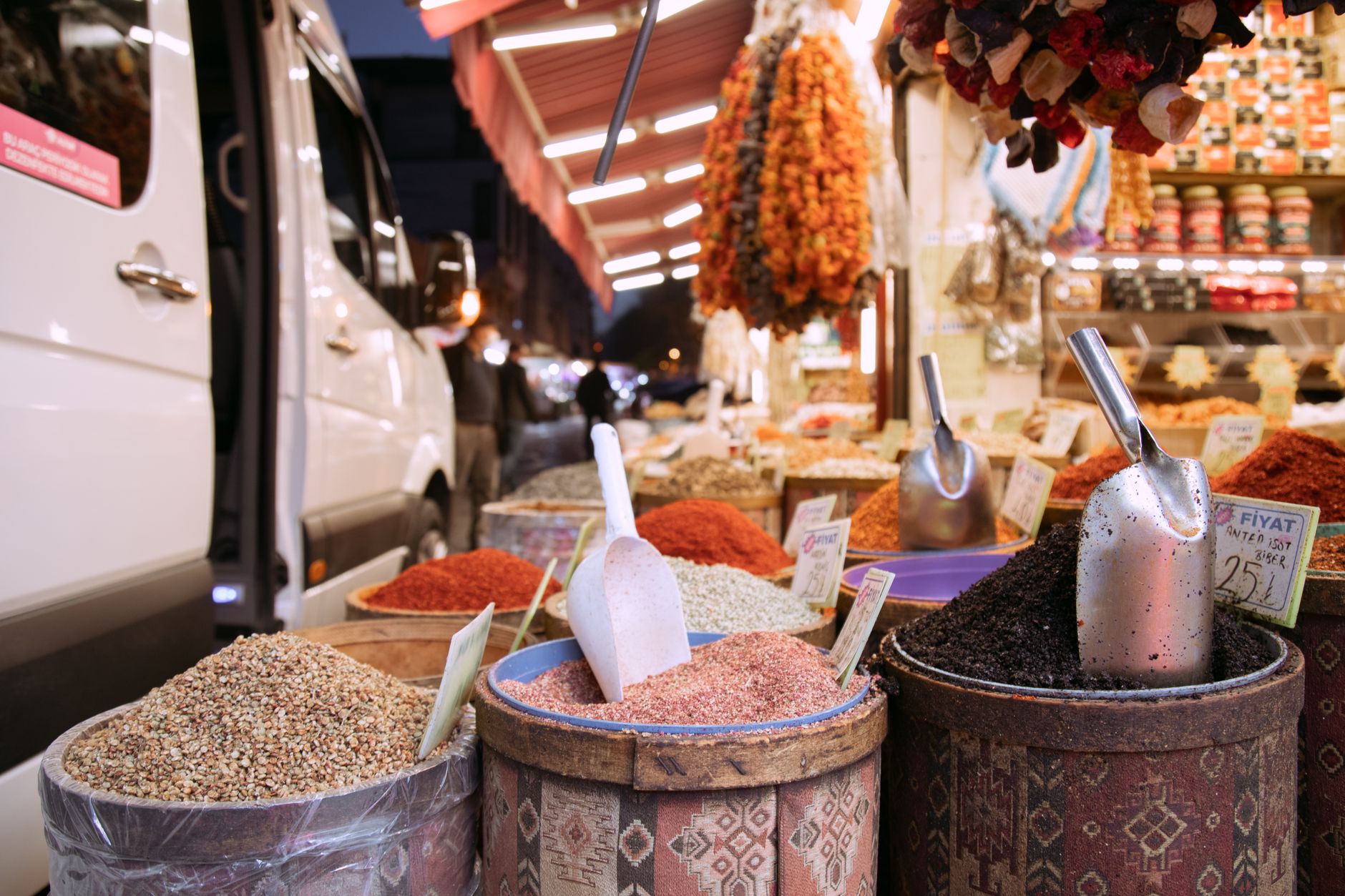
The Practical Details: Adapters, Footwear and Modest Layers
Plugs and adapters: Türkiye uses Type C and Type F sockets (the two-round-pin European style) at 220–230 volts. Travelers from the UK, US, Australia and many other countries will need a plug adapter; dual-voltage devices like phones and laptops generally only need the adapter, not a converter. You can buy adapters cheaply in Turkish electronics shops and supermarkets, but bringing one from home saves the first-day hunt.
Footwear: You'll walk more than you expect — cobblestones in Istanbul's old city, uneven trails in Cappadocia, marble floors in museums. Bring one pair of broken-in walking shoes and one pair you can slip on easily for mosque visits, where shoes come off. Sandals are great for the coast but poor on historic streets. If you plan hikes, a light pair of trainers with grip is usually enough.
Modest layers: Türkiye is relaxed and modern, and you'll see every style of dress, especially in Istanbul and coastal resorts. That said, a light scarf or shawl and a pair of loose trousers or a long skirt are genuinely useful. Women are expected to cover their hair and shoulders when entering mosques, and both men and women should cover shoulders and knees. A scarf also doubles as sun protection, a picnic blanket and a pillow on long bus rides.
Other small essentials: a refillable water bottle, a small daypack, hand sanitizer, and a compact first-aid kit with any personal medication. Pharmacies (eczane) are plentiful, but brand names may differ from home.
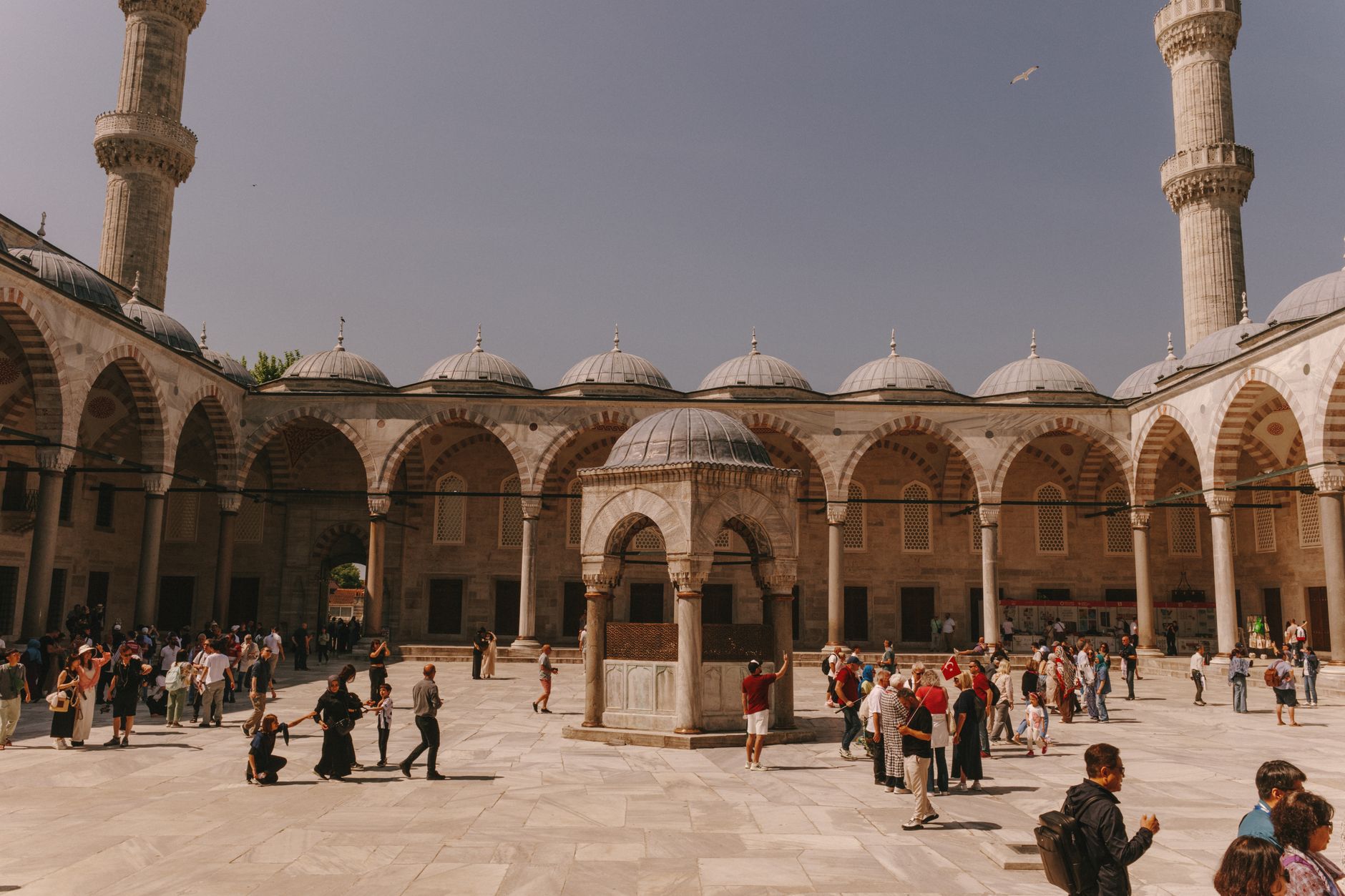
What to Buy Locally (and Where)
Türkiye is a shopper's paradise for practical items. Supermarkets and chain stores stock sunscreen, toiletries, umbrellas, adapters, basic clothing and beach gear at reasonable prices. Local markets (pazar) are wonderful for fresh fruit, nuts, dried figs and cheap cotton clothing. Pharmacies are reliable for over-the-counter medicine, though it helps to know the generic name or bring your prescription.
Some things are worth buying here on purpose. A peştemal (traditional hammam towel) is light, quick-drying and perfect as a beach towel or scarf. Locally made cotton shirts and linen clothing are comfortable in the heat and often excellent value. A good pair of leather sandals or slippers from a local artisan makes a memorable and useful souvenir. And if you're heading to a hammam, you can buy everything you need on site.
One thing to buy early: a Turkish SIM card or eSIM if you need data. You can arrange this at the airport or in city centers, and it makes navigation, translation and booking much smoother. For more practical tools and links, see our travel tools page.
A note on modesty shopping: if you realize you'd like a nicer scarf or a longer dress for mosque visits, you'll find beautiful options in markets and shops in almost every city, often handmade and inexpensive.
A Sample First-Timer Packing List
Here's a starting point to adapt to your season and route:
- 3–4 tops in breathable fabrics, plus one long-sleeved layer
- 2 pairs of trousers or a mix of trousers and a long skirt
- Light waterproof jacket or compact umbrella
- Warm mid-layer or fleece for evenings and Anatolia
- One smart-casual outfit for nicer dinners
- Comfortable walking shoes and easy slip-on shoes
- Scarf or shawl for mosques and sun
- Swimwear and a light towel if visiting the coast
- Sunglasses, hat and high-factor sunscreen
- Plug adapter (Type C/F), power bank and charging cables
- Refillable water bottle, small daypack and basic toiletries
- Personal medication and a copy of prescriptions
Leave a little space — you'll almost certainly want to bring something home. Turkish textiles, ceramics, spices and coffee travel well, and a little room in your bag is a small investment in a great trip.
If you'd like help matching your packing plan to a specific route or season, our trip planner and local experts can point you in the right direction. And for inspiration before you go, browse the destinations section. Safe travels — Türkiye is easier, friendlier and more varied than most first-timers expect.
Thinking about a trip to Turkey?
Share your contact details and a vetted local expert will follow up with a plan built around you — free, no obligation.