

Why Türkiye's Castles Make Perfect Day Trips
Türkiye is littered with fortifications — Roman, Byzantine, Seljuk, Armenian, Crusader, Ottoman — and many of them sit in towns that are rewarding in their own right. That combination is what makes a castle day trip here so satisfying: you climb a hill or a rampart in the morning, take in a panorama that explains the whole geography of a region, then spend the afternoon eating well in a bazaar or beside the water.
Unlike a museum visit, a fortress visit is physical. You walk on the same stone the garrison walked on, often on restored ramparts that have been made safe without being over-sanitised. The reward is almost always a view: a harbour seen from above, a city spreading across a plateau, a river gorge, a sea that goes on until it fades.
This guide focuses on four strong examples — Gaziantep, Bodrum, Sinop and a cluster of "beyond" fortresses — plus the practical details that decide whether a castle day works or falls flat: opening hours, footwear, heat, and what to do with the rest of your day. If you are still shaping a wider route, our destinations section and itineraries are good places to slot these towns in.
One general rule: treat any castle as a morning activity. Light is softer, tour buses have not arrived, and you still have the afternoon free for markets and lunch. Check the best time to visit page for seasonal heat and crowding before you commit to a summer date.
Gaziantep: Basalt Walls Above a Food Capital
Gaziantep Castle sits on a mound in the centre of the old city, and its story is unusually deep: the hill has been fortified since antiquity, with layers from Roman, Byzantine and later periods visible in the surviving walls. The circular bastion and the long stretch of dark basalt rampart give the castle a severe, almost coal-coloured look that is very different from the white-stone coastal fortresses.
Note that the castle and its surroundings were affected by the February 2023 earthquakes, and repair work has been ongoing. Opening hours and access have shifted more than once, so confirm the current situation locally or through your hotel before building a day around it. Even when parts are closed, the exterior walls and the old city around them remain worth the walk.
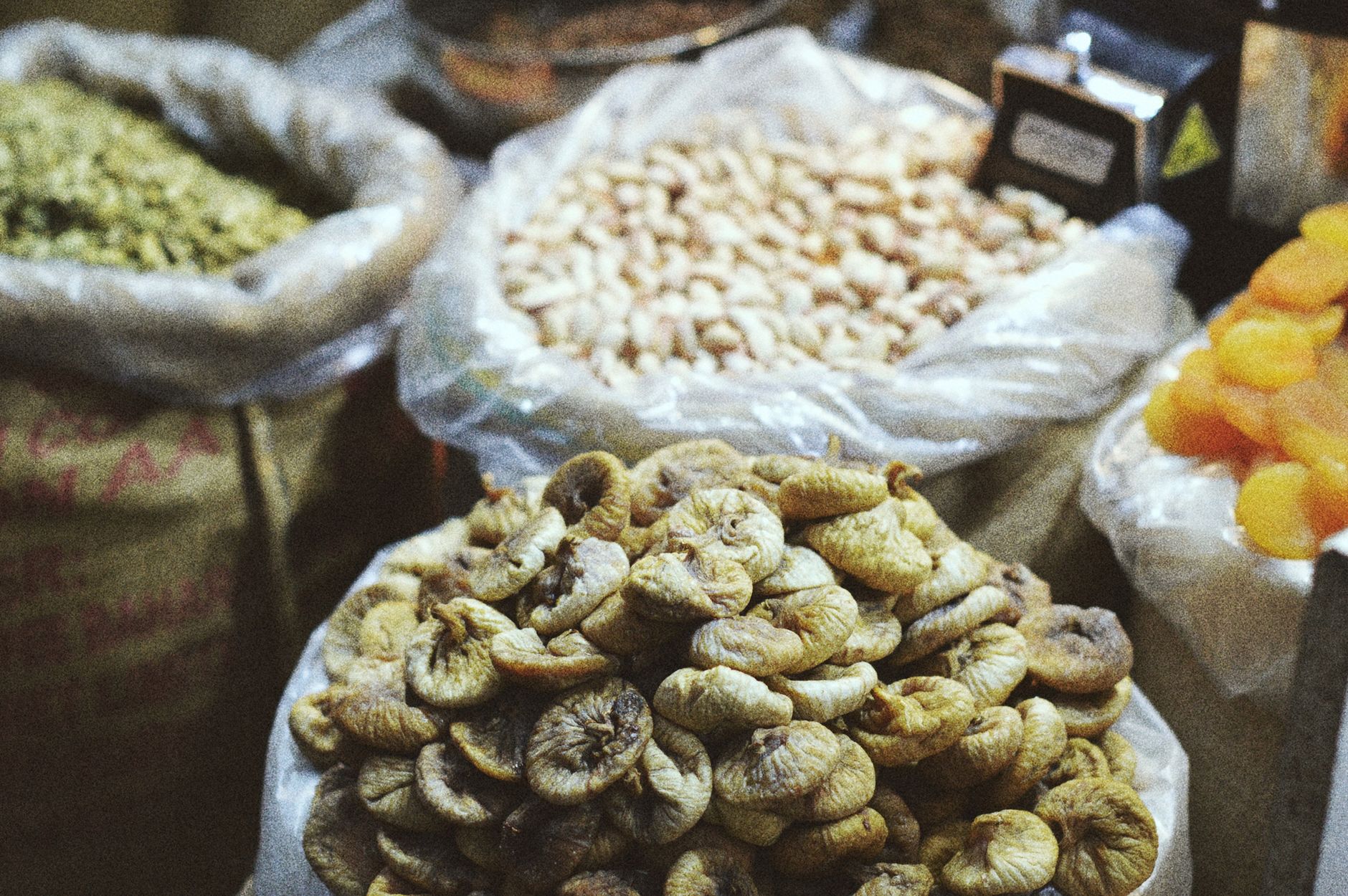
What makes Gaziantep exceptional as a day trip is the pairing. Below the castle spreads a genuinely great food city: pistachio everything, kebabs, katmer, and the covered passages of the old bazaar district. Plan the castle first, then walk down into the markets for lunch. Bakırcılar Çarşısı, the coppersmiths' bazaar, is a short stroll and still has working workshops.
Also nearby: the Zeugma Mosaic Museum, one of the finest mosaic collections anywhere, and the narrow alleys of the old town. If you want help structuring a food-and-history day here, our local experts can advise on current opening status.
Gaziantep rewards the traveller who arrives hungry and leaves the castle for last — climb in the late afternoon, when the basalt glows and the bazaar is at its liveliest.
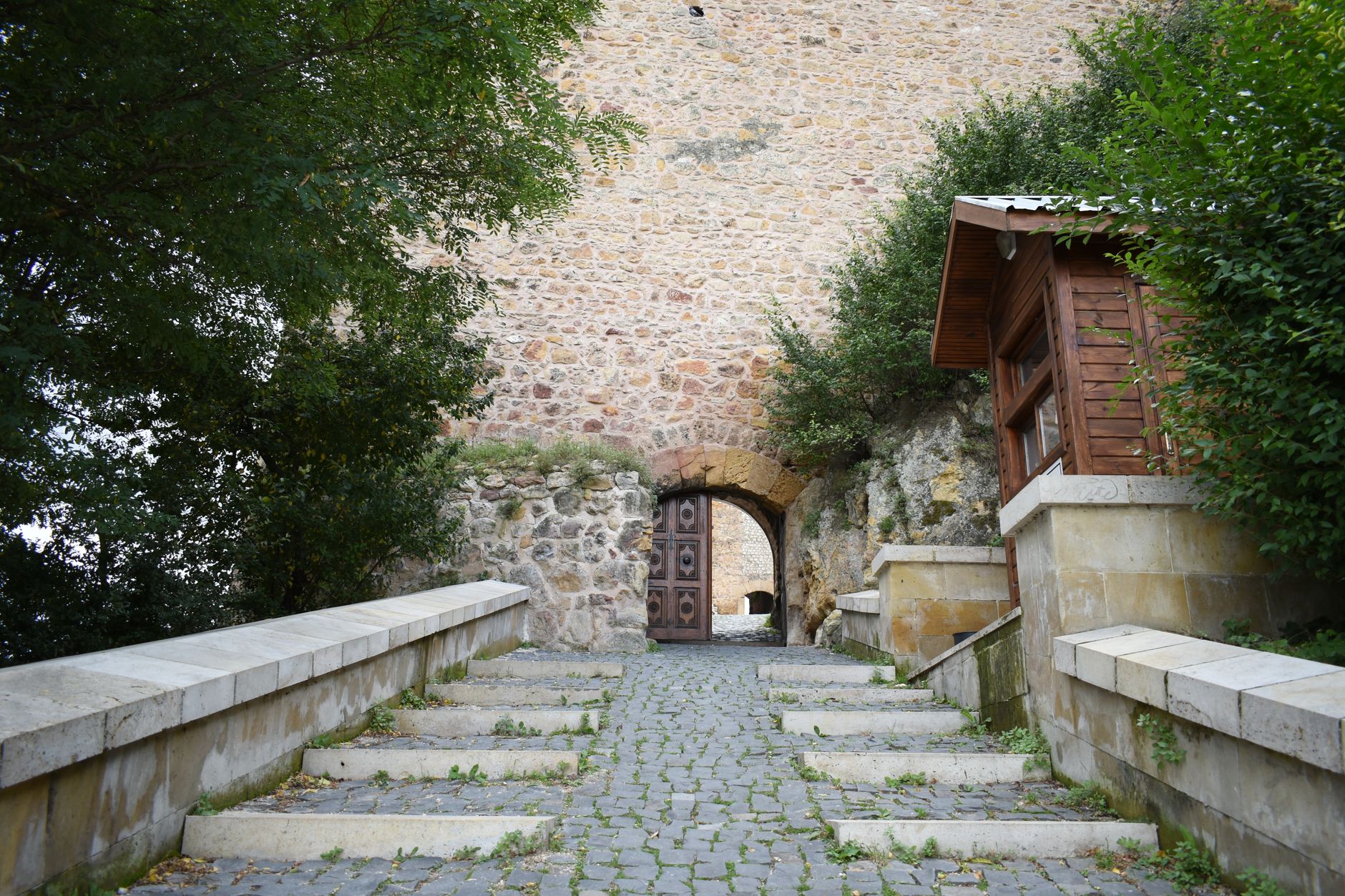
Bodrum: Crusader Stones Above the Aegean
Bodrum Castle — the Castle of St Peter — is the most photogenic fortress in Türkiye. Built by the Knights of St John in the early fifteenth century, it sits on a peninsula between two harbours, and its towers carry the coats of arms of the various European nations that funded it. The stones were partly quarried from the Mausoleum at Halicarnassus, one of the Seven Wonders, which is a pleasing bit of recycling to point out to your travel companions.
The castle is also home to the Museum of Underwater Archaeology, with shipwreck finds and reconstructed vessels. That means a visit is not just walls and views: allow two to three hours if you actually want to see the galleries rather than sprint to the battlements. Hours are generally daytime and vary by season, so check the official museum schedule for the day you plan to go; in summer the castle often stays open later than you might expect.
The classic Bodrum day: castle in the morning, then a slow lunch at a harbourside restaurant on the west side, then an afternoon wander through the whitewashed, bougainvillea-draped streets of the old town. The bazaar area behind the harbour is good for sandals, textiles and ceramics — and it is right at the foot of the castle, so no extra transport is needed.
The view from the English Tower and the ramparts takes in the whole curve of the harbour, the gulets at anchor, and the hills beyond. Bring a hat: the stone reflects heat and there is limited shade on the upper walks.
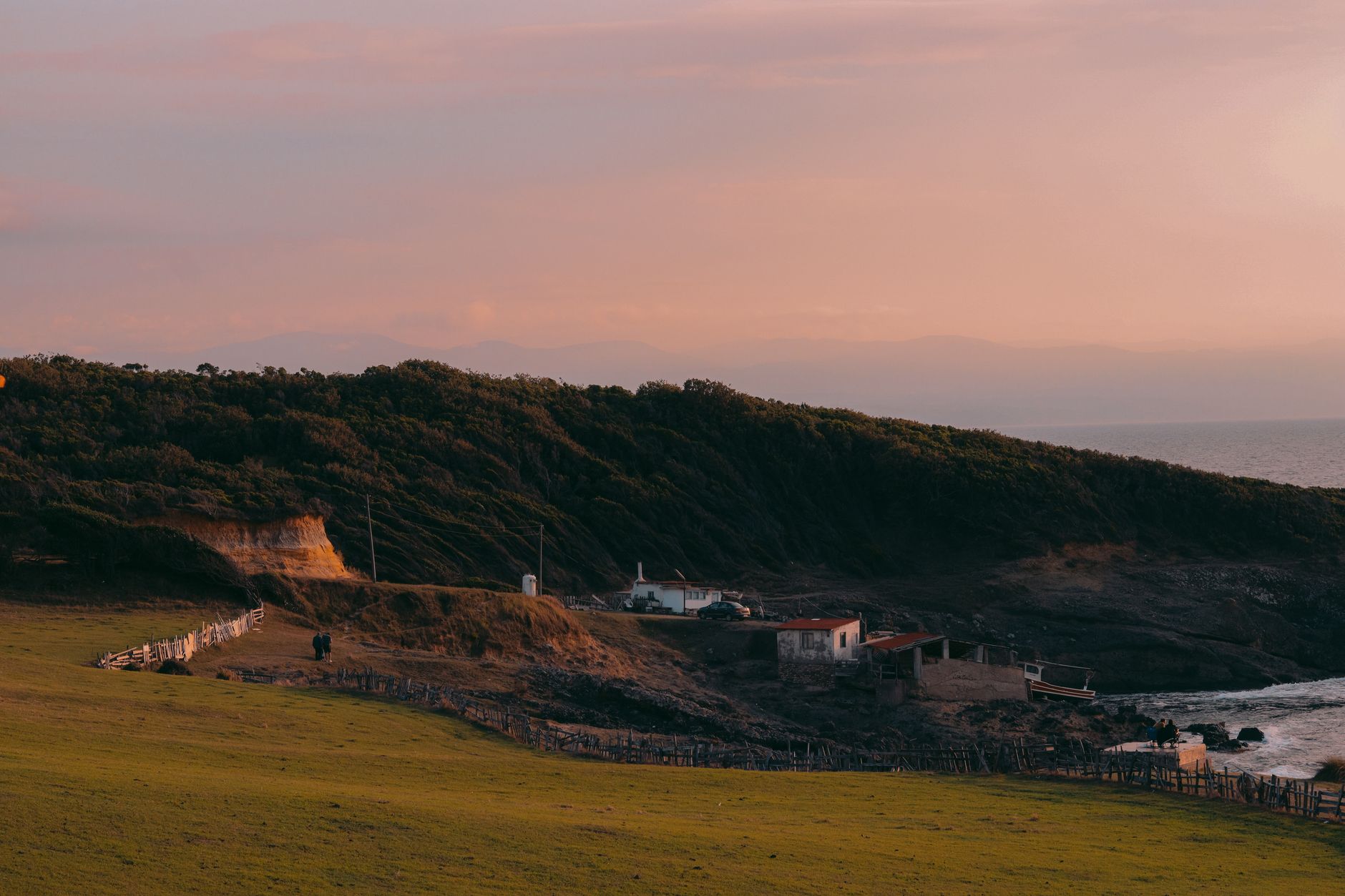
Sinop: The Black Sea's Lonely Fortress
Sinop is the forgotten gem of this list. On a narrow peninsula jutting into the Black Sea, it was founded as a Greek colony and has been fortified by nearly everyone since. The Byzantine-era walls still run across the neck of the peninsula and down toward the water, and the old prison inside the citadel — where Nazım Hikmet was held — adds a literary layer to the history.
What Sinop offers that Bodrum cannot is solitude. You can walk stretches of the ramparts with almost nobody else around, looking out at a sea that is grey and green and often dramatic. The town itself is small and walkable, with wooden houses, fishing boats, and a relaxed Black Sea pace.
Pair the fortress walk with a seaside lunch of hamsi (anchovy) in season, or with a visit to the archaeological museum. The bazaar is modest but authentic — this is not a tourist-staged market. It is a place to buy hazelnuts, local sweets and everyday goods.
Sinop is a long haul from Istanbul or Ankara, so it works best as an overnight stop on a Black Sea route rather than a same-day return. Read our routes guidance if you are linking it with Amasya or Samsun.
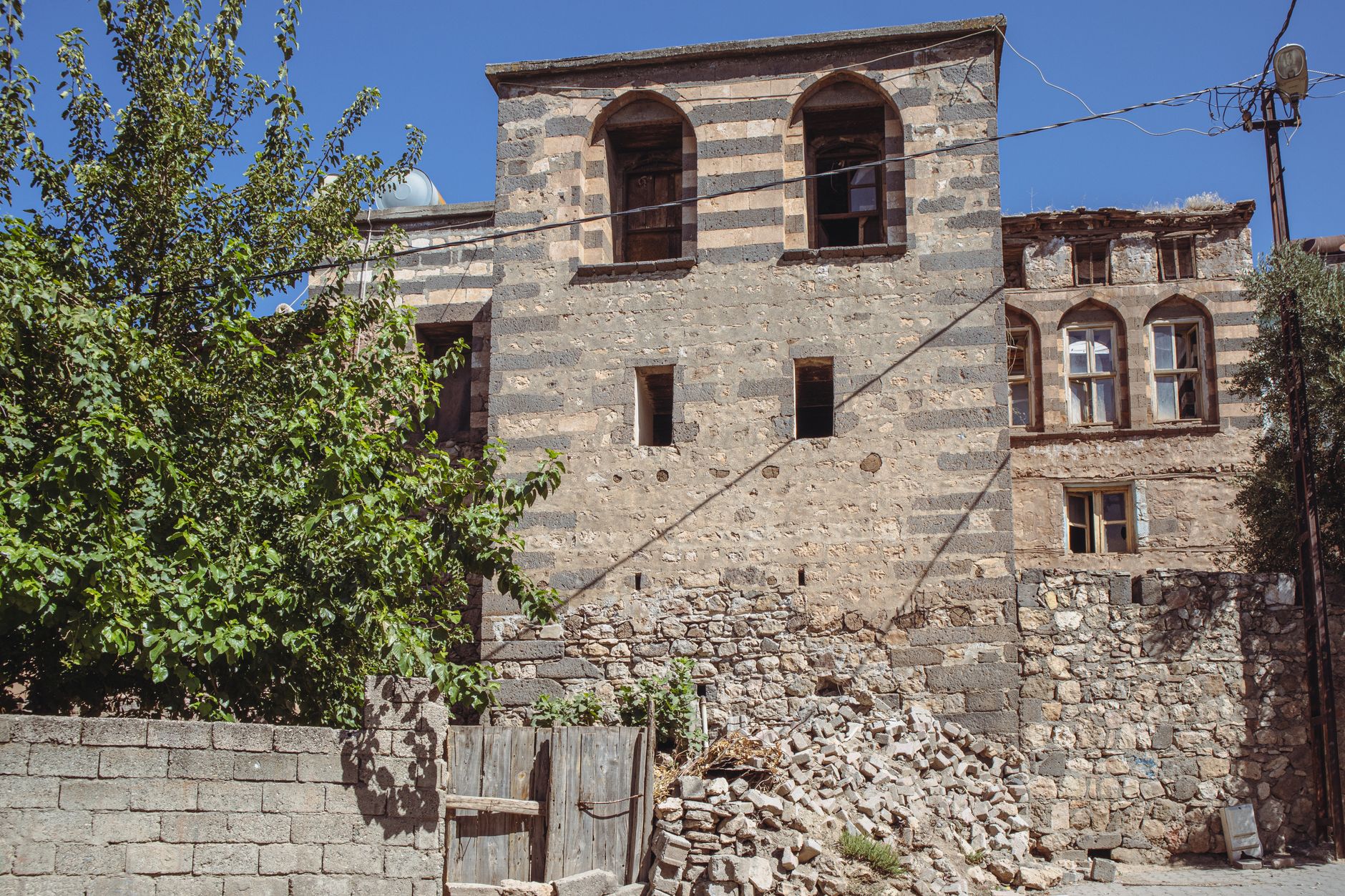
Beyond the Big Three: More Fortress Towns Worth the Climb
Amasya is arguably the most beautiful fortress town in Türkiye: rock-cut tombs of the Pontic kings above the Yeşilırmak river, Ottoman mansions along the water, and a castle on the crag above it all. The climb is steep but short, and the view down the river valley is unforgettable. Pair it with a walk along the river and a lunch of local stuffed leaves.
Diyarbakır has one of the longest continuous stretches of city walls anywhere, built of dark basalt and looping around the old town. Walking a section of the walls at sunset, with the Tigris plain beyond, is one of the great experiences of the southeast. The city's bazaars and the Hassan Pasha Han are close at hand for lunch.
Alanya on the Mediterranean combines a Seljuk-era red-brick keep with a harbour below and a beach around the corner — ideal if you want castle and swim in the same day. Ankara Castle is smaller but sits in the atmospheric old quarter of Kaleiçi, surrounded by restored houses and small restaurants. Rumeli Hisarı in Istanbul, built by Mehmed the Conqueror before the fall of Constantinople, is a superb half-day outing paired with a Bosphorus walk.
Each of these has different opening patterns: some charge a modest ticket, some are free and always accessible, and some have areas closed for restoration. The safest approach is to check the official museum portal or ask locally the day before. Our page lists resources for checking current hours.
Practical Notes: Hours, Shoes and Timing
Opening hours. Most ticketed castles and museums in Türkiye open around 08:30–09:00 and close between 17:00 and 19:00, with longer summer hours at major sites such as Bodrum. Many close one day a week or have reduced winter hours. Free fortress towns — stretches of walls at Diyarbakır or Sinop — are outdoor spaces accessible at any time, but interiors and museums within them follow museum hours. Always verify the day before, especially at earthquake-affected sites like Gaziantep.
Shoes. This matters more than people expect. Ramparts are uneven stone, stairs are steep and often without handrails, and polished steps become slick after rain. Wear closed shoes with grip — trainers or light hiking shoes. Avoid sandals, flip-flops and smooth-soled fashion shoes. If you are combining a castle with a beach day in Alanya or Bodrum, carry a second pair rather than compromising.
Timing and heat. Go early. Coastal fortresses like Bodrum and Alanya bake by midday, and the stone radiates heat. Carry water; many sites have limited or no shade on the upper walks. Inland sites such as Gaziantep and Diyarbakır are hottest in July and August — consider spring or autumn, and check our best-time guide for month-by-month detail.
Climbing considerations. Some towers have narrow spiral stairs and low doorways. If you are travelling with young children or anyone unsteady on their feet, stick to the ramparts and courtyards. Many sites have uneven ground and few benches.
Pairing Your Castle With a Bazaar or a Seaside Lunch
The best castle days have a second act. In Gaziantep, that means descending into the bazaar for pistachios and katmer. In Bodrum, it means a long lunch on the harbour with mezze and grilled fish, then shopping for sandals in the lanes behind the waterfront. In Sinop, it means hamsi and tea by the fishing harbour. In Diyarbakır, it means sitting in a restored han courtyard over a plate of liver kebabs.
Build the day this way: castle first, market or harbour second, rest third. You will see the town from above and then experience it at street level, which is the whole point of a fortress town.
If you would like this shaped into a full plan — two days in Gaziantep, a Bodrum peninsula loop, a Black Sea run — start with the trip planner or browse the guides for region-by-region detail. And if you are weighing up which fortress justifies a long detour, our FAQ covers common questions about transport and access.
Türkiye's castles are not just monuments. They are viewpoints, and the towns beneath them are the reward.
Thinking about a trip to Turkey?
Share your contact details and a vetted local expert will follow up with a plan built around you — free, no obligation.