

Why a Gulet Cruise Is the Ultimate First-Timer's Introduction to the Turquoise Coast
There are few travel experiences as quietly transformative as waking up on a wooden sailing yacht anchored in a hidden bay, the water so clear you can count the rocks on the seabed. For first-timers, a classic gulet cruise from Bodrum to Fethiye is the perfect introduction to Türkiye's Turquoise Coast: it's accessible, affordable, and utterly joyful.
A gulet is a traditional Turkish wooden sailing vessel, often with two masts and a wide, flat deck designed for lounging. They were originally used by fishermen and sponge divers, but today they've been lovingly converted into floating boutique hotels. You don't need any sailing experience—the crew handles everything. Your only job is to relax, swim, and eat.
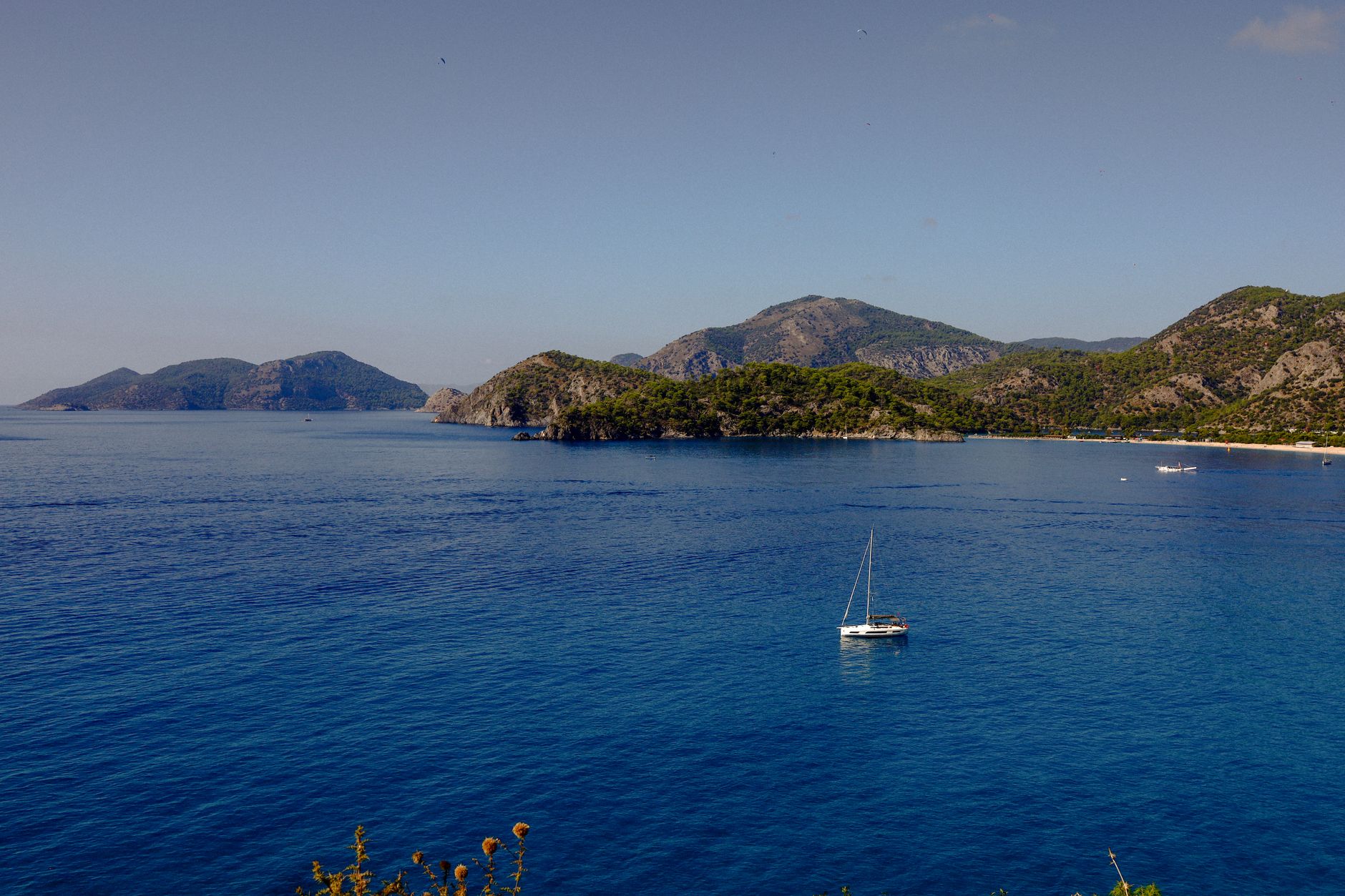
The route between Bodrum and Fethiye is the most popular for good reason. It threads through the Gulf of Gökova and the Göcek Islands, where pine-covered hills tumble into the sea and ancient ruins peek from the shoreline. Unlike a large cruise ship, a gulet anchors in quiet bays each night, so you fall asleep to the sound of water lapping against the hull and wake up to the smell of fresh coffee and the promise of a swim before breakfast.
What a Typical Day Looks Like: Swim, Eat, Sail, Repeat
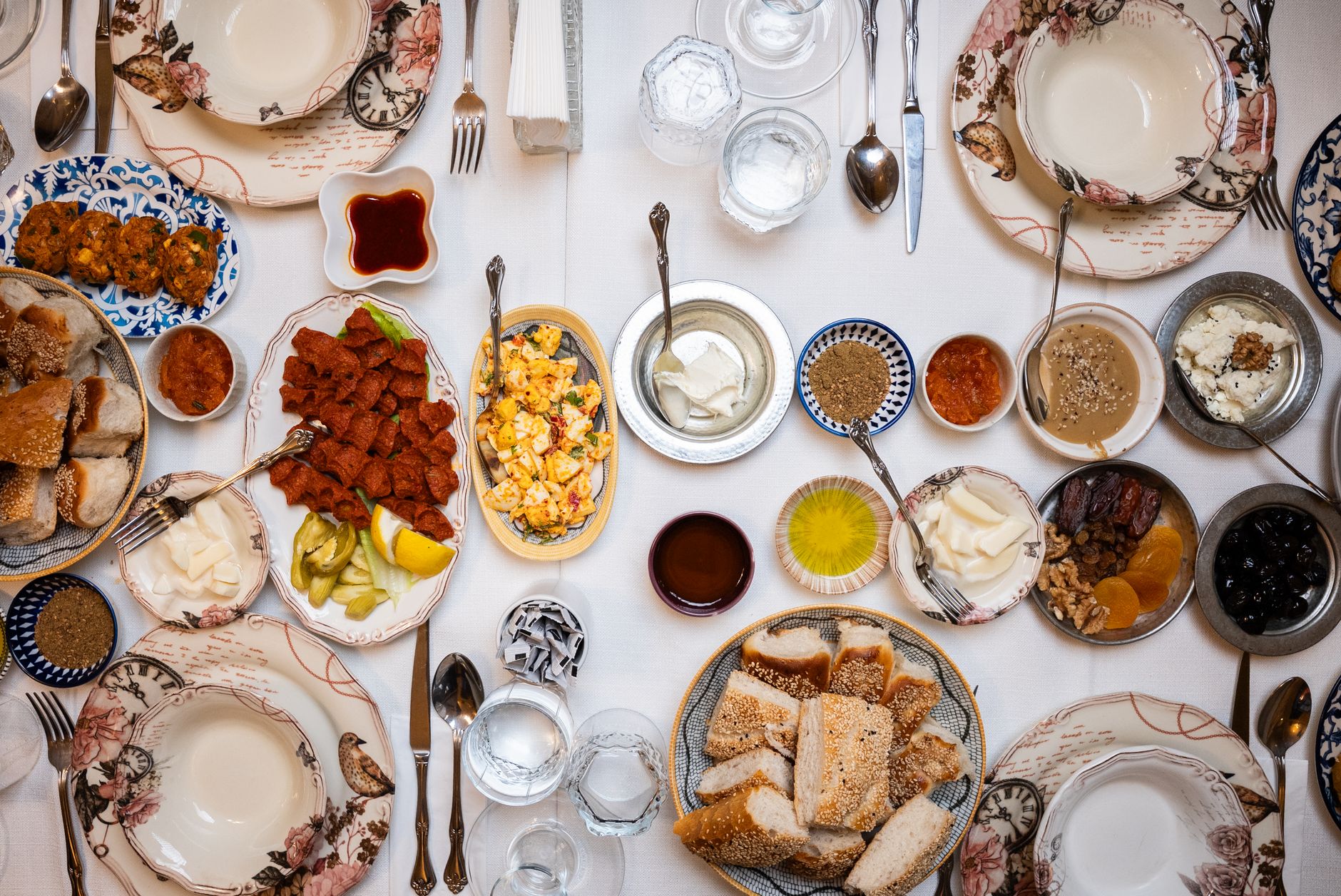
Days on a gulet follow a gentle rhythm that quickly becomes addictive. You'll wake around 7:30 or 8:00 to the aroma of Turkish tea and the gentle hum of the engine as the crew repositions for the first swim stop. Breakfast is a spread of white cheese, olives, tomatoes, cucumbers, honey, jams, and fresh bread—simple, plentiful, and exactly what you want before a morning dip.
By mid-morning, the boat anchors in a sheltered bay. You'll swim in water that shifts from turquoise to deep blue, snorkel around rocky outcrops, or just float on your back and watch the pine trees sway. Lunch is another feast: grilled fish or chicken, mezze, salads, and perhaps a plate of the crew's famous börek. Afternoons are for napping on the cushioned deck, reading in the shade of the awning, or kayaking if your boat carries one.
As the sun begins to soften, the captain motors to the night's anchorage—perhaps a village harbour like Cennet Island or a secluded cove near Göcek. Dinner is served on deck under the stars: think slow-cooked lamb, stuffed peppers, and a glass of local wine. The evening winds down with conversation, maybe a game of backgammon, and the quiet satisfaction of a day spent entirely outdoors.
Choosing Your Boat: Cabin vs. Private Charter
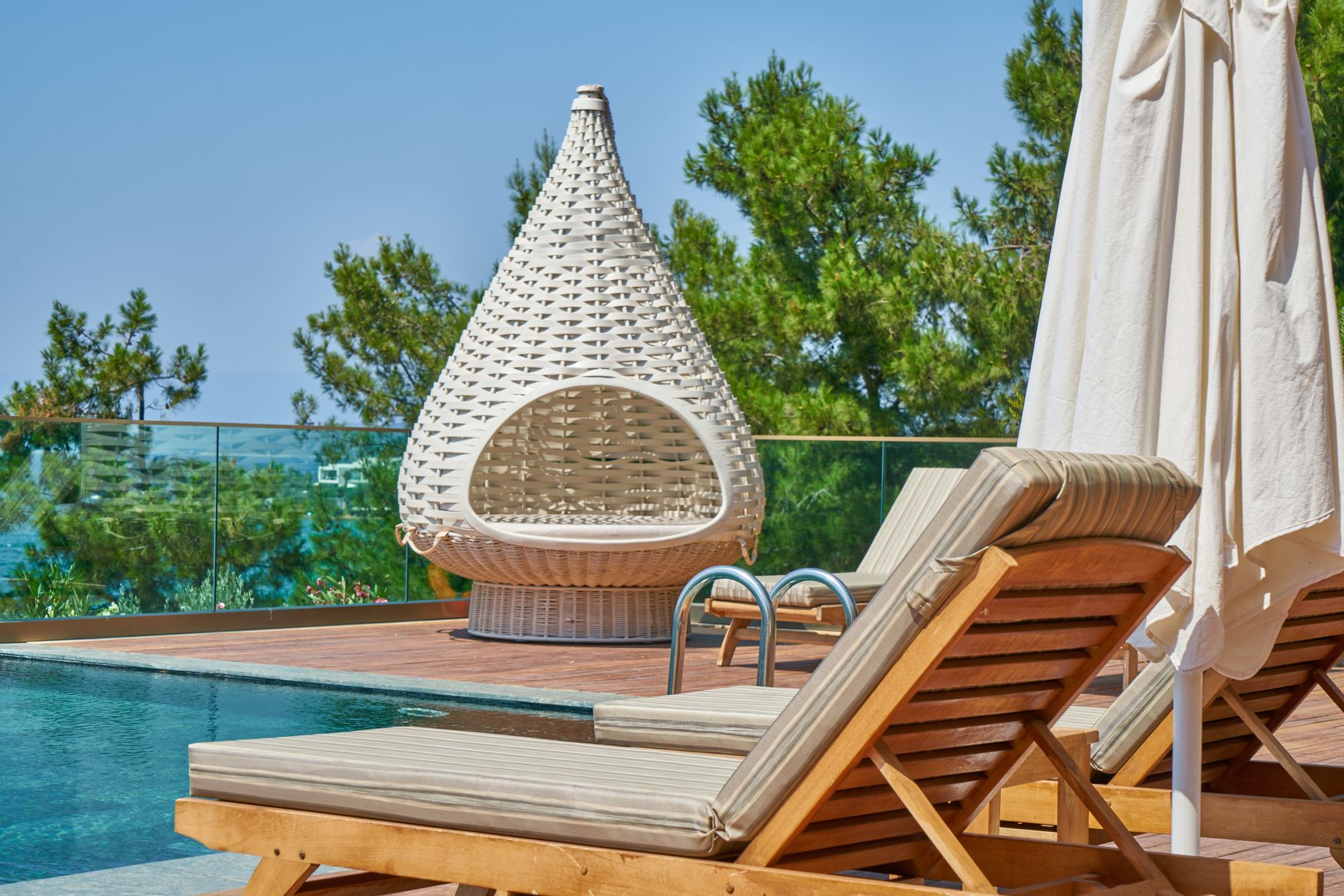
For first-timers, the biggest decision is whether to book a cabin or charter the whole boat. A cabin cruise is the most economical and social option: you book one double cabin on a gulet shared with other travellers. You'll have your own private space with an en-suite bathroom, but you'll share meals and deck space with a small group (usually 8–16 people). It's a wonderful way to meet like-minded travellers, and solo travellers often find it surprisingly comfortable.
A private charter, on the other hand, gives you the entire boat for your group—family, friends, or just the two of you. You can customize the itinerary, choose your meal preferences, and enjoy complete privacy. It's more expensive, but if you're travelling with a group, the per-person cost can be surprisingly reasonable, especially in shoulder season.
When choosing a boat, look beyond the photos. Check the number of cabins, the age of the vessel, and whether the crew speaks English. Websites like TurkeyTripPlanner.com list vetted gulets, and reading recent reviews will tell you more than any brochure. A good tip: ask about the ratio of deck space to guests. A boat with 8 cabins might feel crowded if the deck is small, while a 6-cabin gulet often feels spacious.
What It Costs: Realistic Pricing and the Shoulder-Season Advantage
Prices vary widely depending on the season, the boat's quality, and whether you book a cabin or a full charter. As a rough guide, a 7-night cabin cruise from Bodrum to Fethiye in high season (July–August) costs between €500 and €900 per person, including all meals, fuel, and crew. Private charters for a standard gulet start around €4,000–€7,000 per week, not including food and fuel, which can add another €30–€50 per person per day.
Shoulder season—May, June, September, and early October—is where the real value lies. The weather is still warm (sea temperatures in September are often perfect), the crowds are thinner, and prices drop by 20–40%. You'll find cabin cruises for €400–€600 per person, and private charters become much more attainable. Plus, the light is softer, the anchorages are quieter, and the crew has more time to chat.
Remember to budget for extras: alcoholic drinks (often not included), entrance fees to archaeological sites, and tips for the crew (around 5–10% of the charter cost, given at the end of the trip). Even with these, a gulet cruise remains one of the best-value holidays in the Mediterranean.
The Crew Makes It Effortless: Hospitality That Feels Like Family
What truly sets a gulet cruise apart is the crew. Typically a captain, a cook, and one or two deckhands, they work from dawn to dusk to make your holiday seamless. The captain knows every hidden bay and will adjust the itinerary to avoid crowds or catch the best swimming conditions. The cook—often a local woman who learned her recipes from her mother—produces astonishing meals from a tiny galley. You'll be asked about allergies and preferences on day one, and from then on, every dish is tailored to your taste.
But it's the small gestures that linger: the deckhand who brings you a cold towel after a swim, the captain who points out a sea turtle, the cook who shares her recipe for stuffed vine leaves. You're not a passenger; you're a guest in their floating home. This level of hospitality is what makes a gulet cruise feel less like a tour and more like a week with friends.
Practical Tips for First-Timers: Packing, Etiquette, and What to Expect
Packing for a gulet cruise is simple: swimwear, cover-ups, a hat, sunscreen, and comfortable shoes for village walks. Evenings can be cool in shoulder season, so bring a light jacket. Most boats have limited power, so a power bank is useful. Towels and bed linen are provided. Don't overpack—you'll live in your swimsuit.
Etiquette is relaxed, but a few tips help. Respect the boat's rules about shoes (usually removed on deck), and be mindful of water usage—freshwater is limited. Tipping is customary and appreciated; hand it to the captain on the last day. If you're on a cabin cruise, be considerate of shared spaces and noise levels after 11 p.m.
Finally, go with an open mind. The itinerary may change due to weather, but that's part of the adventure. Embrace the slow pace. Disconnect from your phone. Let the Turquoise Coast work its magic. By the end of the week, you'll understand why the Blue Voyage has been a Turkish tradition for decades—and why so many first-timers return year after year.
Thinking about a trip to Turkey?
Share your contact details and a vetted local expert will follow up with a plan built around you — free, no obligation.