

There is a moment in every Turkish hammam when the heat, the steam and the rhythm of the scrubbing all fade into a pleasant haze. Your skin is warm, your shoulders have dropped an inch, and your body asks for something gentle. In Türkiye, that something has a name — or rather, a whole kitchen behind it. For centuries, the hammam and the kaplıca (thermal spa) have been paired not only with towels and pestemals, but with a food culture built around restoring what the heat takes out: water, minerals, gentle sugars, and easily digested nourishment.
This is not spa cuisine in the modern, calorie-counted sense. It is something older and kinder: herbal infusions poured from copper pots, trays of dried fruit and nuts, bowls of yogurt, honey drizzled into warm milk, and light Anatolian dishes that have fed bathers for generations. In this guide, we look at what is traditionally served around Turkish baths and thermal springs, why it works for the body, and — most practically — how you can build a healthy, memorable meal around your own hammam or spa visit.
The Hammam Kitchen: A Tradition of Gentle Nourishment
Historic hammams were never just bathhouses. They were neighbourhood institutions with their own tea gardens, small kitchens and courtyards where bathers cooled down slowly, wrapped in towels, sipping something warm or something cool. In many Ottoman-era complexes, the hammam sat beside a çeşme (fountain), a small mosque and often a lokanta, forming a social hub. The food served there was intentionally simple — nothing heavy, nothing fried, nothing that would sit uncomfortably on a warm stomach.
What you find in these traditional settings are the building blocks of Anatolian wellness eating: fresh and dried fruit, nuts, yogurt, honey, whole grains, olive oil, and an extraordinary repertoire of herbal teas. Many of the herbs were grown locally or gathered from nearby hills — sage, linden, thyme, mint, chamomile — and prepared exactly as a grandmother would: steeped, strained, and often sweetened with a spoonful of honey rather than refined sugar.
Thermal spa towns took this further. Places like Yalova, Bursa, Afyonkarahisar, Kangal and the historic kaplıca resorts around İzmir developed their own food rituals tied to the mineral waters, with local producers supplying cheese, olives, honey and produce to the guesthouses that grew up around the springs. The result is a living tradition where a bath and a meal are two halves of one restorative experience.
Herbal Teas: The First Ritual After the Steam
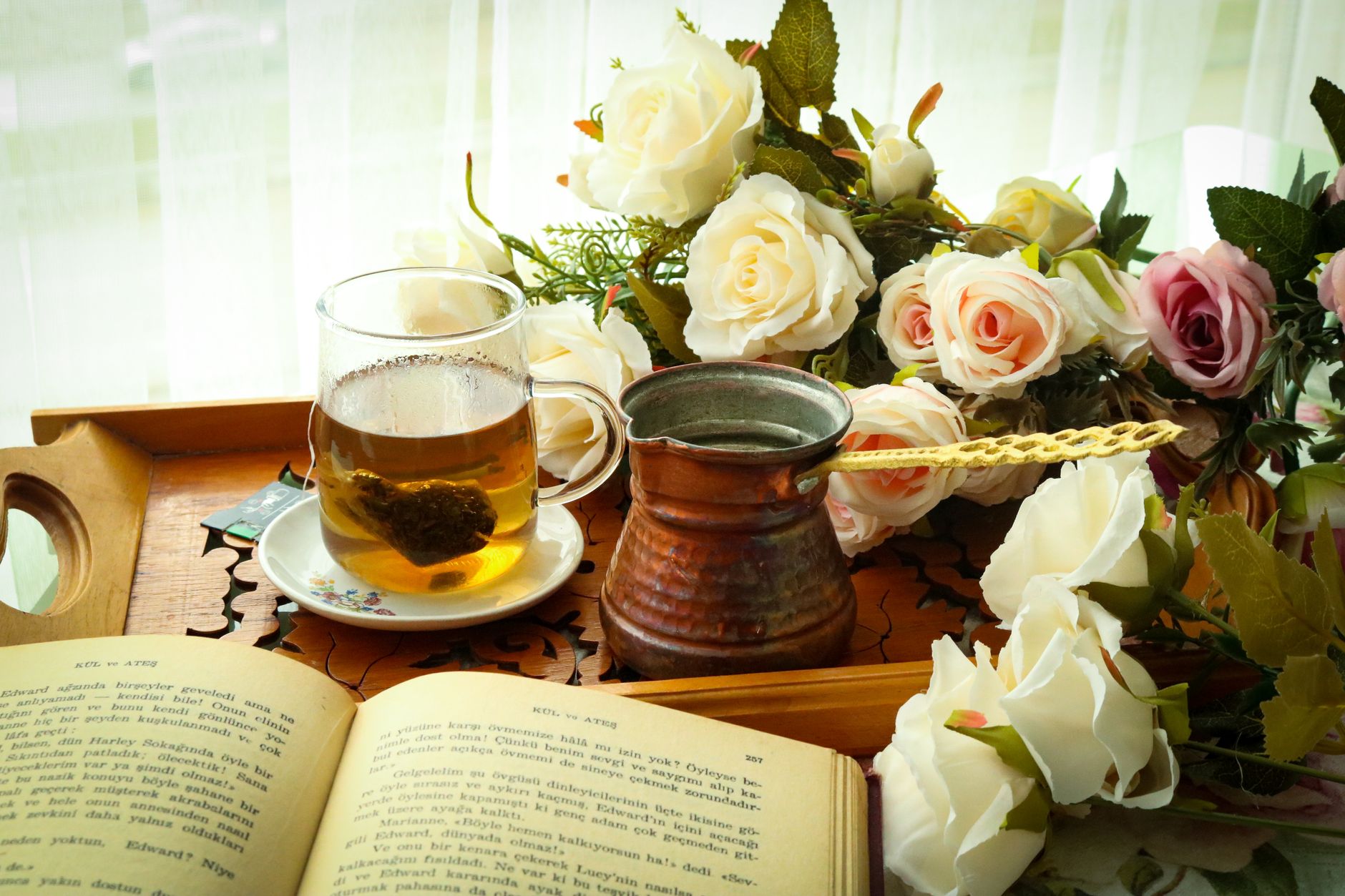
Ask any regular hammam-goer what comes first after the wash, and the answer is often tea. But not the strong black çay you drink at breakfast — rather, a lighter, aromatic infusion chosen for the season and the body. In winter, ıhlamur (linden flower) and adaçayı (sage) are favourites, served hot with honey. In summer, nane limon (mint and lemon) or a chilled rosehip infusion feels cooling and refreshing.
These teas are more than pleasant; they support the body after heat exposure. Linden is traditionally used to soothe and relax, sage is valued as a digestive and throat-friendly herb, mint settles the stomach, and rosehip is rich in vitamin C and antioxidants. Many spa kitchens keep a rotating pot of the day's infusion, and it is considered perfectly normal to ask what is fresh.
If you are visiting a hammam or thermal spa, try this simple ritual: after your scrub and rinse, sit in the cooling room and order a herbal tea rather than a sugary soft drink. Sip it slowly, let your body temperature settle, and treat the tea as part of the treatment — because traditionally, it is.
Dried Fruit, Nuts and Honey: Nature's Recovery Plate
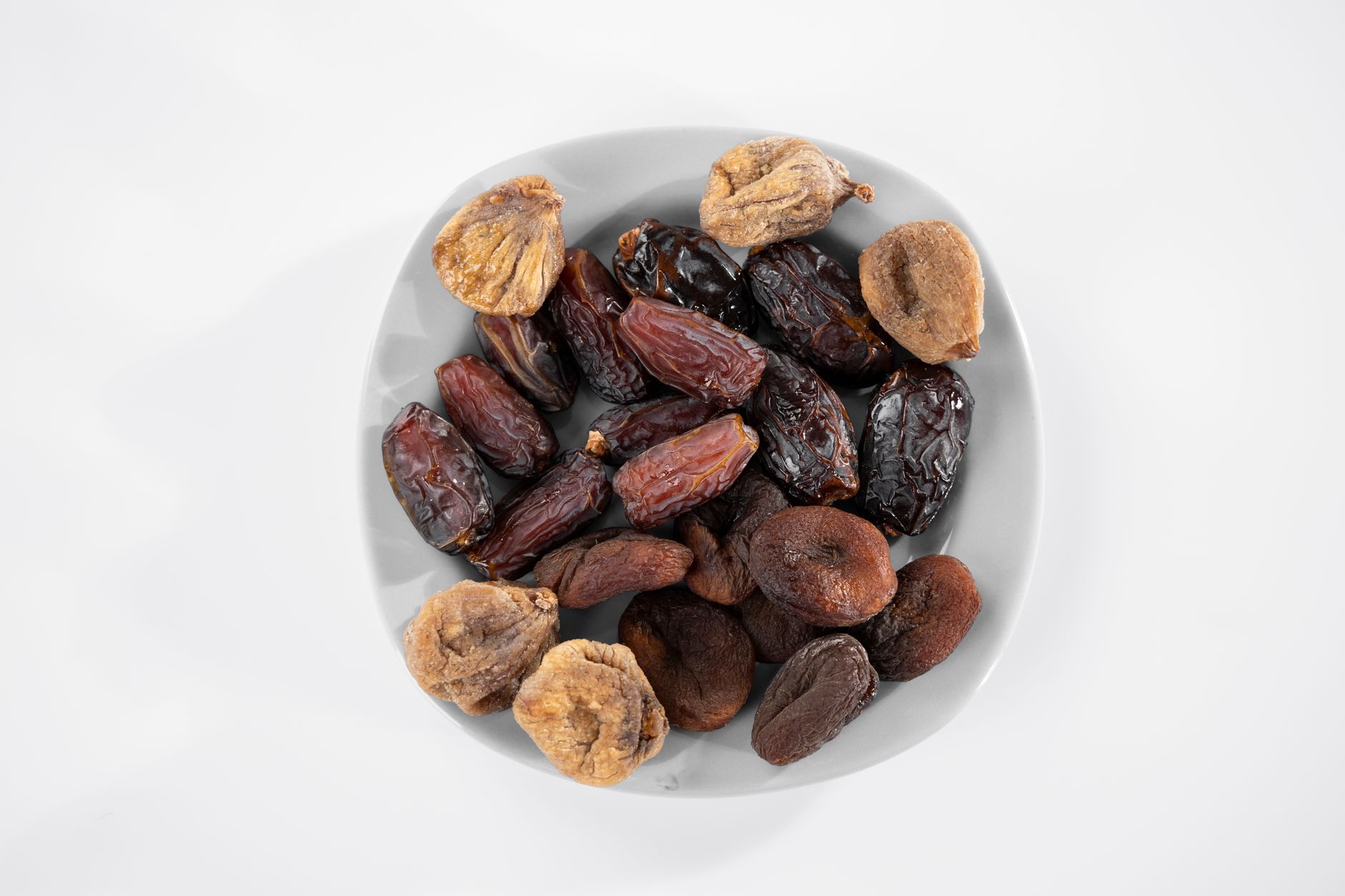
Walk into any traditional hammam tea garden and you will likely see small plates of dried fruit and nuts: dried figs, apricots, raisins, dates, walnuts, almonds, hazelnuts. It is the classic Turkish pairing — sweet, chewy, crunchy and satisfying, and far gentler on a warm body than pastry or fried food.
Dried figs and apricots provide natural sugars and fibre, along with potassium — a mineral lost through sweat and replenished beautifully by a handful of dried fruit. Walnuts and almonds add protein and healthy fats, slowing the release of that sugar and keeping you satisfied. Honey, meanwhile, appears everywhere: stirred into warm milk, drizzled over yogurt, spread on a slice of village bread. Turkish honey, especially from the highlands of the Black Sea and eastern Anatolia, is celebrated for its flavour and variety.
The wisdom here is balance. A small plate of dried fruit and nuts with a spoonful of honey is a light, nourishing snack that bridges the gap between the bath and a proper meal — exactly the sort of gentle grazing that many spa-goers find ideal. It is also a lovely thing to share, and sharing is central to Turkish food culture. For more on how eating shapes travel here, see our travel blog and our cultural guides.
Light Anatolian Dishes for After the Bath
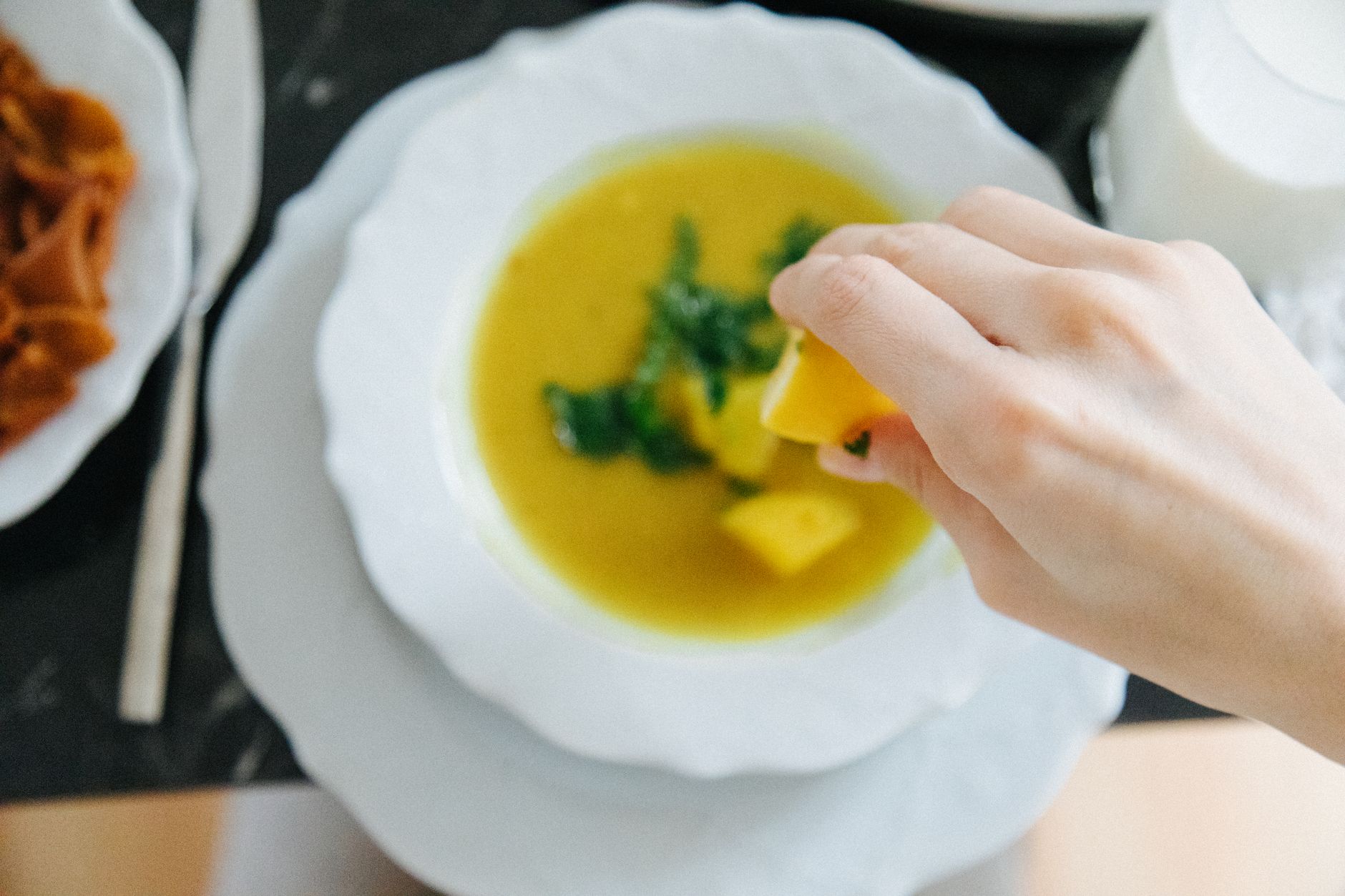
After a long soak, the classic advice is not to eat heavily. Turkish cuisine is well suited to this rule, offering a range of light dishes that still feel like a real meal. A bowl of mercimek çorbası (red lentil soup) with a squeeze of lemon is a gentle, warming start. Cacık — yogurt with cucumber, mint and a little olive oil — is cooling and probiotic, and appears on countless spa-town tables.
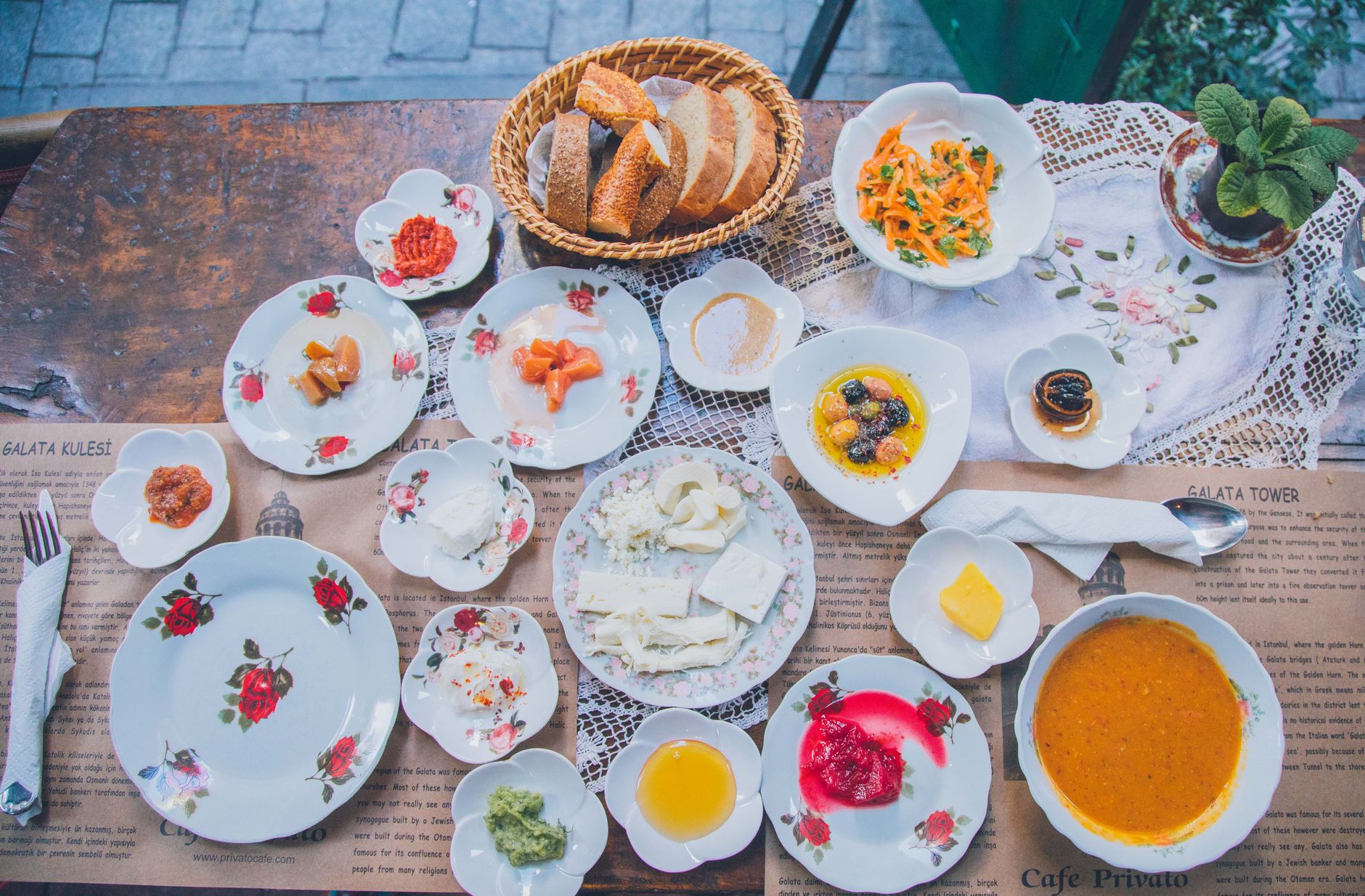
For something more substantial but still light, consider zeytinyağlı vegetable dishes: green beans cooked slowly in olive oil, stuffed peppers, artichoke hearts, or a simple plate of semizotu (purslane) with yogurt. Grilled fish or a modest portion of grilled chicken with a big salad of tomatoes, cucumbers and herbs works beautifully too. And for breakfast — which many thermal hotels serve generously — Turkish breakfast is a wellness plate in disguise: olives, white cheese, tomatoes, cucumbers, walnuts, honey, fresh bread and endless tea.
The key is to lean on vegetables, legumes, yogurt, olive oil and fresh herbs, and to keep fried and very sweet foods as an occasional pleasure rather than the post-bath default. That is the traditional pattern, and it is remarkably close to what modern wellness advice recommends.
Building Your Own Hammam-and-Meal Day
The best way to experience this tradition is to plan your day around it. Book a morning hammam or thermal pool session — mornings are calmer, and the water is fresh. Afterwards, resist the urge to rush off. Sit in the cooling area, drink a herbal tea, and snack lightly on dried fruit and nuts while your body settles. Then, an hour or so later, have a relaxed lunch built around soup, yogurt, vegetables and maybe grilled fish or chicken.
If you are in a thermal spa town, look for the small family-run lokantas and breakfast gardens near the springs rather than the international buffets. Ask what is local and in season, and let the staff guide you toward traditional dishes. In many places, the guesthouse or spa will happily tell you where the best village breakfast is served.
Timing matters less than rhythm. The tradition is about easing the body from heat to rest to nourishment, without extremes. Hydrate steadily with water and herbal tea throughout the day, keep meals light and warm, and give yourself permission to move slowly. That, more than any specific ingredient, is the real wellness ritual.
Practical Tips for Wellness-Minded Travelers
If you are planning a hammam or spa visit, it helps to know a few practical things. First, drink water before and after your bath — the heat is dehydrating, and the herbal teas and dried fruit are there to help you rebalance. Second, avoid a very heavy meal immediately before a hammam; a light snack an hour or two ahead is better. Third, ask about the tea of the day and the local honey; both are often highlights.
When choosing where to eat, favour places that serve fresh, seasonal food and traditional dishes. Many hammam complexes and thermal hotels in Türkiye have excellent light menus now, but the most memorable meals are often the simple ones in nearby villages and towns. Carry a refillable water bottle, and consider trying local mineral waters, which are part of the spa culture itself.
To plan your route through Türkiye's hammam and thermal towns, our itineraries and routes pages are a good starting point, and the best-time guide will help you choose a season. If you would like personalised help designing a wellness-focused trip, our trip planner and local experts can shape the details, and our FAQ answers common questions about hammam etiquette. Above all, come hungry for the quiet pleasures — steam, tea, honey, figs and good company — that have made the Turkish bath a complete wellness tradition for centuries.
Thinking about a trip to Turkey?
Share your contact details and a vetted local expert will follow up with a plan built around you — free, no obligation.