

For centuries, the Turkish hammam has been more than a bath. It is a place of steam and marble, of quiet conversation and ritual care — a public living room where generations have washed, rested, and been looked after. This autumn, that long tradition is enjoying fresh international attention as wellness-seeking travelers add the hammam to itineraries once reserved for spas and retreats.
The appeal is simple. A traditional hammam offers heat, rest, scrubbing, and hospitality at prices that remain remarkably modest by global wellness standards — often a fraction of what a comparable spa treatment costs in Western Europe. In a world of increasingly expensive self-care, the hammam feels like a beautifully preserved bargain.
A Ritual Built on Care, Not Commodity
The hammam's structure has barely changed in outline since Ottoman times: a warm changing room, a hot marble chamber with a raised central stone, and a series of washing alcoves under a perforated dome that scatters daylight into stars. The heat softens the skin; the tellak (attendant) then scrubs with a coarse mitt, rinses, and often finishes with a soap massage in a cloud of foam.
What distinguishes the Turkish hammam from a modern spa is its social character. Locals come in groups, celebrate weddings and holidays here, and treat the bath as a routine pleasure rather than an occasional indulgence. Visitors are welcomed into that rhythm — gently, and without fuss.
That spirit of care is precisely what wellness travelers are now seeking: not a silent, clinical treatment room, but a warm, human ritual with centuries of hospitality behind it.
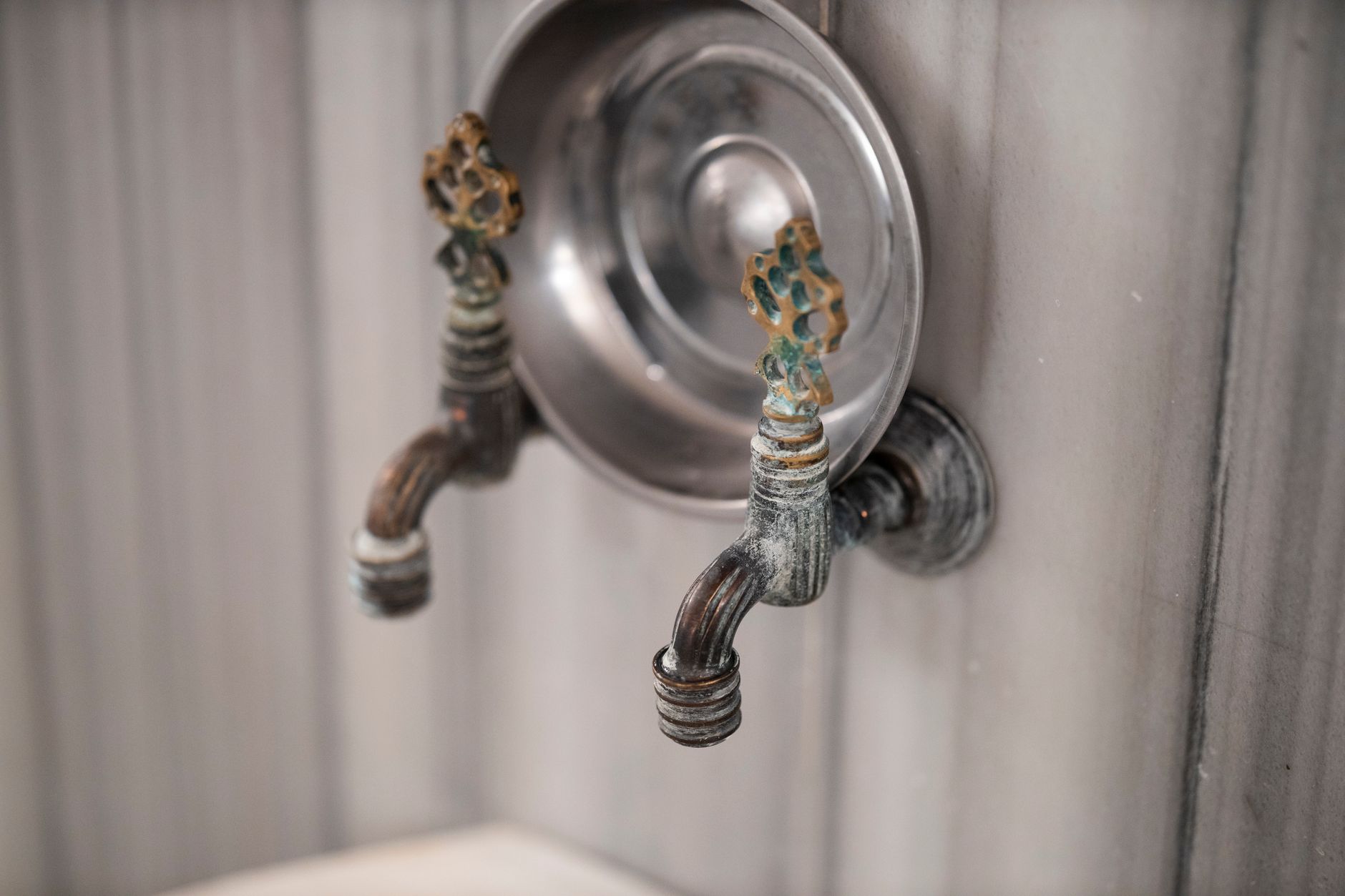
Etiquette: What to Know Before You Go
Few experiences reward a little preparation so well. The hammam is relaxed, but it has its own courteous grammar, and knowing it makes the visit far more enjoyable.
- Bring or buy the basics: a peştemal (thin cotton wrap), a pair of slip-on sandals, and a scrub mitt are usually provided or sold cheaply at the entrance.
- Cover up in the hot room: keep the peştemal wrapped around you; nudity is not the custom.
- Rinse before you settle: use the basins to wash briefly before sitting on the central stone.
- Expect same-sex sections: most traditional baths are segregated by gender, either by separate hours or separate areas.
- Tipping is welcome but modest: a small note for your attendant is customary and appreciated.
- Hydrate and take your time: rest in the cool room afterwards with tea — rushing defeats the purpose.
If you are unsure, say so. Attendants are accustomed to first-time visitors and will guide you through the sequence without ceremony.
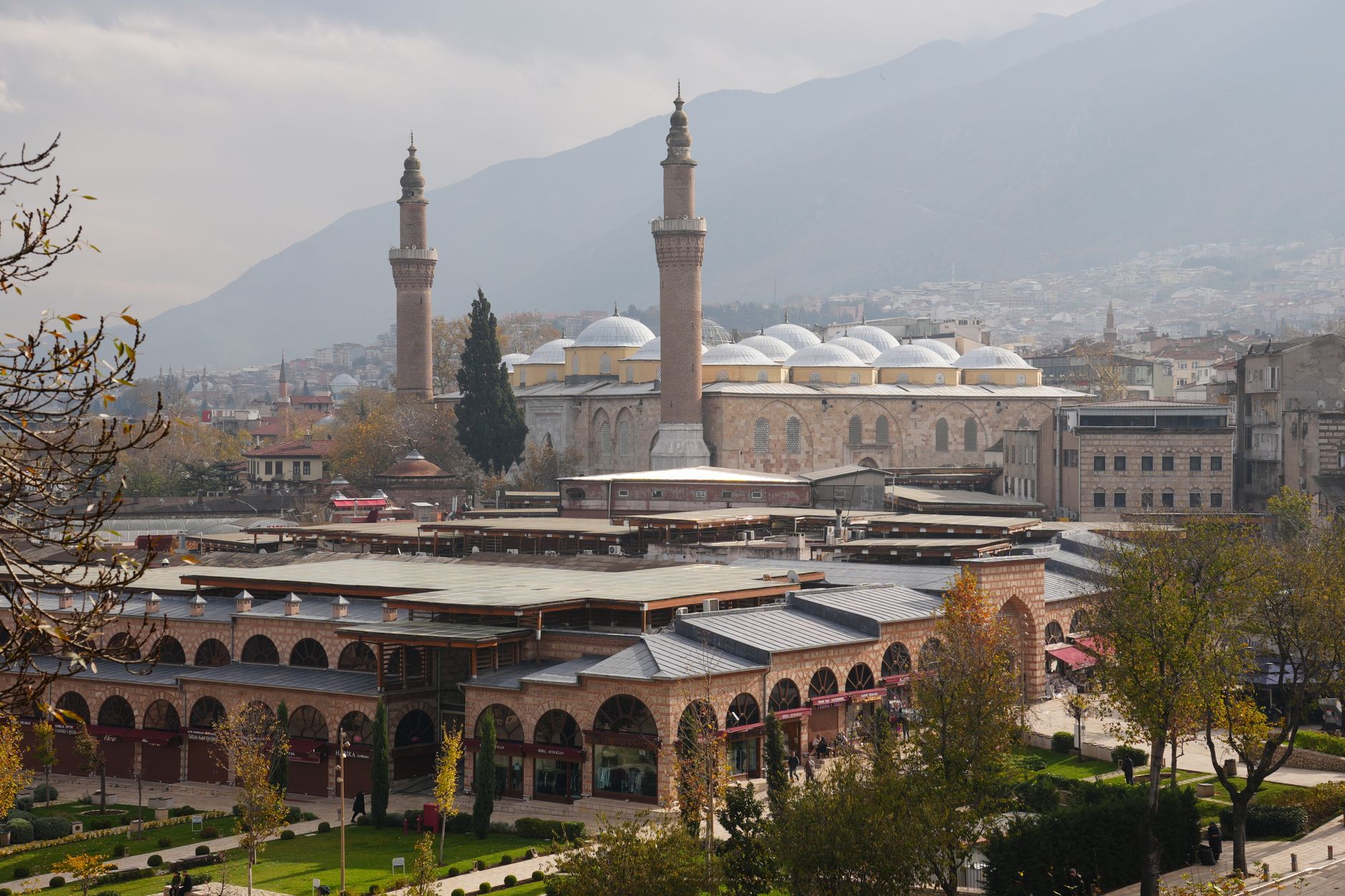
Istanbul: Domes, Marble, and Living History
Istanbul remains the great stage for the hammam. Historic baths such as the sixteenth-century Ayasofya Hürrem Sultan Hamamı, the grand Çemberlitaş Hamamı designed by Mimar Sinan, and the neighborhood baths of Galatasaray and Kılıç Ali Paşa offer the full range — from stately, restored elegance to everyday local warmth.
Historic baths in the old city tend to be busier and slightly pricier, with packages that combine scrub, foam massage, and refreshments. Neighborhood baths are simpler, cheaper, and often more atmospheric for travelers who prefer authenticity to polish.
Pair a morning bath with a slow walk through the surrounding streets; the hammam has always been part of the city's daily fabric, not separate from it. Our travel guides cover how to build a relaxed day around the old city's landmarks.
Bursa: Thermal Waters and Ottoman Grandeur
Bursa, the first great Ottoman capital, adds another dimension: thermal springs. Its historic baths, including the celebrated Keramet Ilıcası and the old baths clustered near the Ulu Cami, combine the hammam ritual with naturally warm mineral water long prized for aching muscles and weary travelers.
The city is also home to some of the finest early Ottoman bath architecture, with domed chambers and carved stonework that reward a slow look upward. For wellness travelers, Bursa offers a gentler, less crowded alternative to Istanbul — and a natural stop on any westward route.
If you are mapping a journey that links Istanbul, Bursa, and the Aegean, our suggested routes and itineraries can help you pace it comfortably.
Affordable Luxury, Honestly Priced
Comparisons are striking. A full traditional hammam experience — entry, scrub, foam massage, and often tea — frequently costs less than a single a la carte spa treatment in many European cities. Even the most famous historic baths in Istanbul sit well within a moderate travel budget.
That value is not a discount on quality; it is a reflection of a tradition embedded in daily life rather than packaged as a luxury product. The hammam was always meant to be accessible, and it still is.
Nowhere else can you be scrubbed, steamed, rinsed, and handed a glass of tea by people who have done this, with care, for generations — for the price of a modest dinner.
For travelers watching costs, the hammam may be the single best-value wellness experience in the Mediterranean. Our travel tools can help you budget a trip that includes one without stretching it.
Planning Your Visit
Most hammams welcome walk-ins, but the famous historic baths in Istanbul increasingly recommend booking ahead, particularly in the late afternoon and at weekends. Mornings tend to be quieter and cooler. Allow at least ninety minutes to two hours; the ritual should not be hurried.
Travelers with health conditions — particularly heart concerns, low blood pressure, or pregnancy — should consult a doctor before prolonged exposure to heat. Attendants are experienced but not medical professionals.
The best season is a matter of taste: spring and autumn bring mild weather for walking between bath and city, while winter makes the steam all the more welcome. Our best-time guide breaks down the months in detail.
Above all, arrive unhurried. The hammam is a ritual of care perfected over centuries, and it asks only that you slow down enough to receive it.
Thinking about a trip to Turkey?
Share your contact details and a vetted local expert will follow up with a plan built around you — free, no obligation.