

Where Time Slows Down: The Living Workshops of Türkiye
In an age of mass production, a handful of Turkish villages remain vibrant centers of handmade craft. Here, the rhythmic hum of the potter's wheel, the click of the loom, and the tap of the coppersmith's hammer still mark the hours. For travelers, visiting these villages is not just shopping—it is an invitation into a centuries-old way of life.
From the ceramic ateliers of Kütahya to the carpet looms of Kula, artisans welcome guests with tea and stories. They demonstrate techniques passed down through generations, and every purchase carries the maker's name and personal touch. This is shopping as cultural immersion, where the souvenir becomes a memory of human connection.
Kütahya: The Heart of Turkish Ceramics
Kütahya, a city in western Anatolia, has been a ceramic hub since the 14th century. In its old quarter, family-run workshops produce hand-painted tiles, plates, and vases in the iconic cobalt blue, turquoise, and coral red. Visitors can watch the entire process, from shaping the clay to applying delicate brushstrokes.
Many ateliers offer short workshops where you can paint your own tile under the guidance of a master. The experience is meditative and fun, and you leave with a truly one-of-a-kind piece. The warmth of the artisans, who often share tea and homemade pastries, makes the visit feel like a reunion with old friends.
For a deeper dive, the Kütahya Ceramic Museum traces the craft's history, and nearby villages like Çini continue the tradition in small home studios.
Kula: Where Carpets Tell Stories
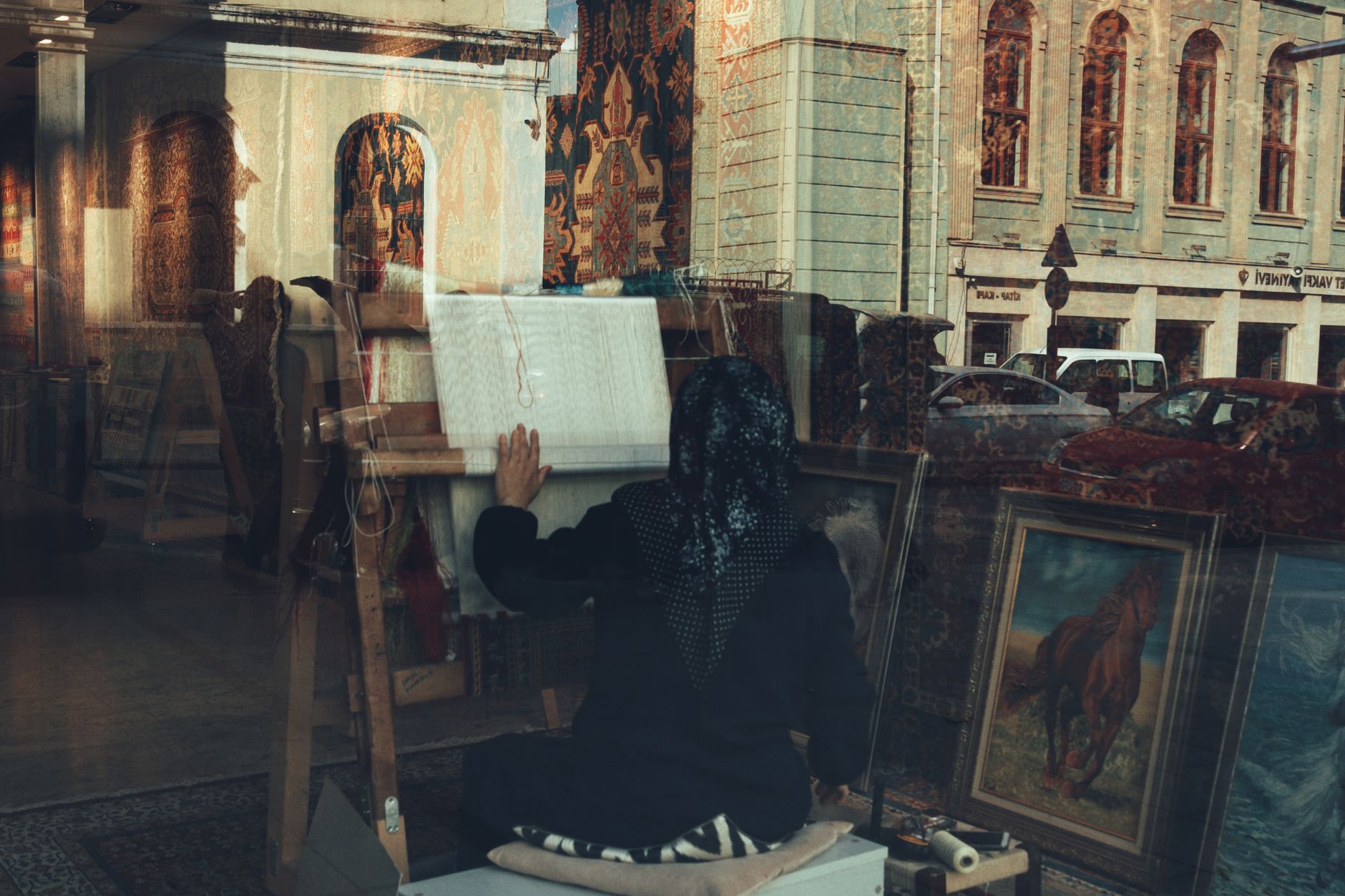
In the Aegean region, the town of Kula is famous for its hand-woven carpets. Unlike factory-made rugs, each Kula carpet is a narrative: motifs represent fertility, protection, or longing, and colors come from natural dyes like madder root and indigo. The weaving is done by women who learn the art from their mothers.
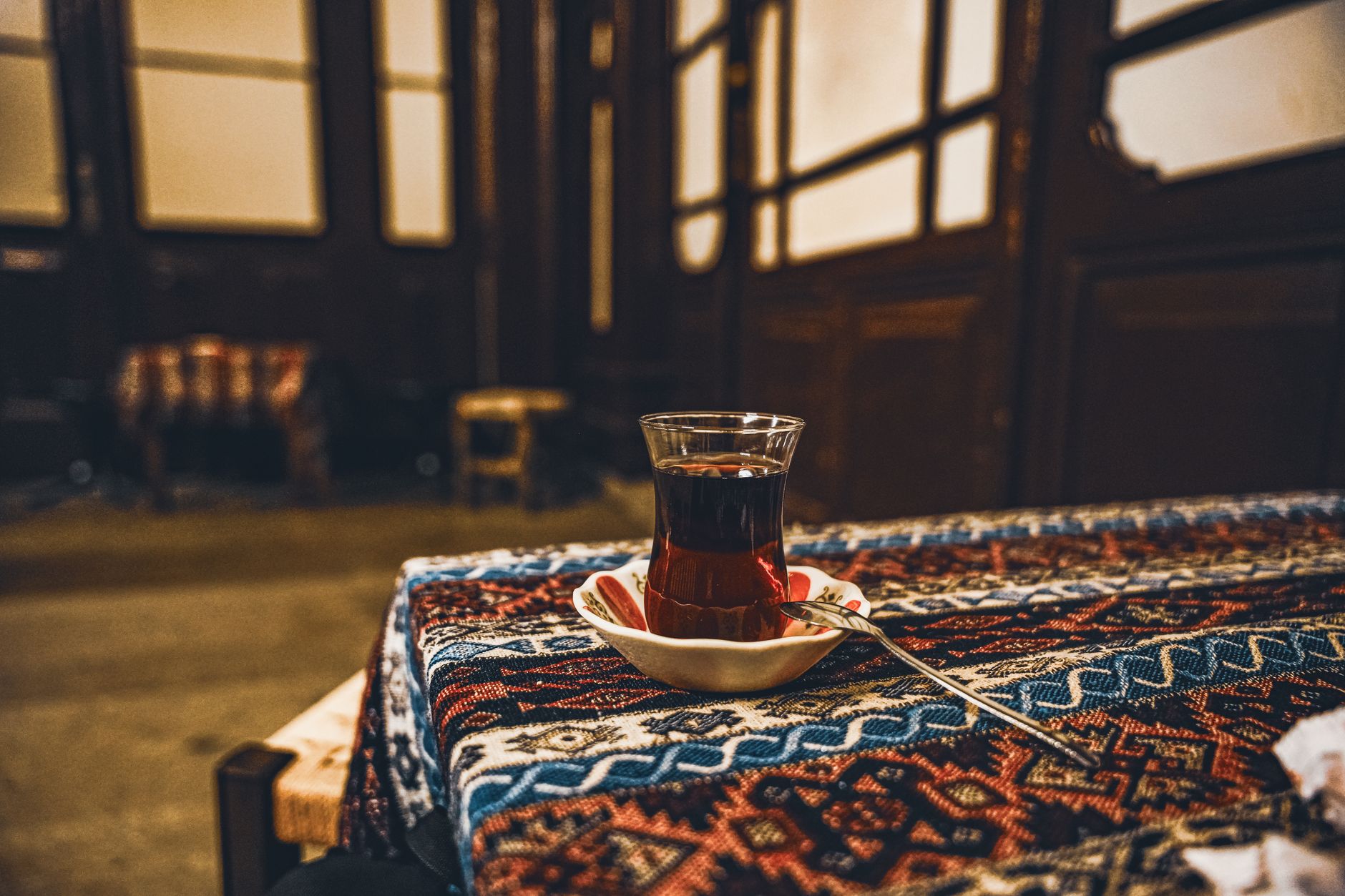
Travelers can visit village cooperatives where weavers welcome guests into their homes. You will sit on the floor, sip çay (Turkish tea), and learn to read the symbols in the carpets. Many cooperatives allow you to commission a custom piece or even try your hand at a few knots.
Because these are working villages, not tourist traps, prices reflect the true value of the labor. Buying directly supports the weavers and helps keep the tradition alive.
Gaziantep: Copperware and Culinary Heritage
In southeastern Türkiye, Gaziantep is a UNESCO Creative City of Gastronomy, but it also boasts a rich tradition of copperware. In the old bazaar, coppersmiths hammer out trays, coffee pots, and decorative plates using techniques from the Ottoman era. The sound of metalwork echoes through the narrow streets.
Visitors can tour a copper workshop and see how a flat sheet of metal becomes a gleaming work of art. Many artisans will personalize a piece with your name or a date. Afterward, explore the nearby spice market and taste the city's famous baklava—another handmade art form.
Guided tours in Gaziantep often combine copperware demonstrations with culinary walks, offering a full sensory experience of the region's heritage.
How to Visit: Practical Tips for Cultural Shopping
To make the most of your visit, plan ahead. Many villages are accessible by public transport, but guided tours from nearby cities like Izmir, Kütahya, or Gaziantep offer convenient transportation and English-speaking guides. Check local tourism websites or ask your hotel to arrange a visit.
Workshops and demonstrations often require reservations, especially for groups. Contact artisan cooperatives directly via email or phone—many have simple websites or social media pages. A small fee may apply, which goes toward materials and the artisan's time.
When shopping, take your time. Ask about the materials, the symbolism, and the maker. Bargaining is acceptable in bazaars but less so in cooperatives where prices are fixed and fair. Remember that shipping can be arranged for larger items like carpets.
Why Handmade Souvenirs Matter
Every handmade item you buy in these villages carries a story and supports a family. Unlike mass-produced souvenirs, these pieces are unique and often improve with age. They also help preserve skills that might otherwise disappear.
But the real souvenir is the experience: the warmth of a weaver's smile, the pride of a potter showing you his kiln, the taste of tea shared over a half-finished carpet. These moments turn a simple purchase into a cultural exchange that lingers long after you return home.
So next time you travel to Türkiye, venture beyond the Grand Bazaar. Head to the villages where tradition lives, and bring back not just a souvenir, but a connection.
Thinking about a trip to Turkey?
Share your contact details and a vetted local expert will follow up with a plan built around you — free, no obligation.